

The Real Battle Starts Now: Why a US-Iran Deal Remains Elusive
Even with a 60-day framework in place, deep disagreements over enrichment, sanctions, and regional influence could push any final nuclear deal far beyond the initial timeline.



 Messenger
 Whatsapp
 Threads
 Email
Email
 Print
Print
 X
X
 Facebook
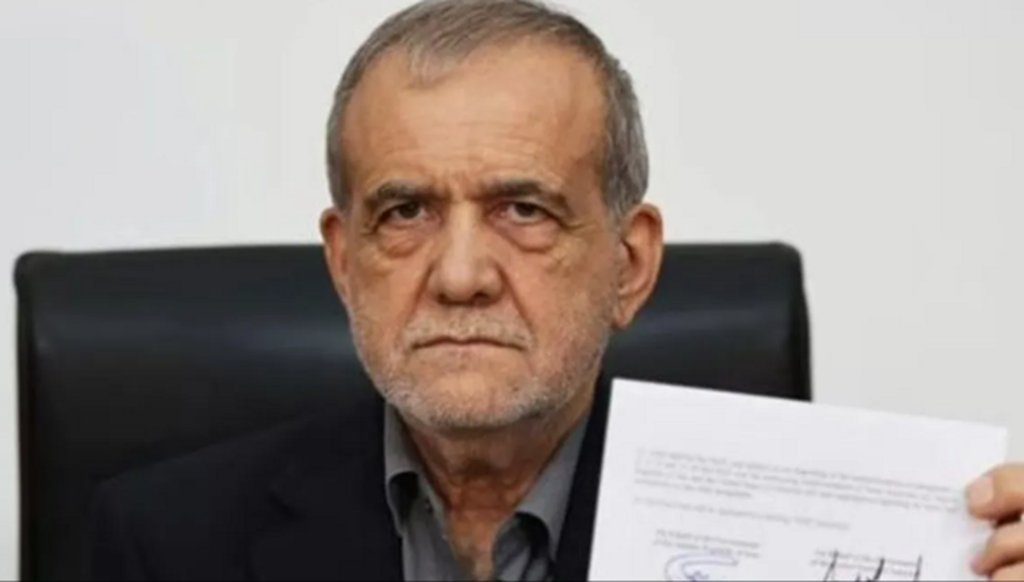


The memorandum of understanding signed between the United States and Iran is considered the beginning of a path that may be either long or short toward reaching an agreement on Iran’s nuclear program. This program was the reason the United States and Israel launched two wars against Iran within eight months.
After the war of 28 February, which lasted 40 days, US President Donald Trump chose to pursue the diplomatic option to reach an agreement that would end Iran’s nuclear program, using an important leverage in the form of a naval blockade imposed on Iranian ports, depriving Tehran of 500 million dollars per day in oil revenues, most of which came from exports to China. The blockade also came as a response to Iran’s closure of the Strait of Hormuz, which led to a rise in global energy prices, including in the United States.
From this, it can be inferred that the economic paralysis caused by the closure of the strait was one of the main factors that led Trump to prefer a quick political settlement. Iran, whose economy is also suffering from a free fall amid inflation rising above 70 percent and the Iranian rial losing value to record lows against the US dollar, was also among the factors that pushed hardliners to listen to advocates of a settlement with the United States, including President Masoud Pezeshkian and Foreign Minister Abbas Araghchi.
However, the memorandum of understanding, despite the difficulties and obstacles it went through before being reached, is the easy part of the long and complex path that awaits the nuclear negotiations.
Sixty days for an agreement?
Although the memorandum of understanding stipulates that an agreement must be reached within 60 days, the details that the agreement will include may take longer. Reaching the Joint Comprehensive Plan of Action in 2015 required about a year and a half of negotiations between the P5+1 group and Iran, so is it possible to reach a final agreement now within 60 days, given that the issues facing current obstacles are far more complex than those that existed at that time?
Nothing prevents the United States and Iran from extending the negotiation period if there is political will on both sides to reach an agreement. Iran holds the card of uranium enriched to 60 percent and the Strait of Hormuz card. The United States holds the sanctions card and the frozen Iranian funds. Neither Iran nor the United States will make free concessions. Trump prefers parallel steps so that he is not accused of returning to the 2015 agreement.
However, the issue may expand to include Iran’s regional influence and its missile capabilities. These two matters are rejected by Tehran, which refuses to discuss them in any way, directly or indirectly. At the same time, Trump criticizes the 2015 agreement for not being comprehensive, meaning that it only imposed restrictions on Iran’s uranium enrichment in exchange for easing US sanctions and releasing frozen funds.
Trump aspires to a broader agreement than the one he tore up in 2018, so that he can sell it in Israel and to the Iran hawks in the White House and Congress.
These figures refuse to give money to Iran or ease sanctions on it, because they fear Tehran will use it to rebuild its missile capabilities and air defense systems and to provide funds to its proxies in the region, including Hezbollah in Lebanon, the Houthis in Yemen, and the Popular Mobilization Forces in Iraq. It is well known that Iran uses these proxies to consolidate its influence in the three countries.
Therefore, the nuclear negotiations will not be merely technical or procedural matters but are connected to far more difficult issues that represent a real challenge for Iran.
Accordingly, the regime in Tehran may prefer to maintain the current status quo, neither agreement nor war, rather than make concessions that affect its military and ideological doctrines. In that case, matters would return to square one.
Disclaimer: The opinions expressed by the writers are their own and do not necessarily represent the views of Annahar.