

Lebanon in a cycle of negotiations without guarantees amid US–Iran deal dynamics and regional escalation
Despite ongoing diplomatic efforts, Lebanon may head into successive Washington talks without operational gains, as the broader US–Iran understanding and Israeli–Hezbollah tensions shape a volatile and constrained negotiating environment.



 Messenger
 Whatsapp
 Threads
 Email
Email
 Print
Print
 X
X
 Facebook
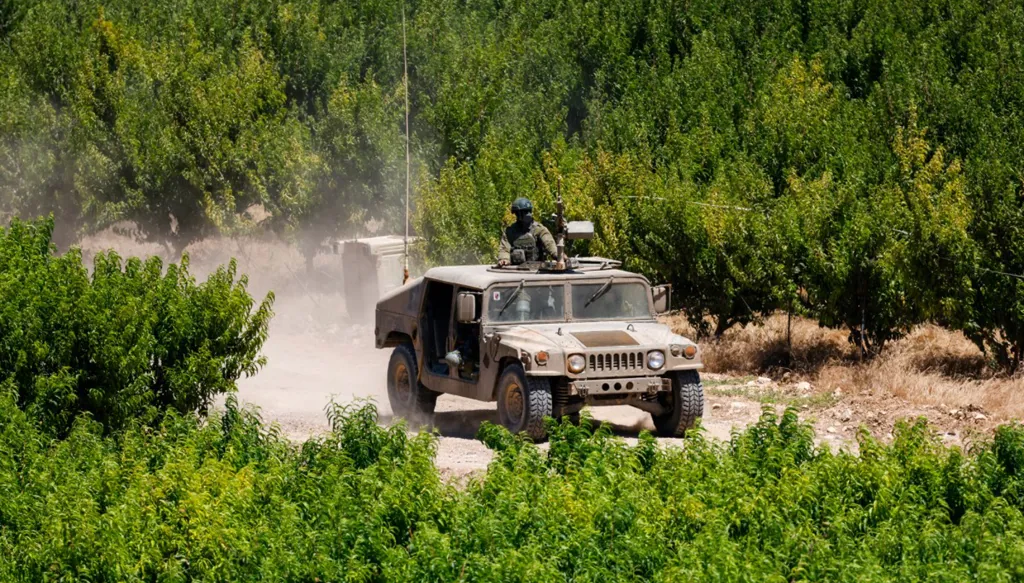
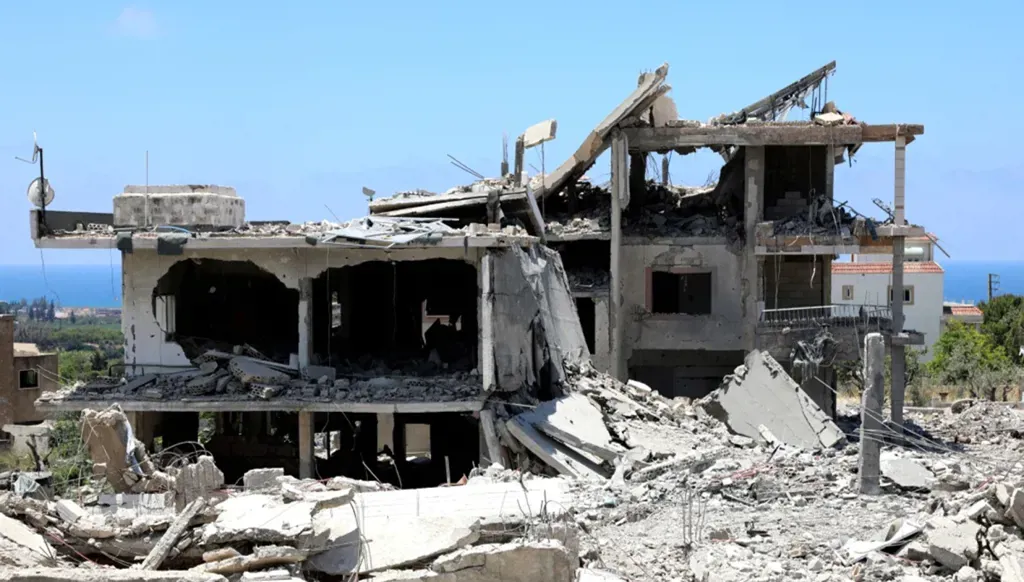
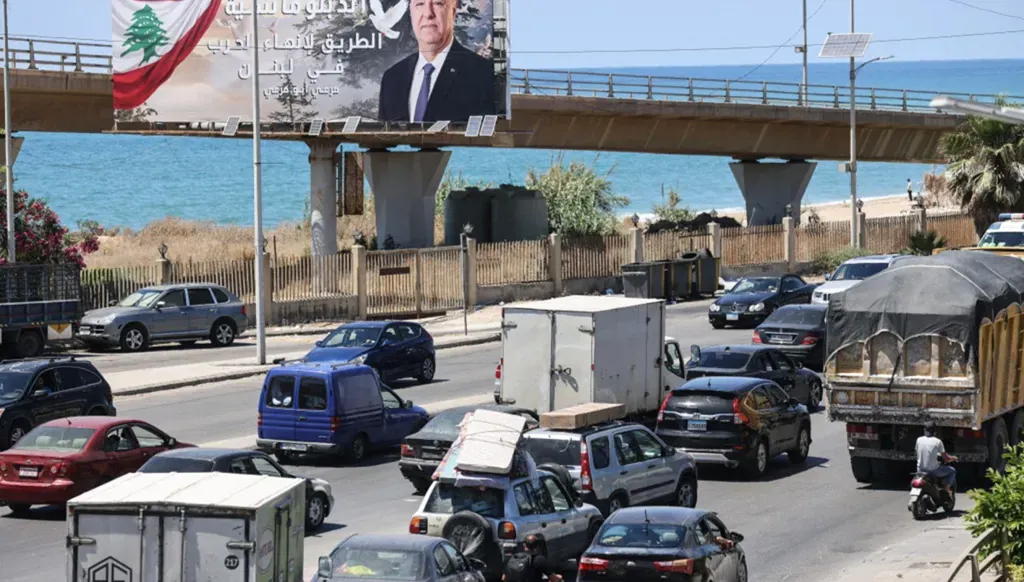


If the signals coming from the American side regarding Lebanon in recent days following the signing of the understanding between the United States and Iran suggest an initial reassurance to Lebanon that it is not being reduced to part of this understanding or that the solution in Lebanon is being handed over to Iran or that Iran is being given its keys, as many feared based on the conclusions drawn from the memorandum of understanding, then the most important expectation is that the United States will apply pressure in the next round of direct bilateral negotiations between Lebanon and Israel in order to produce practical results that refute this in action, not in words.
Diplomatic information reveals intensive contacts and significant efforts that led to these signals, in light of a negative assessment of the United States’ renewed strengthening of Iran’s influence in Lebanon after the Lebanese state’s efforts to reduce its impact.
The sanctions issued by the US Treasury, which included one of the party’s most prominent allies, the former minister Suleiman Frangieh, were a symbolic message in this sense in terms of timing, as was the phone call made by US Secretary of State Marco Rubio to President Joseph Aoun and the planning for the latter’s visit to Washington next July, most likely.
It can be said that some of the Lebanese lobby active in Washington (and here “some” refers to an official assessment that other parts of it are harming the delicate Lebanese reality and should be stopped) is carrying out diligent work in this context, in terms of drawing the attention of the US administration to the risks of reducing Lebanon to part of the Iranian track and the need to avoid sacrificing it in a way that would overturn all the efforts made within the framework aimed at rebuilding the state, while also reopening the way for Iran to consolidate its influence in the region through Lebanon as well.
Some also read the notable message sent by US Vice President J.D. Vance to Christians in Lebanon within this framework, without that negating the fact that this requires sustained efforts at this very stage with the White House in order to keep protecting Lebanon and ensure its sovereignty remains a priority on an independent track separate from the Iranian one.
The implication of these messages is a rejection of including any guarantees related to “Hezbollah” in the understanding, and that the disarmament of the party remains a necessary condition in Lebanon, at least until further notice.

The danger, as many see it, lies in Lebanon heading into the new round of direct negotiations next week in Washington without emerging with any practical outcome that strengthens the position of the state, and instead entering a cycle of successive rounds of talks without operational results. This is linked to the sixty-day deadline within the US-Iran understanding, as well as to the timing of the Israeli elections and the US elections in October.
Lebanon is therefore moving on a tightrope, amid expectations that in the coming months it will remain an arena for mutual pressure, even if the United States is currently at odds with Israel in terms of interests at this stage, despite Iran’s claims that progress in its negotiations depends on resolving the situation in Lebanon.
Meanwhile, another round without results could weaken the state’s position and intensify pressure on it from Hezbollah, which is acting against it and against its interests in the war with Israel, insisting on handing the keys to a ceasefire solely to Iran.
Although negotiations are a process that cannot succeed in one or two rounds or slightly more, the challenge remains in the ability of the Americans—and some say their willingness—not to fall into Iranian blackmail, by trying to maintain distinction and separation between the two tracks, meaning the US-Iran track and the Lebanese track.
This battle is still ongoing, and Iran is deploying its leverage, most recently threatening to close the Strait of Hormuz again and suspend negotiations over it, in a way that strongly challenges the Lebanese state’s limited capacity and its lack of comparable leverage.
Many fear this outcome, while acknowledging that the state’s options are narrow and that it has no choice but to continue what it is doing.
However, some believe that the state could benefit from Israeli widespread dissatisfaction and from the fact that Prime Minister Benjamin Netanyahu’s concerns are being disregarded, as well as from Israel not being explicitly included as a party in the US-Iran understanding and its continuation of the war under the pretext of non-compliance with it.
This, they argue, could be used to secure commitments regarding negotiations that should not be allowed to collapse, given that the first track is at this level with the Lebanese state.
And if Israel, according to the positions of its officials, has found “common ground” with Lebanon as a result of its confrontation with Iran and the prevention of its influence there—among other considerations—then it should contribute to the success of the negotiations, and it is essential that Washington make this clear, especially since it has already launched a pressure track that is not expected to stop soon.
At the same time, the Lebanese state, despite the difficult situation in which it is struggling on two main fronts—the Israeli front and the Iranian front—in an attempt to pull Lebanon out of the conflict between them, can make use of what the recent days have shown in terms of escalation between Israel and Hezbollah.
The celebration of a comprehensive ceasefire as a result of the Islamabad track between the United States and Iran, which was promoted as the development that would bring an end to the war in Lebanon rather than the ceasefire agreements reached between Israel and Lebanon in Washington, was not justified.
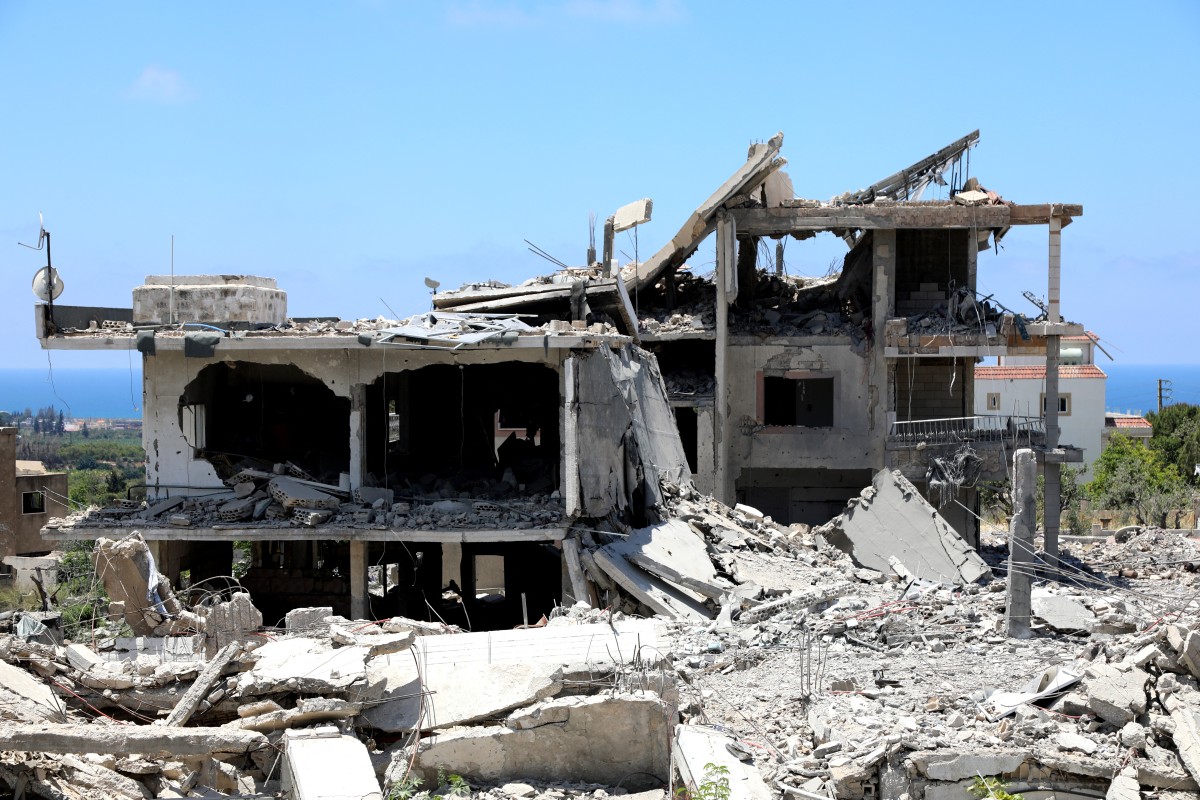
The same thing happened after the ceasefire between the United States and Iran, while the worst of what occurred in this war actually took place in the interval between the US-Iran ceasefire and the signing of the memorandum of understanding between them, during which unannounced efforts were made to save the southern cities, including Tyre, from the destruction that recently engulfed them as a result of Hezbollah militants’ incursions into them.
Disclaimer: The opinions expressed by the writers are their own and do not necessarily represent the views of Annahar.