

US and Iran open new round of peace talks in Switzerland amid rising regional tensions
US and Iranian officials begin talks in Switzerland on implementing a 14-point interim deal covering a ceasefire in Lebanon, nuclear negotiations, and maritime security in the Strait of Hormuz amid accusations of violations and renewed clashes in the region.



 Messenger
 Whatsapp
 Threads
 Email
Email
 Print
Print
 X
X
 Facebook
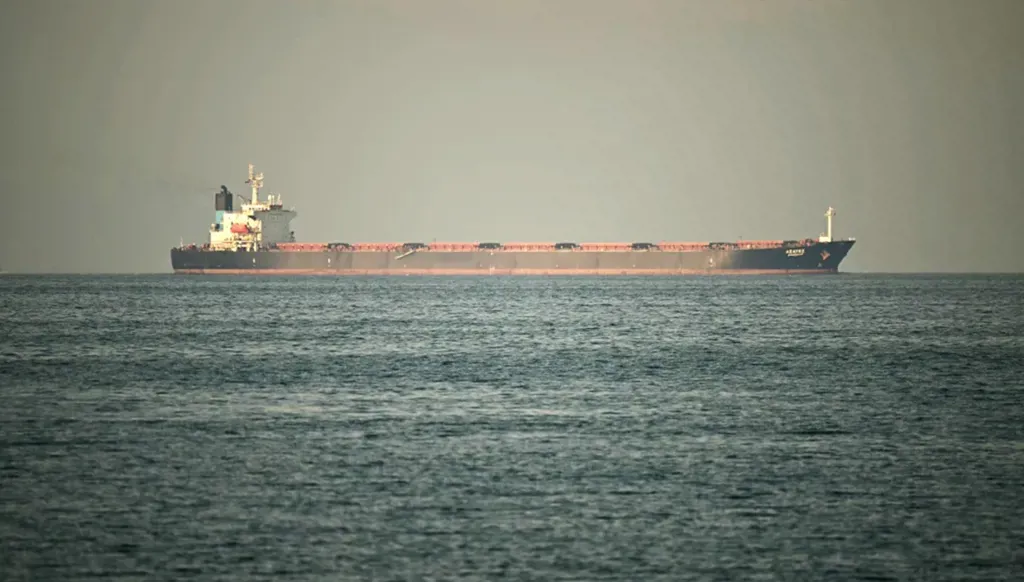

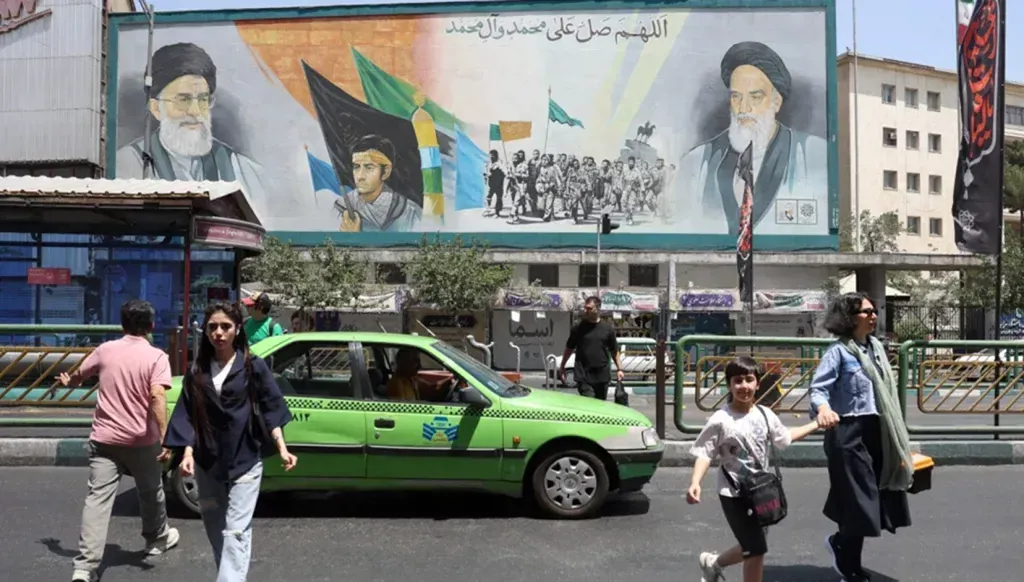


Negotiators from the United States and Iran are scheduled to begin peace talks in Switzerland today, Sunday, while US officials denied Iranian claims that the Strait of Hormuz had been closed.
Iranian state media reported that a large Iranian delegation had arrived in Switzerland to hold peace talks with the United States. Meanwhile, US Vice President JD Vance left Washington to attend meetings that Pakistan said would begin today, Sunday.
Although the United States and Iran had agreed to a 60 day ceasefire while negotiations were underway, Iran’s Revolutionary Guard announced on Saturday that the Strait of Hormuz had been closed. However, the US military stated that commercial vessels continued to pass through the waterway.
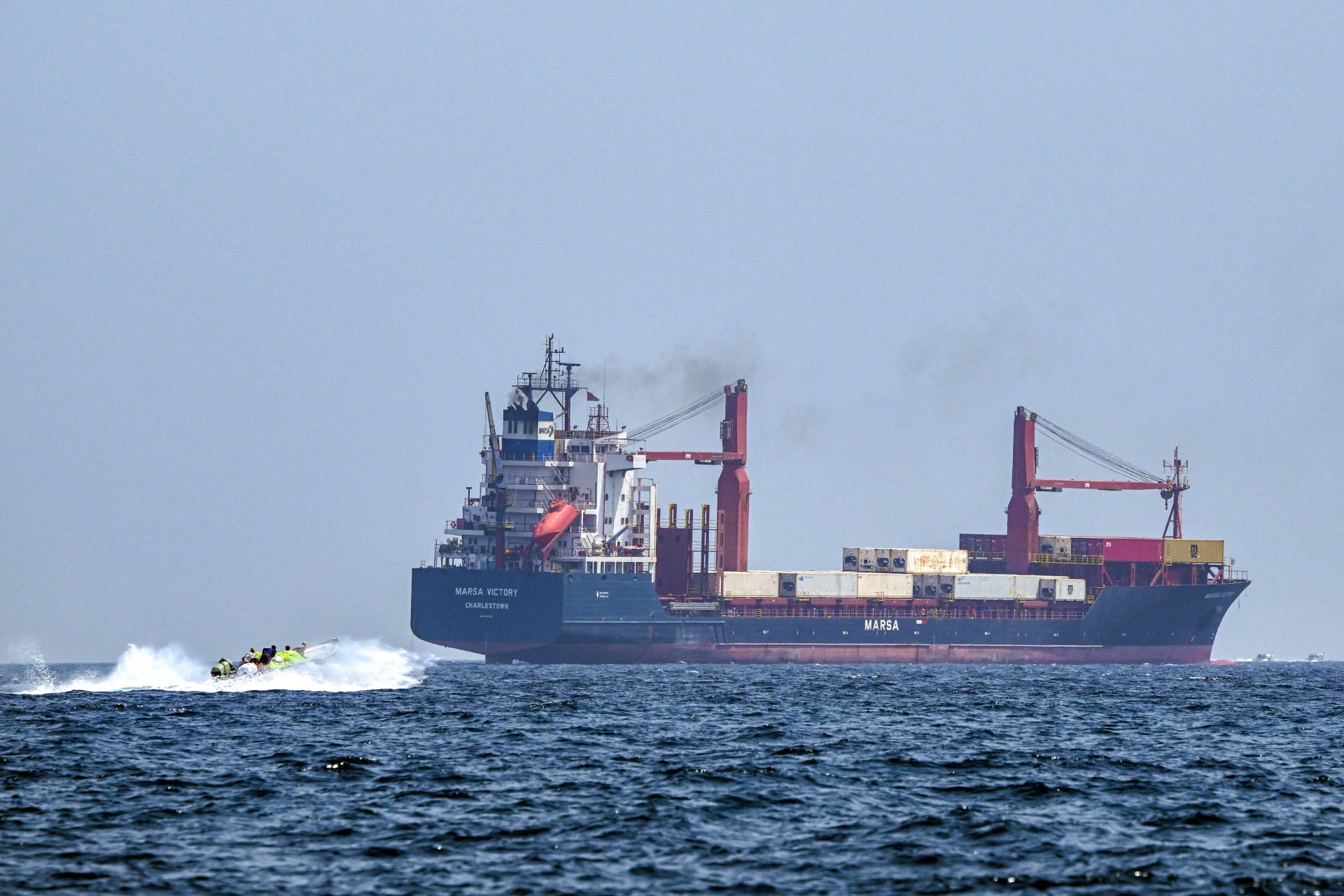
Referring to what it described as Israeli “crimes” in Lebanon that violate US ceasefire commitments, Iran’s Revolutionary Guard warned that ships would be at risk if they approached the Strait of Hormuz, a vital route for global oil and gas supplies. However, the US Central Command stated that “55 commercial vessels transited the strait on Saturday, carrying more than 17 million barrels of oil to global markets.”
The Central Command added that “US forces will ensure the continued flow of commercial shipping.”
In a social media post on Saturday, Trump wrote that “no transit fees will be imposed for passage through the strait during the 60 day ceasefire period or afterward, unless the United States decides to impose fees if the peace talks fail.”
Trump also left open the possibility that the United States could impose transit fees on passage through the Strait of Hormuz “in exchange for the services it provides as the guardian of Middle Eastern nations” if a peace agreement is not reached.
Mohammad Mokhber, an adviser to Iran’s Supreme Leader, Ayatollah Mojtaba Khamenei, accused the United States on X of failing to implement the first provision of its 14-point interim agreement with Iran, which calls for a ceasefire “on all fronts,” including Lebanon.
He said that “as long as the agreement remains nothing more than words on paper, energy flows from the Middle East will remain halted.”
The ceasefire in Lebanon appeared fragile amid ongoing exchanges of attacks between the Israeli army and Hezbollah.
Vance “confident the ceasefire would hold”
Iranian media reported that “the Iranian delegation is headed by chief negotiator Mohammad Bagher Qalibaf and includes Foreign Minister Abbas Araghchi, along with senior officials from the security, central banking, and oil sectors.” In addition to JD Vance, the US negotiating team includes envoys Steve Witkoff and Jared Kushner, Trump’s son in law.
Iranian Foreign Ministry spokesperson Esmail Baghaei said that “Iran will press in Switzerland for commitments to be honored,” pointing to “the other side’s failure to uphold agreements in the past.”
In an interview with Fox News, Vance said that he was “confident the ceasefire would hold” and that he had “seen no evidence that the Strait of Hormuz had been closed.”
JD Vance arrives in Switzerland
US Vice President JD Vance arrived in Switzerland, where a new round of negotiations between the United States and Iran is expected to begin with the aim of ending the war in the Middle East based on the memorandum of understanding signed by the two sides.
According to his spokesperson, Vance’s aircraft landed at Emmen Air Base near Lucerne in central Switzerland at 5:59 a.m. local time (3:59 GMT).
The US vice president had previously said that “the negotiators will likely hold talks lasting several days.”
He added, “I hope we make progress on the nuclear issue, and that we make progress on the ceasefire in Lebanon.”
Emergency session to discuss Lebanon
Meanwhile, CBS reported that “an emergency session to discuss the conflict between Israel and Hezbollah has been added to the agenda of the first day of the peace talks in Switzerland.”
CNN quoted a diplomatic source as saying that “the Lebanon file will be the first topic discussed during the emergency session that was added to the Switzerland talks.”
The negotiations are expected to continue for two months and address issues left unresolved by the initial agreement, particularly Iran’s nuclear program.
Pakistan joins the negotiations
At the same time, Pakistan’s Foreign Ministry announced that “the prime minister and army chief have departed for Switzerland to participate in the negotiations.”
The ministry said Prime Minister Shehbaz Sharif is expected to hold bilateral meetings with participating delegations, stressing that “Islamabad will continue supporting the implementation of the memorandum of understanding between Iran and the United States.”
A ceasefire in Lebanon had been one of the conditions for launching talks between the United States and Iran on Iran’s nuclear program and other issues. However, Lebanon’s Civil Defense said that “20 people were killed in Israeli airstrikes in Lebanon on Saturday, just hours after the ceasefire came into effect there.”
Israel said its strikes were in response to attacks carried out by Hezbollah, while Hezbollah stated that it would not allow Israel “freedom of movement” in Lebanon.
Israel, which is not participating in the talks, says it is not a party to the agreement and will maintain its forces in the Lebanese territory it currently controls.
Israel’s Channel 12 reported that “the prime minister and defense minister instructed the army to observe the ceasefire in Lebanon, but without withdrawing from the areas it has captured.”
An opinion poll conducted by Hebrew University of Jerusalem, the results of which were seen exclusively by Reuters, found that “around 92 percent of Israelis believe Iran benefited more than Israel from the joint Israeli American military campaign, while only about 8 percent believe Israel emerged victorious.”
Nearly 90 percent of Israelis said that “the objectives of the war were not achieved,” while more than 70 percent said they do not believe Prime Minister Benjamin Netanyahu’s claims of major achievements.
Lebanon’s state-run National News Agency reported that “Israeli fighter jets and drones struck targets in southern Lebanon and the Bekaa Valley on Saturday.”
An Israeli military official said that Hezbollah fired more than 50 projectiles at Israeli forces in southern Lebanon overnight, and that Israel subsequently launched attacks on what it described as Hezbollah targets.
A military statement said that “Israel remains committed to the ceasefire but will continue to act against any threat to Israel or its forces.”
Lebanon’s Ministry of Health announced that “4,057 people have been killed in Israeli attacks since March 2, including paramedics, women, and children.”
Israeli authorities say that “at least 32 soldiers and four civilians have been killed in the fighting with Hezbollah.”