

Beirut Port averts potential disaster as leaking flammable containers are safely removed
Four abandoned chemical containers sparked renewed fears at the site of the 2020 explosion before authorities intervened to contain the risk and re-export the hazardous shipment abroad.




 Messenger
 Whatsapp
 Threads
 Email
Email
 Print
Print
 X
X
 Facebook
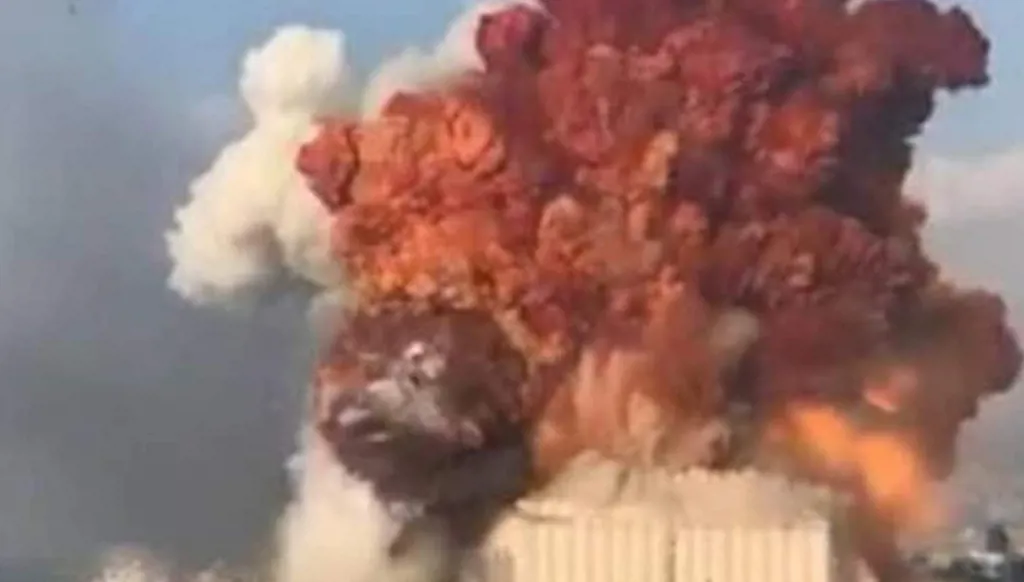


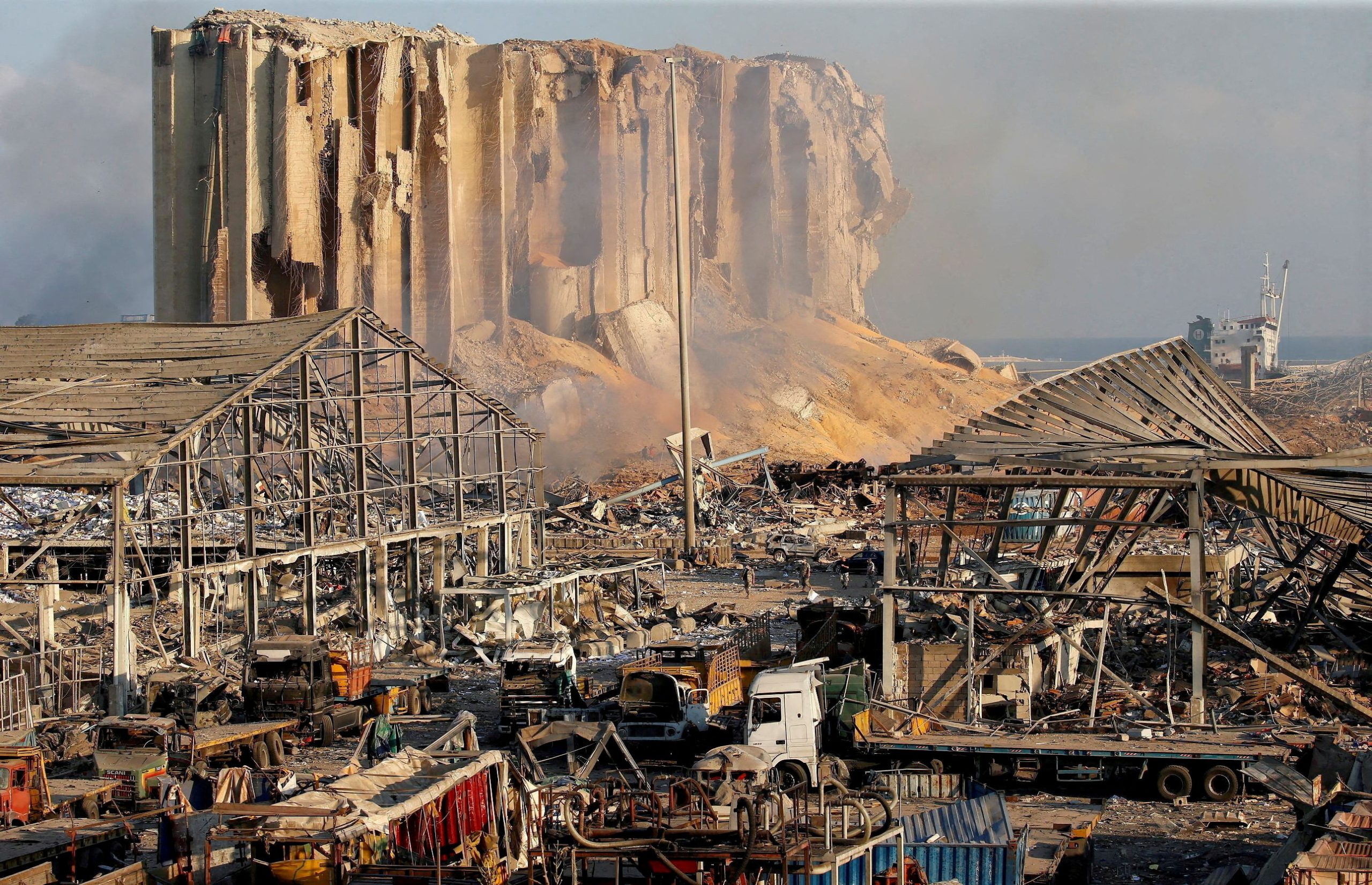
As soon as the Beirut Port is mentioned, the image of August 4, 2020, with all its weight and tragedy, immediately comes to mind. The moment of the explosion tore through the port and its surroundings, reverberating to the heart of the capital and leaving behind one of the most devastating disasters Lebanon—and the world—has witnessed in modern history.
Since that day, the presence of any flammable material at the port has been treated with heightened caution, as even its mere existence in this sensitive area instantly revives memories of one of the capital’s most violent shocks. Against this backdrop, the case of four containers holding highly flammable oil-based materials—typically used in the manufacture of paints and related products—was not treated as an ordinary shipping issue, even though such materials are not uncommon in the industrial sector. The concern was not their presence alone, but their hazardous nature, their prolonged storage at the port since 2024, and the controversy surrounding their non-compliance with specifications and signs of leakage.
The Directorate General of State Security announced that it had prevented a “potential disaster” at the Port of Beirut after successfully evacuating the flammable materials and re-exporting them out of the country. It stated that it had received information from the port administration regarding four containers that had remained on one of the quays since 2024, containing highly flammable, non-compliant oil-based materials. According to the security account, field monitoring revealed leakage and seepage of these substances within the port area, amid the owner’s failure to respond to requests to address the issue, which necessitated urgent judicial and security intervention.
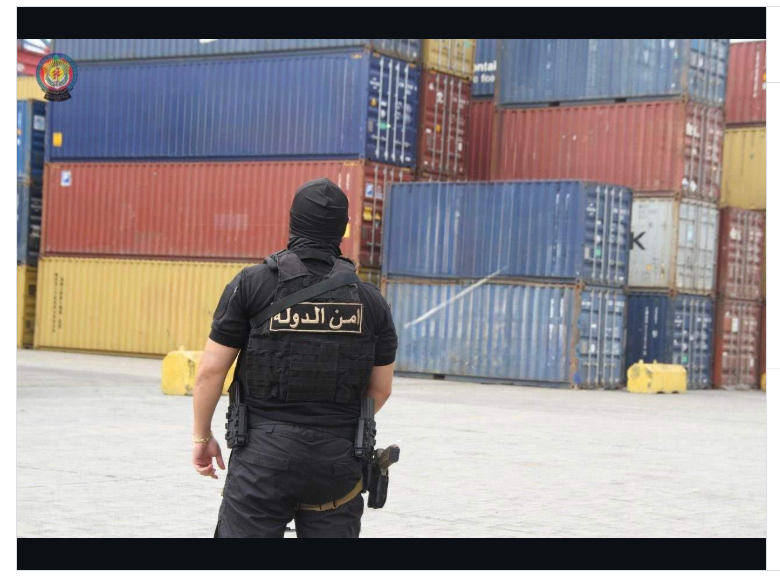
Shipment Stuck Since 2024
Available information indicates that the issue dates back to October 2024, when the shipment entered Lebanon. The materials reportedly belonged to a company operating in the paint industry in the industrial zone of Choueifat. However, customs experts who inspected the shipment determined it was non-compliant with specifications, leading to its seizure and the imposition of a $40,000 fine on the owner. Since then, the containers remained at the port until the case resurfaced in early 2026, when the Beirut Port administration discovered four 20-foot containers on pier number 8 leaking highly flammable materials.
The containers were immediately isolated in a secure area, away from other operational zones, and precautionary measures were taken, alongside contacting the owners to resolve the situation—either by repackaging the materials or removing them from the port. However, the lack of response prompted the port administration to refer the case to State Security, which in turn brought it before the public prosecutor’s office, opening an investigation and summoning the owner of the goods, the customs broker, and a representative of the port administration to determine responsibilities.
Following judicial instructions, the owner of the materials was required to repack them at his own expense in a safe and compliant manner, and to cover the necessary fees for their legal re-export. According to State Security, the operation was successfully completed on June 4, when the four containers were reloaded onto a vessel after being repackaged according to international safety standards, and the ship departed the port to re-export the materials to their origin country.
Naffi: Immediate Isolation
The Chairman and General Manager of the Beirut Port, Marwan Naffi, told Annahar that the port administration dealt with the case immediately upon its discovery, isolating the containers in a separate and secure area and closing off the surrounding zone to prevent any potential danger. He added that leaking liquids were handled in accordance with approved technical procedures.
He explained that the port administration repeatedly contacted the concerned parties, requesting their attendance to address the situation, but they did not respond—likely due to accumulated fees, storage costs, and fines—leaving the shipment unattended. After exhausting its available measures, the administration requested State Security intervention, as it has broader authority in such cases, particularly after coordination with the public prosecutor’s office, which granted a 20-day grace period to resolve the matter.
He noted that the entire process took just under a month and a half, from identifying the containers and determining the nature of the leakage, to isolating them, contacting the concerned parties, and finally repackaging and removing them. He stressed that the leakage did not lead to any dangerous incident, as it was detected early through continuous patrols by the port’s security officer across containers, quays, and yards, and was addressed immediately before it could escalate. He added that such incidents can occur in any port worldwide, emphasizing that the key difference today lies in the strict implementation of safety and security standards, which allows risks to be identified and managed more quickly.
What Does "Non-compliant with Specifications" Mean?
Alongside the security and administrative narrative, industrial sources placed the issue in its technical context. The paint industry, they explained to Annahar, relies heavily on oil-based materials and flammable solvents—known as “solvents”—used to dissolve paint and its components, some of which are highly flammable. Therefore, the presence of such materials in a shipment intended for the paint sector is not unusual in itself.
However, according to the same sources, the core issue does not lie in the nature of the materials alone, but in the reason they were deemed “non-compliant with specifications.” This could refer to defects in packaging, storage conditions, customs declaration, or the technical specifications of the containers themselves, rather than the substance itself.