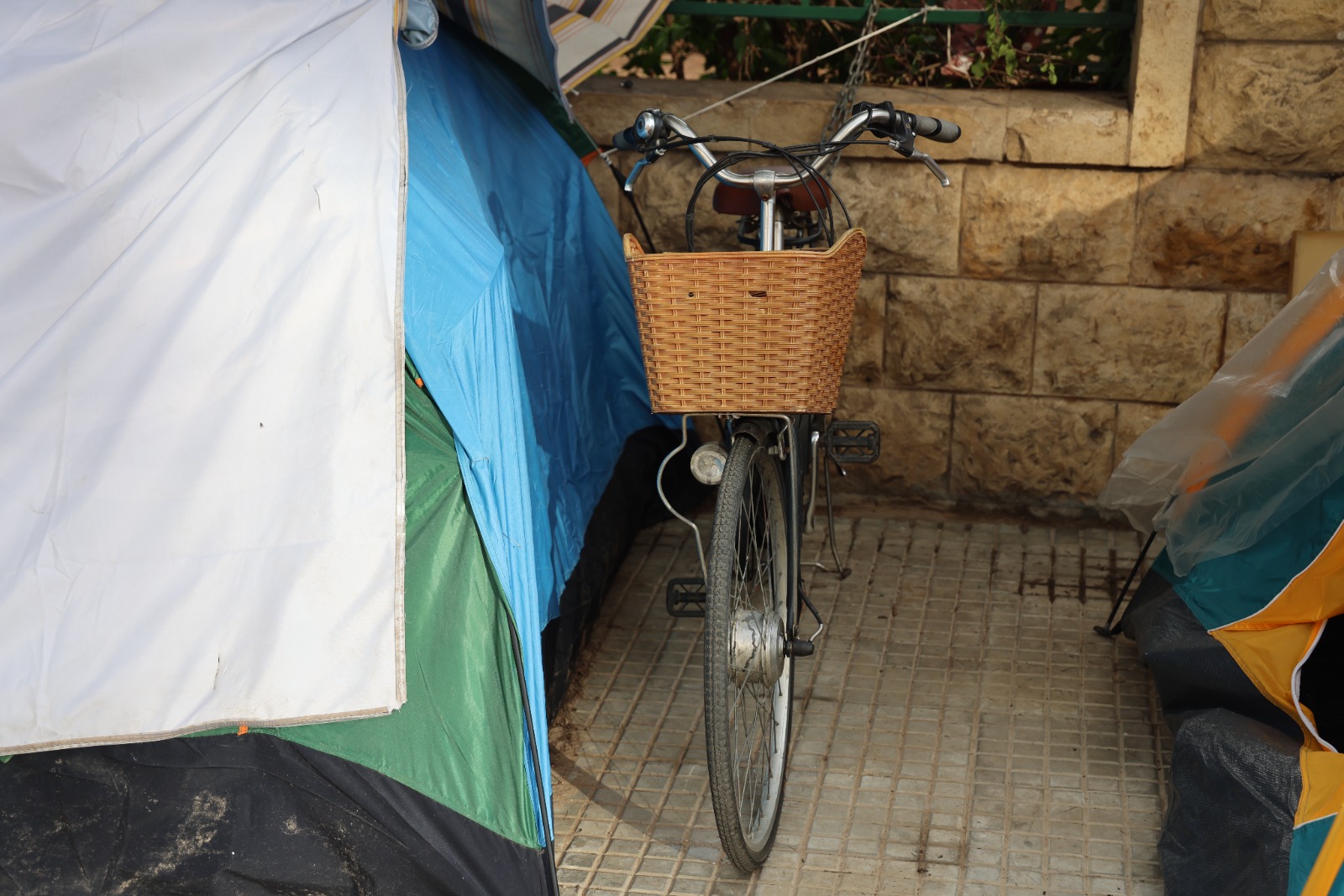
Living in a tent, studying for the future: A Lebanese family's struggle through war and displacement
Forced from their home by war, a mother and daughter in Beirut fight to preserve education, dignity, and hope amid life in a tent.



 Messenger
 Whatsapp
 Threads
 Email
Email
 Print
Print
 X
X
 Facebook
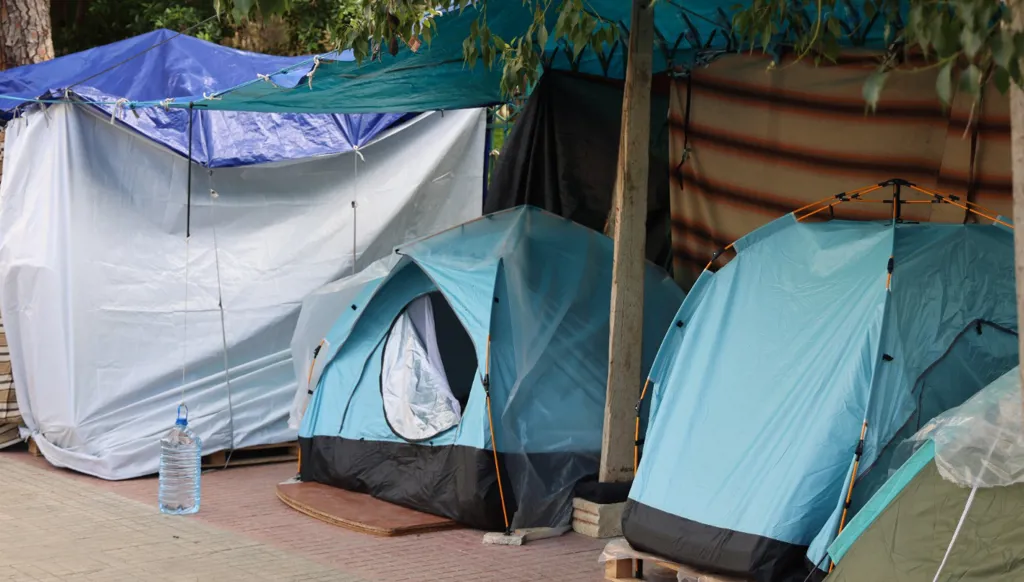


In a narrow tent on the outskirts of Tayouneh, a mother is busy securing water and washing clothes, while her daughter clings to her schoolbook as if it were the last remnant of normal life. With one hand, she resists the hardships of displacement, and with the other, she refuses to abandon her education. Together, their stories intersect, reflecting how war forces entire families to live on the edge of endurance.
"We didn't leave the place... We left the life we know"
Abir Al-Saghir, 46, a mother of four, fled with her family on the third day of the war from their home in Chiyah–Al-Masbagha to a tent opposite Beirut's forest. Rather than seeking refuge in shelters, she chose to remain close to her home despite the danger.
Abir told Annahar: "We now carry our home in a tent; our entire life is here. Yet I go to the house every day to wash the children's clothes and take care of their hygiene, so they don't feel that everything has collapsed."
When war forces people to the unbearable
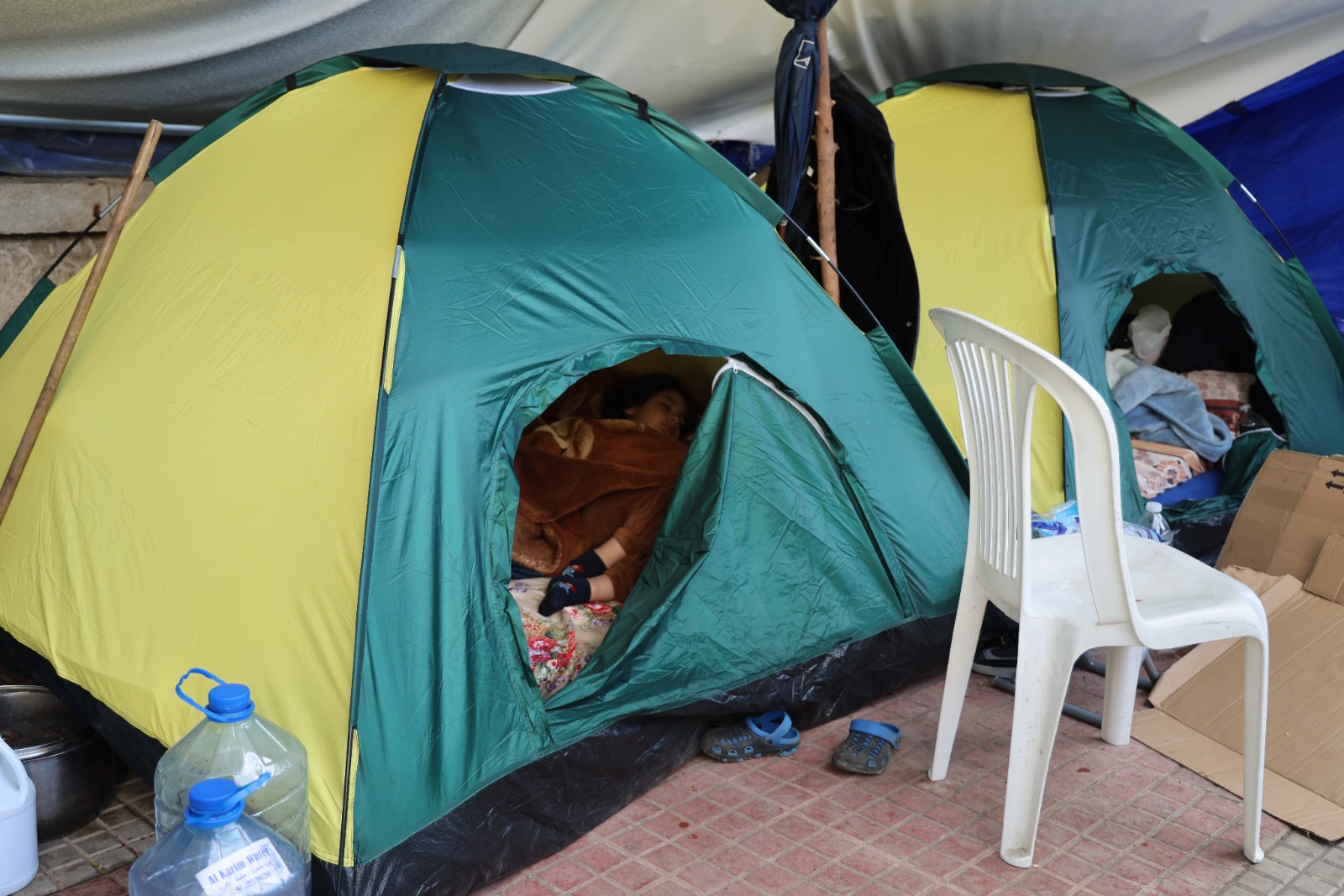
Inside the tent, life has been reduced to its bare essentials. The family relies on individual initiatives to secure food and water, while weak internet connectivity creates an additional obstacle to the children's education.
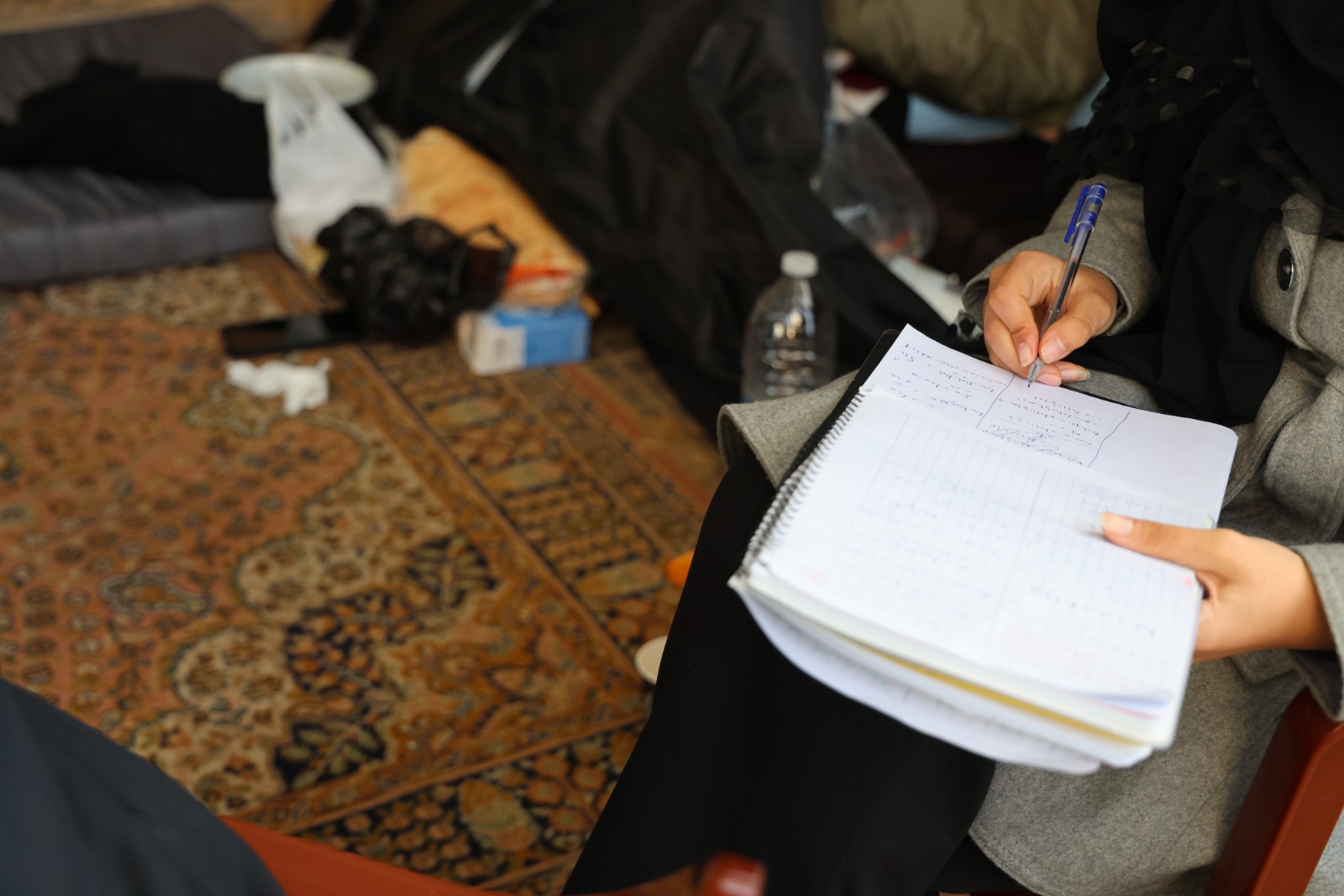
Despite these challenges, Abir dedicates time each day to studying with her eldest daughter, who is preparing for her high school exams while her academic future remains uncertain amid discussions of postponement or cancellation. Together, they review lessons, trying, if only for a few hours, to escape the reality of war and displacement.
Abir told Annahar: "I want her to continue... maybe this is the only thing that's still normal in her life."
Yet the demands of daily life leave little room for that sense of normality.
Describing life in the tent, she says with bitter sarcasm: "In winter we were drowning, and now in summer we're almost burning. That's our life in the tent."
Nighttime brings further hardship, as the family must use the bathroom in the nearby park, a daily reminder of the harsh realities of displacement.
"I Lived through the War... and My Children Continue It"
Abir sums up her pain in a single sentence: "I was born and lived through war, and today my children are living it."
Even so, she continues to protect what she can: her children's education and the continuity of their lives, even within the confines of a tent.
Abir's story is not unique. Rather, it is a powerful reflection of the many families forced to adapt to a reality they did not choose, one in which war imposes harsh choices and transforms even the most basic rights into a daily struggle.