

“Like fish out of water”: A Lebanese woman’s three-year journey of displacement and hope
Forced from her southern border village by war, S.M. has moved nine times across Lebanon while holding onto one dream: returning home.




 Messenger
 Whatsapp
 Threads
 Email
Email
 Print
Print
 X
X
 Facebook
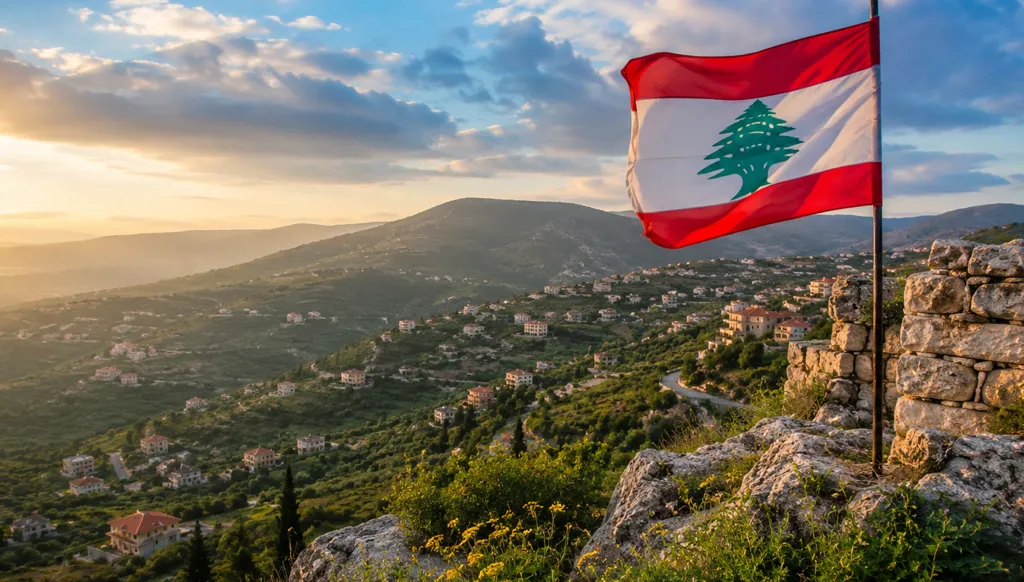


For some, displacement began on March 2. However, the reality is that many have remained displaced since the October 2023 “Support Gaza” war, unable to return to the border villages of southern Lebanon.
Speaking to Annahar, S.M. recalls her life before the war as “very ordinary and peaceful,” with people going to work, students attending school, and neighbors gathering for simple, pleasant evenings. Summing up her nostalgia in a few words, she says: “I miss everything, my home and my land.”
Three years ago, she was displaced from her border village. Recalling the moment she decided to leave, she explains: “At the start of the support war, we stayed in the village for about a month. But the situation became increasingly dangerous when a shell struck our village, killing a woman and her child. That was when we decided to leave for good, believing it was better to leave before something worse happened.”
She describes the final hours before departure as among the most difficult moments of her life: “I don’t know how to describe that moment. You close the door of your house thinking you’ll return soon, not knowing that the absence will be long.”
“We Roved Across Lebanon”
Over the past three years, S.M. has moved around nine times, having “roved across Lebanon,” as she describes it.
Asked about her feelings during these repeated moves, she says: “What can I say? We always lived in constant readiness to leave. There was never any real stability. At every moment, there was always a bag packed and ready. Moving between shelters and rented homes was difficult. Our belongings were simple and limited to some clothes and essential items we could not do without.”
She adds that moving from one place to another was exhausting not only physically but also psychologically, as she had to adapt each time to new places, people, environments, and customs.
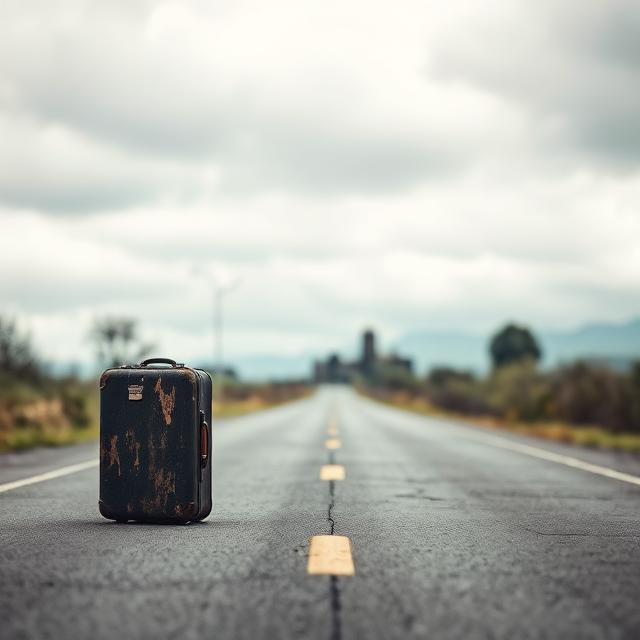
She believes the experience has left a deep mark on her: “It is not just a passing period of time; it is a miserable life. I don’t know what tomorrow holds. Will I return and find my home, or will it have been demolished?”
S.M. does not hide her longing for her home and her former life: “Where we were and where we have become…” Yet she clings to hope like a mother holding her baby close, convinced that she will return, much like Jacob’s faith in the return of his son Joseph after years of separation.
She has already made plans for when the war ends and she can return to her village: “Of course, the house will be destroyed because we are from a border area. The first thing we will do is find a temporary place to stay until we can rebuild our homes and return to our village as it once was.”
She concludes: “We are like fish out of water. We cannot live away from our village in the south.”