

Iran’s quiet revolution: How women are reshaping public life beyond the mandatory hijab
From Tehran to Isfahan, growing freedom in dress and public spaces is transforming daily life and challenging Iran’s social norms.



 Messenger
 Whatsapp
 Threads
 Email
Email
 Print
Print
 X
X
 Facebook
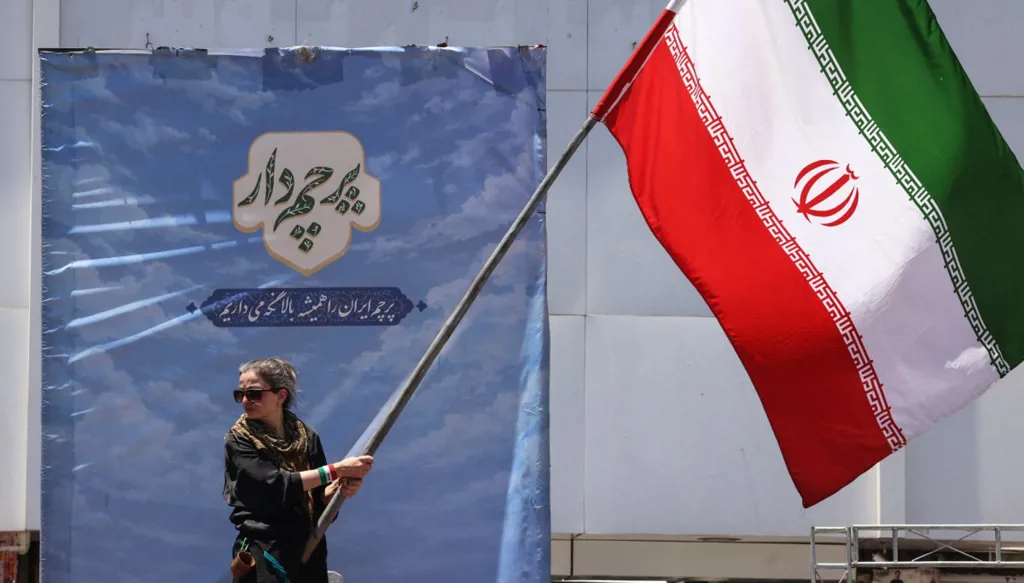


Anyone who is not Iranian and spends time these days in major Iranian cities such as Tehran, Isfahan, Mashhad, Karaj, and Shiraz will notice a reality that differs not only from what existed a few years ago, but also from the traditional image of Iran that remains ingrained in many minds. Signs of social freedoms, particularly regarding women’s clothing and their presence in public spaces, have become more visible and widespread, raising questions about the significance of these changes and whether they will continue in the future.
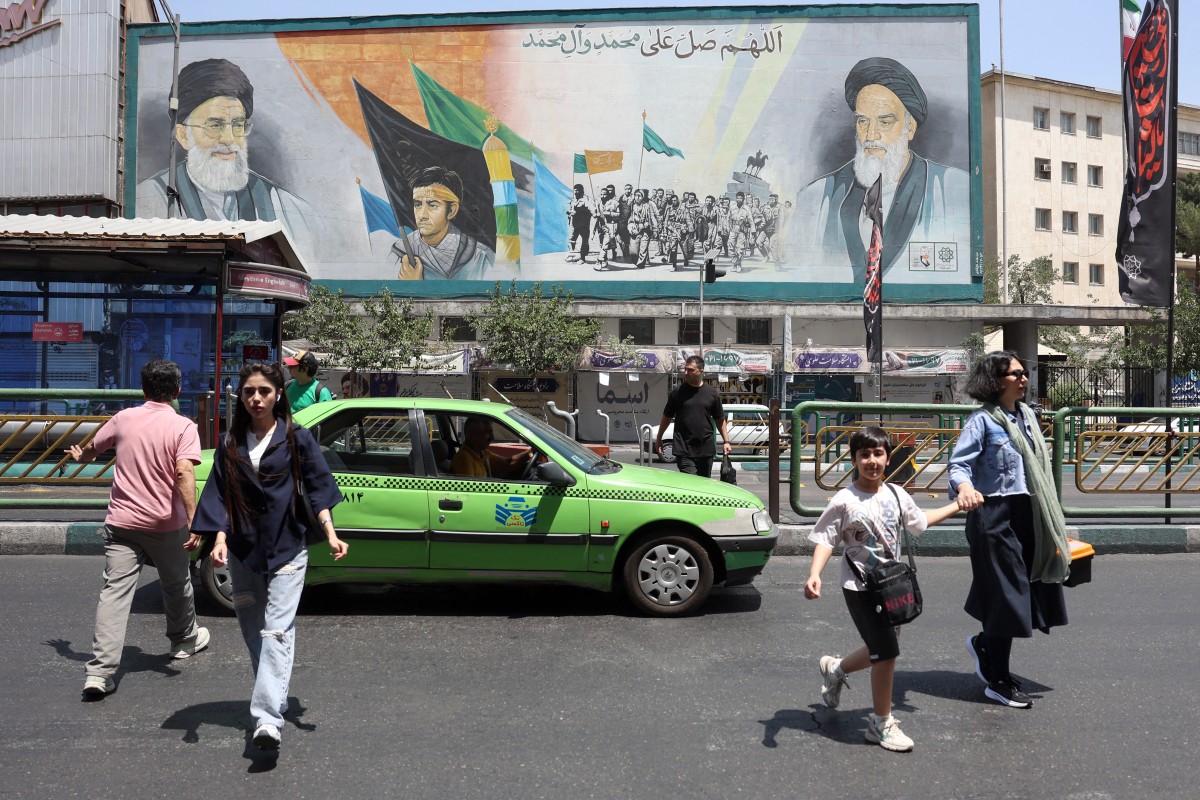
Expanding Freedom in Daily Life
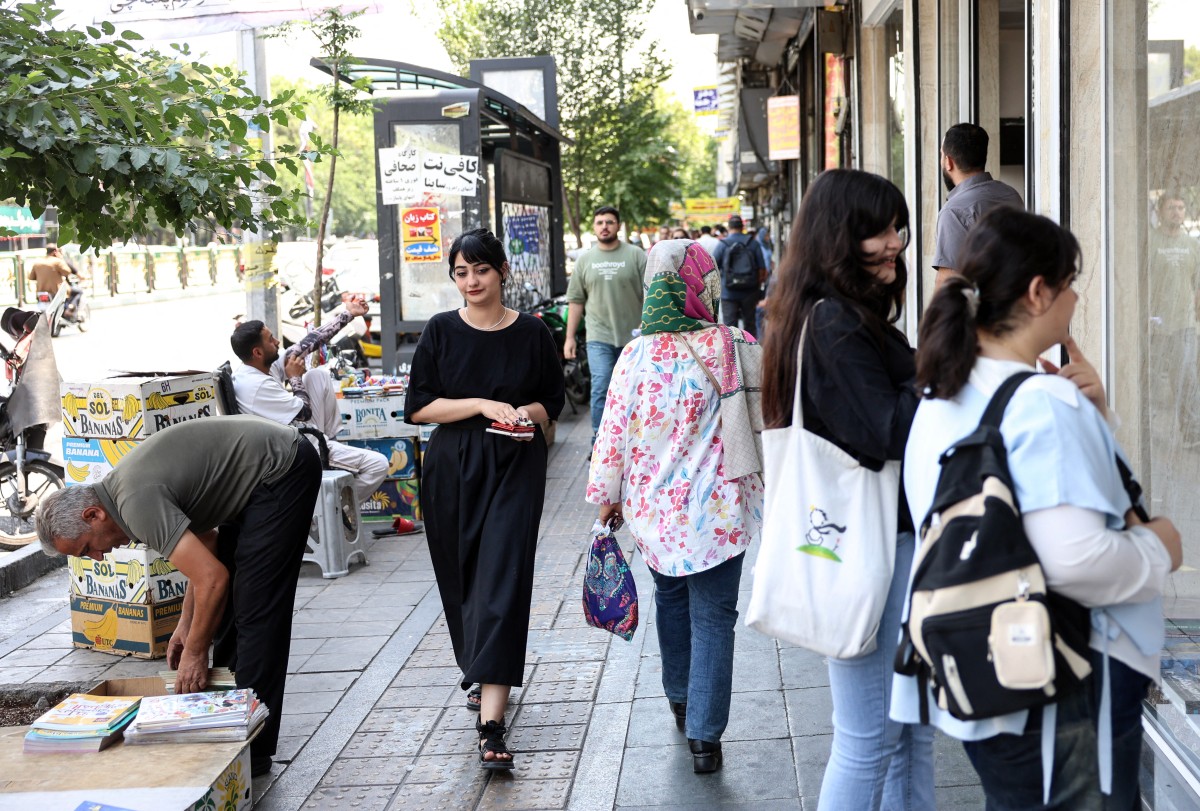
The clearest expression of this reality can be seen every day in streets, shopping centers, and markets, where women and girls walk without compulsory hijab, wear clothing of their own choosing, drive cars, and frequent cafes, restaurants, and parks in large numbers. Many also ride motorcycles in city centers and around markets.
In Tehran’s famous northern mountain areas—Darband, Darakeh, and Tochal—which are popular tourist destinations, large numbers of women and girls gather on Thursdays and Fridays for hiking and mountain climbing, most dressed in comfortable clothing suitable for warm weather and outdoor activities.
In recent months, Iranian women have also stopped adhering to compulsory hijab when visiting some government offices and banks, with the exception of institutions such as police stations, courts, and universities, which still require head coverings for entry.
Girls who welcome this atmosphere of social freedom and optional dress have quietly and consciously expanded the boundaries of clothing freedom. Through social media, they share their experiences as part of this peaceful civil movement, informing others that they have gone out wearing short dresses, skirts, or short-sleeved summer clothing without encountering any problems.
Over the past several months, the sensitivity of traditional groups that once strongly advocated mandatory hijab in public places has diminished. Freedom of dress has become more socially accepted, and tensions arising from advising or criticizing unveiled women have declined.
As temperatures rise, the way Iranians dress has become increasingly liberal and more distant from the official standards of the Islamic Republic. This freedom is especially visible at cultural and artistic events and on well-known streets filled with cafes, such as Iran Street in Tehran and the Jolfa district in Isfahan, where the atmosphere resembles that of modern Western cities.
The War Enhanced the Phenomenon
Freedom of dress gained even greater visibility during the recent months marked by war with the United States and Israel. At nighttime gatherings organized by regime supporters in major public squares, unveiled girls and women appeared alongside women wearing chadors, waving Iranian flags while presenting a distinctly different appearance.
Photographers and reporters interviewed many of them and shared the conversations on social media. Among the most notable were the interviews conducted by Javad Shamaqdari, who almost daily spoke with dozens of unveiled young women expressing support for the Iranian armed forces.
Public support for these women became so strong that when the Friday Prayer Imam in Rasht criticized unveiled women about a month ago, he faced widespread public backlash. He later retracted his remarks, saying that he “kisses the ground beneath the feet of the unveiled women defending Iran.”
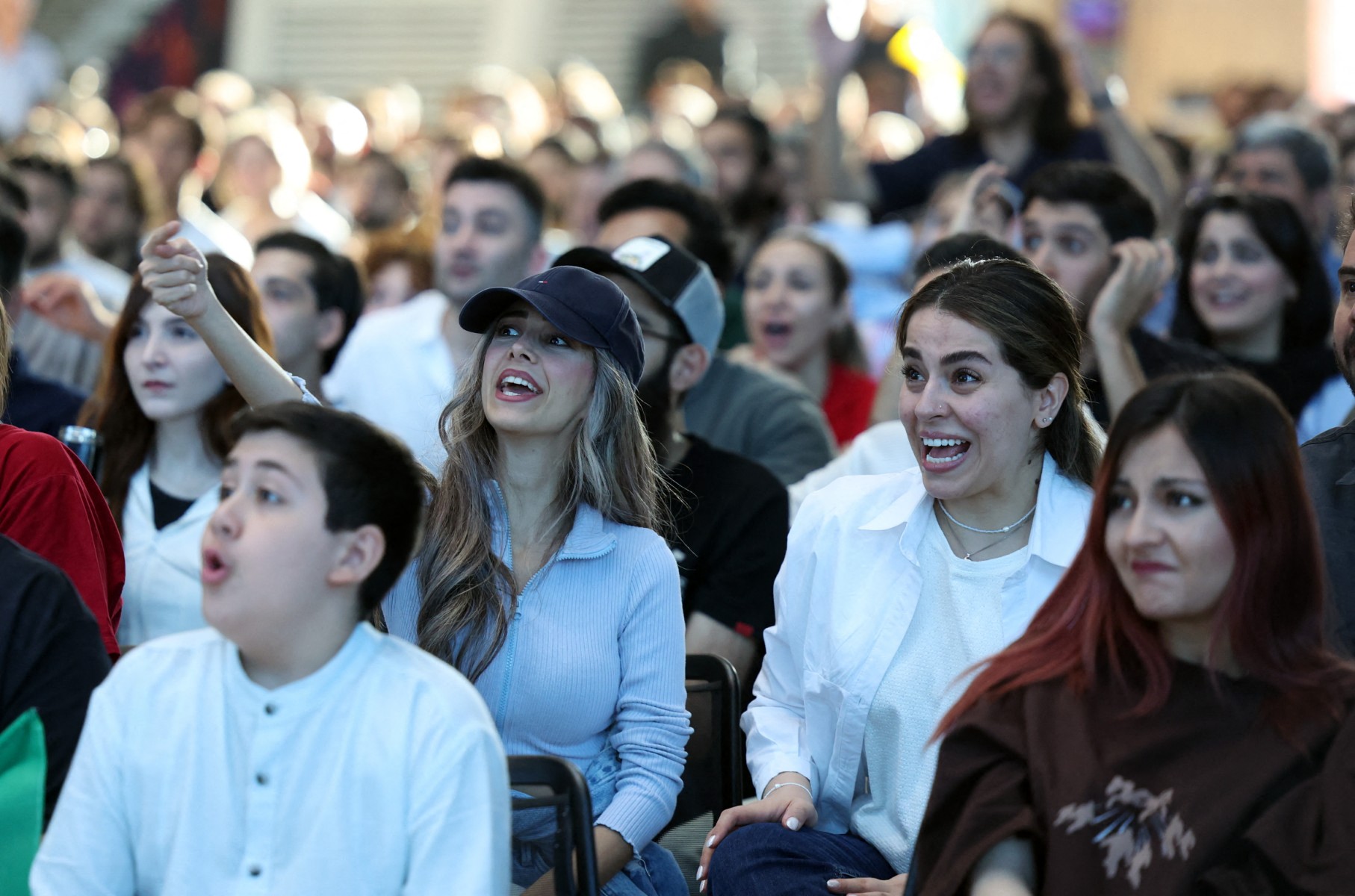
When World Cup matches began, with Iran among the participating teams, cafes filled late into the night with young women and men watching the games, with almost none of the women wearing hijab.
How Long Will This Last?
The central question remains: Will this situation continue, or will conservatism return once political conditions stabilize after the war?
In response, it can be argued that, given the civil resistance demonstrated by Iranian society, particularly women and girls, in recent years, the authorities are unlikely to be able to restore conditions in streets and public spaces to what they were before.
At the same time, it is also unlikely that the Islamic Republic will formally recognize freedom of hijab through new laws or regulations. Instead, it may continue to require hijab in official media, state institutions, and government agencies while tolerating freedom of dress in public spaces.
As is often the case, the situation is likely to vary from one city and region to another, depending on cultural, economic, and social conditions. Some hardliners in cities farther from the capital may attempt to impose limited restrictions. However, any move against optional hijab is likely to face rapid and widespread opposition due to the strong influence of social media.
What appears clear is that Iranian women are not willing to easily surrender the social freedoms they have gained.
Some social analysts and sociologists argue that the most significant social movement in Iran over the past half-century, and the one that achieved the greatest success at the lowest cost while compelling the authorities to retreat and accept its demands, is the movement led by Iranian women and girls to secure freedom of dress.