

Lebanon’s lost normalcy: A student’s life between war, displacement, and exams
At 21, Aya Hamiya has lived through repeated evacuations, surgery, and studies under airstrikes, where university exams compete with survival itself.



 Messenger
 Whatsapp
 Threads
 Email
Email
 Print
Print
 X
X
 Facebook
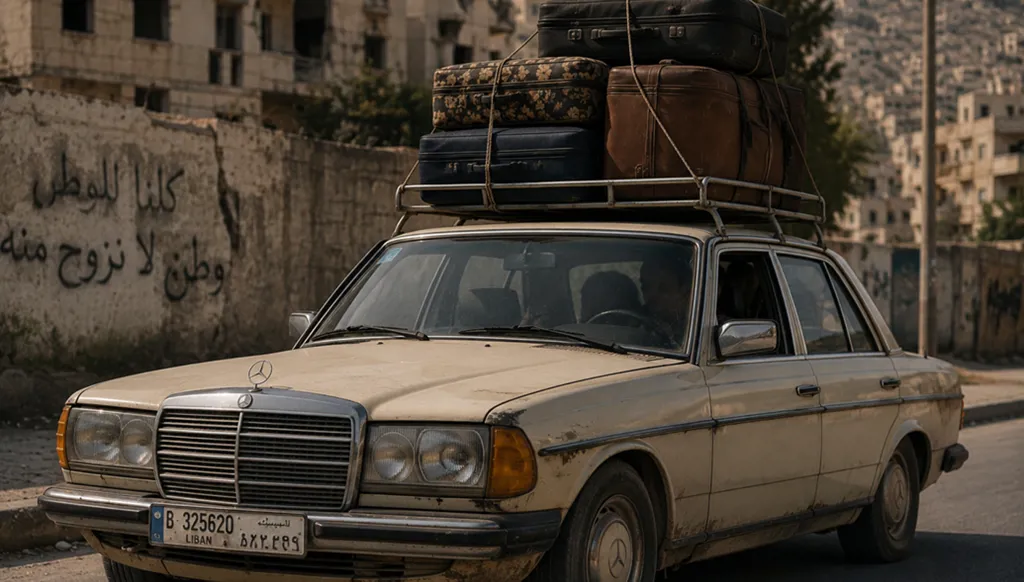


Despite their young age, children and students in Lebanon have lived through multiple wars, experiencing fear they should never have known and learning terms that have become part of their daily vocabulary: displacement, evacuation, airstrike, drones… Words that were never meant to be part of a student’s everyday life.
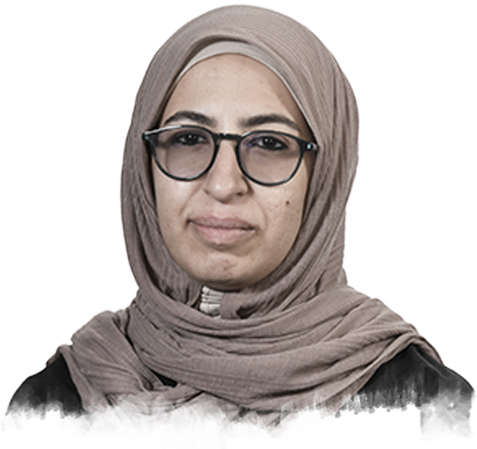
I ask Aya Hamiya (21 years old – media student) about her experience with war, and she asks whether I mean the war of 2024 or the war of March 2. This reflects how memories of fear, though rooted in the past, remain vivid and easily recalled.
The First Escape
Hamiya tells Annahar: “On Tuesday, September 27, 2024, the family gathered because of the situation in the south and the Bekaa, where some of our relatives had arrived after a night of shelling. We were drinking coffee when we suddenly heard very loud explosions in the southern suburbs of Beirut, and we felt the house might collapse on us.
Panic spread, and my sister, who has Rett syndrome, was unable to move, so my mother carried her. We were running inside the house; the shelling spared nothing. That was our first shock with the war. We quickly packed our things and left. When we arrived in Chouf, the place felt cramped despite its spaciousness, and we felt alienated.”
She adds: “Later, we thought the war was over and returned to our normal lives. I went back to school happy about the upcoming ‘terminal’ exam and preparing for university.
But a hip health crisis began just two weeks later, ending with two surgeries and the installation of a metal plate, which temporarily took away my ability to walk. Nevertheless, I continued treatment, then returned shortly before the exam, studied very little, and took the exam in a wheelchair, achieving a result that was one of the happiest moments of my life. I gradually began to recover and walk with the help of crutches, before starting university and entering a period of relative stability that did not last long.”
The Second Escape
Aya recounts the details of the second escape during the Israeli war on Lebanon, which began on March 2: “I was sleeping while my mother, uncle, and sister were having coffee as usual. Suddenly we heard loud explosions, and we all felt afraid. Members of my uncle’s family arrived, screaming, and panic was clear on their faces. We tried to calm everyone down, then gathered only two small bags with the most important things and left for a place farther from the suburbs.”
She adds: “There were 14 people inside the car, including children and adults, and I still don’t know how the car accommodated that number. We headed to a school and felt like history was repeating itself. We slept and ate there, then returned home to shower and wash clothes.
Later, we had to leave again because my sister needed a medical device that runs on electricity 24 hours a day, while electricity at the school was limited. Just a week later, a new evacuation warning was issued in the suburbs, so we left again to Chouf.”
University Exams
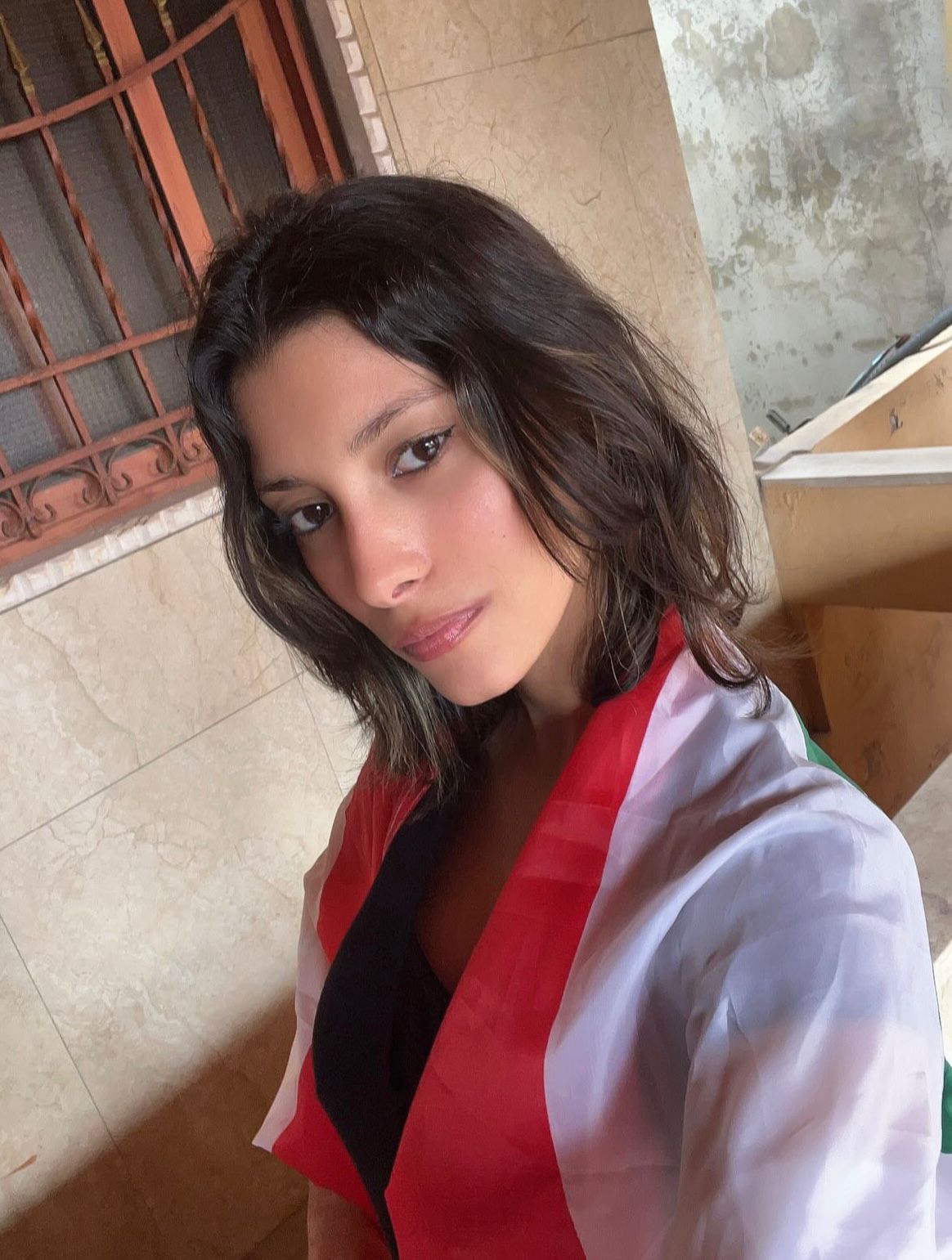
After Chouf, Hamiya returned to the suburbs due to the approaching university exam dates, but the focus, as she says, was “zero.”
She adds: “I tried to study as much as possible so I wouldn’t feel I had given up or didn’t do my best. The pressure was enormous, and the responsibility grew with every exam day and every lecture. I didn’t know where to focus: on my studies, on the news, or on the safety of those around me, but I tried to succeed to give my family a glimpse of hope amid this darkness.”
Hamiya concludes: “We wait at any moment for an evacuation warning to pack our things and go to an unknown place… as if life itself is absent. We live in present bodies, but our spirits are exhausted.”