




 Messenger
 Whatsapp
 Threads
 Email
Email
 Print
Print
 X
X
 Facebook
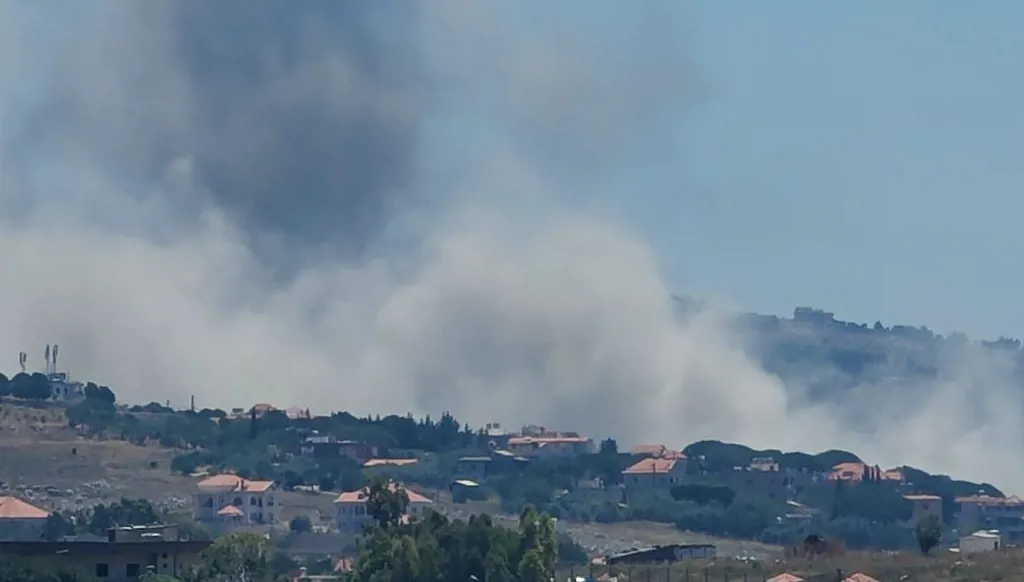


Reuters reported, citing an American official, that Israel and Hezbollah have reached a ceasefire agreement that went into effect at 4 PM Beirut time.
This follows a bloody day marked by significant escalation on the Lebanese front and dozens of casualties.
The agency added that both sides agreed to the ceasefire, which takes effect in minutes, aiming to contain the escalation that erupted after four Israeli soldiers were killed in southern Lebanon, followed by intense Israeli airstrikes on southern and Bekaa regions.
The announcement comes after intense American diplomatic pressure to maintain recent regional understandings between Washington and Tehran, which included halting fighting across various fronts, including the Lebanese theater.
The recent confrontations had delayed a scheduled round of American-Iranian talks in Switzerland, amid Iranian demands for a comprehensive ceasefire in Lebanon before resuming negotiations.
In recent hours, southern Lebanon and Bekaa witnessed the fiercest wave of raids in weeks. Israeli Prime Minister Benjamin Netanyahu vowed Hezbollah a "heavy price," while Lebanese President Joseph Aoun stated that a comprehensive ceasefire is essential to addressing outstanding issues, primarily Israeli withdrawal and Lebanese army deployment.
President Aoun: Ceasefire First
Amid the escalation, Lebanese President Joseph Aoun condemned ongoing Israeli raids on the south and Bekaa, considering the expanding scope of targeting and increasing casualties a threat to efforts aimed at stabilizing the ceasefire and ending the war.
Aoun asserted that the current situation "will not deter from completing a comprehensive ceasefire as soon as possible," emphasizing that the comprehensive ceasefire is crucial for discussing other issues, notably Israeli withdrawal, Lebanese army deployment, and the return of prisoners. He also advised the negotiating Lebanese delegation in the upcoming Washington round to adhere to this stance.
Netanyahu and Katz recommit to Israeli presence in "security zone"
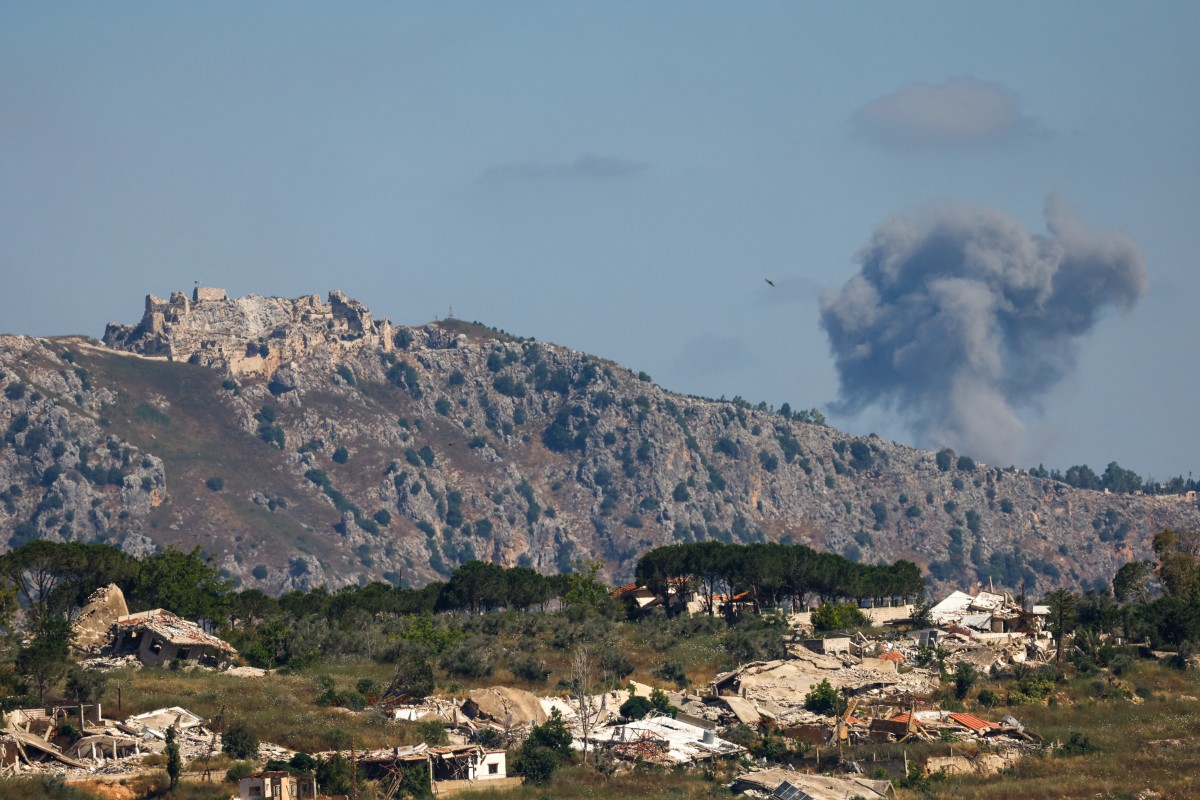
Meanwhile, Netanyahu insisted that Israel will not tolerate any attacks targeting its soldiers or territory, affirming that the army will continue its operations against Hezbollah and remain in what Israel calls the "security zone" in southern Lebanon as long as necessary. Israeli Defense Minister Israel Katz also announced the continuation of Israeli forces' deployment from the Lebanese coast to the heights of the Shaqif fortress.
American Messages to Iran
In a significant development, CNN reported, citing informed sources, that the United States informed Iran that Israel will not escalate its attacks in Lebanon and also informed it that Israel previously agreed to overlook some breaches related to the ceasefire.
The sources added that Washington considers the ball is now in Hezbollah's court to halt its attacks, as part of efforts to prevent the expansion of confrontations and keep recent regional understandings alive.
Threats to Target Dahieh
Simultaneously, the Hebrew site Walla revealed intensive consultations held in the morning within the Israeli security establishment regarding the nature of the response to Hezbollah, including the possibility of extensive strikes on Beirut's southern suburb, Dahiyeh, or expanding ground operations in southern Lebanon.
The report pointed to internal discussions about the required level of escalation following Israeli army losses.
Siniora: Syrian Intervention a "Grave Mistake"
Politically, former Lebanese Prime Minister Fouad Siniora rejected any proposal involving Syrian military intervention in Lebanon, describing the idea as a "grave mistake" that would open the door to extensive internal political conflict and increase the complexity of the Lebanese and regional scene.
Siniora urged the United States to support the Lebanese state and its legitimate institutions and the Lebanese army, instead of proposing external military options.
Fierces Wave of Raids on South and Bekaa
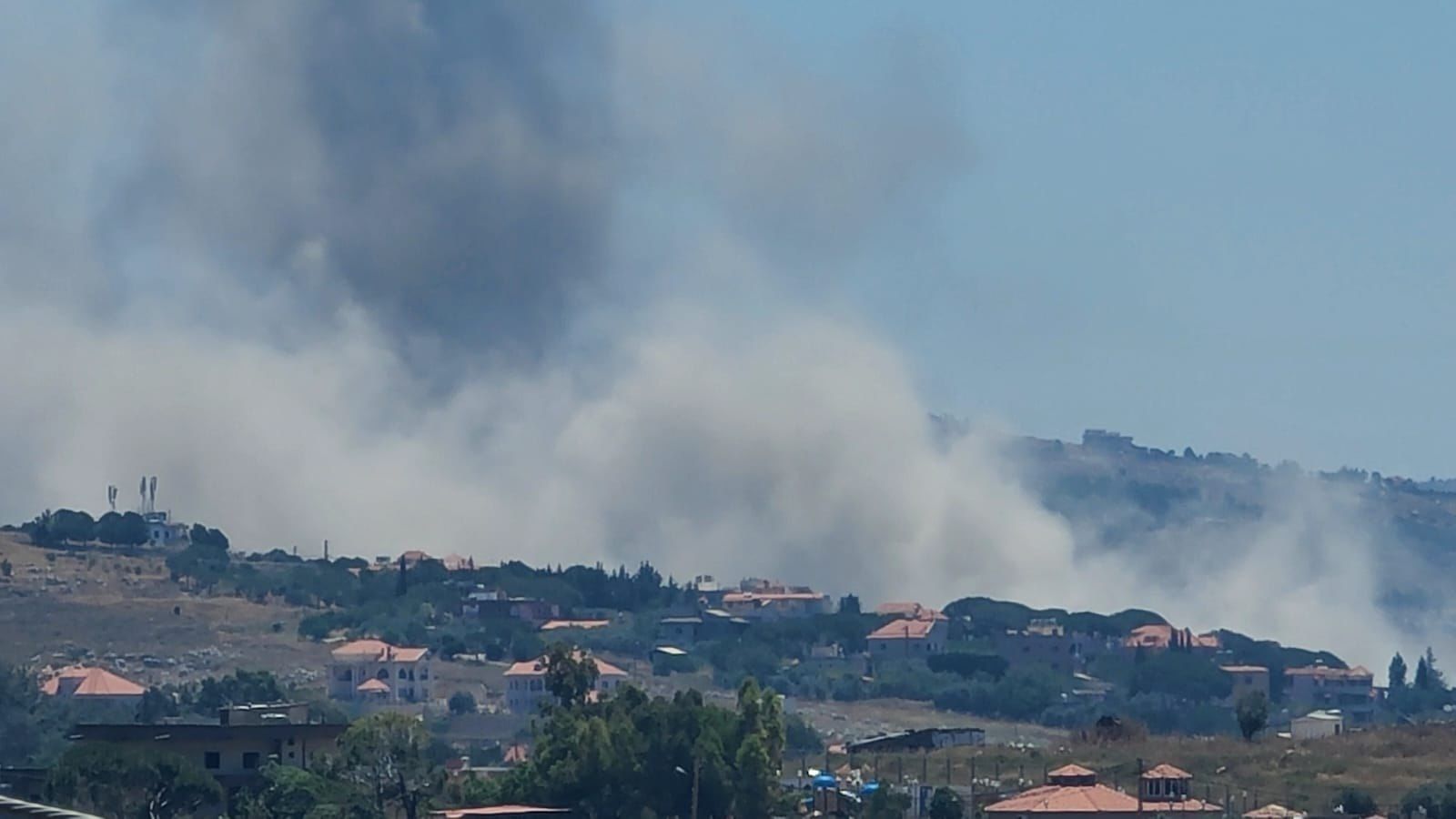
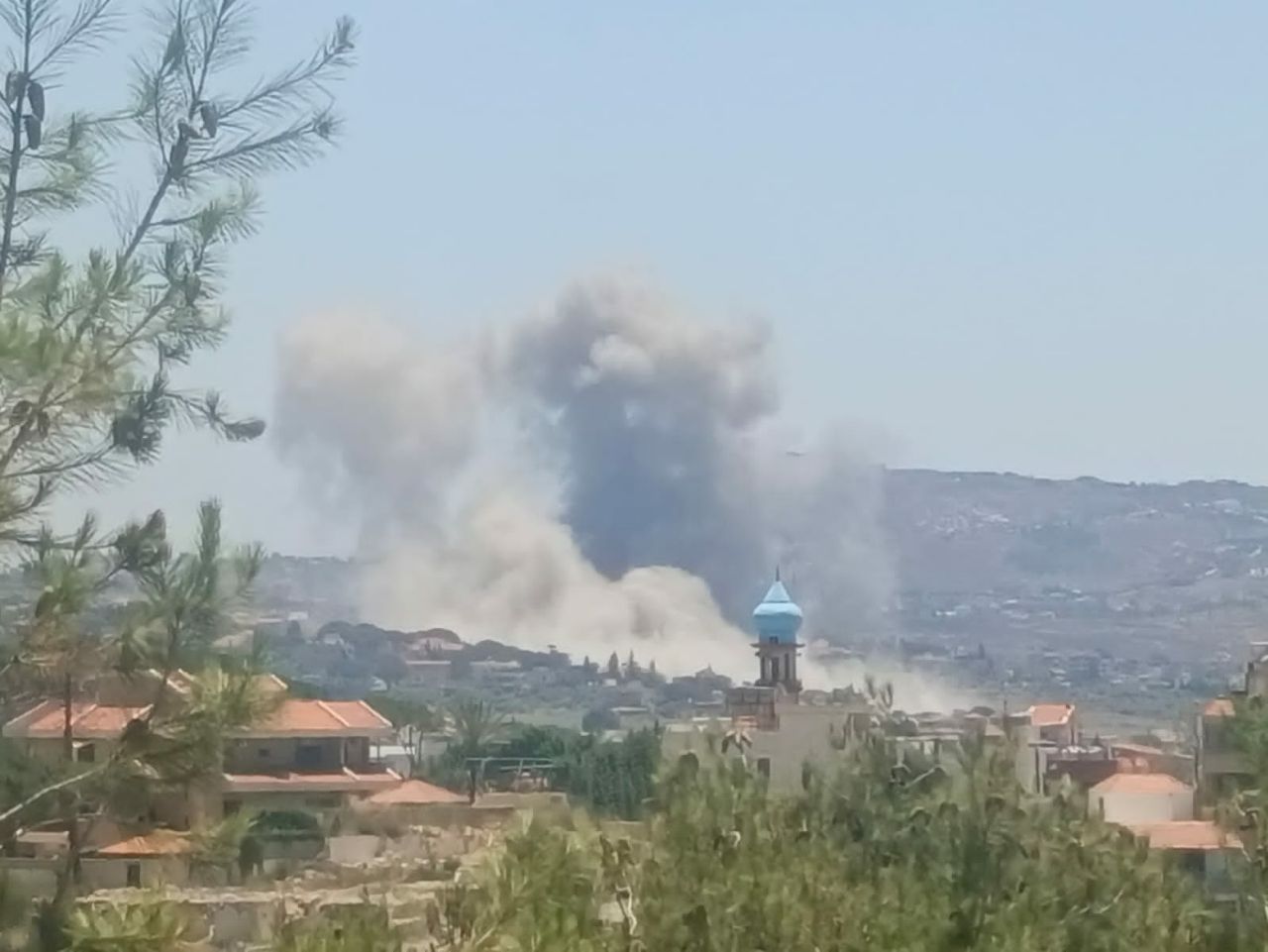
On the field, the south and Bekaa witnessed one of the fiercest bombing waves in weeks, with Israeli airstrikes targeting towns like Nabatieh, Al-Dwair, Al-Sharqiyah, Kafr Sir, Deir Al-Zahrani, Al-Rayhan, Sid, Al-Qatarani, and several villages in Iqlim Al-Tuffah and Jezzine, alongside raids on Baalbek and western Bekaa.
The Lebanese Ministry of Health announced 18 deaths and 33 injuries as an initial toll from the airstrikes.
Mass Displacement Movements
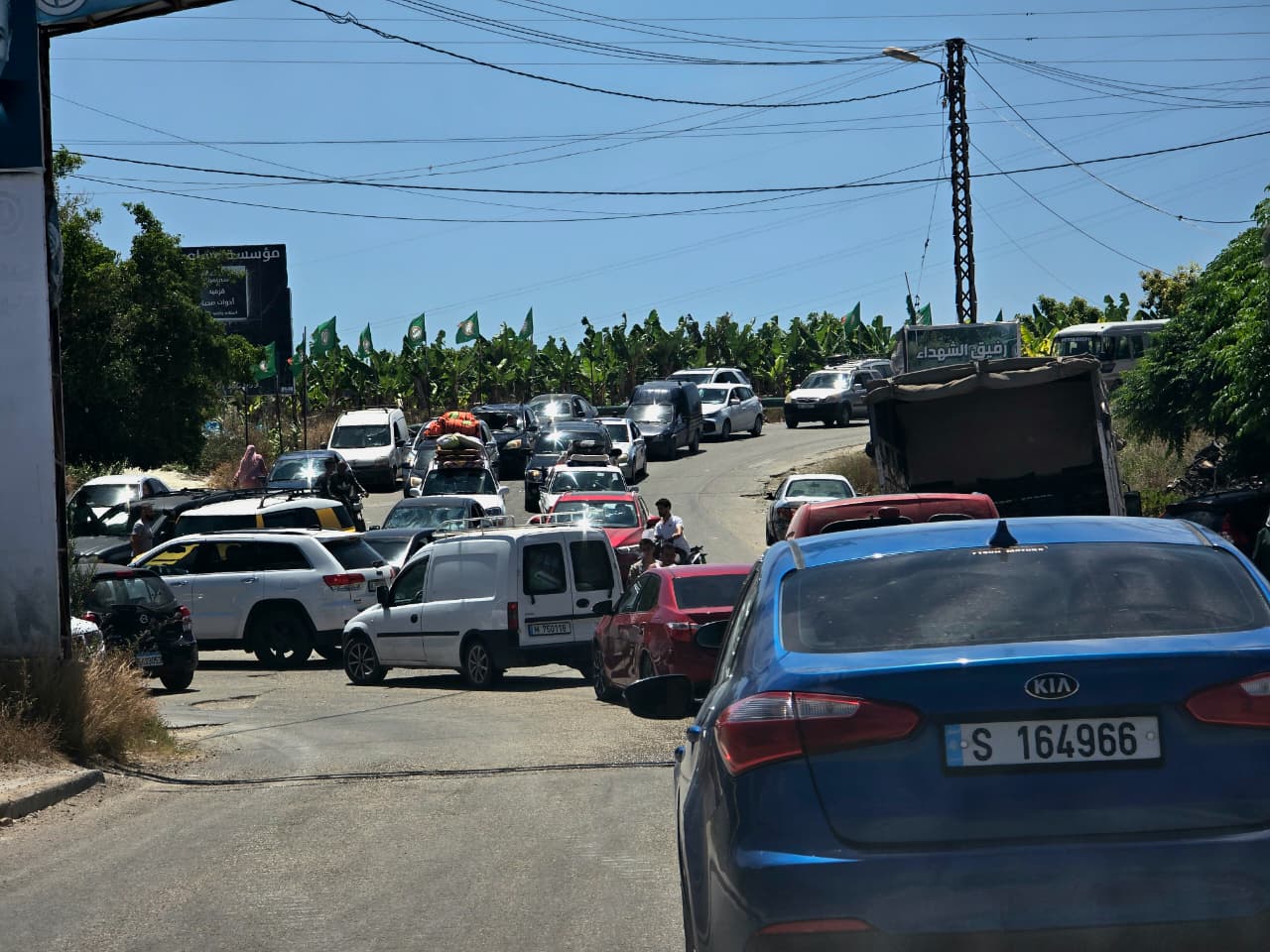
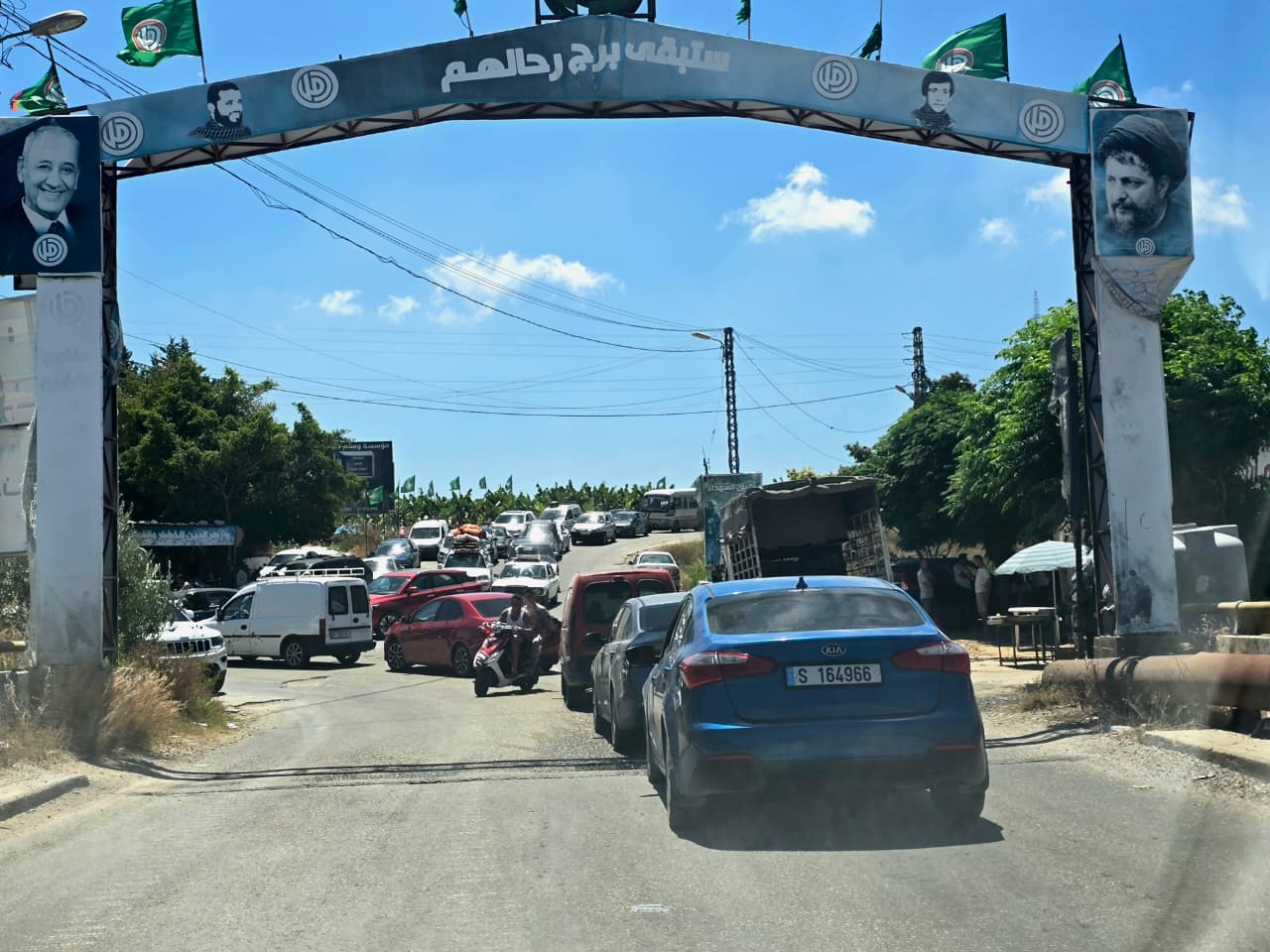
The escalation coincided with extensive displacement movements from the districts of Tyre and Bint Jbeil towards Sidon and Beirut, amidst traffic congestion at the entrances of Sidon city, while Israeli drones continued their intensive flights over the Litani River course and Tyre region.
Hezbollah Responds
Responding to accusations by the Israeli army of violating the ceasefire, Hezbollah confirmed that Israel has not adhered to any of the ceasefire agreements and understandings made in recent months, accusing it of continuing raids, incursions, and targeting civilians and infrastructure.
Hezbollah considered the recent Israeli escalation as a cover-up for the losses suffered by the Israeli army in southern Lebanon, confirming its continued resistance to any aggression.
In the same context, Hezbollah MP Hassan Fadlallah stated that Iran informed the party that continuing negotiations with the United States is contingent on achieving a comprehensive ceasefire, urging the Lebanese government to reject any direct negotiations with Israel while attacks on Lebanon continue.
Israeli Far-Right Calls to "Burn Lebanon"
The tension was exacerbated by a statement from the extremist Israeli National Security Minister Itamar Ben Gvir, who called to "burn all of Lebanon," considering that Israel should not compromise on its security or the blood of its soldiers, a position that sparked widespread reactions amid the rapidly escalating situation on the Lebanese front.