

Investment goals and economic activity disrupted by war across Lebanon’s key sectors
War halts investment momentum and reshapes Lebanon’s economic priorities.




 Messenger
 Whatsapp
 Threads
 Email
Email
 Print
Print
 X
X
 Facebook
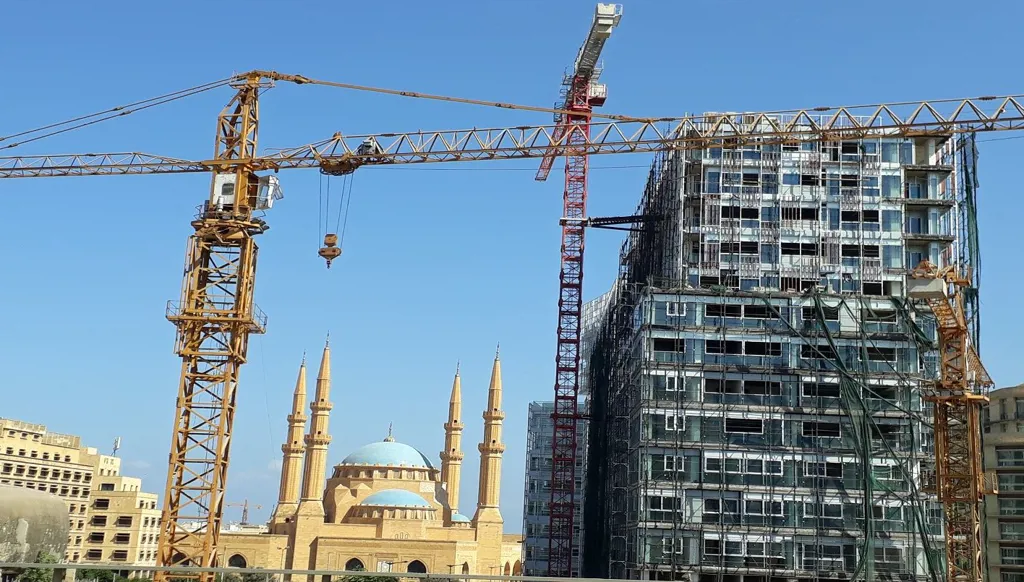


The recent war, along with the systematic bombardment, the leveling of villages, and the destruction and displacement of markets and commercial and industrial areas, was not only a burden on the economy. Its impact extended far beyond that.
It affected new investors, slowed down promising projects and investments that were preparing to enter the market, and halted other projects that had already begun operations.
As a result, their owners incurred major financial losses, while employees lost job opportunities they had been expecting.
Investments deferred, awaiting a stable environment
Over the course of two years, he invested his time and personal savings in developing a real estate platform based on artificial intelligence, aiming to launch a pioneering Lebanese project capable of competing locally and abroad.
Mayssam Ismail, the owner of the company Aligned and the platform Alinia, never considered taking his idea abroad, despite all the crises Lebanon has gone through. Instead, he convinced himself that his country deserved another chance and that investing in technology could open a small window of hope in an economy exhausted by successive crises.
But just as the countdown to launching the platform on March 2 had begun, the war came to halt the opportunity. Ismail did not abandon his dream, but he was forced to postpone it, like many investors who found themselves facing a security reality that does not allow them to move forward, no matter how strong their belief in Lebanon and its capabilities.
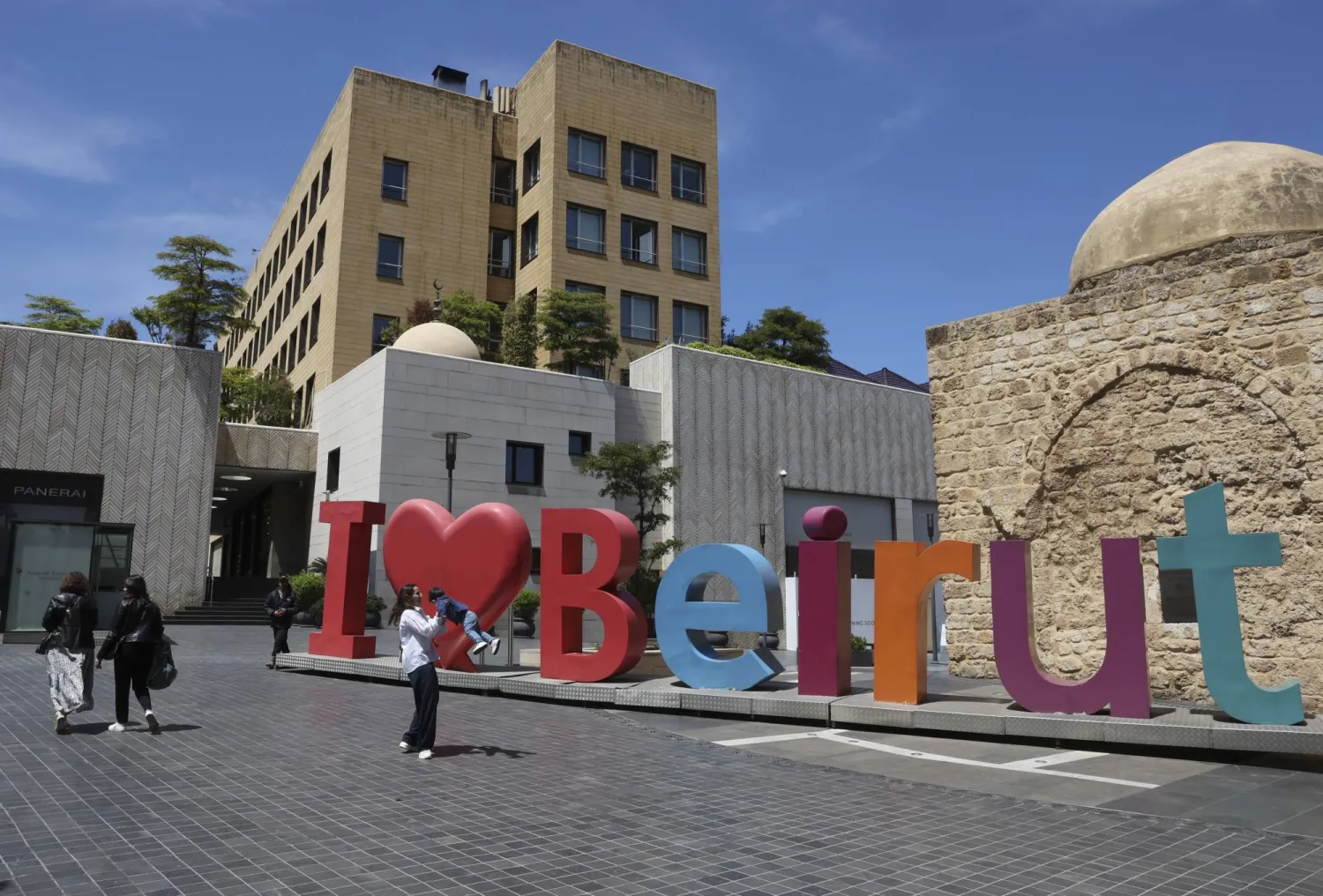
Mayssam Ismail says he spent about two years developing the real estate platform, personally bearing costs of around 80,000 dollars. The idea was based on providing a smart assistant operating through the WhatsApp application, allowing users to search for apartments or properties according to specific criteria, using artificial intelligence technologies.
However, the war halted the project before its launch date. He explains that the problem was not only related to operating costs or the technical infrastructure, but also to a shift in the real estate market itself. Instead of searching for luxury properties, which the platform was targeting, people’s attention shifted toward finding alternative housing or safe places to take shelter.
He points out that seven employees were working on the project and their work was temporarily suspended. He adds that the platform was designed to serve markets outside Lebanon as well, and that its success would have required expanding the team to at least 15 employees in the initial phase.
War halts investments, creating difficult economic conditions
The head of the Association of Lebanese Economic Bodies, Mohammad Choucair, confirms that the tourism sector was among the most affected, noting that the impact of the war reached about 90 percent.
Choucair points out that the wars of 2024 and 2026 delayed major tourism projects, including the Four Seasons and Vendome projects. He adds that the Le Gray Hotel, which has defied difficult conditions, is still struggling, like other hotels experiencing a sharp decline in occupancy rates.
He notes that business activity dropped sharply, to the extent that a 50 percent decline during March and April was considered “good” compared to other institutions that lost between 70 and 80 percent of their activity. Large companies were also forced to pay half salaries, grant employees leave and reduce their workforce.
He adds that specialized conferences and exhibitions were completely postponed, causing losses for organizers and the advertising sector, while major weddings, which used to generate millions of dollars for the Lebanese economy, shifted to European cities such as Rome, Athens, and several French cities.
In contrast, sources at the Investment Development Authority of Lebanon (IDAL) confirm that the war did not lead to a complete halt in investment projects. The institution attracted about 15 projects between 2024 and 2026, with a total value of approximately 300 million dollars, mainly concentrated in the tourism and industrial sectors.
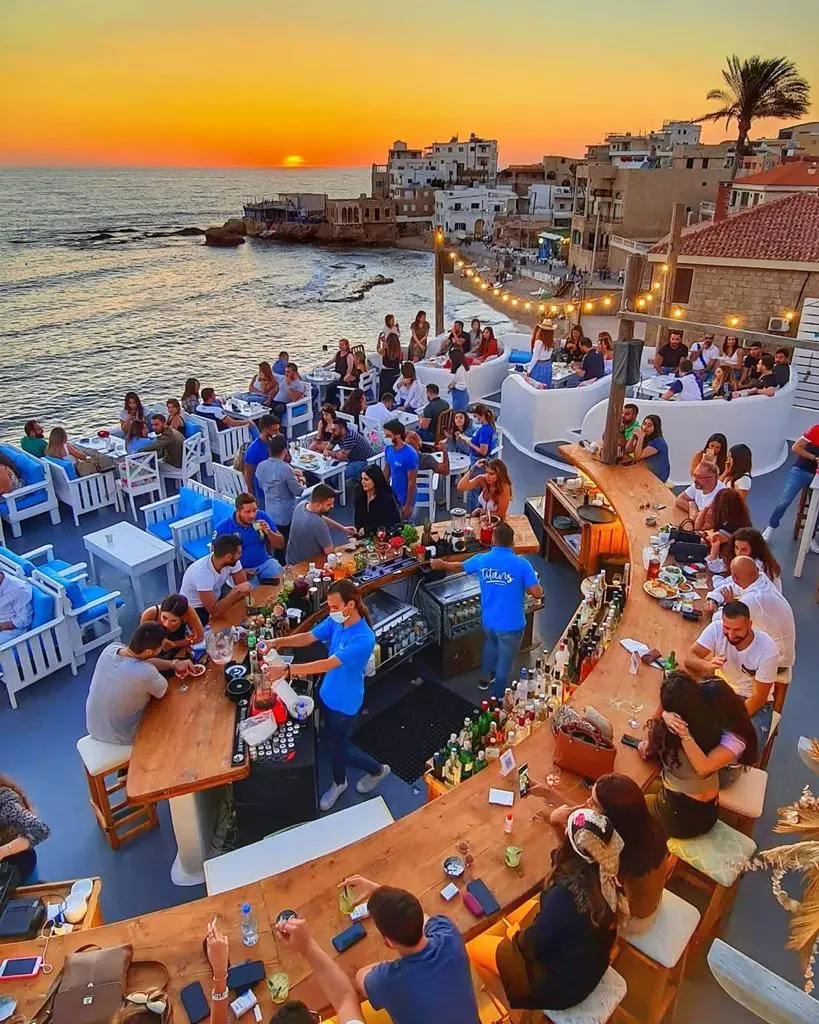
According to the same sources, investors who had already started their projects away from areas affected by shelling continued their work, while others preferred to delay launching their projects until conditions improve. They explain that the war was concentrated in specific areas, while economic activity continued relatively normally in other regions.
They also indicate that some tourism and industrial projects kept moving forward, and that new hotels are still under construction in several areas. In addition, three hotel projects in Achrafieh submitted applications to the Investment Development Authority of Lebanon (IDAL), and one of them has already begun construction.