

Lebanon-Israel talks head back to Washington as questions grow over ceasefire deal's future
After weeks of uncertainty in southern Lebanon, Lebanese and Israeli negotiators are preparing for a new round of U.S.-mediated talks. With previous understandings still awaiting implementation, attention is turning to whether Washington can help turn fragile commitments into concrete progress—or whether another agreement risks remaining stuck in diplomatic limbo.



 Messenger
 Whatsapp
 Threads
 Email
Email
 Print
Print
 X
X
 Facebook
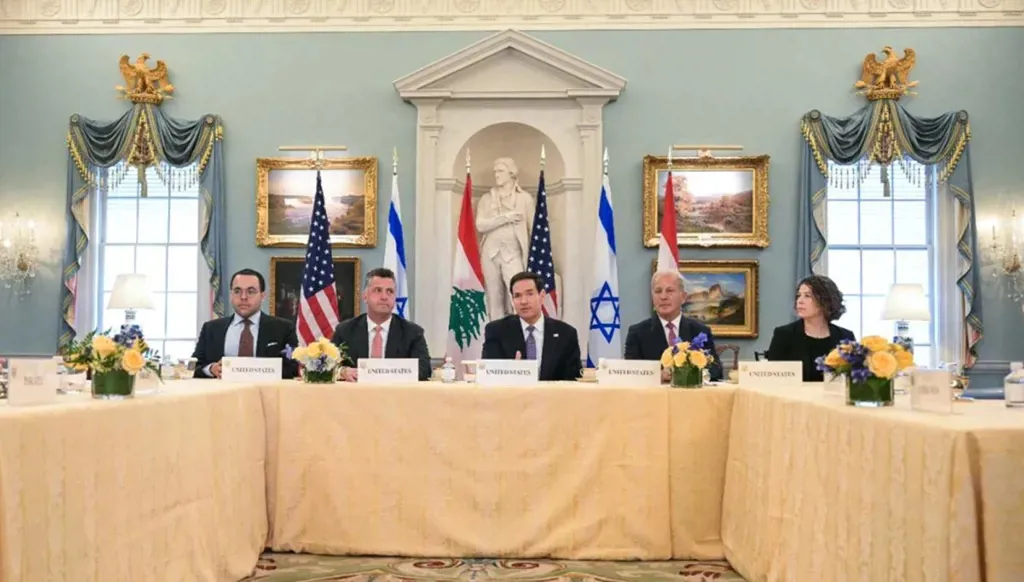


The push in the United States for direct Lebanese-Israeli negotiations continues, as efforts seek to revive the implementation of understandings reached by the Lebanese and Israeli governments following the preliminary round of direct talks held on April 14, 2026. Those negotiations resulted in a "days-long truce" and an agreement to prepare a peaceful environment while limiting the activities of non-state armed groups.
Efforts are also focused on refining the text of the agreement issued about two weeks ago following the direct negotiation rounds held on June 2 and 3, 2026. This comes in light of the content of the "Joint Declaration of Intentions," or "Declaration of Cessation of Hostilities," which includes Lebanese and Israeli commitments to implement a ceasefire, establish experimental zones under the control of the Lebanese Armed Forces, and eliminate hostile intentions between the two countries.
The text that emerged from the June 2–3 negotiating round does not constitute a formal treaty between Lebanon and Israel, nor was it announced as an official agreement resulting from negotiations between the Lebanese and Israeli governments. However, developments on the ground in southern Lebanon are not conducive to its full implementation, placing the agreement in a state of "waiting limbo" and potentially even risking its collapse.
Despite efforts to maintain negotiations between Lebanon and Israel and preparations for an exceptional round of talks following the U.S.-Iran agreement, there is no magic formula capable of instantly delivering demands or transforming diplomatic proposals into swift breakthroughs through the negotiating process.
As the Israeli and Lebanese delegations prepare to meet again in a new round of negotiations in the coming days, questions remain about the atmosphere surrounding this latest meeting at the negotiating table in Washington. Could another agreement text be announced following next week's talks? And is there concern that any future agreement could once again be consigned to a prolonged period of uncertainty—or even fade away altogether?
According to a Lebanese official source closely monitoring the negotiations, who spoke to Annahar, no decision has yet been made on an official Declaration of Intentions that could be considered a formal document. In light of recent regional developments, the Lebanese state is awaiting possible outcomes from the Lebanese-Israeli negotiations being overseen by the United States, while relying on Washington's encouragement to move from direct negotiations toward implementation.
According to information obtained by Annahar, Lebanon is preparing for the upcoming round of talks in the United States and intends to reiterate the importance of an Israeli withdrawal in parallel with the Lebanese Army's deployment and redeployment in the area, alongside the implementation of arms restrictions in its vicinity. These areas are referred to as model zones or pilot zones. However, revisiting this issue in negotiations does not mean that broad implementation will be an easy decision.
The advisory team established by the Lebanese Presidency to monitor the negotiations is consulting with members of the Lebanese negotiating delegation on these details, which are expected to be presented by the official Lebanese side during the upcoming round of talks in the United States.
Israel, however, continues to refuse withdrawing its forces from the designated buffer zone and other areas unless Hezbollah is disarmed, a position that undermines the core Lebanese demand for a complete Israeli withdrawal from southern Lebanon.