

Israel publishes south Lebanon security zone map, signals long-term military presence
Israeli officials say talks with Washington are underway as the army vows to remain in southern Lebanon and respond to threats beyond the buffer zone.



 Messenger
 Whatsapp
 Threads
 Email
Email
 Print
Print
 X
X
 Facebook
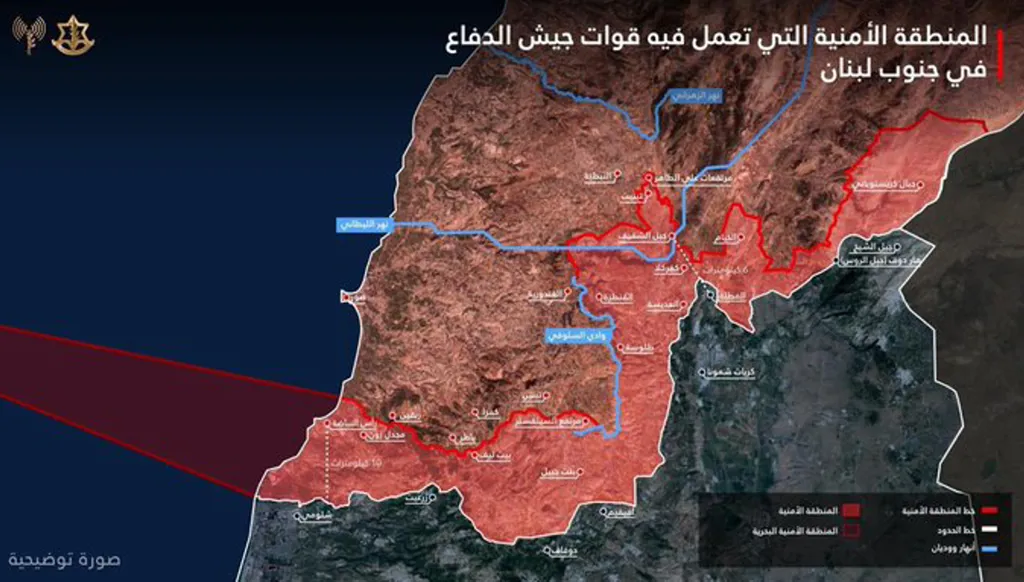
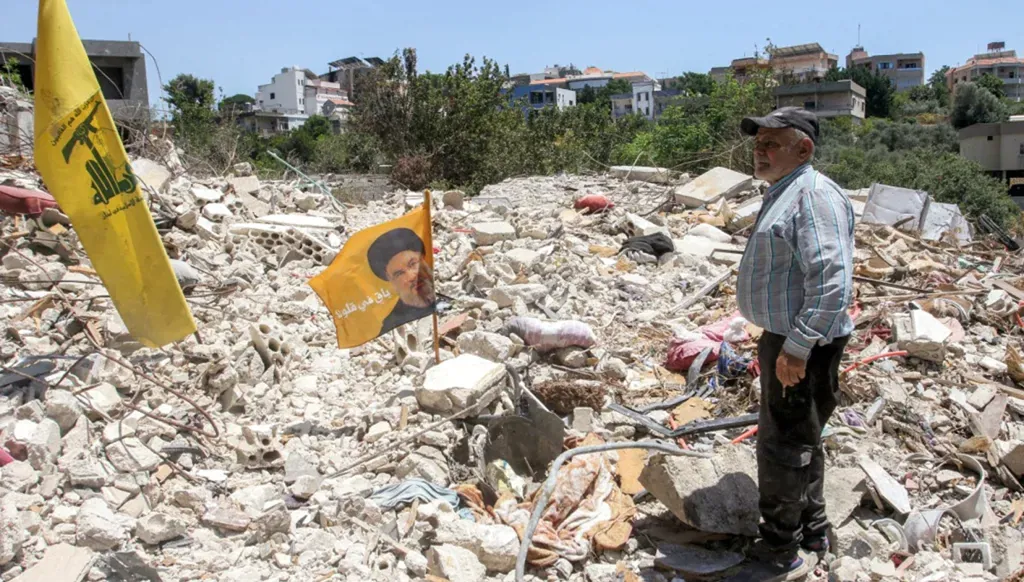
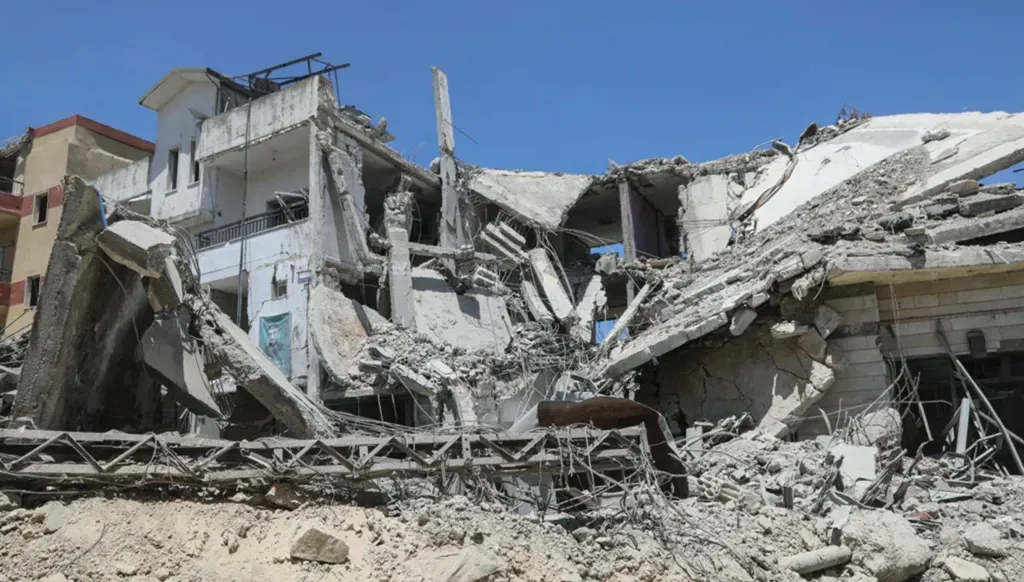


Today, the Israeli army published a map of the security zone in southern Lebanon, where its forces are currently deployed. In a statement posted on X, it said: "We operate in a security zone extending approximately 10 kilometers inside Lebanese territory."
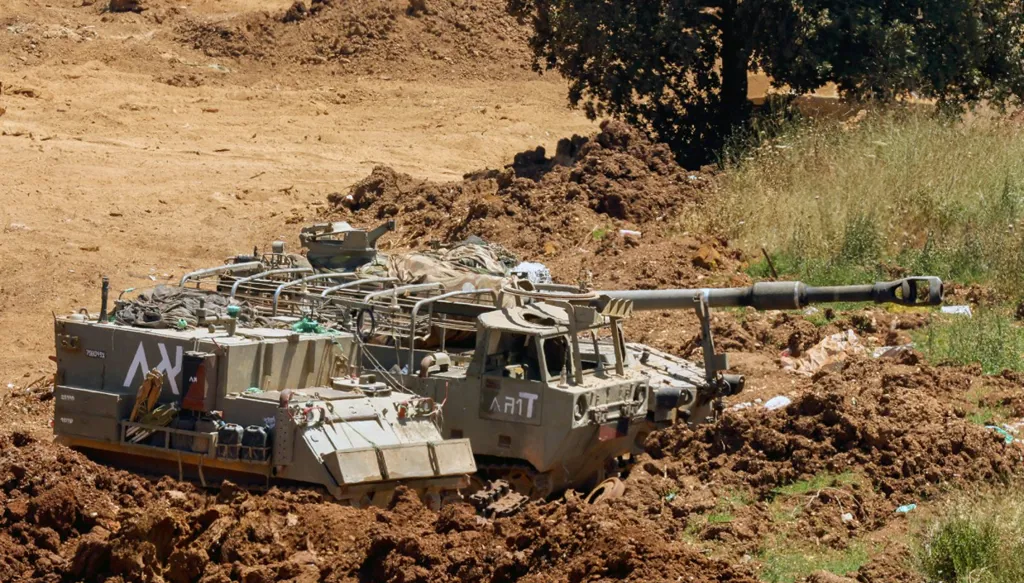
The Israeli army announced that it "will continue to be stationed in the security zone according to operational needs," adding that it "will address any threats, even if they are located outside the security zone."
In this context, the Israeli Broadcasting Authority reported, citing a source, that "the army's map confirms the presence of forces in the Ali Taher hills and Kfar Tibnit, near Nabatieh."
Channel 14, for its part, reported that "the next steps regarding southern Lebanon are being discussed at the political level and within negotiations with Lebanon," noting that "the maritime security dimension is an extension of the land security dimension."
According to the channel, the Israeli army stressed that "approaching the security zone in southern Lebanon is dangerous," while calling on the Lebanese army "to coordinate with us."
Two Israeli officials also told Reuters that Israel is negotiating with the United States over efforts to maintain the deployment of its forces in southern Lebanon.
The officials' remarks, including one made by a senior figure close to Prime Minister Benjamin Netanyahu, came a day after the United States and Iran signed a memorandum of understanding that calls for guaranteeing "Lebanon's territorial integrity and sovereignty."
Israel expanded its incursion into southern Lebanon following the outbreak of war with Hezbollah on March 2, alongside a destructive air and ground campaign across Lebanon.
While Netanyahu has rejected calls for a withdrawal from southern Lebanon, particularly from the so-called "Yellow Line" or "buffer zone," the senior official told Reuters that "Israel is engaged in difficult negotiations with Washington to maintain the deployment of its forces in southern Lebanon."
He added that "Israel will not withdraw from its positions," including maintaining troops in areas south of the Litani River in southern Lebanon.
A second Israeli official told Reuters that "the outcome of the talks will depend on whether U.S. President Donald Trump maintains his position and threatens Israel with serious consequences should it fail to comply with the terms of the interim agreement with Iran."