

Saudi Arabia calls for strong verification mechanism in Iran nuclear talks as monitoring becomes key issue
Saudi Arabia stresses that enforceable oversight of Iran’s nuclear program and limits on uranium enrichment are essential to building regional and international confidence.



 Messenger
 Whatsapp
 Threads
 Email
Email
 Print
Print
 X
X
 Facebook
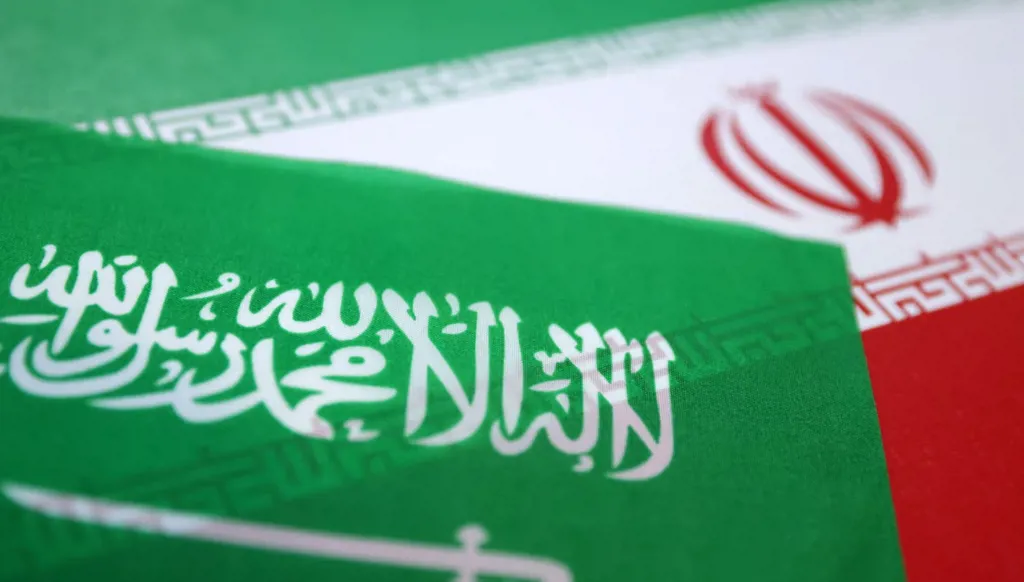


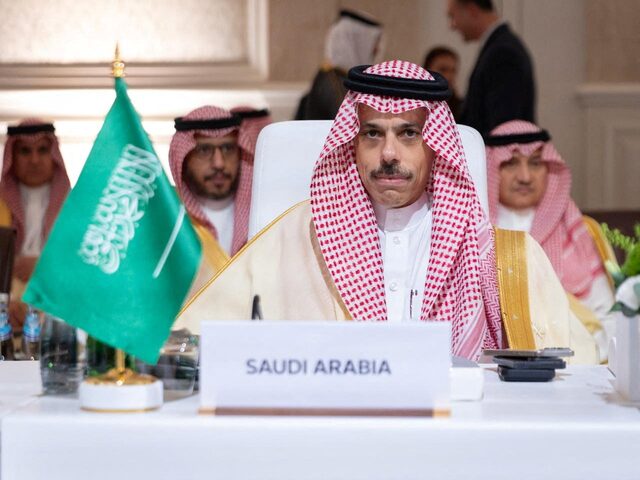
On Wednesday, Saudi Foreign Minister Prince Faisal bin Farhan Al Saud stated that the key issue in the forthcoming nuclear negotiations between Iran and the United States is how Iran’s nuclear program will be monitored.
In remarks on the talks delivered during a speech at a Vienna conference hosted by the Brussels-based think tank the European Council on Foreign Relations, bin Farhan said that “details will be important,” while refraining from commenting on the specifics of the memorandum of understanding.
Saudi Arabia is closely monitoring Iran’s nuclear program, which Tehran insists is exclusively for peaceful purposes.
U.S. President Donald Trump had previously stated his intention to eliminate highly enriched Iranian uranium, which brings Tehran close to weapons-grade levels. Meanwhile, a senior Iranian official told Reuters last Sunday that Iran had, in principle, agreed to dilute or reduce its enrichment levels.
A historic agreement reached in 2015 between Iran and major powers imposed strict limitations on Iran’s nuclear activities, which Tehran complied with until former President Donald Trump withdrew from the deal in 2018. The agreement subsequently unraveled after Iran expanded its nuclear program beyond the set limits.
The old agreement granted the International Atomic Energy Agency (IAEA) expanded inspection authority, including the right to conduct snap inspections at undeclared sites, powers that Iran later revoked following the collapse of the agreement.
Bin Farhan said that “the most important thing is how we can establish a sustainable verification mechanism that provides the international community, as well as regional countries, with the highest level of confidence and the ability to look forward to a better future.”