

Fear in our societies: a tool for control during crises?
How security, economic, and identity fears shape societies, and why overusing fear weakens trust, imagination, and long-term stability.



 Messenger
 Whatsapp
 Threads
 Email
Email
 Print
Print
 X
X
 Facebook
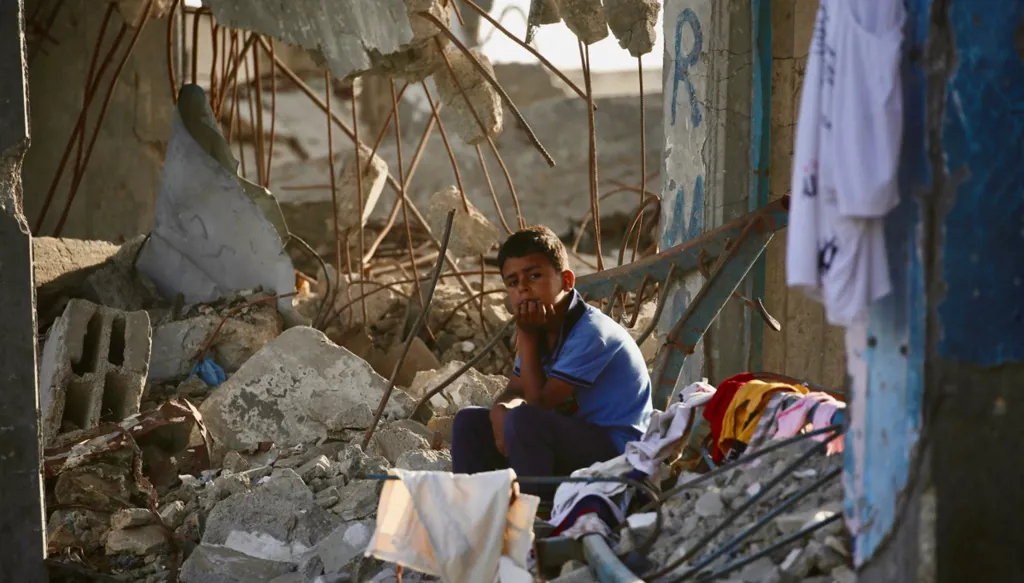


In times of turmoil, fear does not remain a passing human feeling. It becomes an element of politics. When crises intensify, trust weakens, and security, economic, and identity threats become intertwined, authority finds itself facing an old question that is constantly renewed: how can a worried society be governed? And can fear be transformed from a source of chaos into a tool of control and stability?
Since the emergence of the modern state, fear has been present in the relationship between authority and society. Fear of chaos, of war, of hunger, of the other, of collapse, of losing identity, or of an unknown future.
What is new today is that fear is no longer managed only through traditional political discourse. It is now manufactured, amplified, and recycled through the media, digital platforms, and engagement algorithms, turning it from an individual feeling into an organized collective state.
Fear, in its essence, is not always negative. Societies sometimes need a degree of awareness of danger in order to act and defend themselves. A state that does not make its citizens aware of the scale of threats may appear detached from reality or incapable of protecting its interests.
But there is a major difference between managing risk and managing fear. The first is based on honesty, building trust, and defining solutions, while the second is based on exaggerating threats and keeping society in a constant state of anticipation of the worst. Here, fear becomes a tool of governance.
Limits to the use of fear?
There are moral and political limits to the use of fear. A governing authority that exaggerates fear among its citizens may lose its ability to convince them when real danger appears. If people feel that fear is being used against them rather than to protect them, then the security, economic, or identity-based discourse shifts from being a tool of mobilization to a source of lost trust.
Even more dangerous is that constant fear weakens political imagination. Fearful societies do not dream; they seek shelter. They do not think about the future; they try to avoid collapse. They do not demand reform; they are content with not falling. In this way, stability itself becomes impoverished, lacking energy and lacking direction.
Disclaimer: The opinions expressed by the writers are their own and do not necessarily represent the views of Annahar