

Israeli strikes continue in southern Lebanon despite U.S.–Iran deal announcement
Air raids, artillery shelling, and drone attacks reported across Nabatieh and surrounding areas for a third consecutive day, underscoring a widening gap between regional diplomacy and ground realities.



 Messenger
 Whatsapp
 Threads
 Email
Email
 Print
Print
 X
X
 Facebook
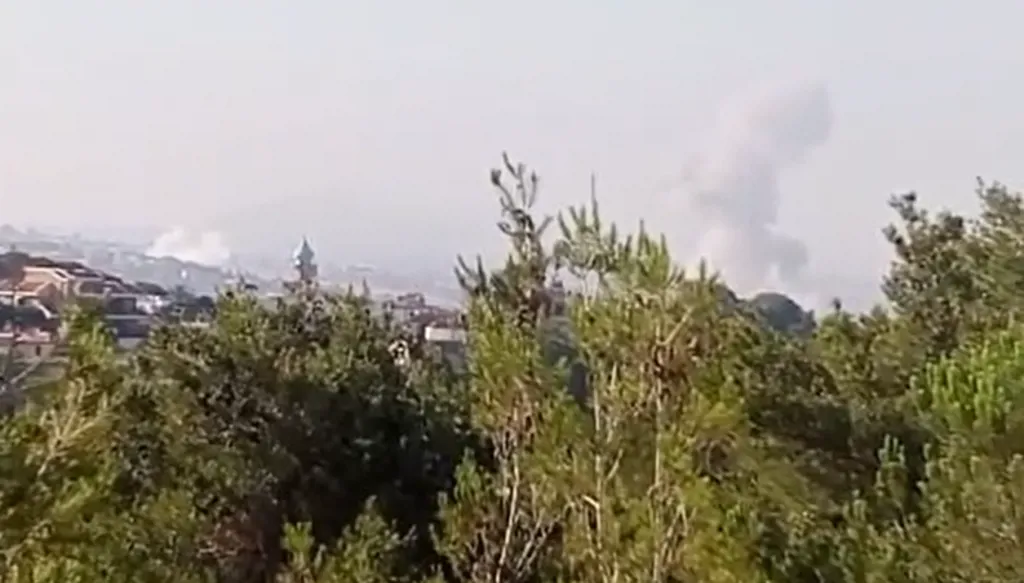


Israeli airstrikes continued today, Wednesday, on areas in southern Lebanon, despite the announcement of a U.S.–Iranian agreement aimed at ending the conflict between the two countries and expected to include calm on the Lebanese front.
غارة إسرائيلية تستهدف بلدة النبطية الفوقا جنوبي لبنان (فيديو متداول) pic.twitter.com/XsVAnWm6SQ
— Annahar النهار (@Annahar) June 17, 2026
Intense Israeli warplane activity was reported over Nabatieh and Iqlim al-Tuffah, accompanied by air raids, some of which were described as simulated, further heightening security tensions.
The raids targeted the towns of Nabatieh al-Fawqa and Kfartabnit, as well as the al-Zafata–Mansoura area, alongside heavy artillery shelling that struck the Al-Tahir forest on the outskirts of Nabatieh al-Fawqa.
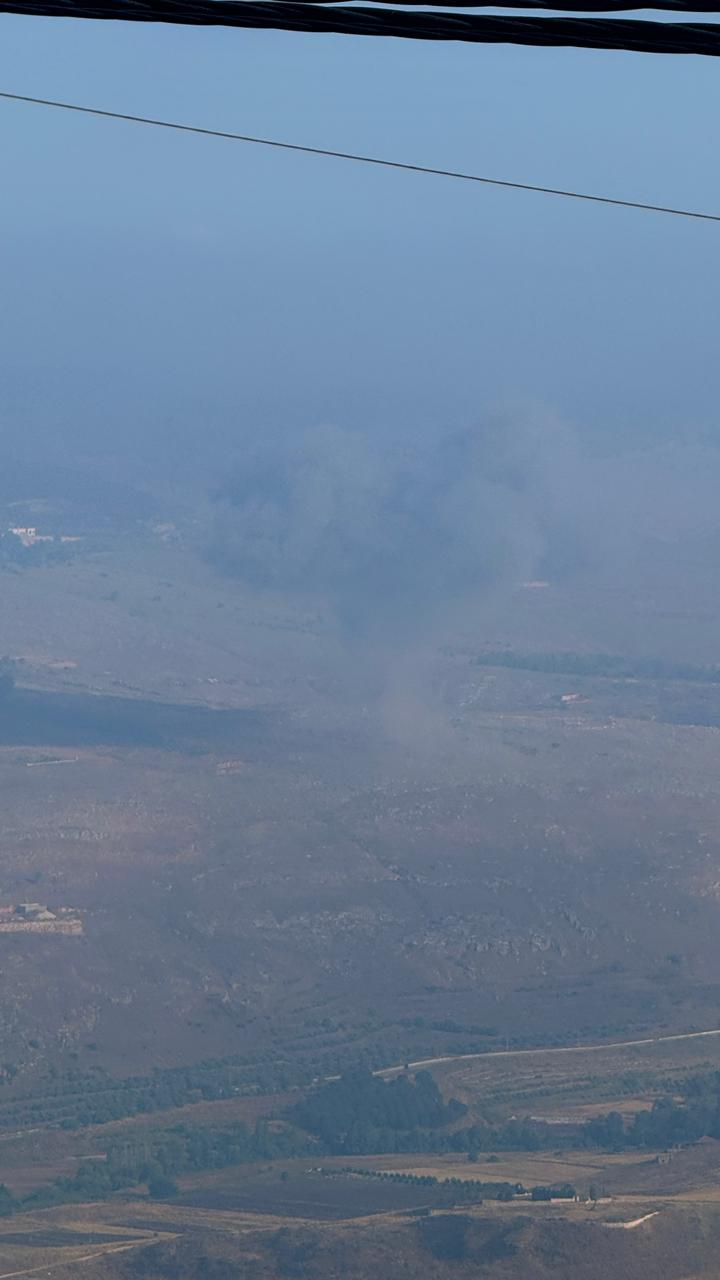
For the third consecutive day, the Israeli army has continued its breaches despite the ceasefire announcement, with attacks focusing on the outskirts of Nabatieh al-Fawqa, Al-Tahir forest, Kfartabnit, Mayfadoun, and the high mountain areas.
This was accompanied by reported attempts of Israeli tank advancement on the northern heights of Al-Tahir forest, while a drone earlier today targeted the town of Ansariyeh in the Zahrani area, causing only material damage.
This escalation on the ground reflects a clear disparity between the regional political path and developments on the ground, amid ongoing tensions in the south despite discussions about a broader phase of calm in the region.