

Eight Arab Teams, One Shared Challenge: Chasing a First Win at the 2026 World Cup
Eight Arab nations make history with unprecedented World Cup representation, but opening group-stage matches deliver frustration, late drama, and signs of promise across Africa and Asia.




 Messenger
 Whatsapp
 Threads
 Email
Email
 Print
Print
 X
X
 Facebook
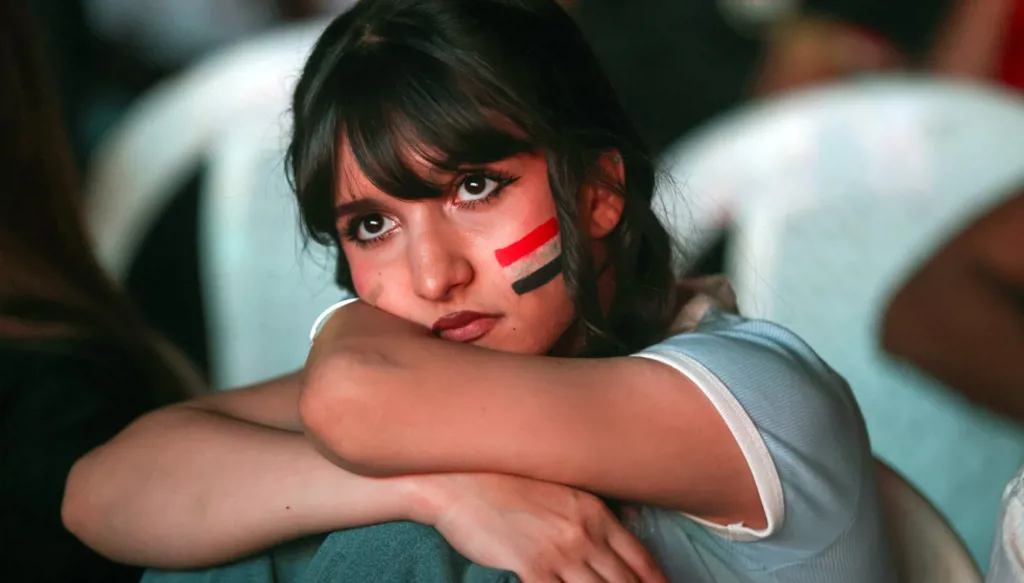


Arabs had high hopes as eight of their teams qualified for the 2026 World Cup, a record number, yet the first round of the group stage saw no victories among them, with varied results.
The current 2026 World Cup in North America features African Arab representation from Morocco, Algeria, Egypt, and Tunisia, while Asian Arab teams include Saudi Arabia, Qatar, Jordan, and Iraq.
Undoubtedly, the increase in participating teams from 32 to 48 has allowed more nations from Asia and Africa to qualify, including a higher number of Arab participants. For example, Jordan is participating for the first time, while Iraq and Qatar are making their second appearance, and Egypt its fourth.
Although the eight teams failed to secure a victory, their performances varied between disappointing results and commendable displays that were well received.
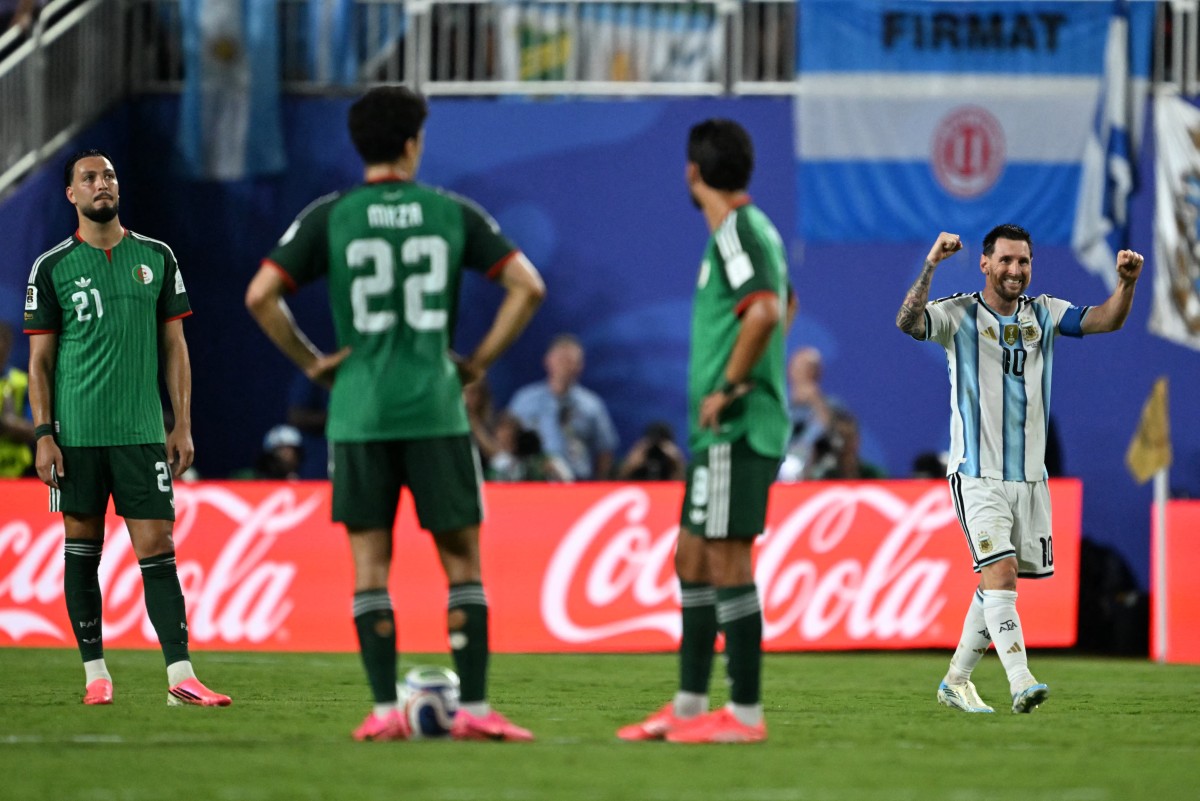
Morocco Competes with Brazil in the 2026 World Cup
The spotlight was on the Morocco vs Brazil match, which featured a five-time world champion against a side that reached the 2022 semifinals as the first African team to do so.
Ismail Saibari gave the Atlas Lions the lead before Vinícius Júnior equalized for Brazil.
Morocco’s coach Mohamed Wahbi said after the match: “I am very proud of the players because they showed courage and dared to maintain control of the ball and apply pressure.”
Meanwhile, Qatar, which lost all three of its matches at home in its first participation in 2022, was heading toward defeat against a strong Switzerland side when veteran defender Boualem Khoukhi scored a late equalizer.
Spanish coach Julen Lopetegui also expressed pride in securing “Al Annabi’s” first-ever point: “I am very proud of the team. Even if we had not scored the equalizer, I would still have been proud of their mentality and discipline today.”
He added: “Thankfully, we scored and achieved a result that will be remembered in history.”
Tunisia suffered the first setback for Arab teams with a heavy 1–5 defeat against Sweden, which led to the dismissal of coach Sabri Lamouchi after the opening match and his replacement by Frenchman Hervé Renard in a rare mid-World Cup change.
Interestingly, Sweden’s double scorer Yasin Ayari has Tunisian roots and did not celebrate after scoring twice against the Carthage Eagles.
Before his dismissal, Lamouchi said: “With world-class players like Sweden’s attacking duo (Alexander Isak and Viktor Gyökeres), the task becomes harder. We made many mistakes. We have our pride and need to respond with a better image.”
Arab representation in the 2026 World Cup
Arab performances improved on Monday. Egypt took the lead against Belgium through Emam Ashour before a Mohanad Louh own goal brought the equalizer, in a notable result for Hossam Hassan’s side on Mohamed Salah’s 34th birthday.
Hassan, Egypt’s historical top scorer, considered the draw almost like a win they are still pursuing: “We tried to adapt to what was happening on the field and sought greater control in midfield, showing we were closer to winning.”
Saudi Arabia also earned a point against a strong Uruguay side. Abdulilah Al-Amri opened the scoring, keeping the Green Falcons ahead until the 80th minute when Marcelo Bielsa’s team equalized. Veteran goalkeeper Mohamed Al Owais stood out.
New coach Georgios Donis said: “I am proud to coach the Saudi national team, and I am not only thinking about the result but about building a strong, competitive team under all circumstances. We need time. This result helps us move forward toward the next match, which will be key to qualification.”
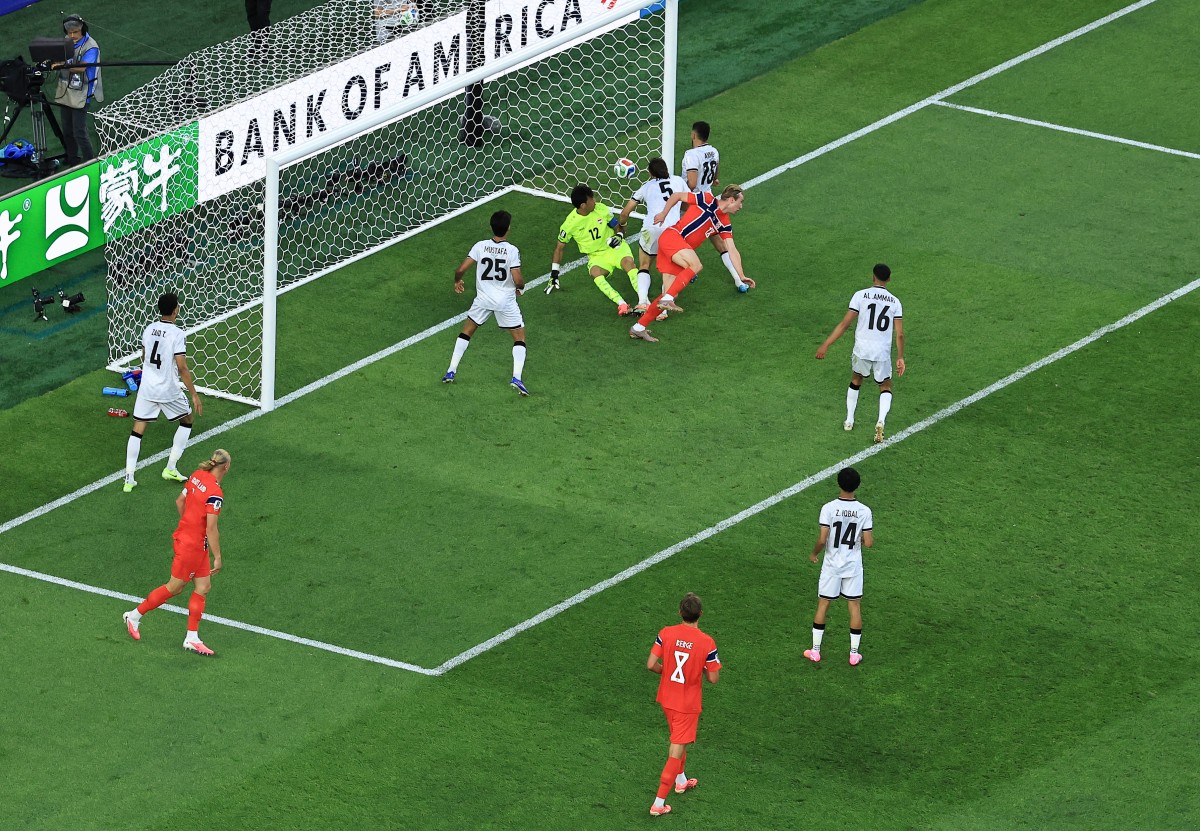
Results declined again on Tuesday, with Iraq losing 1–4 to Norway in their second-ever World Cup appearance after 1986. Coach Graham Arnold said: “The players performed very well in the first half, but two mistakes cost us in the second. We have not lost hope, as three points could still take us through the group stage.”
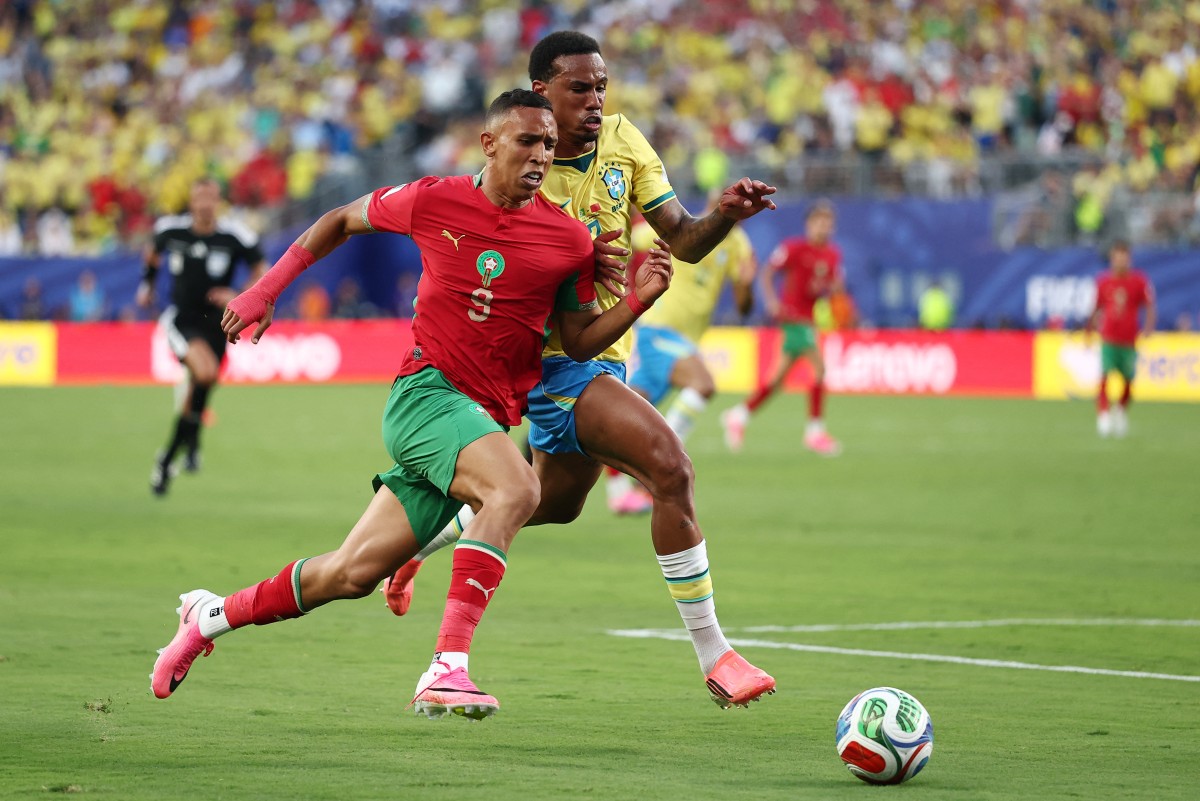
Algeria also struggled, with Lionel Messi scoring a hat-trick in a historic display against them. Coach Vladimir Petkovic’s side could not contain the Argentine captain and paid for defensive errors.
In their final first-round match, Jordan lost their first-ever World Cup match 1–3 against Austria. They equalized early in the second half, but mistakes led to defeat.
Coach Jamal Sellami said: “The differences are significant. Austria’s players have more European tournament experience than our squad.” He added: “We were at our best before the break. Austria’s height helped them in set pieces, and the last goal came from a penalty. We played well, and the score does not reflect our effort. I am proud of the players and their performance.”