

Lebanon in the crosshairs as US–Iran understanding triggers regional power struggle
Amid a looming US–Iran understanding, Beirut emerges as a key flashpoint, with competing narratives over Hezbollah, Israel, and Lebanon’s political future intensifying diplomatic pressure across the region.



 Messenger
 Whatsapp
 Threads
 Email
Email
 Print
Print
 X
X
 Facebook
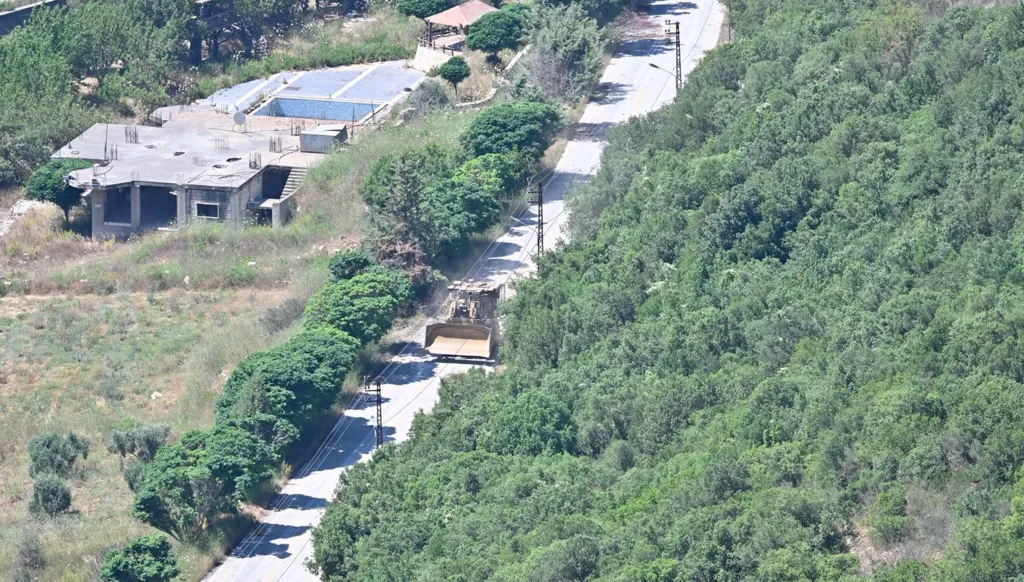


Following the ongoing reactions to the announcement of a memorandum of understanding between the United States and Iran, expected to be signed in Geneva on Friday and accompanied by the release of its final official text—which may help clarify the considerable ambiguity and confusion surrounding it—Lebanon has notably featured prominently in the various responses to this development, suggesting the onset of a phase marked by many uncertain and unclear changes ahead.
As Iran and its Lebanese ally Hezbollah sought to shape public opinion around the idea of an “Iranian tutelage” over the Lebanese file, under the pretext of ending the war and securing the withdrawal of the Israeli army from areas it occupies in the south, the contours of Iranian and allied efforts in the days leading up to the signing of the US-Iran agreement on the 19th of the month and the fifth round of negotiations in Washington have become increasingly apparent.
These efforts aim to obscure the Lebanese-Israeli negotiation track and frame any attempts to de-escalate tensions in the south and begin addressing the situation as primarily an Iranian initiative, thereby reinforcing the stance of the Shiite duo regarding negotiations handled by Lebanese authorities. This has been reflected in an intensified Iranian media and propaganda campaign directed at Lebanese officials and Tehran’s allies within the Shiite duo in recent days.
It is evident that President Joseph Aoun and Prime Minister Nawaf Salam have adopted a calm and accommodating response to the Iranian media campaign, in order to avoid escalating tensions and confrontations driven by Hezbollah and clerics within its orbit, at a time when the consequences of the devastation in the south—resulting from what is described as its recklessness in drawing the war there in Iran’s interest—are gradually becoming clearer.
Lebanese leaders prepare for new round of negotiations
In the context of official preparations for the fifth round of negotiations, Aoun and Salam met yesterday at Baabda Palace. According to official information, the President and PM considered that the US-Iran agreement represents a positive factor in reducing regional tensions and advancing toward peaceful solutions and an end to the state of war.
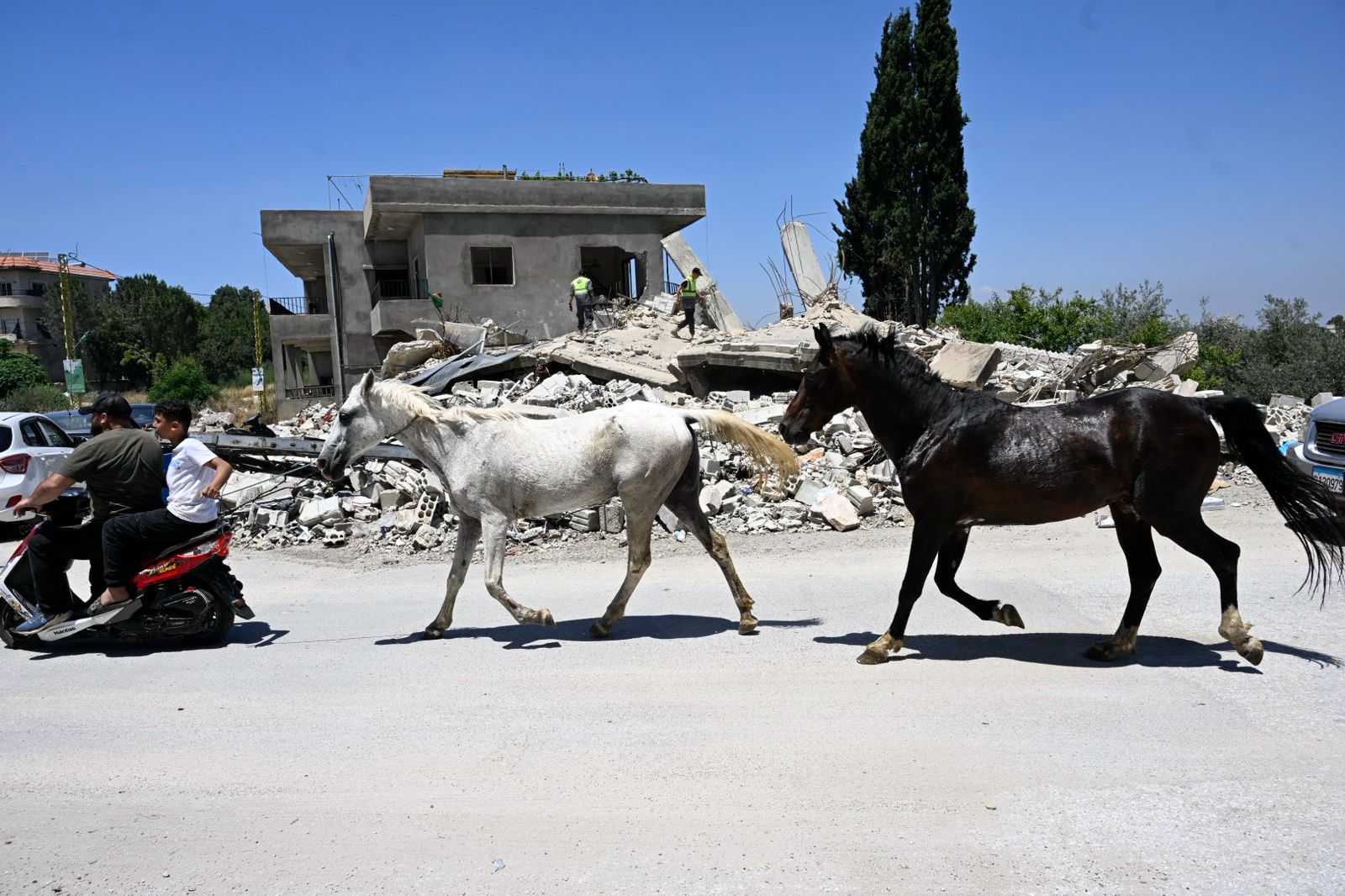
The President and PM affirmed Lebanon’s firm position in the Washington negotiations regarding a final ceasefire, the withdrawal of Israeli forces from occupied territories, the deployment of the Lebanese army along the international borders, the return of Lebanese prisoners, and the launch of the reconstruction process.
Trump remarks stand out regarding Lebanon
Meanwhile, the Lebanese file also featured in the external reactions to the US-Iran understanding. US President Donald Trump reportedly asked Israeli Prime Minister Benjamin Netanyahu to “act more responsibly towards Lebanon,” as he put it. While reaffirming his strong relationship with Netanyahu, Trump said he had expressed his displeasure with Israel’s recent attack on Beirut, stressing that Israel’s actions in Lebanon are affecting the course of the agreement.
Trump also continued what he described as encouragement for renewed Syrian involvement in Lebanon, suggesting to Israel that Syrian President Ahmad Al-Sharaa should handle Hezbollah, noting that the Israeli campaign has resulted in a significant number of casualties.
He further praised Syrian President Ahmad Al-Sharaa, saying he is doing an “amazing job,” adding: “If Israel can’t finish the task (against Hezbollah) without killing everyone, then (Al-Sharaa) will take care of it. Syria will handle the task.” He pointed out that Israel has been fighting Hezbollah for a long time and that many people are being killed.
In recent developments of the Iranian media campaign, it was announced that Lebanese Parliament Speaker Nabih Berri held a call with Iranian Parliament Speaker Mohammad Bagher Ghalibaf, stressing that “the United States and the guarantor entities of the memorandum of understanding, along with the international community, must bear responsibility in obligating Israel to end its war, stop the demolition of villages, respect Lebanese sovereignty, and withdraw immediately from occupied territories.”
Additionally, Iranian Foreign Minister Abbas Araghchi stated that “ending the war in Lebanon is a prerequisite for ending the war with Iran,” explaining that “the first party in the memorandum of understanding is America and Israel, while the second party is Iran and Hezbollah.” He added that “any Israeli attack on Lebanon or occupation of Lebanese territories will be considered a violation of the agreement with Washington.”
According to Reuters, citing Hezbollah’s media relations office, “the party received assurances from Iran that it will demand the withdrawal of Israeli forces from Lebanon in the next phase of talks with the United States,” stressing that “there will be no nuclear agreement between Iran and the United States unless Israeli forces withdraw from Lebanon.”
Geagea: "Lebanon cannot be attached to others’ projects"
In contrast, in a prominent domestic political stance opposing Iran and Hezbollah, the “Strong Republic” bloc issued a detailed statement following a meeting chaired by Lebanese Forces leader Samir Geagea, expressing its “absolute rejection of any attempt to link Lebanon’s future to the Iranian axis. Lebanon cannot be attached to others’ projects or become a stage for settling their scores; it must be linked exclusively to its constitution, legitimate institutions, and supreme national interest.”