

Can Syria disarm Hezbollah? Trump's proposal raises more questions than answers
From Lebanon's sovereignty to Iran's regional role, the controversial idea could reshape Middle East calculations in unexpected ways.



 Messenger
 Whatsapp
 Threads
 Email
Email
 Print
Print
 X
X
 Facebook
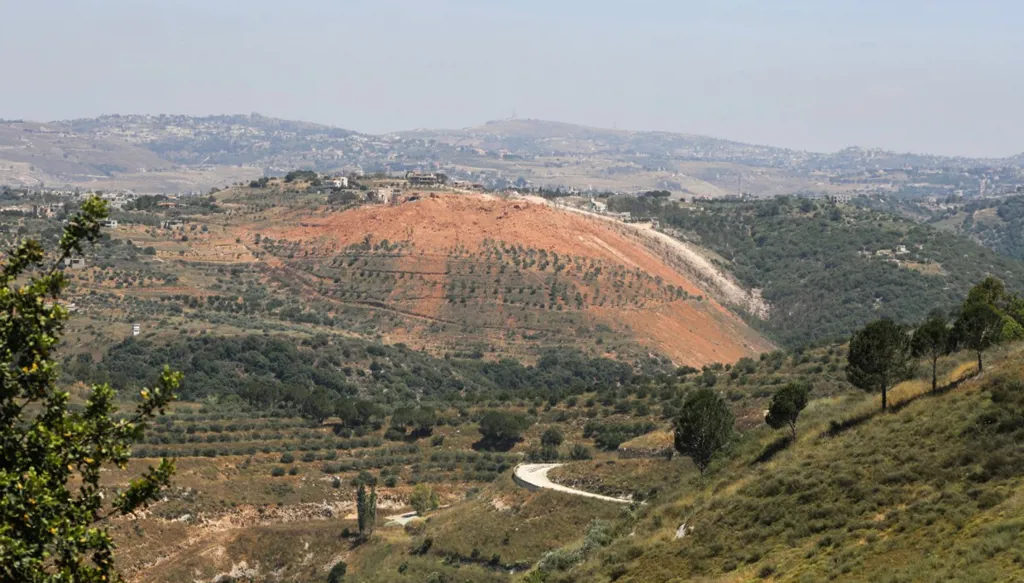


The Lebanese state was understandably perplexed by the American approach, particularly that adopted by U.S. President Donald Trump toward Lebanon following its inclusion in the ceasefire agreement between the United States and Iran. This came only weeks after Trump had reaffirmed his administration's support for the Lebanese state while sponsoring what were described as historic direct negotiations between Lebanon and Israel.
He neither sought to clarify nor decisively separate the Lebanese and Iranian tracks, despite remarks by Secretary of State Marco Rubio, who said: "We are trying to treat the talks between Lebanon and Israel as a different and separate track from Iran, which wants to mix all the files together." That distinction is, above all, a Lebanese concern. Instead, Trump heightened anxiety by repeatedly expressing, at relatively spaced intervals, his desire to entrust the issue of the party's disarmament to Syrian President Ahmad Al-Sharaa.
During his participation in the Group of Seven meeting in Evian, France, he stated that Israel had failed in its project to disarm the party and suggested handing the task to Syria and its president, for whom he expressed admiration.
Why would the American president believe that Syria is more capable than Israel of carrying out disarmament when Syria is still in the process of piecing itself back together? Unless the intention is to divert attention from the Syrian president's domestic challenges, the proposition is difficult to explain, especially given that Syria's military capabilities cannot be compared with Israel's at any level.
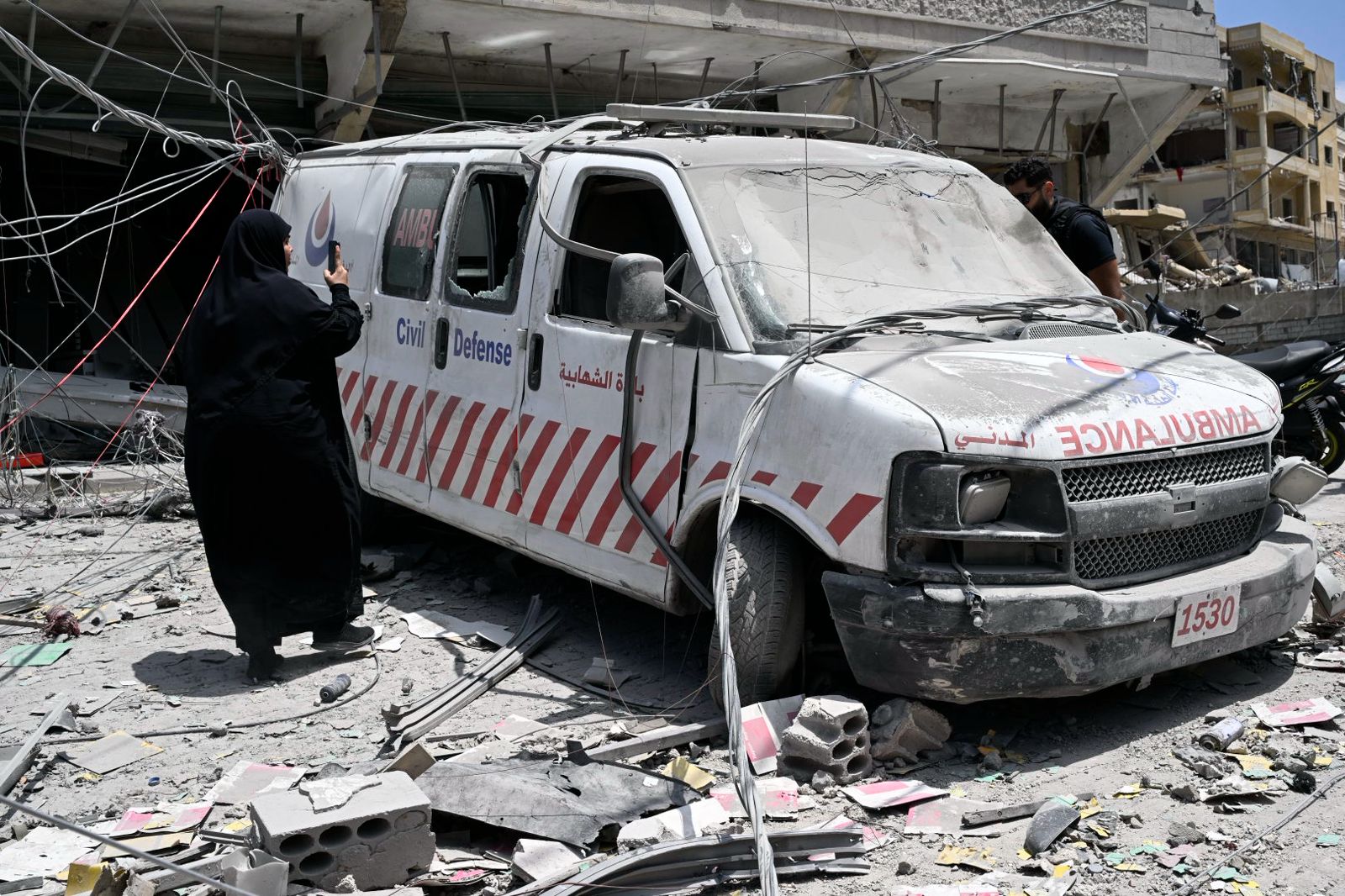
Some diplomatic sources speculate that Al-Sharaa himself may have floated the idea, seeking to increase his leverage with the U.S. administration while simultaneously attempting to restore Syria's regional position and influence amid the growing overlap between the Lebanese, Israeli, Syrian, and Iranian files.
Taken together, these developments appear to reflect the U.S. president's determination to find a way to disarm the party at any cost, relieving Israel of that responsibility by delegating it to Al-Sharaa and possibly extending the role to Turkey as well, which supports the new Syria and is perceived by some as having influence over certain groups in Lebanon.
So far, no one in Lebanon—or even in Washington—has publicly responded to Trump. Syria's government, however, said it rejected the proposal. This response deserves attention, as the idea appears to be more than a passing thought or one of the American president's impulsive remarks.
There are concerns that it may be aimed at securing Syria's integration into a broader regional equation through which new balances could be established in exchange for efforts to reach an agreement with Iran.
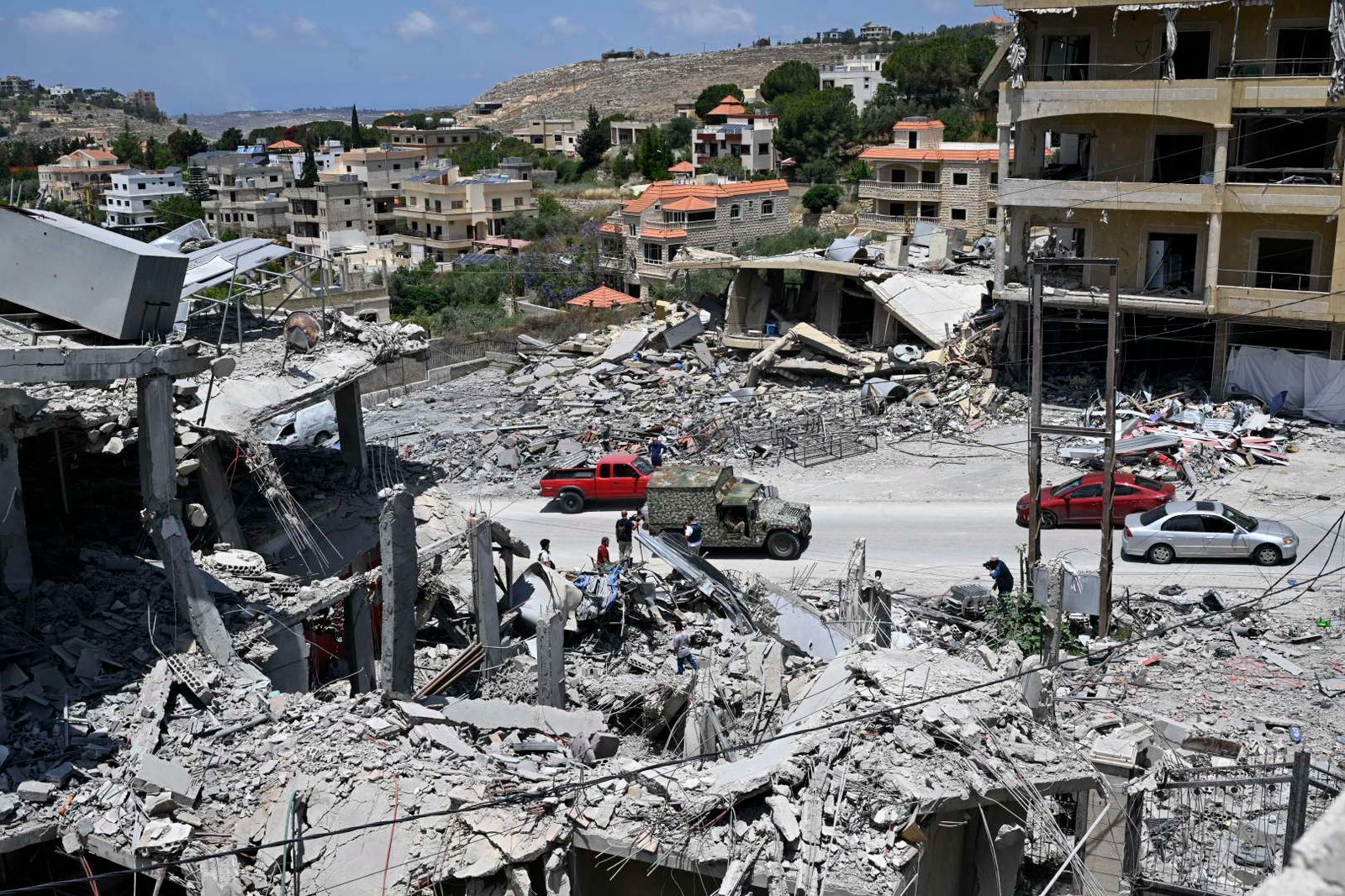
According to the same sources, when Trump first raised the issue a few weeks ago, he discussed it with the Lebanese president, who did not conceal his concern over the American president's remarks. The U.S. State Department later denied that Washington was attempting to push Al-Sharaa toward assuming a role related to the party in Lebanon.
The issue is not whether Al-Sharaa is capable of undertaking such a mission. He would face opposition not only from Hezbollah, should external powers seek to curb its influence, but from Lebanese across sectarian and political lines. Many still bear the memory of three decades of Syrian dominance in Lebanon, justified at the time as Syria's intervention to liberate Lebanon from the Palestine Liberation Organization.
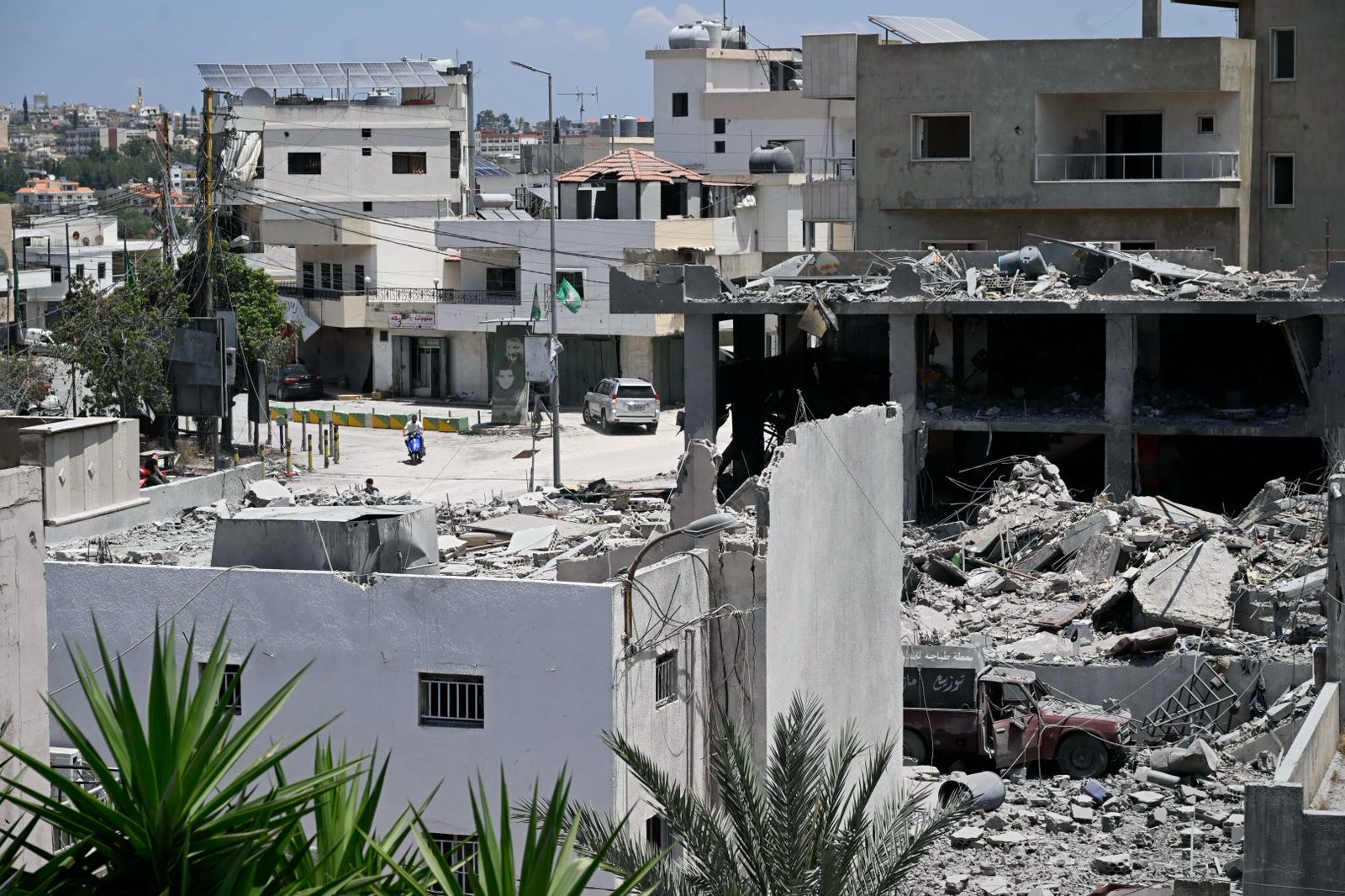
That period imposed immense civilian, social, and economic costs on Lebanon under Hafez Al-Assad and later his son Bashar—costs that many consider to have exceeded those resulting from Israel's 1982 invasion aimed at expelling the Palestine Liberation Organization.
There is also a profound difference between today's sectarian realities and those that prevailed during Syria's confrontation with the Palestine Liberation Organization. Any attempt to revive a similar dynamic could drag Lebanon and the wider region into a new historic sectarian conflict originating in Lebanon.
Many fear that the back-and-forth over the party's disarmament between Israel and Syria could pave the way for a return to earlier arrangements sought by Iran, replicating the April 1996 Understanding under new rules of engagement or through direct Iranian assurances regarding Israel's security.
Iran, they argue, will not abandon the party and is now using its agreement with the United States to provide political or security cover for the party's continued military presence, while bargaining over Lebanon as part of its negotiations with Washington.
At the same time, these developments raise concerns about what they reveal: either a lack of confidence in the Lebanese state's ability to address the issue itself, or despair over its capacity to do so in the foreseeable future.
The result would be a Lebanon left vulnerable to manipulation and traded within the framework of regional pressures and the equations currently being drawn.
Disclaimer: The opinions expressed by the writers are their own and do not necessarily represent the views of Annahar.