

Trump’s Iran deal faces Republican revolt as doubts grow in Washington
Divisions within the White House and mounting skepticism in Congress threaten to complicate the emerging agreement with Tehran.



 Messenger
 Whatsapp
 Threads
 Email
Email
 Print
Print
 X
X
 Facebook
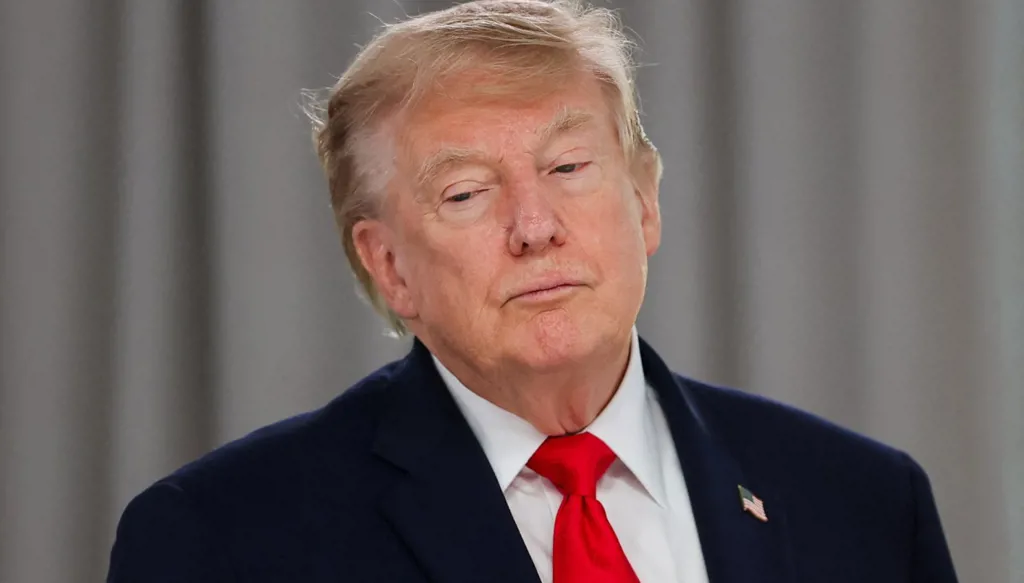


Doubts are mounting within Republican circles and the U.S. Congress over the emerging agreement between the administration of U.S. President Donald Trump and Iran.
The deal has exposed clear divisions within Trump's team between supporters who view it as an opportunity to end escalation and hawks who believe it entails significant concessions to Tehran.
Concerns center on the effectiveness of the nuclear guarantees and the mechanisms for implementing the agreement, turning it into an increasingly controversial issue in Washington.
CIA Director John Ratcliffe informed Trump and other senior officials that intelligence gathered by U.S. agencies raises serious doubts about Iran's willingness to make the nuclear concessions Washington seeks in any final agreement, according to Axios.
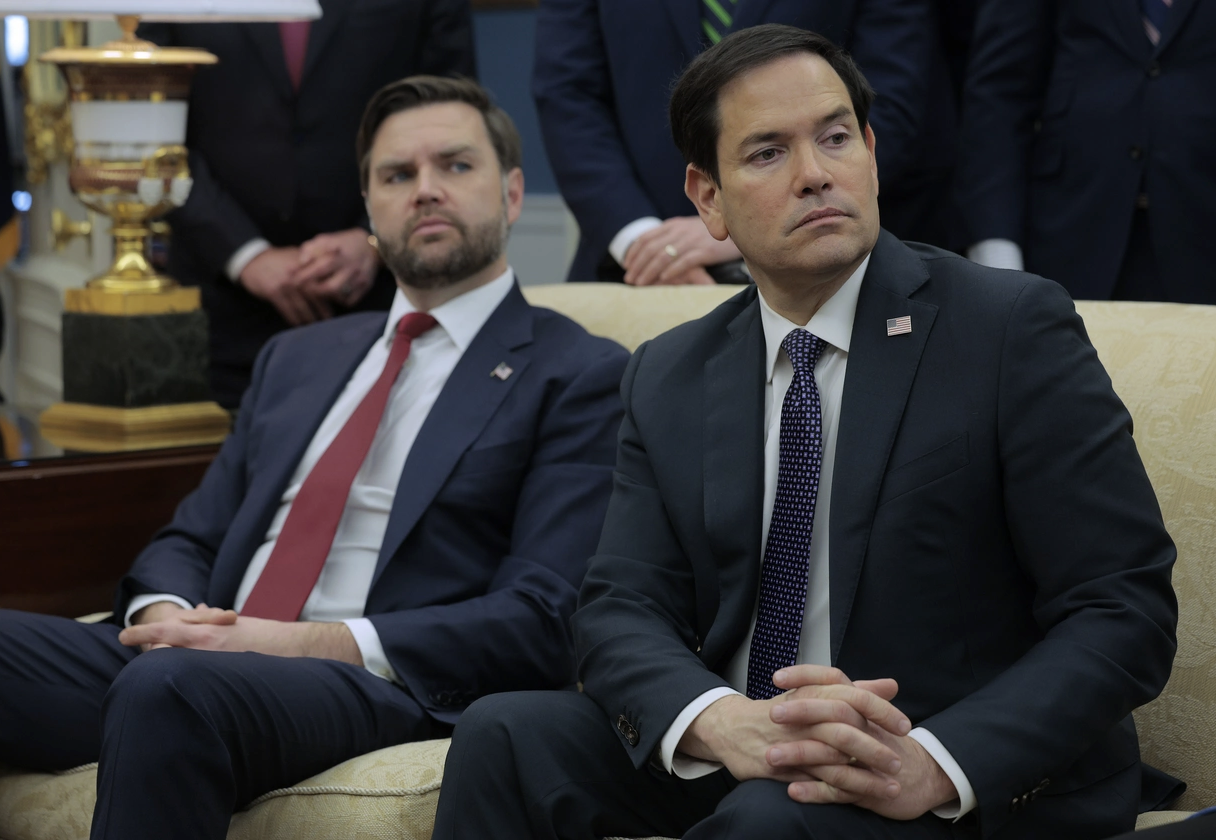
Ratcliffe is not the only skeptic within Trump's senior team. During internal discussions, Secretary of State Marco Rubio and Secretary of Defense Pete Hegseth expressed concerns and questioned the Memorandum of Understanding announced on Sunday. Meanwhile, Vice President J.D. Vance and U.S. envoys Steve Witkoff and Jared Kushner defended the agreement.
This division raises questions about its impact on the future of the negotiations between Washington and Tehran.
A Compromise?
Political science professor at Florida Atlantic University, Dr. Robert Rabil, told Annahar: "As long as Trump supports the agreement, the United States will be committed to it."
He added: "At the same time, there are already concerns that Iran may not make concessions on the nuclear file. That is why a period of 60 days, and possibly longer, was set to reach a compromise."
Rabil stressed that "there is already an understanding that a settlement could be reached. Otherwise, Iran will not gain access to the frozen funds. I believe the next phase will involve an intelligence war."
He noted that "this Memorandum of Understanding is a partial agreement and could collapse. However, both the United States and Iran remain keen to avoid open war."
Doubts in Congress
Trump's agreement with Iran has been met with a cautious and skeptical response in the U.S. Congress, despite being presented as a step toward ending the war and reopening the Strait of Hormuz. Both Republicans and Democrats are demanding further details before offering their support.
Senators are raising fundamental questions about how the agreement will be implemented and monitored, particularly regarding the future of Iran's nuclear program. They are also seeking clarification about the economic incentives Iran could receive.
While some Republicans have indicated they could support the agreement if it effectively prevents Iran from acquiring a nuclear weapon, prominent Republican senators Lindsey Graham and John Kennedy have emphasized the need to review the full text and ensure that strict inspection mechanisms are in place.
By contrast, Vance defended the agreement, insisting that Iran would receive no financial benefits until it fulfills its commitments.
Democrats, meanwhile, have focused on a different question: What has this agreement achieved that distinguishes it from the 2015 nuclear deal that Trump had previously criticized?
Hawks in the Republican Camp
When Trump launched military action against Iran in February, he risked alienating the non-interventionist base he had spent a decade cultivating. Now, as he seeks to extricate himself from this unpopular war, he increasingly appears at risk of angering the other side of his coalition: foreign policy hawks.
Suspicion is growing among Republicans who favor a hard-line approach toward Tehran. Leading conservative hawks fear that the White House may have made major concessions in pursuit of a swift settlement.
Although the full text of the Memorandum of Understanding has yet to be released, prominent Republican figures have voiced concern over the early indications surrounding the agreement. Conservative media outlets and commentators have also intensified their criticism.
Their concerns focus on the possibility that Tehran could retain part of its nuclear or missile capabilities, as well as reports of significant economic incentives that could include sanctions relief and reconstruction assistance.
Some conservatives argue that the emerging agreement resembles the nuclear deal Trump withdrew from during his first term, warning that it could undermine the president's longstanding rhetoric about the need for maximum pressure on Iran. Some have gone as far as accusing the administration of "surrender."
Conservative commentator Erick Erickson said: "Trump has surrendered to Iran... those killing Americans love this deal."
Similarly, Marc Thiessen, a former aide to George W. Bush, warned on Fox News that Trump's emerging framework closely resembles the deal negotiated by Barack Obama. After Vance appeared to confirm on Monday morning that Iran could receive a $300 billion reconstruction fund—although not financed by American money—Thiessen described the figure as "a disaster."