

US-Iran Understanding: Secrecy and Regional Fallout
As Washington and Tehran promote sharply different interpretations of a confidential memorandum, uncertainty over its contents and implications extends from the nuclear file to Lebanon and the broader regional balance of power.



 Messenger
 Whatsapp
 Threads
 Email
Email
 Print
Print
 X
X
 Facebook

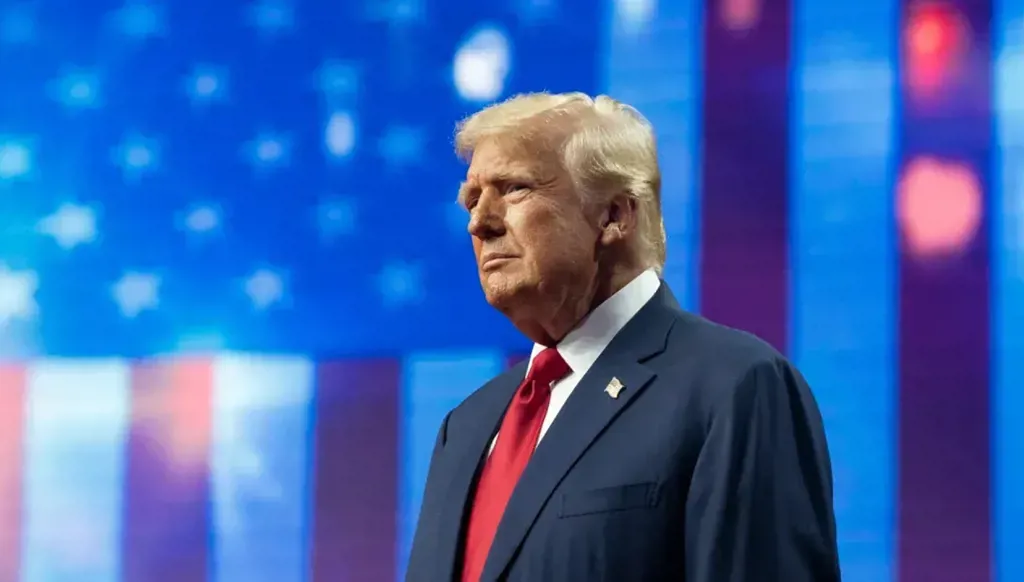


Washington and Tehran are cautious about revealing the final version of the memorandum of understanding that was signed electronically on Sunday and is scheduled to be signed in person in Geneva on Friday, in the presence of US Vice President JD Vance and the Iranian chief negotiator Mohammad Bagher Qalibaf.
Keeping the original text confidential until the moment of signing is intentional. The ambiguity and the space left for leaks allow both US President Donald Trump and the Iranian government to market the memorandum to hardliners on both sides. Signs of concern have already begun to emerge within the American camp, which had originally accepted the agreement reluctantly, such as Senator Lindsey Graham, who said: I am somewhat concerned because what Iran says about the memorandum differs from what the US negotiating team claims.
Deliberate ambiguity in Washington
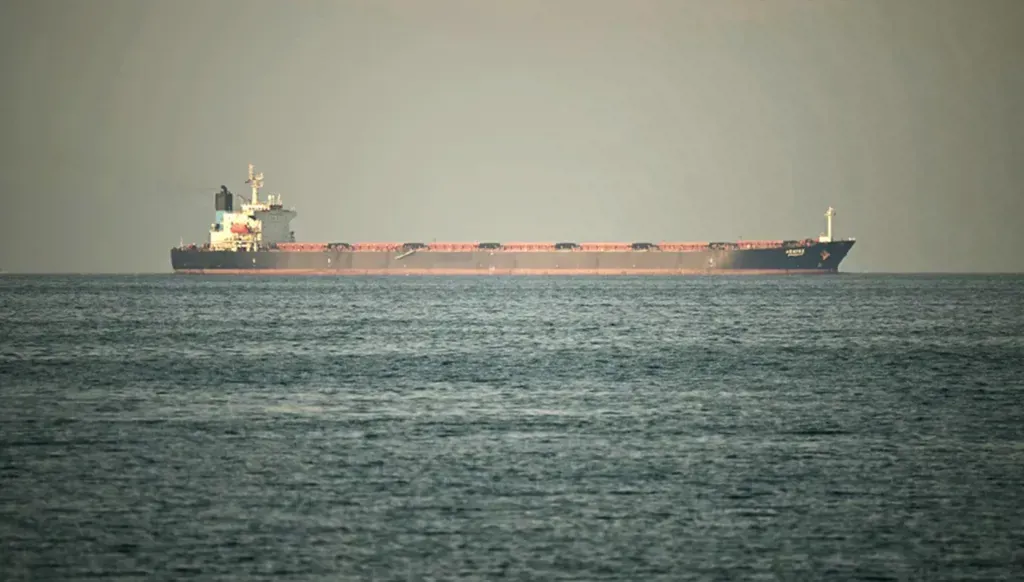
Trump focuses only on the idea that the memorandum forms a wall between Iran and the nuclear bomb. He does not explain how. Negotiations on the nuclear file have been postponed until after the official signing of the memorandum. He speaks about oil flow through the Strait of Hormuz and a sharp drop in prices, while other US officials do not expect shipping to return to normal levels before a month after the reopening of the strait, and possibly longer.
Trump says the United States will not pay money to Iran before ensuring Tehran complies with what will be signed, unlike the agreement signed by former US President Barack Obama in 2015, when Iran received 1.7 billion dollars of its frozen funds in cash. This incident continues to be repeatedly criticized by Trump.
However, Vance, who is playing an increasingly prominent role in the Iranian file, has suggested that the memorandum refers to an investment fund with capital of 300 billion dollars in which Arab Gulf states participate in order to rebuild Iran. This appears to be intended as an alternative to the United States transferring money directly to the Iranian government.
Tehran highlights gains and hides concessions
The Iranian positions are no less ambiguous than the American ones. Iranian officials deliberately emphasize what they have gained in terms of US concessions while ignoring what Tehran has given in return, in order not to anger the more hardline factions within the system, who believe that greater gains could have been achieved.
The spokesperson for the Iranian Ministry of Foreign Affairs, Esmaeil Baghaei, confirms that the memorandum of understanding stipulates that Iran will receive financial compensation for logistics services for ships passing through the Strait of Hormuz. Is this actually included in the memorandum?

Lebanon between the American and Iranian narratives
Lebanon is a key issue in the memorandum, according to the Iranian version, to the extent that Iranian Foreign Minister Abbas Araghchi highlighted Iran’s regional gains by saying: From our perspective, the two sides of this memorandum are the United States and Israel on one side, and Iran and Hezbollah on the other.
Iran presents the strong linkage between the Iranian and Lebanese tracks as a restoration of the idea of unity of arenas. Araghchi warned that any Israeli attack on Lebanon or continued Israeli occupation of Lebanese territory from now on, would be considered a violation of the memorandum of understanding.
American officials, however, say that the memorandum of understanding does not address an Israeli withdrawal from occupied Lebanese territory. Israeli Prime Minister Benjamin Netanyahu confirmed in a press conference on Monday night that he disagrees with Trump on some issues, in reference to his dissatisfaction with the memorandum of understanding, while Israeli media leaked information suggesting that Tel Aviv is satisfied with reducing military operations without addressing withdrawal or committing to a comprehensive ceasefire.
Israel is concerned that American negotiators are omitting any mention of Iranian missile capabilities or Tehran’s support for its allies in the region. However, a senior American official confirmed that Washington wants to block Iran from financing terrorism and causing regional instability.
In consideration of Israel, there have been repeated American assurances in recent days that if frozen Iranian funds are released in exchange for commitments in the nuclear file, the United States is keen to ensure how these funds are used, so that they do not go to strengthening Iranian military capabilities or fall into the hands of Tehran’s allies in the region.
Disclaimer: The opinions expressed by the writers are their own and do not necessarily represent the views of Annahar.