

White Phosphorus in Southern Lebanon: A Silent Threat
A long term investigation into the environmental, agricultural, and legal aftermath of white phosphorus use, and the struggle to document, understand, and repair its impact on southern Lebanon.




 Messenger
 Whatsapp
 Threads
 Email
Email
 Print
Print
 X
X
 Facebook
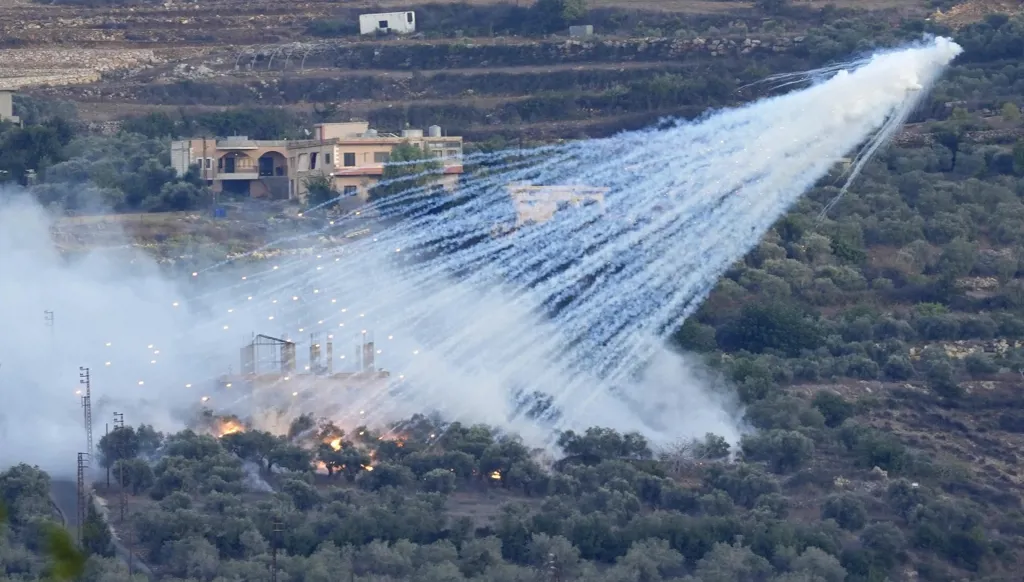


Despite four complaints submitted by Lebanon to the United Nations and the United Nations Security Council regarding Israel’s use of white phosphorus since October 2023, this incendiary substance is still being used in southern Lebanon, amid a lack of any effective accountability or deterrent measures.
The latest development to bring this issue back into focus is an investigation published by the New York Times, which documented Israel’s use of white phosphorus over populated areas, based on an analysis of video footage and images verified by experts and specialists.
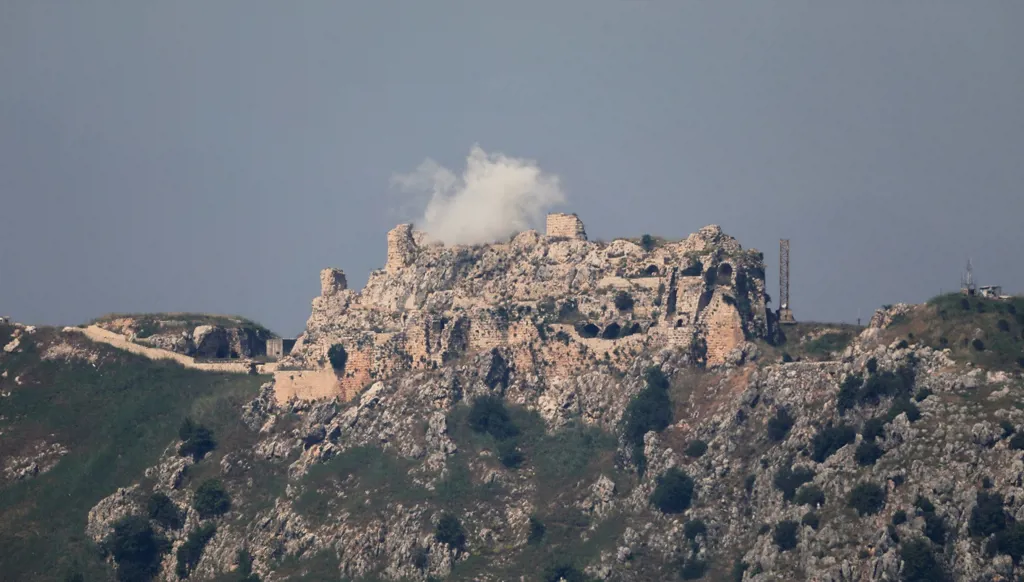
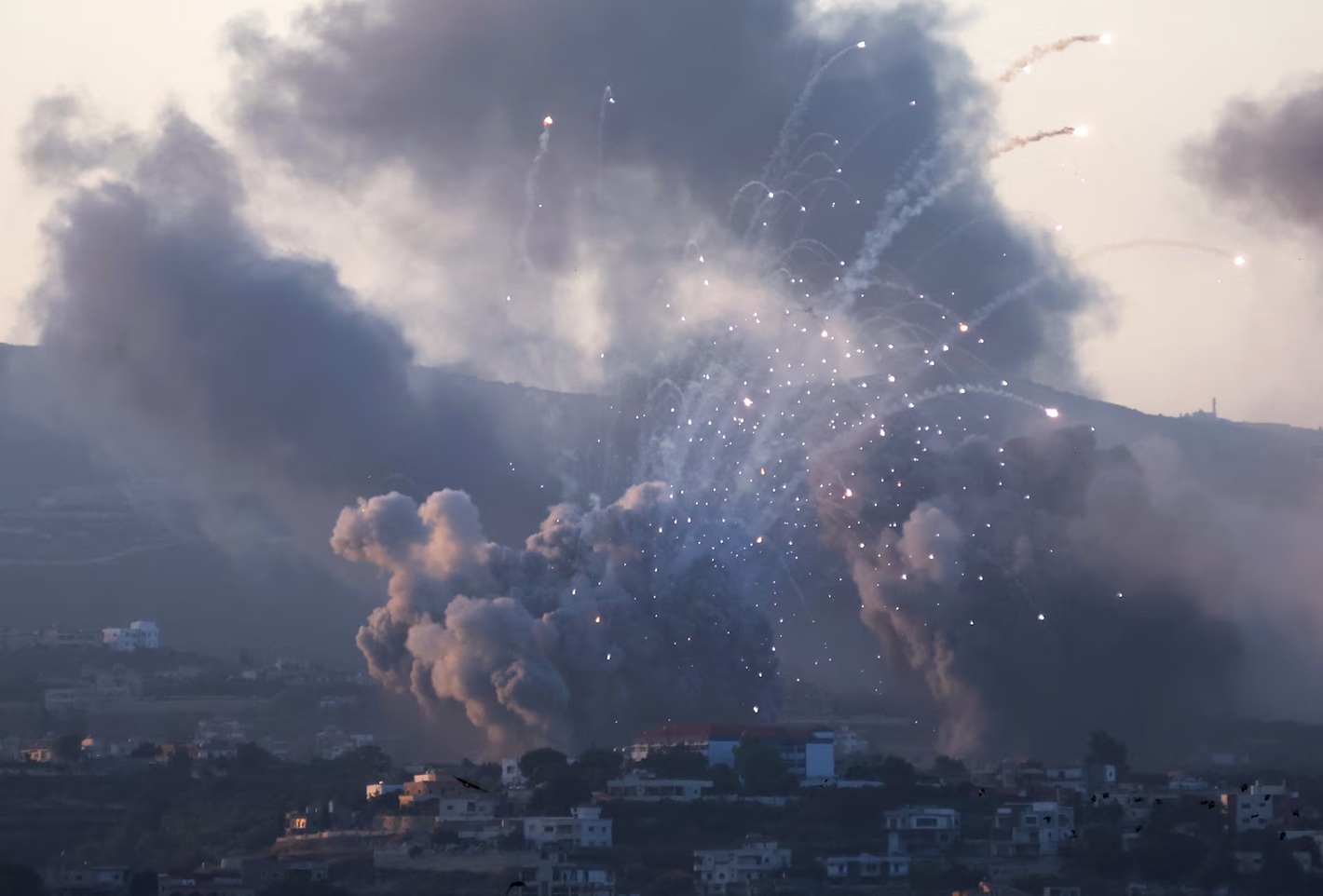
The investigation showed smoke trails from white phosphorus munitions over the city of Nabatieh on May 30, coinciding with Israeli forces taking control of the Beaufort Castle. It also documented its use around the city of Tyre and the towns of Qalya, Khiam, and Yahmar since clashes resumed in March.
This new documentation adds to a growing body of evidence indicating the continued use of white phosphorus in civilian areas, despite repeated human rights and environmental warnings.
Lebanon has repeatedly raised this issue at the United Nations, noting in one of its official letters submitted in July 2024 that more than 600 fires broke out in southern Lebanon as a result of the use of white phosphorus. However, Lebanon’s complaints have so far not led to a halt in the use of these munitions or the opening of a clear accountability process.
Qalya, Khiam, Yahmar, and Tyre join a long list of southern towns that have previously been subjected to white phosphorus shelling, including Zahira, Aita al-Shaab, and Kfar Kila among others.
The consequences of these attacks are not limited to the moment of bombardment; they extend to long term environmental and agricultural damage, especially since a large part of the targeted areas fall within restricted zones that residents have been unable to return to, resulting in the loss of successive agricultural seasons and the disruption of land use.
Long-term fires
Amnesty International had previously documented the effects of white phosphorus use in the town of Zahira, where the shelling forced residents to flee, while fires continued to burn in some homes and vehicles for days after the attacks.
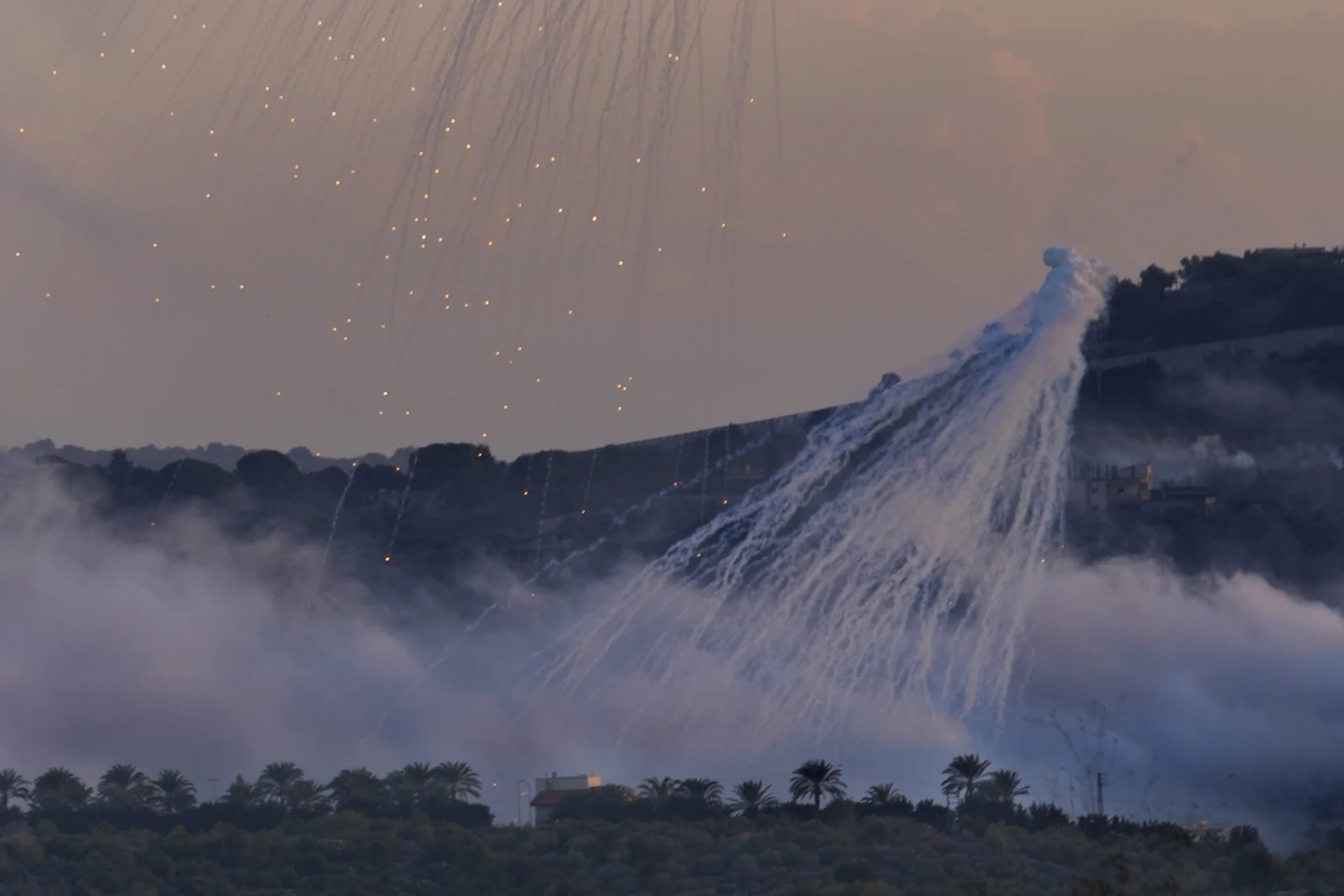
On October 17, 2023, Zahira was struck by white phosphorus shelling, which its municipal head, Naji al-Suwaid, described to Annahar as amounting to around 200 shells. The attack caused zero visibility, widespread displacement of residents, and injuries that required medical treatment.
“I suddenly felt suffocation and a severe burning in my eyes,” recalls paramedic Waheed Abu Sari, describing the moment he entered the town during the intense bombardment, when the rescue mission turned into a direct confrontation with a substance that burns the air before it burns the ground.
That day, Abu Sari was not alone in facing the effects of white phosphorus. Five paramedics were transferred to Al-Najat Hospital in Tyre suffering from acute shortness of breath and eye burns due to inhaling the smoke. He himself had to remain in the hospital for two days on oxygen support. Medical sources in the south told Annahar that around 150 similar cases were recorded during the same war, affecting civilians, farmers, and shepherds who were in valleys or on the outskirts of targeted towns.
Despite no similar human injuries being recorded in the Tyre district during the 2026 war so far, concerns have not eased, especially with the continued documentation of the use of this substance in several southern areas.
92 phosphorus shells in March and April 2026
Zahira is not an isolated case. Data from the National Council for Scientific Research shows that the use of white phosphorus extended to several southern border towns.
According to the Council’s documentation, the Israeli army fired 284 phosphorus shells between October 8, 2023 and November 27, 2024, the date the ceasefire agreement came into effect.
Council data also indicates that the use of this type of ammunition continued into 2026, with 92 phosphorus shells documented between March 2 and April 16, reinforcing concerns about the ongoing health and environmental consequences of these attacks on residents and agricultural land in the targeted areas.
In contrast, a report issued by the United Nations Development Programme documented the environmental damage caused by the 2023 war, noting that around 47,000 olive trees were burned or damaged as a result of white phosphorus shelling, marking one of the largest losses to agricultural cover in the border regions.
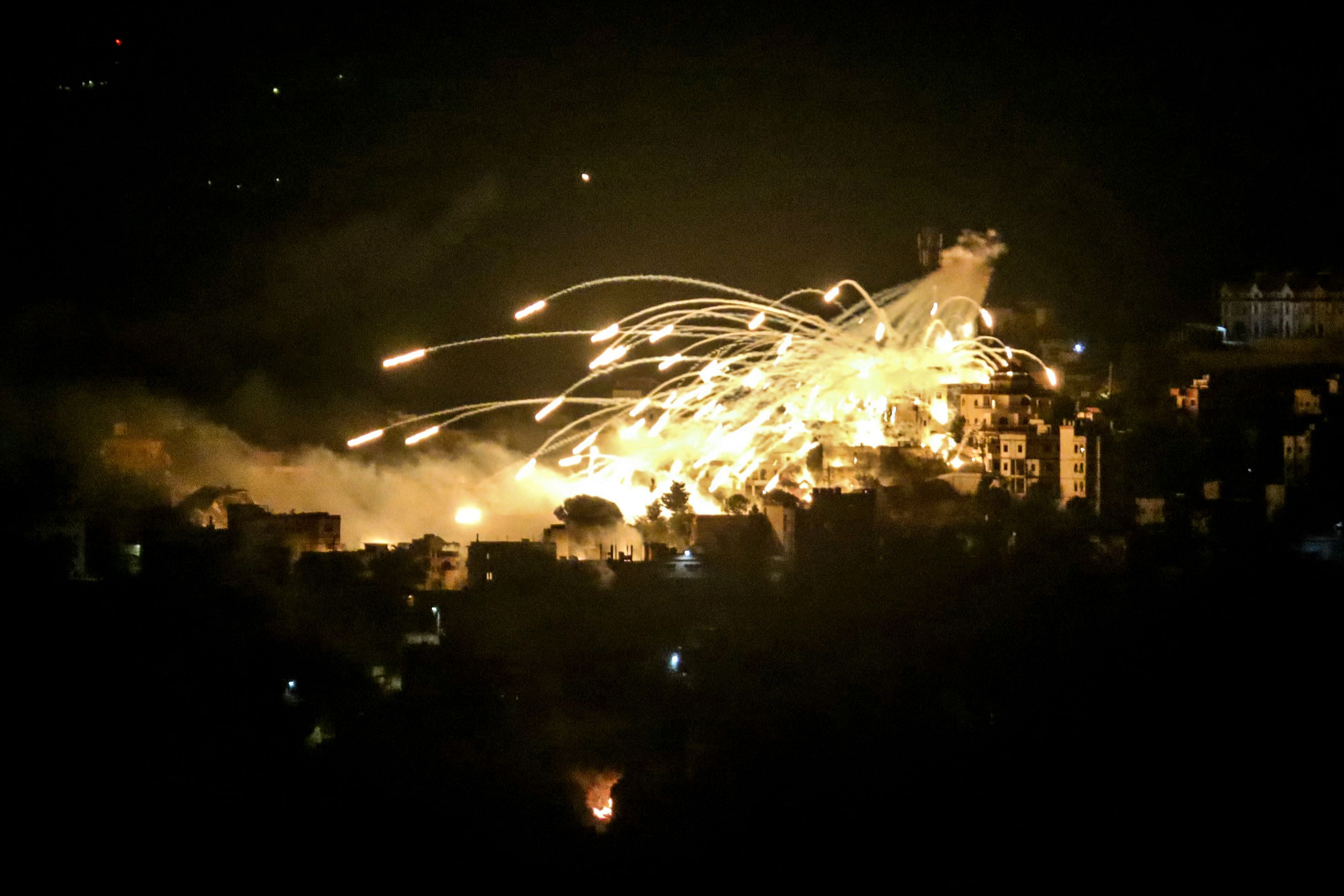
The complaints preserve "Lebanon's right to claim compensation and accountability" in the future
But can this new evidence, along with the New York Times investigation, strengthen Lebanon’s legal path toward international accountability?
Lawyer Fares Abi Khalil from the “Justicia” office notes that Lebanon has submitted a series of official complaints since October 2023. The first was filed before the United Nations Security Council on October 31 of that year, accusing Israel of using white phosphorus and deliberately causing widespread fires that destroyed large areas of Lebanon’s forests and woodlands.
On July 3, 2024, Lebanon submitted another complaint to both the UN Secretary General and the President of the Security Council, registered under the numbers (A/78/956) and (S/2024/525). It concerned the use of white phosphorus by Israeli forces inside Lebanese territory and the resulting environmental, agricultural, and humanitarian damage.
The Lebanese Ministry of Foreign Affairs also submitted a complaint to the Security Council regarding the targeting of agricultural land, farmers, and shepherds in southern Lebanon, relying on official statistics indicating hundreds of fires and thousands of dunams of damaged land as a result of white phosphorus use.
These complaints are based on the rules of international humanitarian law, particularly the provisions of Additional Protocol I to the 1977 Geneva Conventions, which require parties to conflicts to protect the natural environment and prohibit the use of methods of warfare that cause widespread, long term, and severe damage.
Lebanon also relied on Protocol III of the Convention on Certain Conventional Weapons, which restricts the use of incendiary weapons against civilians and in populated areas, in addition to reports issued by international organizations documenting the use of this material in southern Lebanon.
Abi Khalil believes that “although the chances of reaching sanctions or international criminal prosecutions remain limited due to international political balances, the importance of these complaints lies in legally establishing the facts, preserving evidence, building international responsibility, and keeping Lebanon’s right to claim compensation and accountability open in the future.”
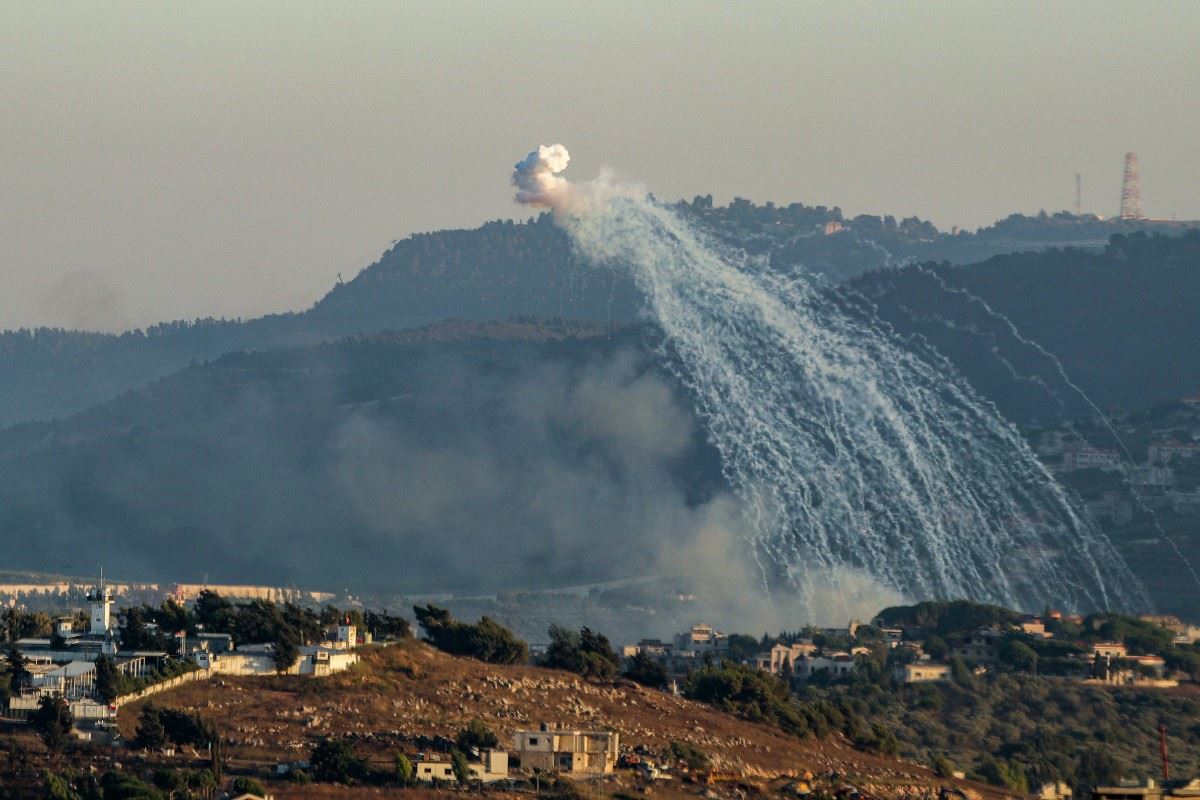
He cites several international precedents in which the legal controversy over the use of white phosphorus was raised, including the Battle of Fallujah in Iraq in 2004, the Goldstone Report on Gaza in 2009, as well as UN and human rights reports addressing the use of this substance in populated areas in Gaza and southern Lebanon.
In his assessment, the most likely scenario in the coming years is the continued documentation of violations and their inclusion in United Nations reports, along with the issuance of condemnation statements and international recommendations.
The establishment of an international investigative committee or fact-finding mechanism remains a possible option, but it would require broader political and diplomatic consensus.
As for reaching international criminal prosecutions or imposing binding sanctions, this remains the least likely option under the current balance of power within international institutions.
Why does Israel insist on systematically firing white phosphorus at southern Lebanon?
White phosphorus in archaeological sites
The ongoing Israeli shelling of southern Lebanon and Nabatieh has raised fears about its impact, including that of white phosphorus, on archaeological sites. This hidden damage had not previously been discussed.
In this context, MP and researcher Najat Aoun Saliba explains that “white phosphorus reacts in the air and turns into acidic compounds, most notably phosphoric acid, which poses a direct threat to buildings and archaeological sites, especially those built from limestone.”
She adds that “the acidic substances resulting from this reaction lead to the erosion or deterioration of stone, as they react with its limestone components.” She therefore stresses the importance of documenting these violations and monitoring their effects, in preparation for submitting them to relevant international bodies, primarily UNESCO and the United Nations.
In contrast, the possibility that a portion of white phosphorus residues may remain in the environment raises questions about its long term effects on soil and water, an issue that requires specialized field studies and analyses to accurately determine its scale.
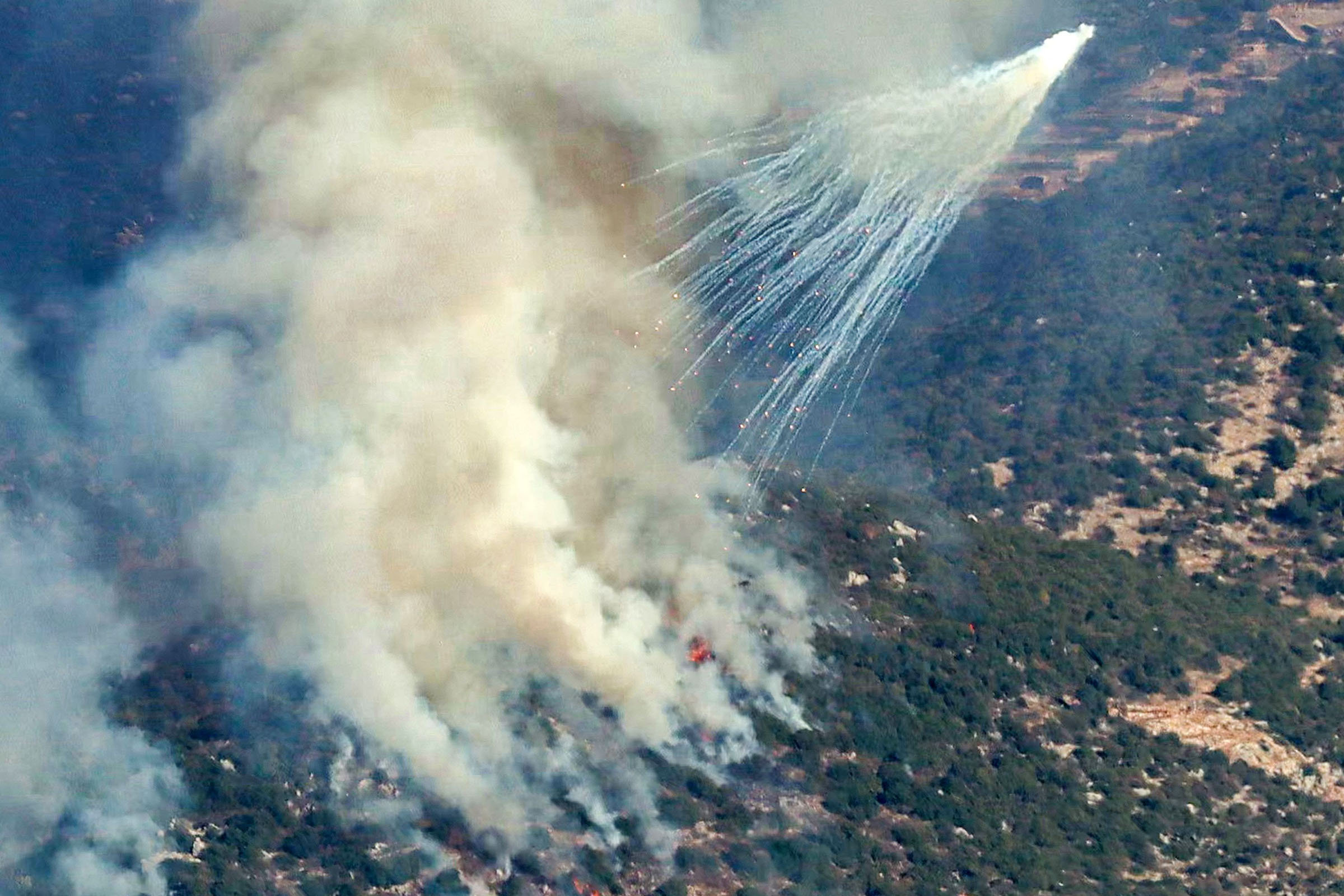
This aligns with established scientific facts about white phosphorus, which ignites upon contact with oxygen, generating intense heat that can exceed 800 degrees Celsius. This leads to the burning of vegetation cover and agricultural crops in targeted areas.
This has been reflected in several key crops in the south, particularly tobacco, olives, citrus fruits, and bananas, with large areas of these plantations suffering burning or damage during the war.
134 soil samples
In parallel with documenting field damage, the Ministry of Agriculture prepared a series of reports during the two wars (2023–2024 and 2026) to monitor agricultural and environmental losses.
More than 134 soil samples were collected from affected areas, and the results of some of them showed traces of white phosphorus, reinforcing concerns about the long term environmental consequences of this substance.
In interpreting these findings, two main perspectives emerge among observers and experts.
The first warns of significant damage that may affect soil, vegetation cover, and surface water resources, with the possibility of long term impacts in some areas that were subjected to intense and repeated shelling.
The second view holds that the actual scale of impact cannot be precisely determined without completing laboratory studies and long term environmental surveys that measure pollution levels and its persistence in the environment.
White phosphorus is classified as an incendiary chemical substance used for multiple military purposes, most notably for camouflage, creating smoke screens, or causing fires. When a shell detonates, burning particles of phosphorus scatter over a wide area upon contact with oxygen, generating high heat and dense smoke, which explains the extent of damage that can affect agricultural land, vegetation cover, and populated areas within the target area.
What comes after documentation?
This is the question that arises after assessing and documenting the scale of the damage.
Raad believes that the first step in addressing the consequences of white phosphorus shelling begins with acknowledging the extent of the losses and compensating those affected, noting that around 23,000 farmers have registered on the platform established by the Ministry of Agriculture for this purpose.
He also points out that the ministry has provided some assistance to displaced farmers or to those whose lands have been so severely damaged that returning to them or restoring them has become extremely difficult under the current security conditions.
However, according to him, the response cannot be limited to direct compensation. It also requires declaring an environmental emergency in the most affected areas, placing the agricultural sector at the core of recovery priorities.
This includes developing a sustainable plan for rehabilitating damaged lands, alongside conducting regular soil tests in areas that were heavily exposed to white phosphorus shelling, in order to accurately determine contamination levels and monitor the possibility of its seepage into groundwater in the medium and long term.