

Post-war recovery: How will the markets bounce back?
From immediate financial relief to delayed real economy adjustment, the return to pre-crisis conditions unfolds in waves rather than all at once.



 Messenger
 Whatsapp
 Threads
 Email
Email
 Print
Print
 X
X
 Facebook



If a framework agreement is signed between the United States and Iran, the key economic question is: when does the market believe that the war is truly over? In financial markets, belief happens quickly. Energy markets, however, require ships to start moving, insurance to return, ports to operate, stocks to be rebuilt, and a political decision that proves stable for more than just a few weeks.
At first, prices rose due to fear. Then fear turned into an actual shortage: ships were stuck, tankers were waiting, and insurance companies either raised coverage costs or withdrew. For this reason, returning to the situation before February 28, 2026 will not happen in a single step. Equities may recover their levels within days or weeks. Oil needs months. Shipping and insurance need even more time. As for the real economy, from inflation to growth, it may take until 2027 to fully absorb the shock.
Is signing the agreement enough to immediately restore markets?
No. Signing reduces the risk premium, but it does not immediately restore supply. Financial markets move on expectations, so stocks rise and oil prices fall the moment news of an agreement appears. The real economy, however, moves on facts. Has the strait actually reopened? Have tankers returned? Do insurance companies accept to cover voyages? Have attacks stopped? Have oil sanctions on Iran been effectively lifted in practice rather than only in statements?
Therefore, the recovery can be divided into three stages.
The first stage extends from the day of signing to two weeks. During this stage, fear declines quickly, oil prices fall, stocks improve, bond yields decline, and the dollar weakens slightly as demand for safe havens fades. However, this remains a psychological and financial phase more than a phase of real supply changes.
The second stage extends from two weeks to three months. Here ships begin to move gradually, stranded tankers leave, new tankers enter for loading, and refineries start receiving more regular shipments. During this stage, Brent crude could fall to a range of 75 to 85 dollars if no new incidents occur in the Strait of Hormuz.
The third stage extends from three to nine months. This is the phase of rebuilding inventories, restoring shut-in production, and fully restarting shipping supply chains.
Only then can we speak of oil returning close to pre war levels, around 70 dollars or slightly lower, provided tensions do not return and no new fees or restrictions are imposed on passage through the strait.
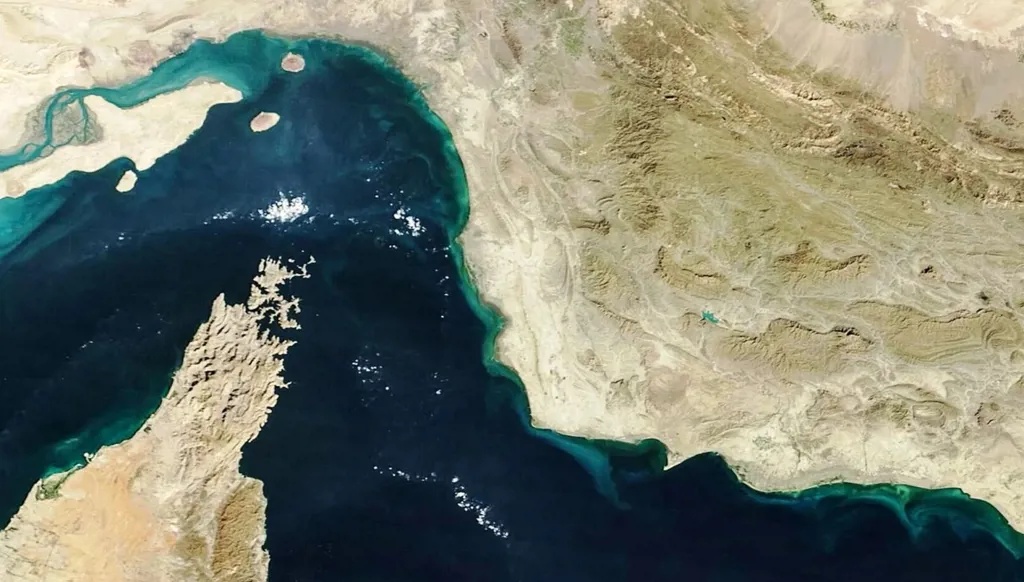
Oil: the slowest and most important recovery
Oil prices will not return to pre February 28 levels simply because the Strait of Hormuz reopens.
During months of war, the market lost a significant share of its inventories and flexibility.
Stocks that are drawn down over a month usually take months to rebuild. Fields that were shut in or had production reduced do not all return to maximum capacity through a single administrative decision.
The closest estimate is as follows. If the strait is clearly reopened without disruptive fees, and if oil waivers for Iran begin, oil may need two to four months to approach the 70 to 75 dollar range.
A full return to pre war levels, around 65 to 70 dollars, could take until the beginning of 2027.
However, this scenario depends on three conditions:
First, that no new strikes occur in the Gulf, Lebanon, or Iraq.
Second, that reopening Hormuz does not become conditional, with fees, inspections, or political restrictions that create a permanent risk premium.
Third, that oil sanctions on Iran are lifted or suspended in a way that allows buyers, especially in Asia, to deal with Iranian oil without fear of secondary sanctions.
Lifting oil sanctions on Iran would lead, albeit slowly, to lower prices
Lifting sanctions or granting exemptions on Iranian oil could be the biggest factor in accelerating recovery. If given legal and financial space, Iran can bring hundreds of thousands of barrels per day back to the market and then gradually increase that volume. This means more supply, more confidence, and downward pressure on prices.
But the issue is not only technical. Iranian oil requires buyers, banks, insurance companies, tankers, and payment systems. After months of war and restrictions, none of this will return in a single week. Companies will wait for clarity in legal frameworks, not political statements.
Therefore, the oil impact of sanctions may begin within weeks, but it becomes more visible after two or three months.
If Iranian oil enters the market gradually, alongside the return of Gulf exports through Hormuz, the pace of price recovery toward prewar levels could accelerate. But if sanctions remain partially suspended, or if exemptions are temporary and conditional, the market will continue to price in the risk of renewed escalation.
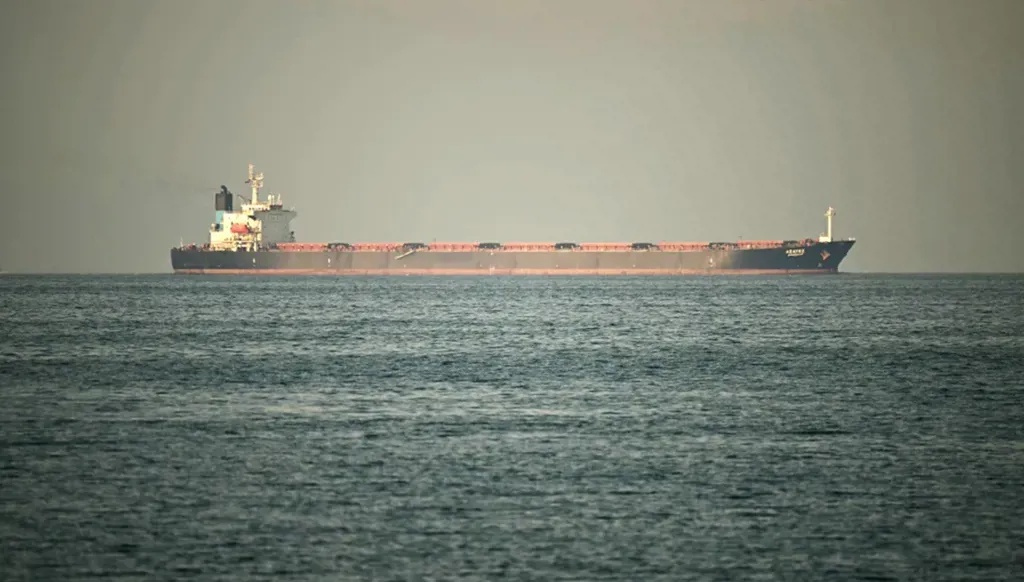
Gas, shipping, and insurance: recovery requires trust, not announcements
Liquefied natural gas is more sensitive than oil in some respects because its contracts, cargo flows, and logistical infrastructure are less flexible. Qatar, for example, depends on safe passage through the Strait of Hormuz. When that route becomes risky, it is not only the cost of shipments that rises, but also the scheduling stability of importers in Asia and Europe that is disrupted.
For this reason, gas prices may fall quickly after an agreement, but normalising the market could take three to six months. The reason is that shipping and insurance companies do not move according to political sentiment, but according to risk assessment.
If the possibility of mines, attacks, or fees remains, insurance costs will stay elevated even if oil prices decline.
In shipping, the recovery may happen in two stages. Transit may resume within days or weeks, followed by a return of normal costs within two to four months.
However, if Iran or Oman insist on new fee arrangements or a new governance structure for the strait, part of the cost may remain higher than before the war.
Stocks and financial markets: the fastest to recover
Equities typically recover before the real economy because they price the future rather than the present. It is therefore natural that markets rose as soon as signals of an agreement emerged.
The sectors that benefit most are airlines, transport, manufacturing, automotive, tourism, and energy importing markets such as Europe, Japan, and South Korea.
Oil companies, however, may decline as lower crude prices reduce expected profits.
If an agreement is signed and implemented without major violations, US and Asian markets may need one to three weeks to return to pre February 28 levels, if they have not already exceeded them due to the technology and artificial intelligence boom.
Europe may need a similar or even shorter period, as it was more affected by high energy prices and therefore benefits more from their decline.
However, this financial recovery remains fragile. Any strike in Hormuz, attack in Lebanon, or dispute over the Iranian nuclear file could erase part of the gains within a single day. Therefore, financial markets recover quickly, but they only truly stabilise after 30 to 60 days without a major incident.

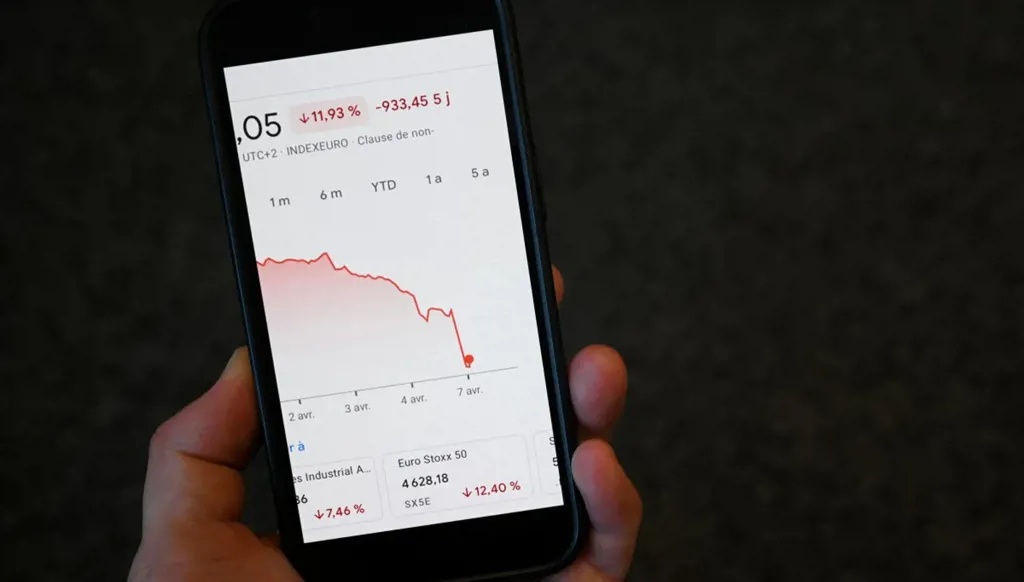
The return to pre February 28 levels does not happen in a single day. It can be estimated as follows:
- Global equities: from a few days to three weeks.
- The US dollar, bonds, and interest rate expectations: from two weeks to two months.
- Oil: two to six months for a near return, and possibly until late 2026 or early 2027 for a full return.
- Liquefied natural gas: three to six months.
- Shipping and insurance: two to four months, and potentially longer if fees or restrictions on Hormuz remain.
- Inflation: three to six months for the effect to become visible in the data.
- Global growth: in most cases, it does not return to the pre war trajectory before 2027.