

Shebaa Farms dispute stalls amid regional silence and Israeli security posture hardens
With no Lebanese or Syrian decision on sovereignty and Israel rejecting withdrawal from southern Lebanon, diplomacy remains frozen while negotiations focus on broader security arrangements rather than territorial resolution.



 Messenger
 Whatsapp
 Threads
 Email
Email
 Print
Print
 X
X
 Facebook
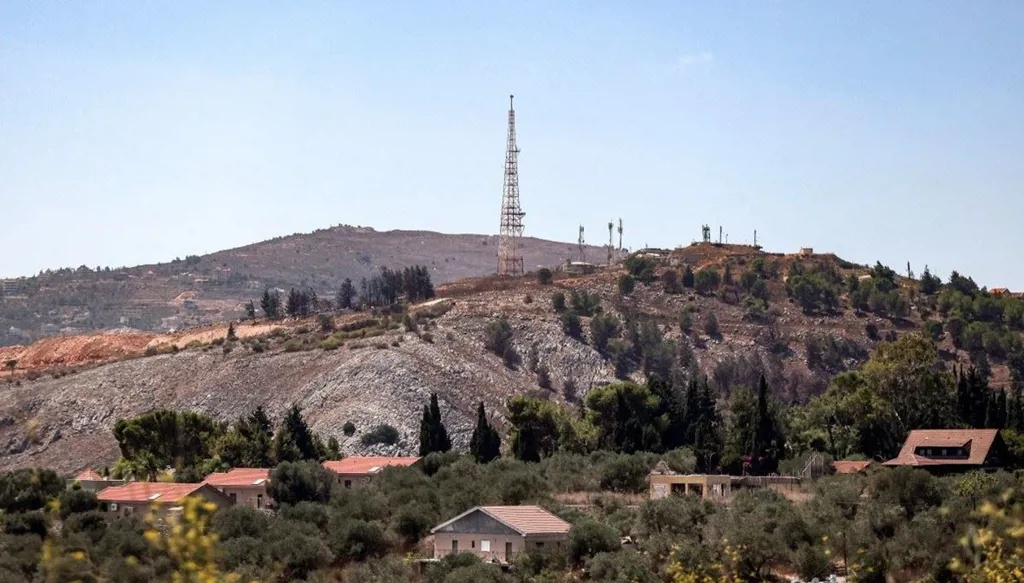


Any regional negotiations regarding the Shebaa Farms remain postponed, and there is still no official Lebanese or Syrian decision on whether they are Syrian or Lebanese territory, nor has Israel withdrawn from its control so far.
According to official Lebanese government data provided to Annahar, Lebanese-Syrian consultations took place during government meetings held by ministers from the government of Prime Minister Nawaf Salam concerning the issue of the Shebaa Farms.
It became clear that the Shebaa Farms issue is not a priority for the administration of Syrian President Ahmed al-Sharaa. Instead, the Syrian side focused in its consultations on more urgent matters, including the issue of Syrian prisoners in Lebanese prisons.
The two countries had already signed, months ago, an agreement to transfer convicted prisoners from the country where the sentence was issued to the country of the convict’s nationality, in the presence of the Lebanese Prime Minister Nawaf Salam and the Syrian Minister of Justice Mazhar al Wais.
The Lebanese Syrian governmental discussions focused mainly on economic cooperation between Lebanon and Syria. The Syrian government preferred not to issue any political position regarding the Shebaa Farms dispute, whether they are Syrian or Lebanese, as the matter still requires further study before any decision is made.
In any case, the Lebanese government does not expect any impact from any US Iran agreement on the situation in southern Lebanon, and there are no official Lebanese indications or expectations of an imminent Israeli withdrawal from areas in southern Lebanon or any likelihood of such a withdrawal happening easily.
There is also no linkage or expectation that any US Iran agreement would include an Israeli withdrawal from southern Lebanon. Instead, the expectation is limited to reducing Israeli strikes and reinforcing an equation of neutralizing the southern suburbs of Beirut in parallel with neutralizing Israeli northern settlements.
However, what the Lebanese government is counting on is that the Lebanese negotiating delegation will continue direct negotiations with Israel to discuss Israeli withdrawal and to reach a security agreement between the two states.
The Israeli Defense Minister Israel Katz did not hesitate to confirm that there is no Israeli intention to withdraw the Israeli army from areas in southern Lebanon that it took control of during the ongoing war this year. He expressed a decision for the army to remain in the “security zones,” including inside Lebanon, in order to protect the borders and Israeli settlements, and to “clear” border villages of residents and homes.
He considers that the seizure of these security areas is one of the greatest achievements of the army, carried out under decisions of the political leadership. While he opposes any Israeli withdrawal from Lebanon despite all pressures, he also noted that Prime Minister Benjamin Netanyahu had made this position clear to US President Donald Trump and other senior American officials. Katz also conveyed the same position to US Secretary of War Pete Hegseth. The Israeli army also opposes any withdrawal from a professional security standpoint.