

Trump–Iran deal sparks political fallout as fragile ceasefire faces uncertainty
A preliminary agreement to end the conflict and reopen the Strait of Hormuz has eased global markets, but it exposes deep divisions inside U.S. politics, strains alliances, and leaves key questions about Iran’s nuclear program unresolved.



 Messenger
 Whatsapp
 Threads
 Email
Email
 Print
Print
 X
X
 Facebook
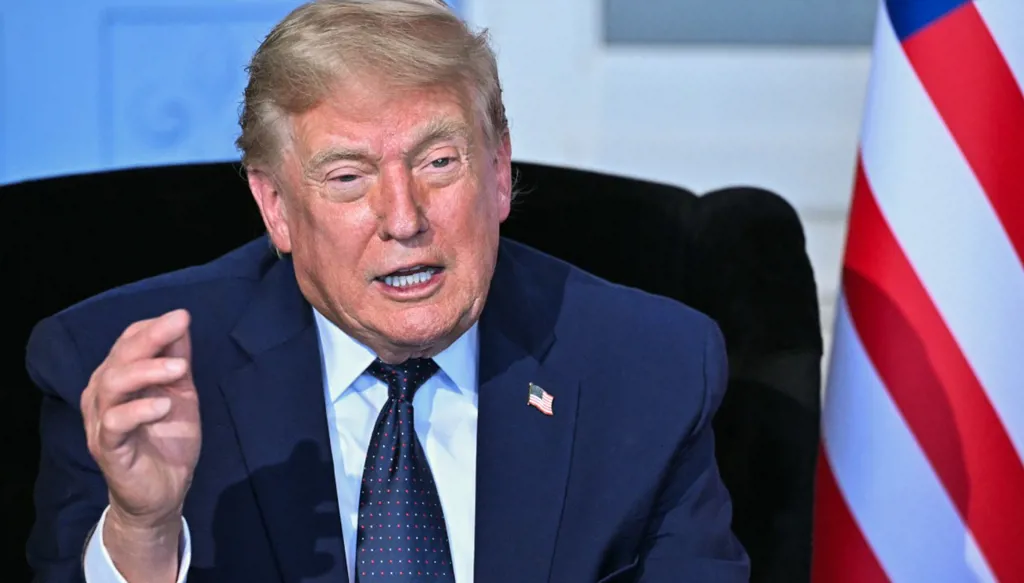


The administration of U.S. President Donald Trump and the Iranian leadership agreed yesterday, Sunday, on terms to end the conflict between them and reopen the Strait of Hormuz, a development that generated significant relief in global markets.
However, although the agreement represents an opportunity for Trump to exit a war that has consistently proven unpopular with American public opinion, it also exposes him to criticism from within his own Republican Party, skepticism from allies, and questions about the durability of the agreement.
Strong criticism within the Republicans
By Monday, some supporters of a hardline approach toward Iran within the Republican Party strongly criticized the agreement, describing it as a tactical disaster.
Eric Erickson, an influential conservative figure, wrote on the platform X: “Trump surrendered to Iran.”
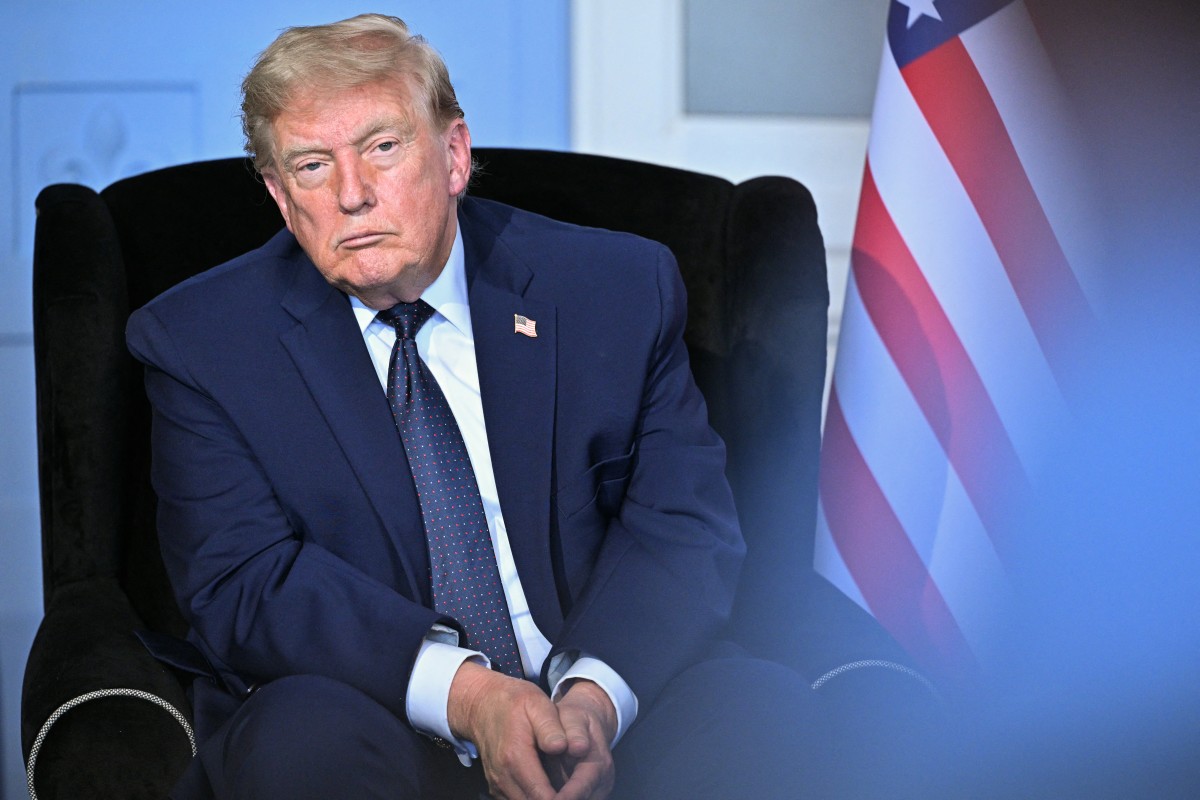
The U.S. Senator Lindsey Graham, an ally of Trump and a supporter of the war, said in a post on X yesterday, Sunday, that he was “somewhat concerned” that Iran’s description of the preliminary agreement differs from the White House’s description.
Vice President J. D. Vance, one of the less hawkish members of the president’s team, rejected the early criticism. In an interview with ABC on Monday, Vance downplayed the likelihood of Iran immediately receiving some of its frozen assets, saying that it would only receive those funds if it met certain conditions related to its nuclear program.
With Republicans having long grappled with deep divisions between advocates of isolationism and proponents of interventionism in foreign affairs, any renewed internal split ahead of the November midterm elections, where Republicans will try to defend their narrow majorities in both the House and the Senate, could portray the party as being in a state of chaos.
From the perspective of American consumers
Analysts expect gasoline prices to decline, but they will likely remain higher than pre-war levels for some time, meaning voters will probably continue to face elevated fuel prices as the elections approach.
The strait, through which about 20 percent of global oil supplies passed before the war, is not expected to fully reopen until Friday.
David Gornby, head of global oil markets at ICIS, a market intelligence firm, said: “Realistically, the return of flow volumes to pre-conflict levels will have to wait until 2027.”
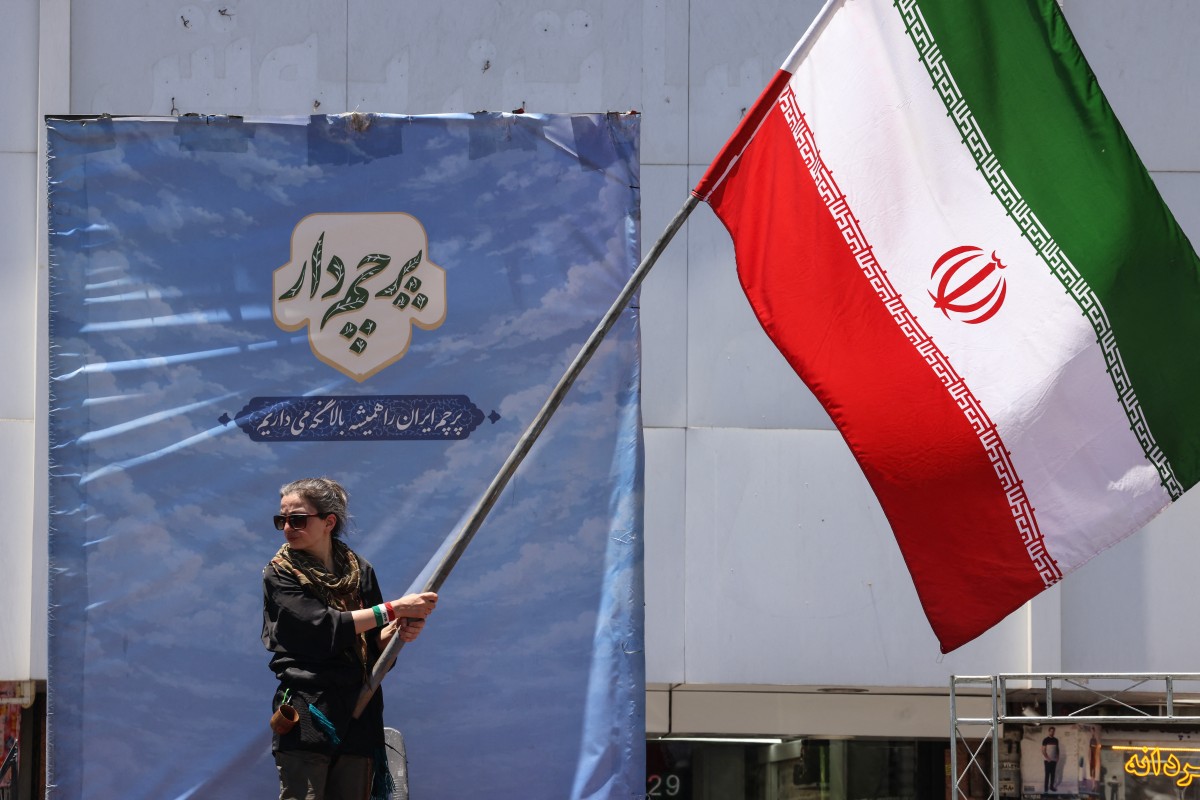
This delay could reduce any political gains that Trump and the Republicans might achieve, especially as voters remain focused on the pressures of the cost of living. By early June, around 70 percent of Americans were dissatisfied with Trump’s handling of these concerns.
Inevitable comparisons with the Obama agreement
One of Trump’s recurring positions regarding Iran is that the agreement reached by the United States under former President Barack Obama with the Islamic Republic, known as the Joint Comprehensive Plan of Action, was a disaster.
Trump has repeatedly and sarcastically pointed out that the Democratic administration of former President Barack Obama sent shipments of cash to Tehran in a move that was intended to settle a long-standing financial dispute, while also facilitating the conclusion of the agreement.
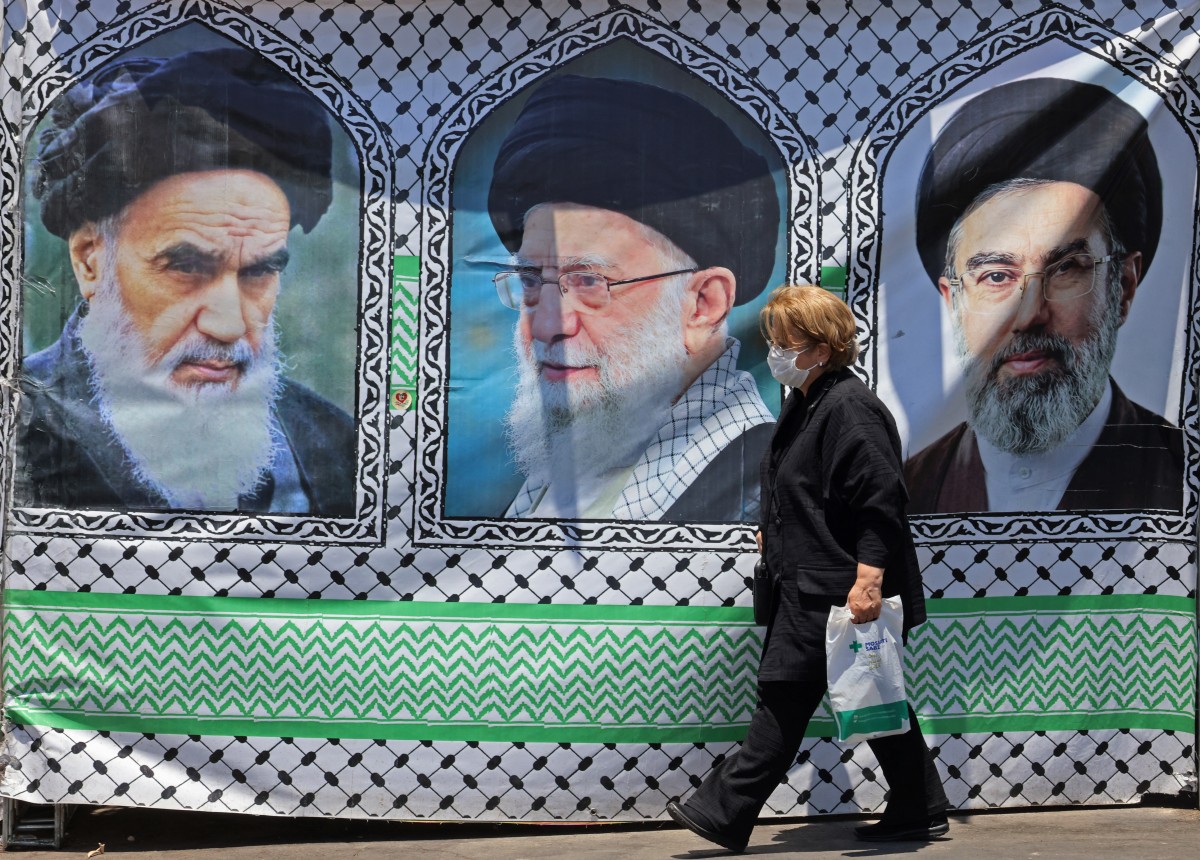
And now, as Trump negotiates a nuclear agreement, he risks exposing himself to attacks from Democrats if the final deal is not clearly better than the Joint Comprehensive Plan of Action.
Because the details of the current agreement are unclear, a direct comparison is difficult. However, Trump’s advisers said he has expressed concern in private conversations about ensuring that his deal is seen as better than Obama’s agreement.
One of the main concerns among skeptical conservatives is whether the United States will allow Iran access to its frozen assets, and to what extent.
Volatile agreement, uncertain results
Another major risk is the possibility of fighting breaking out again, which could drive energy prices back up at a time when voters are focused on the midterm elections.
Israeli leaders have expressed anger in private conversations, viewing the preliminary agreement as a form of surrender at a time when Israel and Washington were close to defeating Tehran. Some hardline conservatives in Tehran also feel dissatisfied, believing that their leaders should have held out longer.
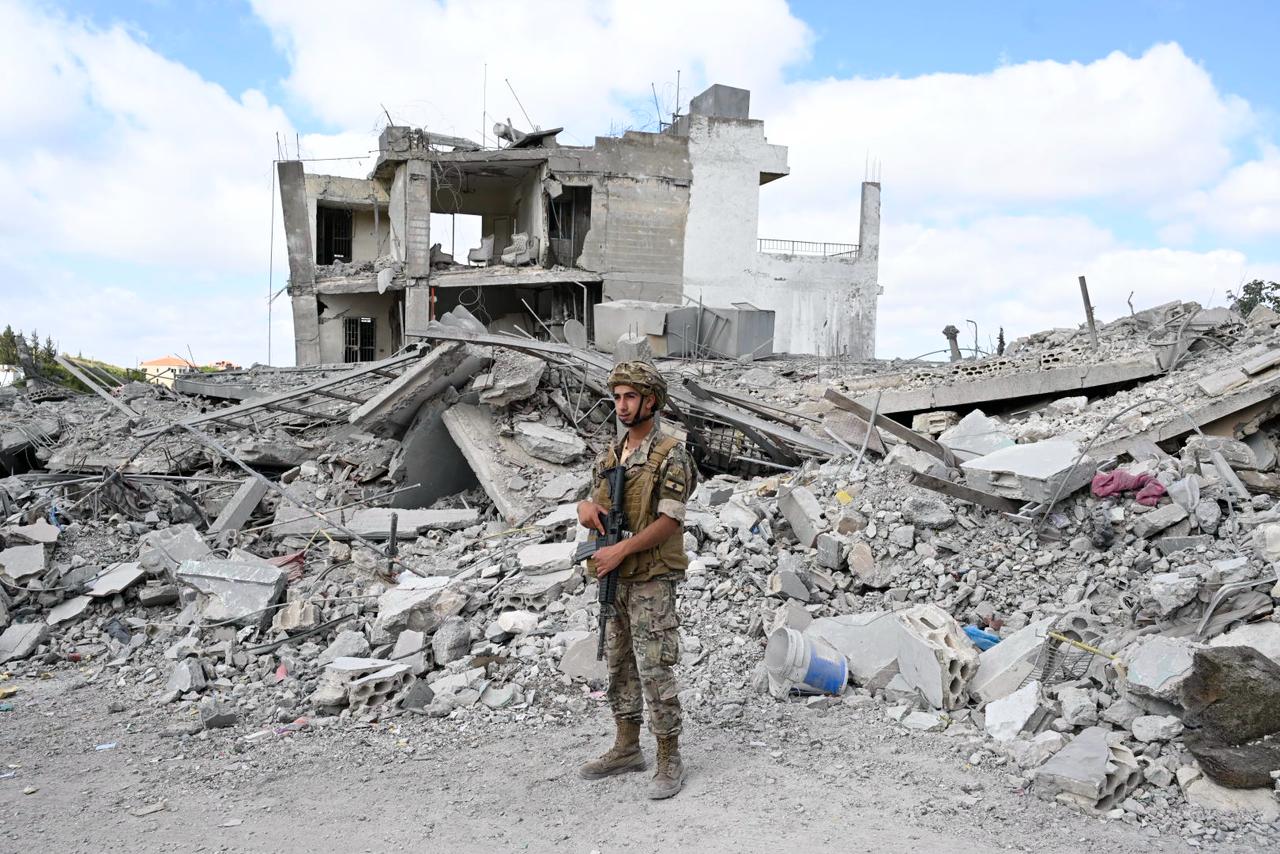
Israel struck Lebanon yesterday, Sunday, in a move that upset Trump and appeared to delay the agreement, even if only by a few hours. Israel also killed one person on Monday in another strike on Lebanon, underscoring that the conflict is still ongoing.
US alliances tested: Israel, NATO, the Gulf
The war, and its resolution, have tested Washington’s alliances in different ways.
Jonathan Rynhold, a political scientist at Bar-Ilan University near Tel Aviv, said Israeli officials will struggle to convince their voters of the agreement. He added that the best political scenario for the Israeli government would be for negotiations with Iran to quickly collapse and for the war to resume.
Relations between Trump and European leaders have reached their lowest point, as the U.S. president has criticized NATO countries for not joining U.S. and Israeli war efforts. Trump is currently in France attending the annual G7 summit, where this tension may become visible.
Leaders in Muscat were shocked earlier this month when Trump threatened to bomb Oman, saying it was planning to introduce a fee collection system with Iran in the Strait of Hormuz.
What's the possibility of the agreement collapsing?
The interim agreement has essentially postponed the more complex issues. As of Monday, it was still unclear what would happen regarding Iran’s nuclear program, and both sides have different accounts of what has been agreed so far.
Tehran and Washington now have 60 days to reach a broader deal, a major task given that the two countries have been in dispute over Iran’s nuclear program for decades.
Trump has said he may resume strikes if a deal cannot be reached, a move that would likely anger voters, given that public opinion polls show limited acceptance of the war in the first place. However, if Trump defies expectations and secures a significant agreement with Iran, it could hand Republicans a political victory.
Charlie Gerow, a Republican analyst based in Pennsylvania, said: “The Iranian record of keeping promises is very poor, so one of the questions is when this issue will blow up.”
He added: “If Trump, through other means, manages to make it work, I think that would be very positive for him and his administration.”