

Gulf states and Iran after the war: Between cautious reopening and deep-rooted distrust
As a US Iran understanding halts months of regional conflict, Gulf countries diverge in their responses, balancing hopes for stability with lingering security concerns and unresolved memories of war.




 Messenger
 Whatsapp
 Threads
 Email
Email
 Print
Print
 X
X
 Facebook
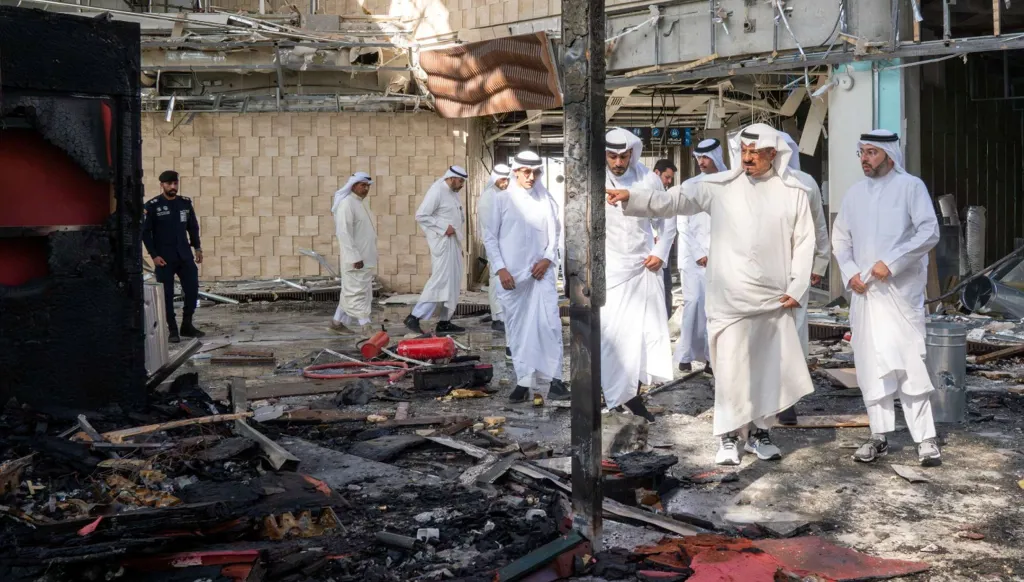


The memorandum of understanding between the United States and Iran has ended the war that shook the Gulf and the Middle East for months and has opened the door to a new phase of negotiations lasting 60 days.
However, the halt in military operations does not automatically mean a return of Gulf Iranian relations to what they were before February 28, 2026.
Between official Gulf welcome of the agreement and the heavy memory of the war and the attacks that targeted Gulf Cooperation Council states, a key question emerges: to what extent can Gulf states open a new page with Tehran?
Official positions issued from Gulf capitals reveal clear support for the new diplomatic track, but at the same time reflect a desire to test Iranian behavior in the coming period.
The Gulf states have welcomed the end of the war, but they have linked the success of the new phase to a set of principles, foremost among them respect for state sovereignty, non-interference in internal affairs, protection of international shipping, and commitment to good neighborliness.
The UAE is betting on stability
In Abu Dhabi, the focus appeared to be on consolidating the agreement and building on it. The United Arab Emirates stressed the importance of full compliance with the terms of the understanding, ensuring a comprehensive halt to hostilities, respecting the sovereignty of states, and protecting sea lanes and freedom of navigation in the Strait of Hormuz, while calling for continued negotiations to reach sustainable outcomes that strengthen regional security and stability.
This approach aligns with the reading of Emirati media expert and writer Mohammed Al Rayssi, who believes the agreement “will have positive effects on the region, because Gulf countries view stability as the main gateway to prosperity and development.”
According to Al Rayssi in remarks to Annahar, Gulf states “will closely monitor the extent of Iran’s commitment to what it pledged in the agreement with the United States, but at the same time they are looking forward to a phase with fewer wars and divisions and greater focus on development and welfare.”
The Emirati writer hopes that Tehran has drawn a key lesson from the war experience, namely that “the region does not need further escalation, does not want interference in different countries, and does not accommodate the language of threats, especially since Gulf states possess the capabilities necessary to confront any threat.”

Kuwait and Bahrain: the memory of war
In contrast, Kuwait appears more cautious in its approach to the coming phase. The Kuwaiti Ministry of Foreign Affairs welcomed the agreement, but stressed the importance of mutual respect, strengthening trust, non interference in internal affairs, not using force or threatening its use, as well as stopping support for proxies.
This position is reflected in the reading of Kuwaiti academic and political researcher Dr. Ayed Al Manaa, who believes that relations between Iran and Gulf countries were negatively affected by the war and by strikes that targeted Gulf Cooperation Council states over the past months.
Al Manaa told Annahar that Kuwait and Bahrain were among the most affected Gulf countries, noting that Kuwait International Airport was hit by eight attacks during the war and two additional attacks afterward, along with the targeting of other civilian sites such as the Al Ahmadi refinery and Mubarak Al Kabeer Port.
He therefore expects that Kuwait and Bahrain will be the most cautious in the coming phase, considering that the wounds left by the war will not fade quickly and that returning to the level of relations that existed before the war will require time and the rebuilding of trust.
This impression is reinforced by developments in Bahrain coinciding with the announcement of the agreement, where the High Criminal Court issued rulings against defendants convicted of supporting Iranian attacks on the kingdom, indicating that the repercussions of the war remain strongly present within the Bahraini landscape.
Saudi Arabia and Qatar: between de-escalation and openness
In Riyadh, the welcome for the agreement was accompanied by an emphasis on the need to take into account the security interests of regional states and respect the internal affairs of countries, along with a focus on restoring security and freedom of navigation in the Strait of Hormuz.
The Saudi position was not limited to official statements. Foreign Minister Prince Faisal bin Farhan held a phone call with his Iranian counterpart Abbas Araghchi, welcoming the conclusion of the US Iran agreement and expressing the Kingdom’s aspiration that it will contribute to enhancing regional security and stability. The two sides also discussed current developments and the importance of continuing diplomatic efforts to reduce tensions in the region.
This direct communication indicates a Saudi willingness to support and build on the new diplomatic track, without ignoring the security concerns that emerged during the war.
Dr. Ayed Al Manaa believes that Saudi Arabia could be among the countries capable of developing political and economic understandings with Iran if the current de escalation succeeds and the negotiation process continues, especially as it has played a supportive role in efforts to prevent a resumption of war.
As for Qatar, it appeared to be the most optimistic about the coming phase. It described the agreement as an important step toward sustainable peace and stronger economic growth, affirming its continued support for dialogue and peaceful means.
Al Manaa believes that Qatar, alongside Oman, will be among the fastest Gulf countries to return to normal relations with Iran, whether politically, commercially, or in tourism, benefiting from the role it played during the crisis and the communication channels it kept open with Tehran. He notes that this could pave the way in the future for improved relations with other Gulf states.
While Qatar appears closest to resuming normal relations with Iran, and Saudi Arabia shows clear readiness to support the diplomatic track as reflected in the call between the two foreign ministers, the United Arab Emirates is betting on the agreement’s success in consolidating regional stability.
Meanwhile, Kuwait and Bahrain remain the most cautious due to the consequences of the war. In all cases, Iran’s ability to reassure its neighbors and adhere to the principles of good neighborliness and non interference will determine whether the ceasefire opens a new page in Gulf Iranian relations or keeps the wounds of war open for a longer period.