

Lebanon's Southern Front: US-Iran Diplomacy Insights
As negotiations advance across Washington and related regional tracks, Lebanon faces growing pressure over Israeli withdrawal, Hezbollah’s weapons, and intensified diplomatic roles by Doha and Riyadh.



 Messenger
 Whatsapp
 Threads
 Email
Email
 Print
Print
 X
X
 Facebook
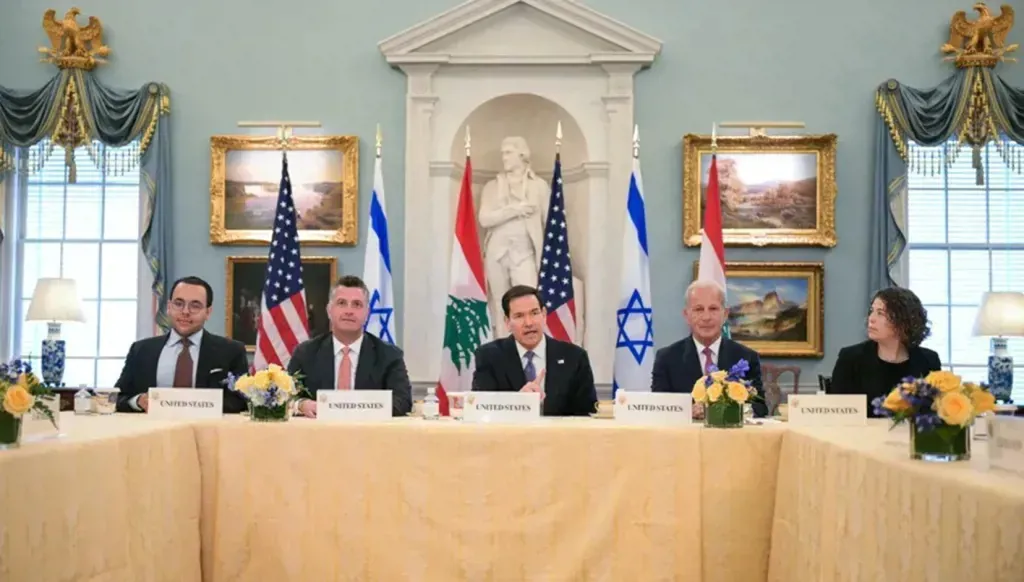


The memorandum of understanding between the United States and Iran will be on the table of the Lebanese and Israeli delegations in Washington on the 22nd, 23rd, and 24th of this month, with diplomats and military officials from both sides participating, after both parties revised their plans in light of the repercussions resulting from the Islamabad negotiations.
Many questions in this regard are causing concern among the Lebanese. Among them is whether Israel will withdraw its forces from the border "Yellow Zone," as the intentions of Israeli officials, foremost among them Benjamin Netanyahu and the divided Knesset, do not inspire confidence. Rather, they point to efforts to eliminate Hezbollah's military wing and anything perceived as a threat to Israel in the region.
If a comprehensive ceasefire is achieved on the southern front, which appears to be the most likely scenario, this development would provide Lebanon with a measure of support, provided that events unfold according to the framework outlined by President Donald Trump with the Iranian leadership. His influence remains evident in shaping this diplomatic outcome, regarded as the most significant in the region.
Israel Remains Hesitant Towards Negotiations
Sources following the Lebanon-Israel negotiations indicate that developments in Pakistan cannot be separated from this track. Those involved are aware that the Israeli side had not been enthusiastic about these negotiations and only participated because of pressure and intervention from President Donald Trump. This became particularly evident during the meeting between the two military delegations at the Pentagon, attended by the head of the Lebanese delegation, Simon Karam, and Ambassador Nada Hamadeh.
Lebanon has concluded that the Americans "want to achieve some form of progress amid Israel's ongoing delays. Even when Israel commits to a point during one round of talks, it soon attempts to backtrack before reopening issues that had already been agreed upon, especially since it is the details that ultimately determine the final outcome."
It is unlikely that the Islamabad understanding will lead to an Israeli withdrawal from positions in southern Lebanon. After receiving the necessary instructions from President Joseph Aoun following the achievement of a ceasefire, the Lebanese diplomatic and military delegations will focus on securing an Israeli withdrawal. This is because Washington insists on pursuing both the military and political tracks, as well as beginning implementation in selected areas on a trial basis.
Lebanese Army Commander General Rodolphe Haykal is involved in all aspects of this approach in the hope of ensuring its success. Meanwhile, Israel is expected to move quickly to consolidate gains on the ground and weaken Hezbollah's negotiating position through the "military advances" it has achieved in the south.
Doha and Riyadh Increase Engagement in Lebanon
While several capitals are closely following developments on both the Pakistan and Washington tracks, Doha and Riyadh have become actively involved in matters relating to Lebanon. The visit of Saudi envoy Prince Yazid bin Farhan was aimed at attempting to bring together the three presidents, particularly given that communication channels remain open between the first and second presidencies.
Discussions also addressed the observations put forward by Speaker Nabih Berri regarding the final statement issued after the fourth round of negotiations. His position gained additional weight following the US-Iran understanding and the potential repercussions it could have across the region, as Israel can no longer rally President Donald Trump in the same way after everything that has transpired.
In conclusion, Lebanon faces a long road marked by numerous challenges as it seeks to shape the future of the south, secure Israel's withdrawal, and determine the fate of Hezbollah's weapons.
Disclaimer: The opinions expressed by the writers are their own and do not necessarily represent the views of Annahar.