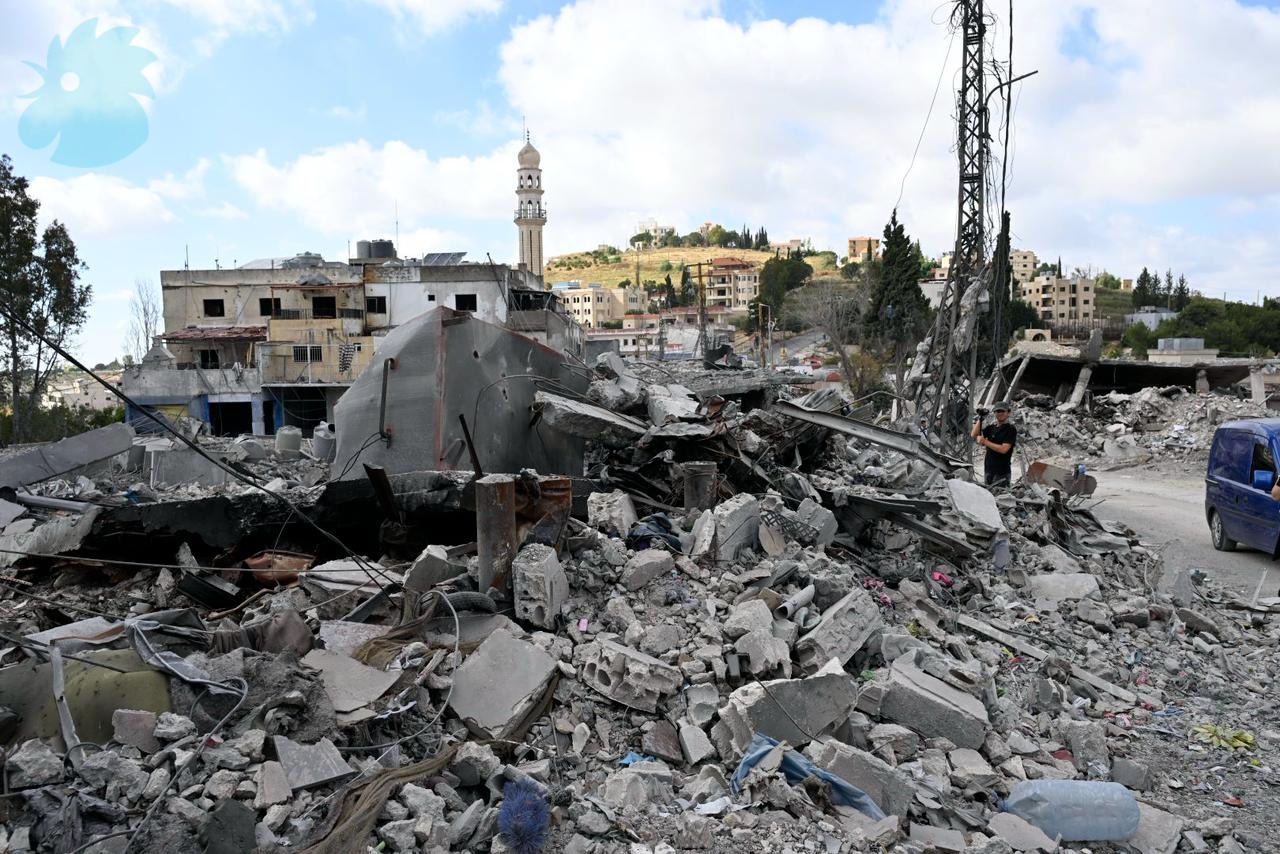
Nabatieh: Aftermath of Conflict and Return of Residents
As a ceasefire linked to the US-Iran agreement takes hold, residents of southern Lebanon begin a painful journey back to shattered towns still overshadowed by Israeli military presence and the scars of unprecedented destruction.



 Messenger
 Whatsapp
 Threads
 Email
Email
 Print
Print
 X
X
 Facebook
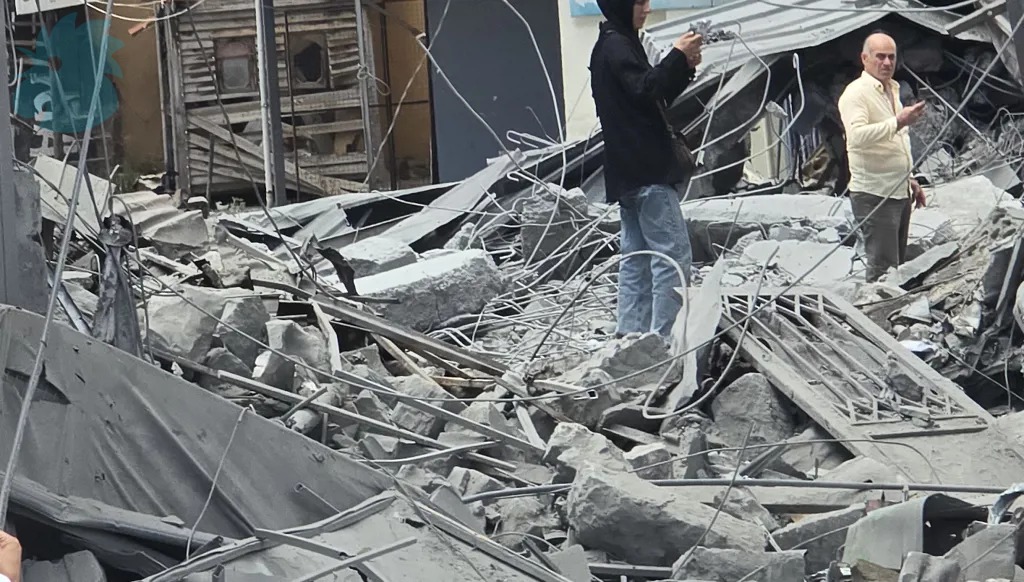


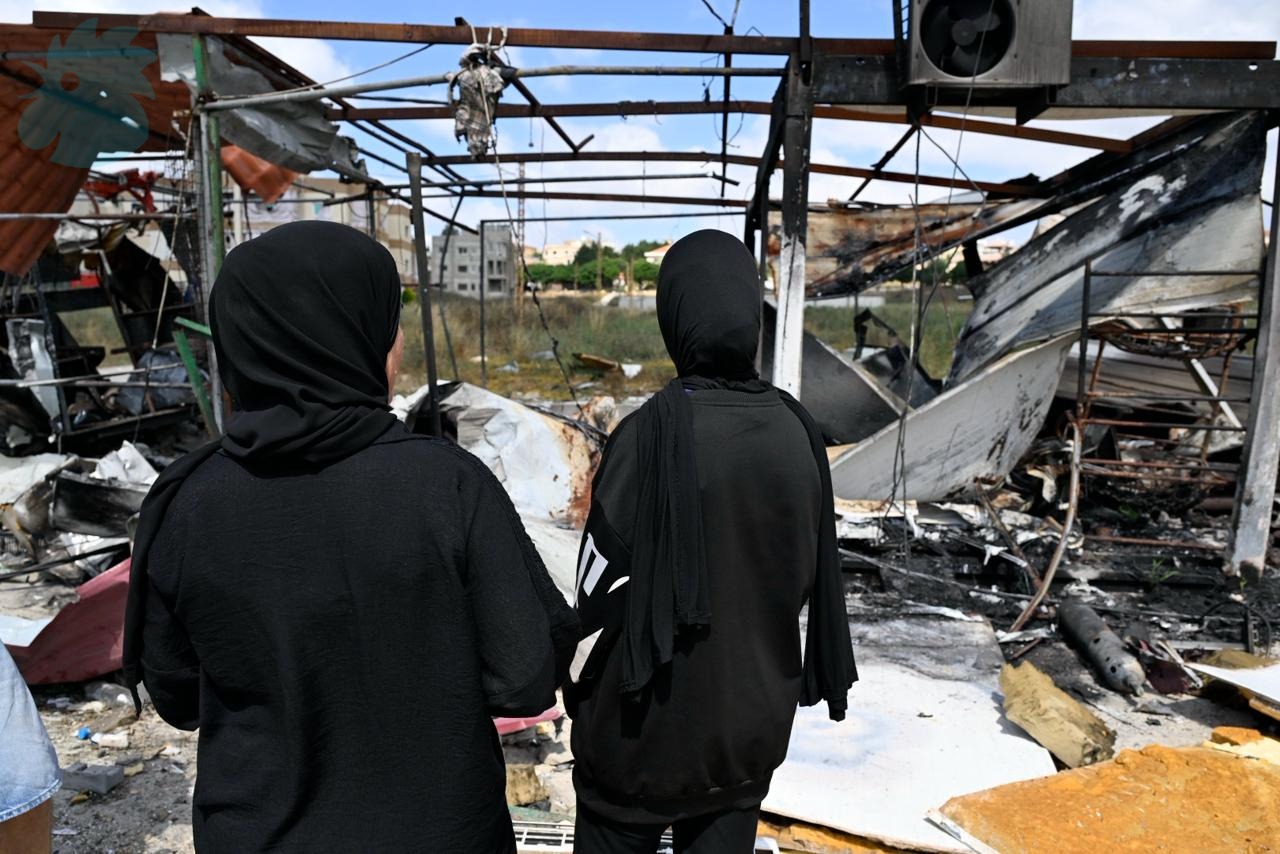
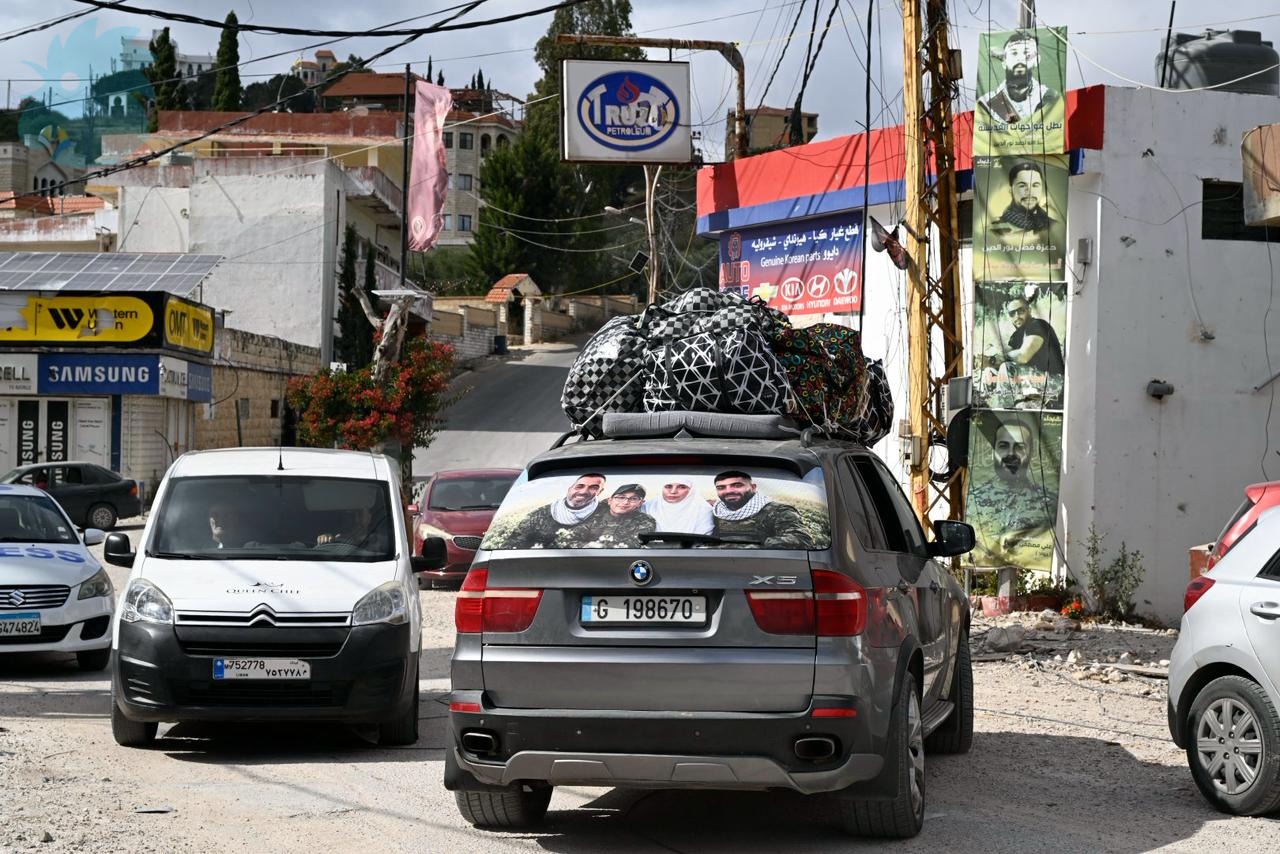
The first day following the ceasefire decision between the United States and Iran, which also included Lebanon, and the return of displaced residents to villages in the South and Nabatieh governorates, bore little resemblance to previous homecomings. It was unlike the return that followed May 25, 2000 — the Day of Resistance and Liberation — or the aftermath of the July 2006 aggression, or even the Israeli war of 2024 that followed the Gaza support battle.
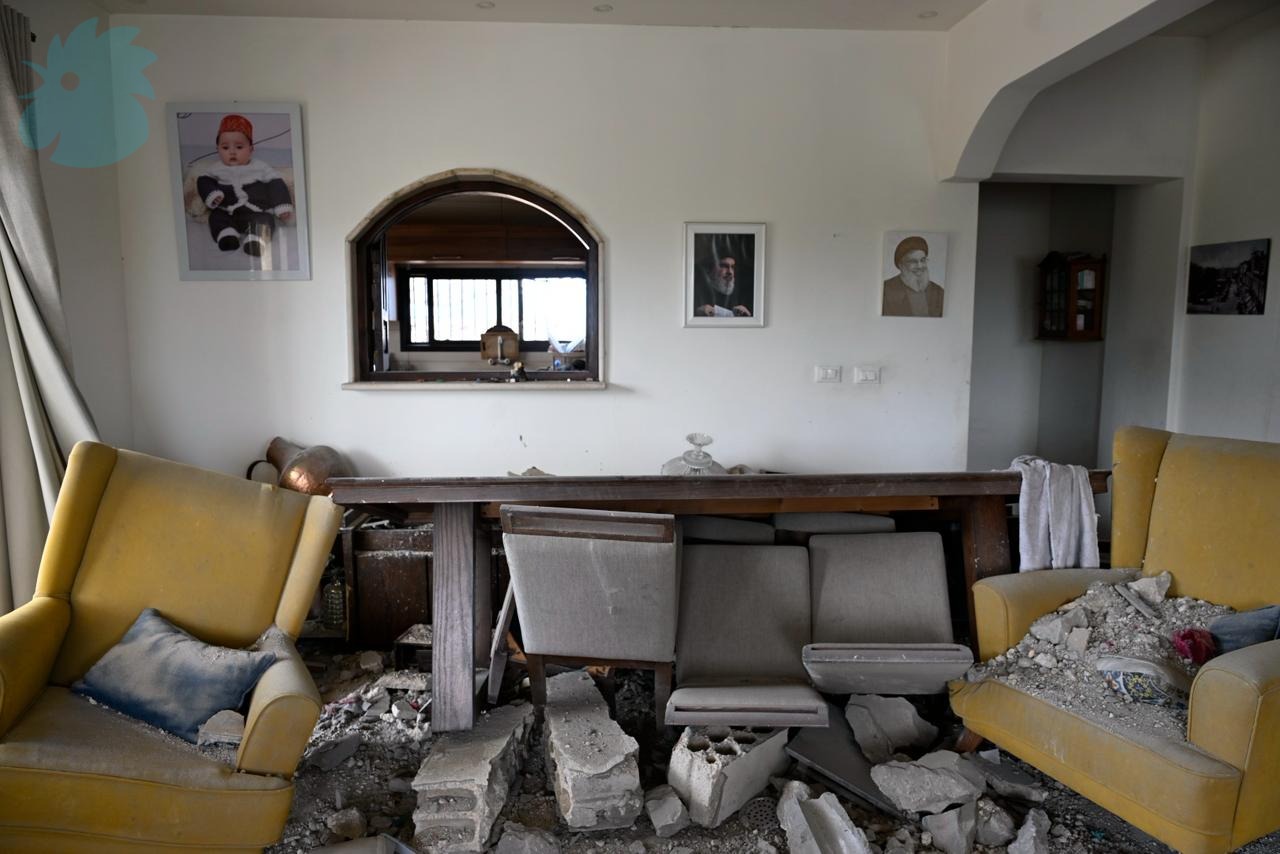
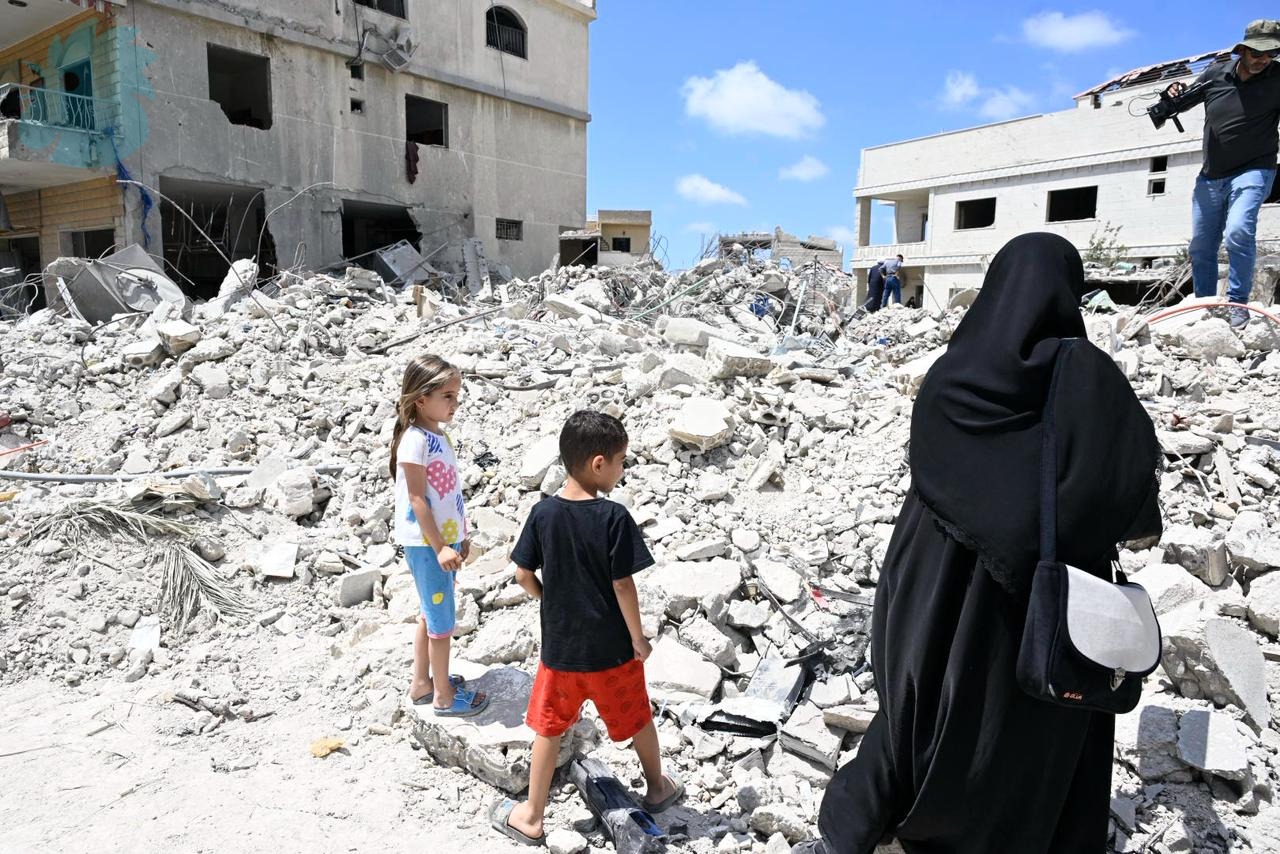
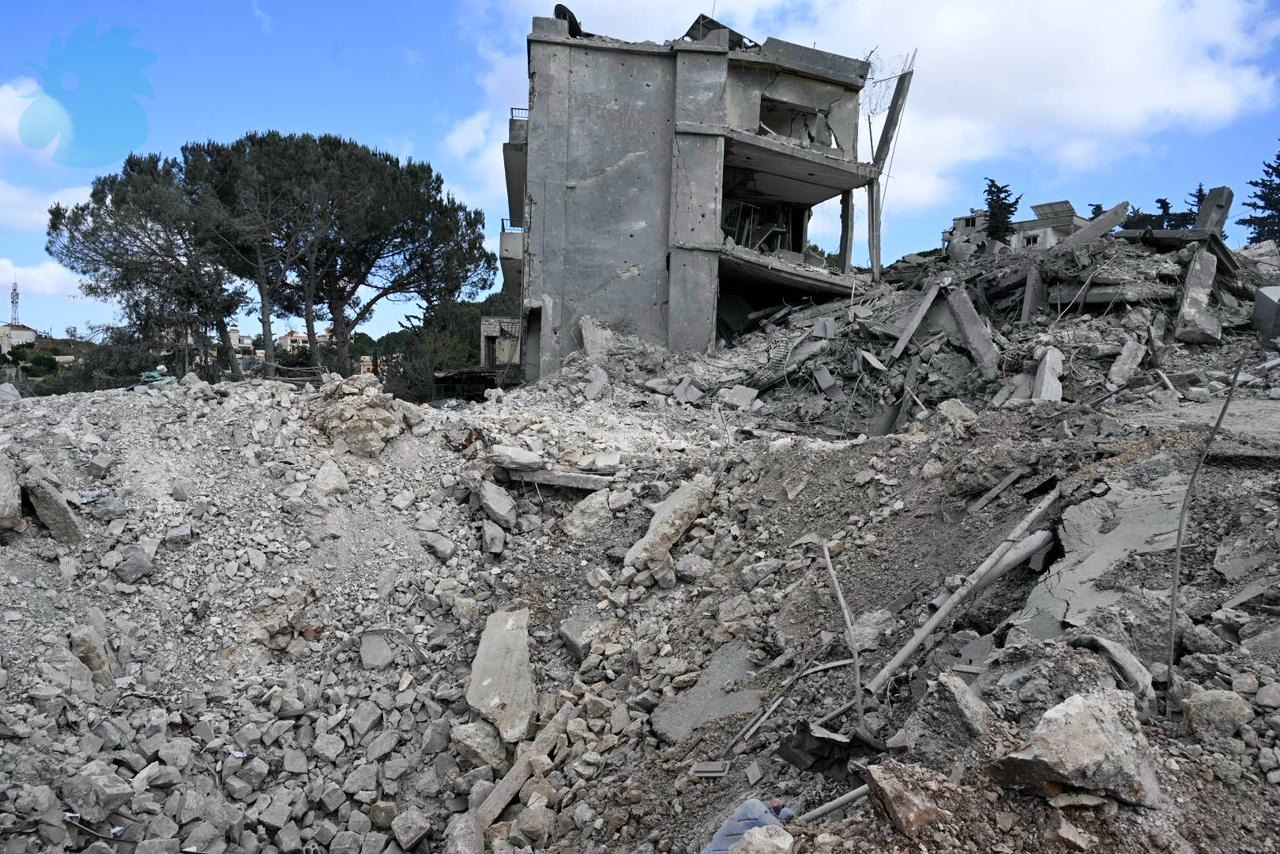
This return, after the "Operation Protective Edge" battle and the Israeli war that began on March 2, unfolded in an unprecedented manner. The scale of human loss and structural devastation was unmatched, while Israeli occupation forces continued to control around 60 towns across the two governorates. The return has so far been timid, limited, and weighed down by wounds and tragedies. It also remains fraught with danger, as the Israeli army maintains its presence in many southern villages and towns and continues its attacks through artillery shelling of villages facing its positions.
This reality was evident during Annahar's field tour, which began early this morning in the city of Nabatieh and several nearby villages. Israeli artillery shelling targeted the southeastern outskirts of the city, particularly Upper Nabatieh, Kfar Roummane, and Mayfadoun.
Annahar's tour started in the city of Sidon, after visits to several displacement centers. It found that only a limited number of people had packed their belongings and left for villages in the Zahrani, Tyre, and Nabatieh areas outside the southern Litani River zone. The majority, however, remained hesitant or unable to return because occupation forces were still present in their villages and on their lands.
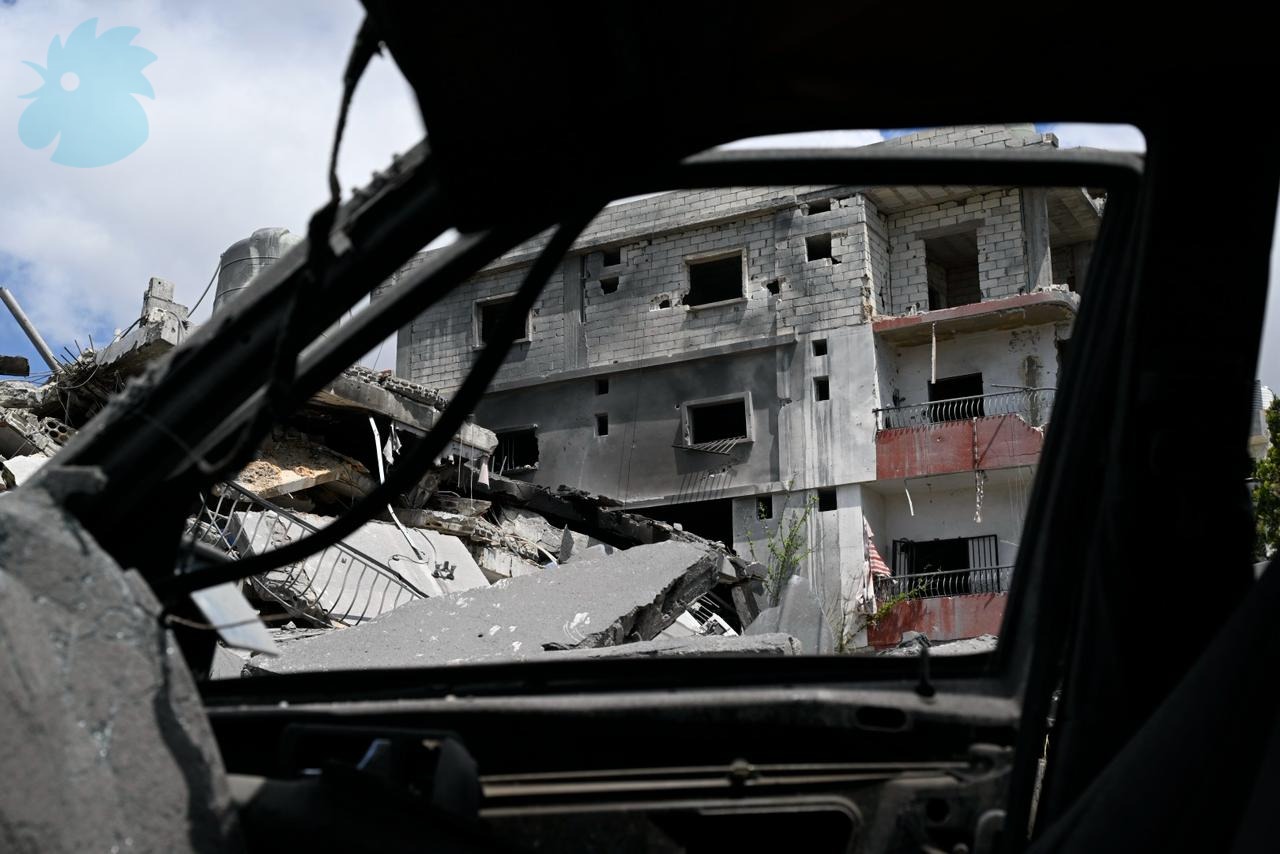
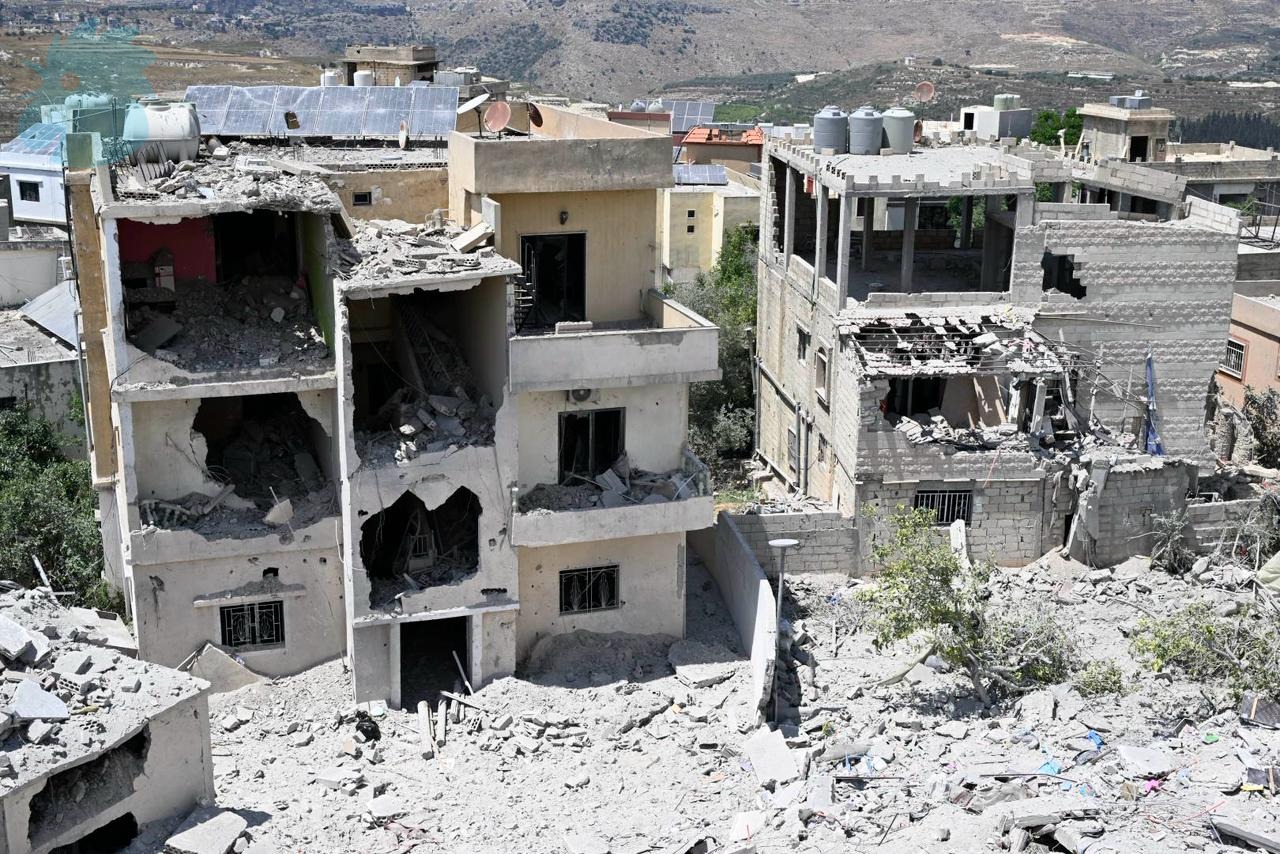
From Sidon to Nabatieh, passing through Maslaha, Zefta, Deir al-Zahrani, and Habouch, scenes of destruction lined both sides of the main road. Residential buildings, commercial shops, and burnt-out cars bore witness to the devastation, all the way to the entrance roundabout of Nabatieh, Kfar Roummane, Upper Nabatieh, Kfar Tibnit, and the Al-Khardali Bridge.
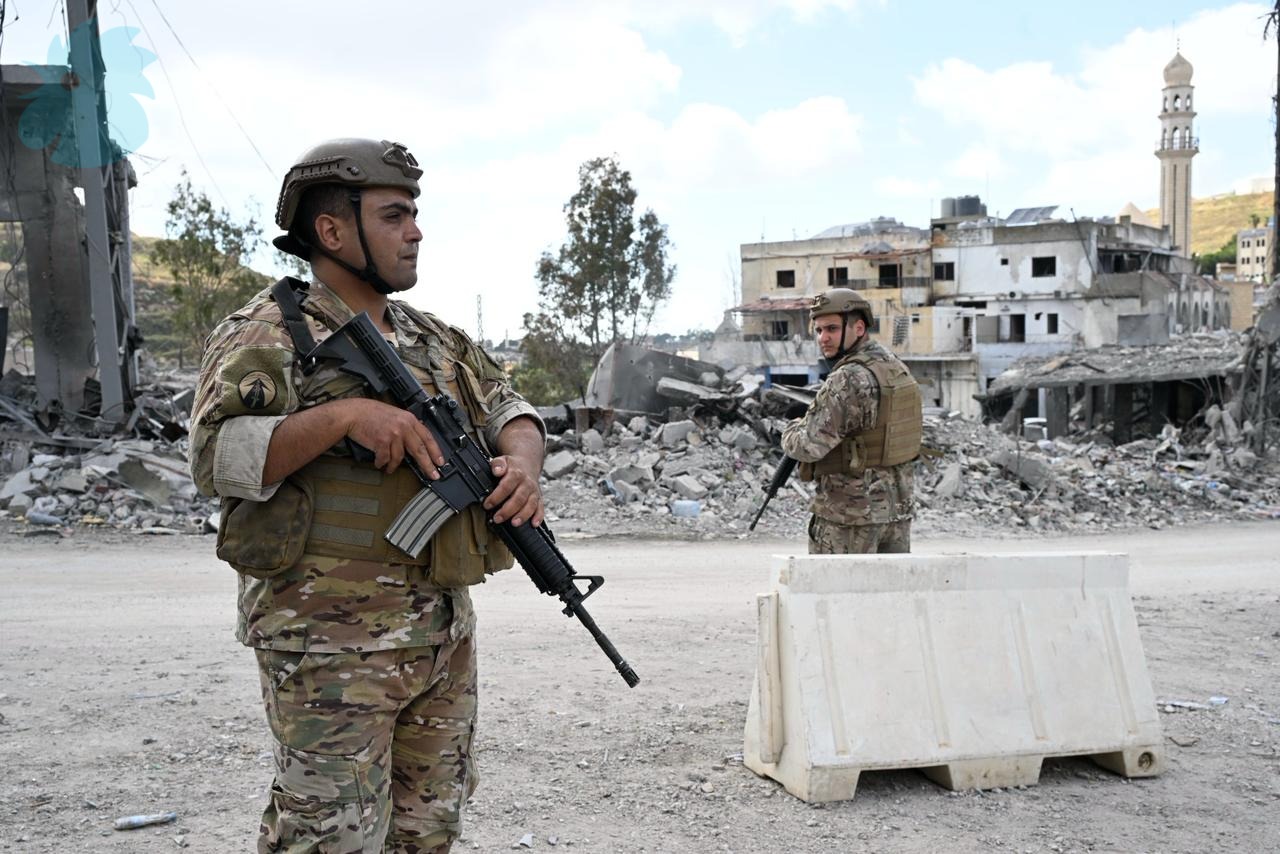
The Lebanese Army established a checkpoint, permitting only returnees to enter the city of Nabatieh. The road towards Kfar Roummane, Upper Nabatieh, and Kfar Tibnit was closed from one side, while access was also blocked towards the Meidhana Valley, the Al-Jamrak junction in Al-Aaychiyeh, and the Al-Khardali Litani Bridge leading to Marjayoun and neighboring villages. The reason was clear: occupation forces remained stationed in Arnoun, Yohmor, and eastern Zawtar, while artillery shelling continued to target villages facing their positions.
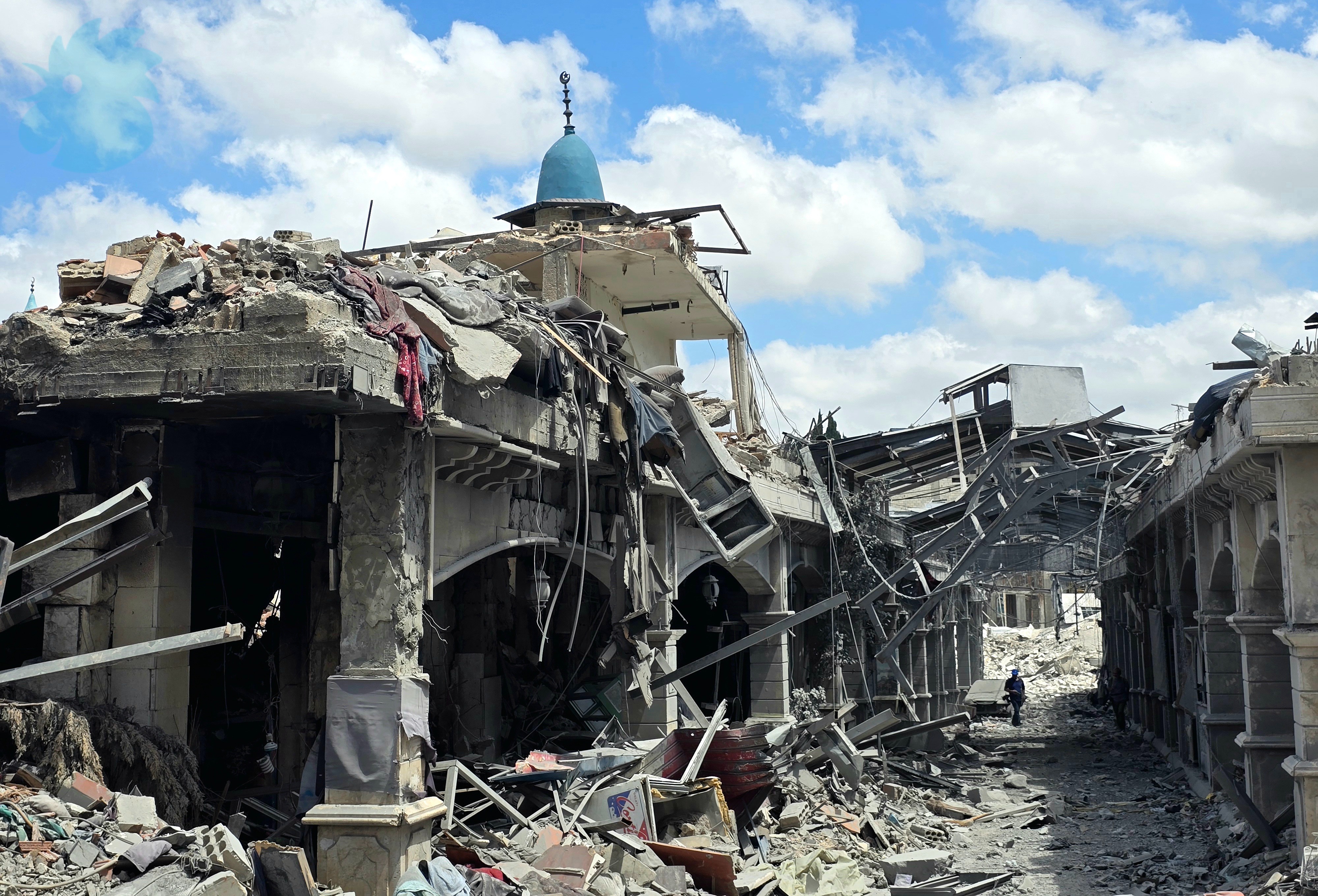
Nabatiyeh, a Devastated City; Neighborhoods and Streets Removed, Turned into Rubble upon Rubble
The city of Nabatieh has never endured destruction in any previous Israeli war or invasion on the scale witnessed during this latest conflict. Relentless and intense airstrikes transformed it into a devastated city, particularly in its commercial market and the historic Old Serail neighborhood, once vibrant with life throughout the week.