

Global reactions pour in after US–Iran agreement to end conflict and reopen Strait of Hormuz
World leaders and international organizations welcome the deal as a diplomatic breakthrough, calling for restraint, full implementation, and renewed efforts toward regional stability and secure global energy and trade routes.



 Messenger
 Whatsapp
 Threads
 Email
Email
 Print
Print
 X
X
 Facebook
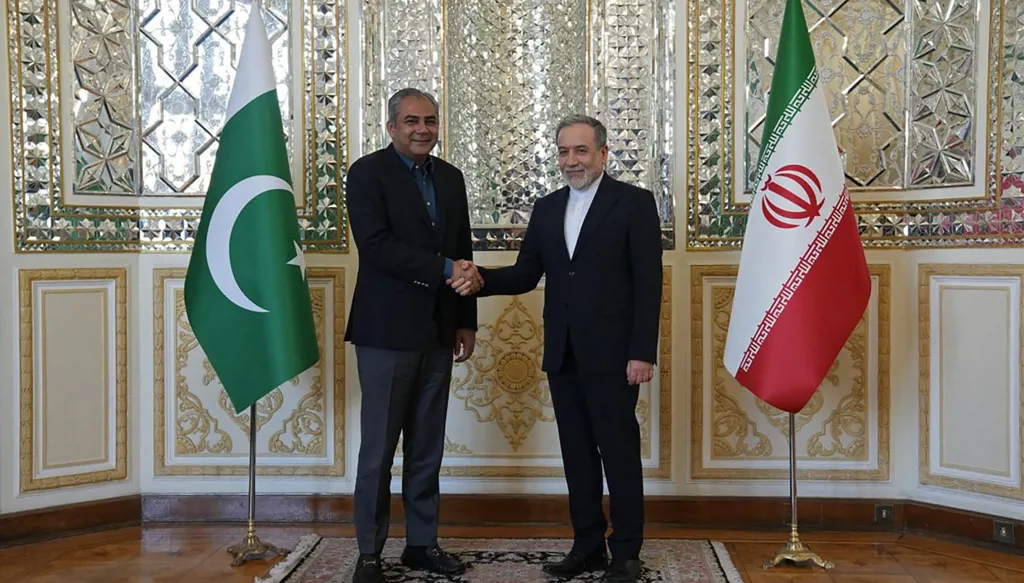


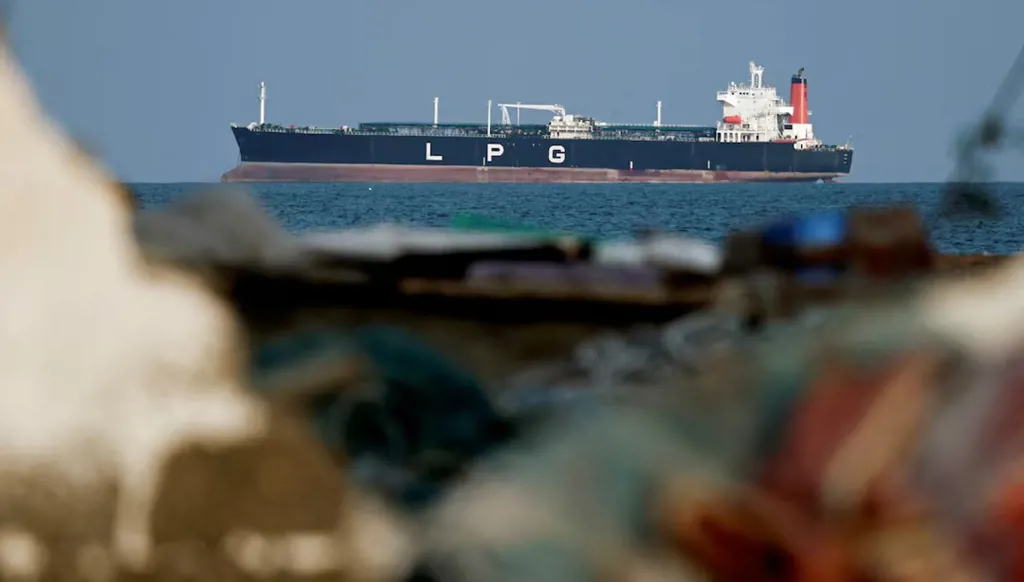
In a move described as a long-awaited breakthrough, the United States and Iran have reached an agreement to end the war between the two countries, lift the US imposed blockade on Iran, and reopen the Strait of Hormuz, a development that is expected to lead to lower energy prices once oil shipments resume through this vital waterway.
The final version of the memorandum of understanding is scheduled to be signed in Switzerland on June 19, according to the Iranian Foreign Ministry. Several prime ministers around the world have expressed their support for this step.
Here are the main global reactions to the agreement:
United Nations Secretary General António Guterres welcomed the announcement that the United States and Iran had reached a peace agreement that provides for an immediate and permanent ceasefire and the reopening of the Strait of Hormuz, along with a framework for further negotiations, describing it as a decisive step toward a peaceful resolution of the conflict.
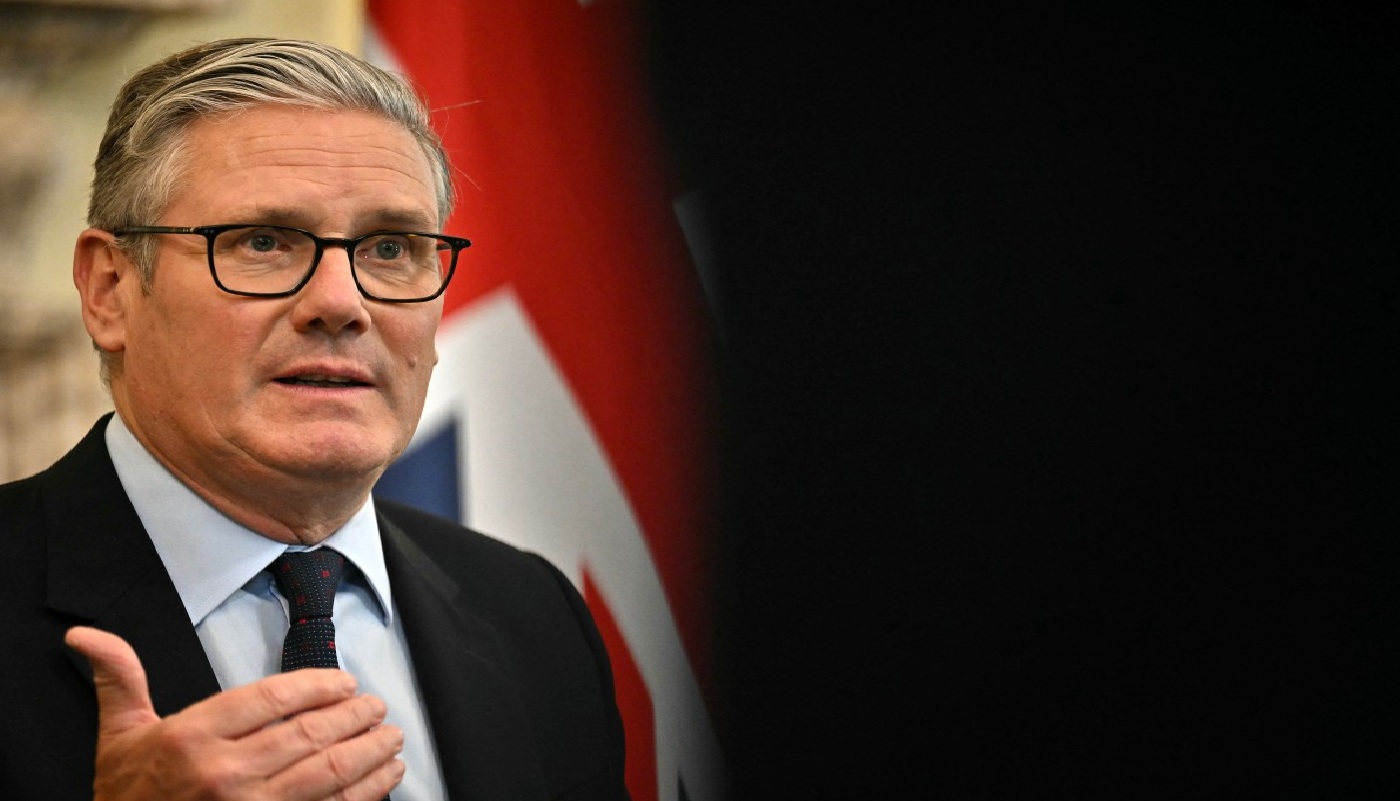
German Chancellor Friedrich Merz congratulated US President Donald Trump and the Iranian side on this diplomatic achievement, saying that it could pave the way toward a more dynamic global economy and a safer Middle East. He stressed that it is essential for the agreement to be implemented diligently.
Canadian Prime Minister Mark Carney welcomed the agreement and expressed gratitude to Pakistan, Qatar, and regional partners for facilitating the negotiations.
Indian Prime Minister Narendra Modi said that the agreement would contribute to ending serious economic disruptions around the world.
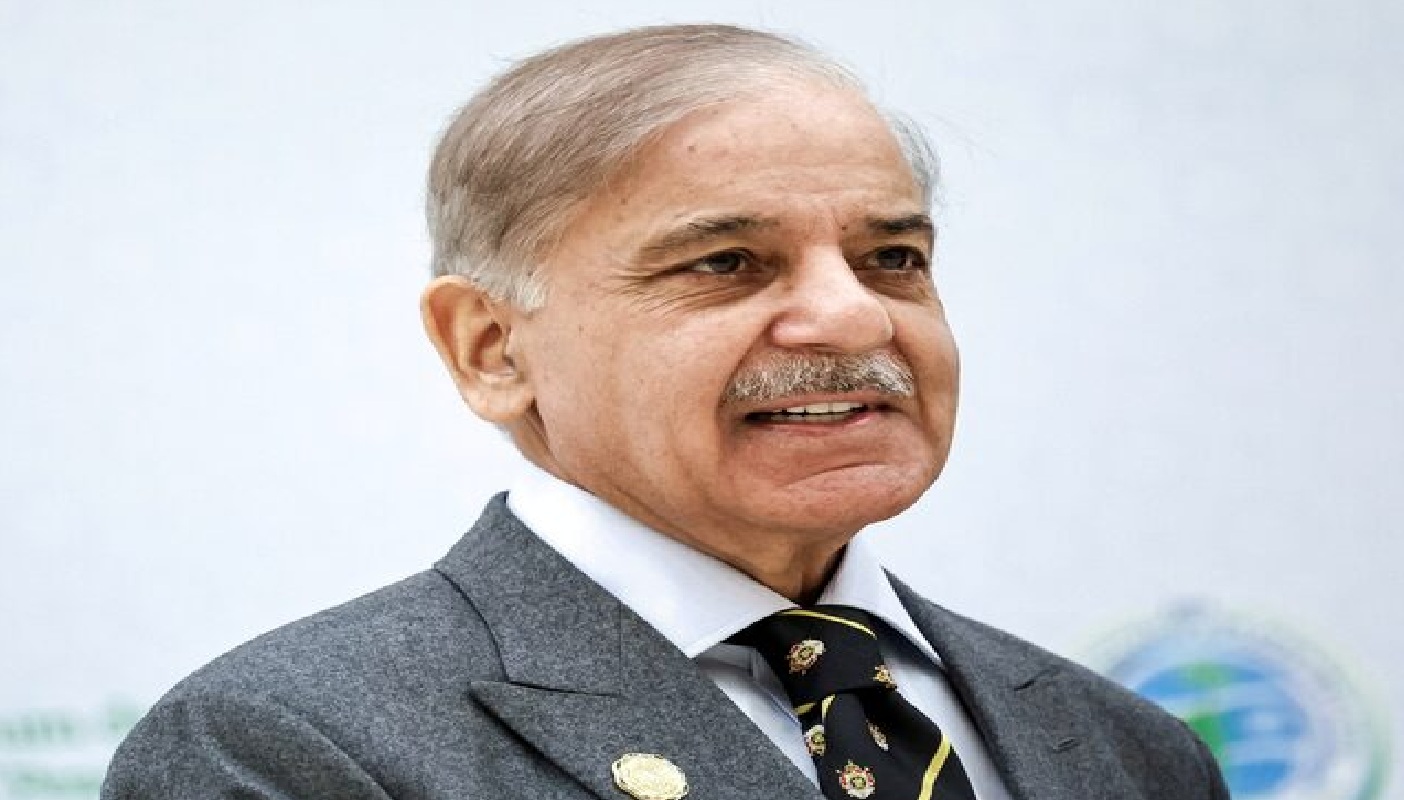
For his part, Pakistani Prime Minister Shehbaz Sharif described the agreement as not merely a peace treaty between two countries, but a victory for peace, a success for diplomacy, and a rejection of war. He also noted that Qatar had worked with Pakistan at the highest level, with support from Saudi Arabia and Türkiye, and expressed his thanks to them. Sharif also congratulated US President Donald Trump, Iran’s Supreme Leader, and the President of Iran on reaching the agreement during a difficult period.
Japan’s Prime Minister Sanae Takaichi expressed her country’s hope that free and safe navigation through the Strait of Hormuz will be effectively guaranteed, and that a final agreement on Iran’s nuclear issue and other matters will be reached as soon as possible.
Turkey: We will continue to support regional peace efforts
Turkish Foreign Minister Hakan Fidan told his Iranian counterpart during a phone call that Ankara hopes for positive outcomes through further talks with the United States. Fidan also warned against provocations that could undermine the agreement and pledged that Turkey will continue to support regional peace efforts, according to a diplomatic source. The same source added that Iranian official Araghchi thanked Turkey for its efforts in the negotiation process.
Australian Prime Minister: to end the conflict in Lebanon
Australian Prime Minister Anthony Albanese announced that the Australian government welcomes the agreement reached between the United States and Iran. He said that Australia has long called for de-escalation and an end to conflict, including in Lebanon. He added that the longer this war continues, the greater its impact becomes, stressing the need for continued restraint and constructive engagement to prevent further escalation and reach a lasting agreement.
New Zealand Foreign Minister Winston Peters said that this pivotal and constructive agreement is a step toward easing tensions and strengthening stability in a region that is vital to global economic security. He added that dialogue and diplomacy remain the most effective means of resolving long standing outstanding issues.
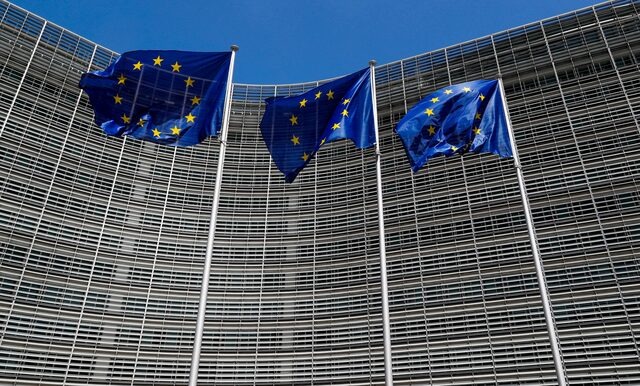
European Commission President Ursula von der Leyen stressed that peace is impossible without Lebanon
In the same context, she underlined on Monday the necessity for the agreement between the United States and Iran to allow the immediate reopening of the Strait of Hormuz. Commenting on the announced agreement, she said that the priority now is the swift and full implementation by all parties. She added that freedom of navigation without fees must be restored, describing it as essential for regional stability and the global economy, and as a gateway to broader negotiations on peace and security in the Middle East.
She also said that peace in the Middle East will be impossible as long as the fires in Lebanon continue, noting that Europe renews its call on all parties to respect Lebanon’s sovereignty and territorial integrity and to implement a real ceasefire.
EU foreign policy chief Kaja Kallas also commented on the agreement between the United States and Iran, saying it could represent a breakthrough in the war, and that the European Union will now study ways to engage in the next phase. In a post on X ahead of a meeting of foreign ministers from the EU’s 27 member states in Brussels, she said the bloc is ready to contribute to a sustainable solution, including through its economic weight, nuclear expertise, and long-standing relations with Gulf partners.
European Central Bank President Christine Lagarde also welcomed the ceasefire agreement reached between the United States and Iran in an interview with France Culture, describing it as good news.
The United Arab Emirates: respect for state sovereignty and good neighborly relations
The United Arab Emirates emphasized the importance of prioritizing dialogue and diplomacy and adhering to international law in a way that strengthens security and stability in the region. It stressed in a statement the importance of full compliance with the terms of the agreement, ensuring the immediate and comprehensive cessation of hostilities in the region, respect for state sovereignty and principles of good neighborliness, strict adherence to international law, and the protection of maritime routes and freedom of international navigation, including ensuring smooth traffic through the Strait of Hormuz, in order to enhance security, stability, and economic prosperity at both regional and international levels.
The Ministry also praised diplomatic efforts led by US President Donald Trump that contributed to reaching this understanding, as well as the contribution of countries and relevant parties in creating the appropriate conditions for the agreement. It called for continued progress in negotiations to build on this step and achieve sustainable results, affirming that the United Arab Emirates supports all efforts aimed at strengthening security and stability and promoting dialogue and diplomacy in addressing regional and international crises, in a way that serves the interests of the peoples of the region and enhances opportunities for development and prosperity.
Egypt welcomes the agreement: a highly significant development
On the Arab level, the Egyptian Ministry of Foreign Affairs affirmed Egypt’s welcome of the agreement reached between the United States and Iran, considering it a highly significant development that would restore security and stability at both the regional and international levels.
The Ministry added that Egypt has continued over the past months its serious and sincere efforts, in coordination and cooperation with regional and international partners, to reach this point and bring an end to the war.
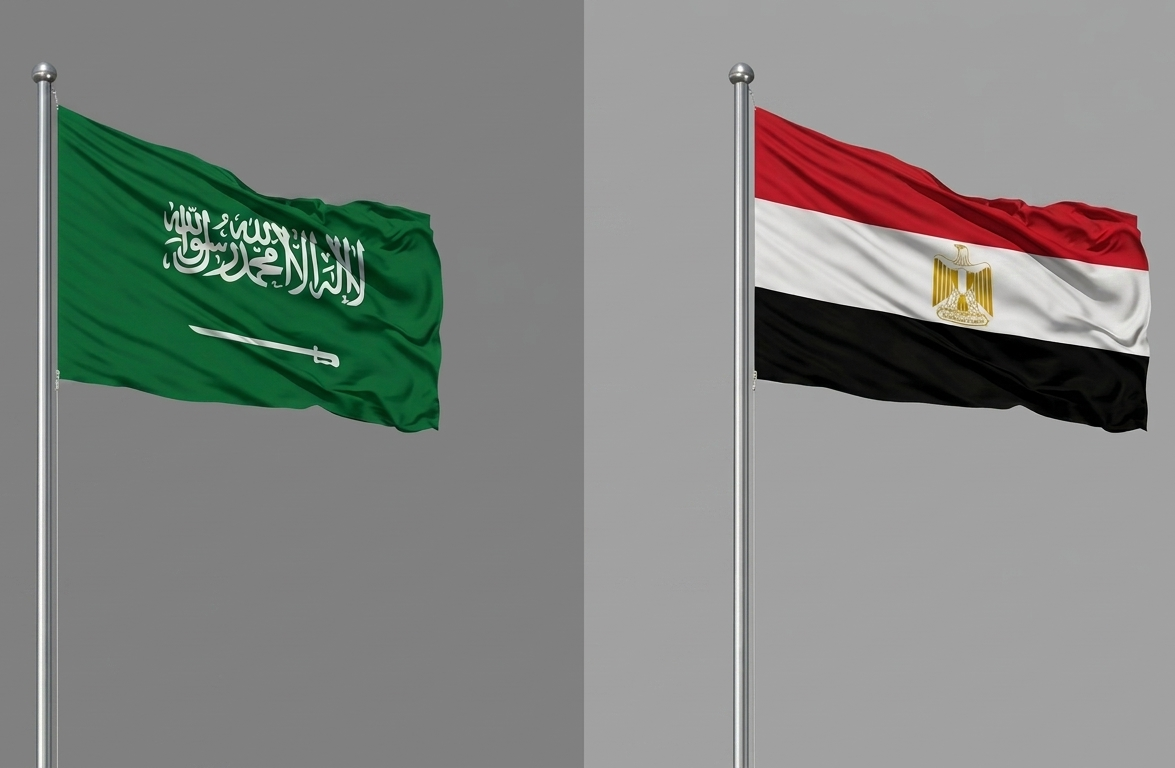
Saudi Arabia: toward achieving peace in a way that enhances regional and global security
The Saudi Ministry of Foreign Affairs expressed the Kingdom’s welcome of the agreement reached to end the fighting in the Middle East and to begin detailed negotiations over a 60-day period aimed at reaching a lasting agreement. The Kingdom also praised the mediation efforts carried out by Pakistan and Qatar, as well as the response of the United States and Iran to these efforts, which led to the agreement.
Saudi Arabia stressed the importance of restoring security and freedom of navigation in the Strait of Hormuz to the state it was in before February 28, expressing its aspiration for peace that strengthens the security of the region and the world, through a permanent agreement that takes into account the security interests of regional states and upholds the principle of respect for the internal affairs of countries.
In this context, Saudi Foreign Minister Prince Faisal bin Farhan received a phone call from his Iranian counterpart Abbas Araghchi. At the beginning of the call, Prince Faisal expressed the Kingdom’s welcome of the agreement reached between the Islamic Republic of Iran and the United States to end military operations and to begin detailed negotiations aimed at reaching a permanent agreement. He said the Kingdom looks forward to achieving peace that enhances the security of the region and the world, according to a statement from the Saudi Ministry of Foreign Affairs.
The two officials reviewed recent regional developments and emphasized the importance of continuing joint efforts to achieve lasting and sustainable stability in the region.
Jordan: support for resolving conflicts through diplomatic means
Jordan welcomed the agreement to end military operations and begin detailed negotiations aimed at reaching a lasting agreement, describing it as an important step toward restoring regional and international security and stability.
The Ministry of Foreign Affairs and Expatriates said in a statement that Jordan appreciates the efforts made by the Islamic Republic of Pakistan, the State of Qatar, and other friendly and brotherly countries to reach the agreement, as well as the response of the United States and Iran to these efforts.
It stressed the importance of reaching a lasting agreement that consolidates security and stability in the region, takes into account the security interests of regional states, adheres to the principles of good neighborliness, respects state sovereignty, avoids interference in internal affairs, and restores security and freedom of navigation in the Strait of Hormuz to what it was before February 28, 2026.
The Ministry reaffirmed Jordan’s consistent position in support of resolving disputes through diplomatic means in accordance with the principles of international law and the United Nations Charter, as well as all regional and international efforts aimed at achieving security, stability, and prosperity for the peoples of the region and the world.
Iraq: the region today needs collective action
The Iraqi Ministry of Foreign Affairs welcomed the reaching of the memorandum of understanding, affirming its full support for all efforts aimed at strengthening dialogue and prioritizing diplomatic solutions in addressing crises and conflicts.
In a statement, the Ministry extended, on behalf of the Government and people of the Republic of Iraq, congratulations to the governments and peoples of the two friendly countries on this occasion, expressing hope that this step will help consolidate regional security and stability and open new horizons for understanding and cooperation in a way that serves the interests of the peoples of the region.
It stressed that Iraq’s principled and consistent position has been, and remains, based on rejecting war and adopting dialogue and peaceful means as the only way to resolve disputes. In this context, it closely followed the negotiations and the efforts that led to the conclusion of this memorandum. It also congratulated the governments of the Islamic Republic of Pakistan and the State of Qatar for their mediation efforts and support for the negotiation process, which led to the end of military operations.
It added that Iraq has suffered greatly from the consequences of conflicts and wars in the region, which reinforces its firm belief in the importance of intensifying international and regional efforts to prevent escalation and avoid sliding into new confrontations. It expressed hope that this development will lead to a final end to the state of war, reaffirming Iraq’s continued efforts to strengthen and rebuild its relations with brotherly and friendly countries affected by the recent crisis.
The Ministry said the region today needs collective action based on the principles of collective security and joint cooperation, in a way that ensures sustainable stability and security and fulfills the aspirations of its peoples for development and prosperity.
It added that Iraq will continue to play its usual role in bridging viewpoints between regional countries, based on its balanced foreign policy and its ongoing efforts to promote dialogue and regional understanding.
The Ministry also expressed satisfaction over the announcement of the imminent reopening of the Strait of Hormuz to normal maritime traffic, given its critical importance in ensuring the smooth flow of oil and gas to global markets and contributing to the stability of international energy markets.
Indonesia: a positive development
The Indonesian Ministry of Foreign Affairs welcomed the agreement, describing it as a positive development.
It called on all parties to continue exercising restraint and to fulfill their commitments in order to de-escalate tensions.
It reaffirmed its readiness to support efforts aimed at promoting peace, security, and stability in the region.
United Nations High Commissioner for Human Rights: restraint is needed
UN High Commissioner for Human Rights Volker Türk welcomed the announcement of the agreement and urged all parties in the region to exercise maximum restraint.
He said, “I welcome the announcement that the United States and Iran have reached an agreement, which provides for an immediate and permanent ceasefire, the reopening of the Strait of Hormuz, and a framework for further negotiations.”
He added that at this critical moment, all parties must exercise the utmost restraint and work to implement the agreement quickly and in good faith.
Hapag Lloyd: encouraging news
The German shipping company Hapag Lloyd said that the news regarding a peace agreement between the United States and Iran appears encouraging, adding that it hopes any military operations in the region will come to an end.
It also expressed its expectation that ships will be able to pass through the Strait of Hormuz this week.