US-Iran Agreement: Shipping Rules & Nuclear Safeguards

Middle East 15-06-2026 | 17:03

US-Iran Agreement: Shipping Rules & Nuclear Safeguards

Talks continue over implementation details, including maritime fees, nuclear verification, and regional ceasefire conditions.


US-Iran Agreement: Shipping Rules & Nuclear Safeguards
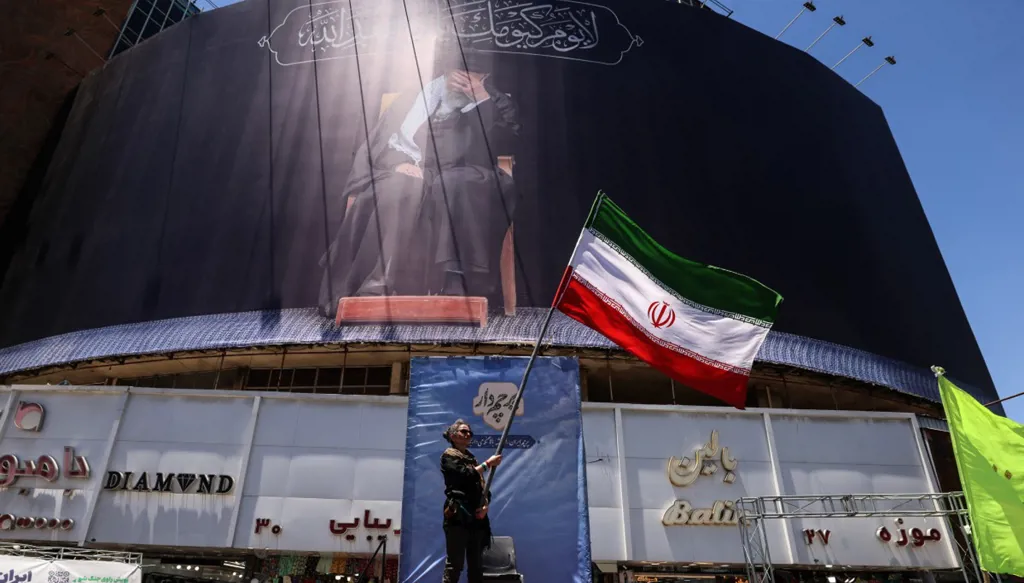
A mural of Khamenei in Tehran. (AFP)
Smaller Bigger

Talks continue regarding the details of implementing the agreement between the United States and Iran, alongside reciprocal positions concerning the safety of navigation in the Strait of Hormuz and guarantees for a ceasefire in the region, amid reports of an expected signing ceremony in Switzerland at the end of the week.


To be clarified


US Vice President JD Vance stated in an interview with CNBC that the United States expects the Strait of Hormuz to remain open without fees in the long term, noting that the agreement with Iran still requires clarification of many details.


He added that Iranian Foreign Minister Abbas Araghchi and Parliament Speaker Mohammad Bagher Qalibaf, along with other officials, will represent Iran at the agreement signing ceremony in Switzerland on Friday.
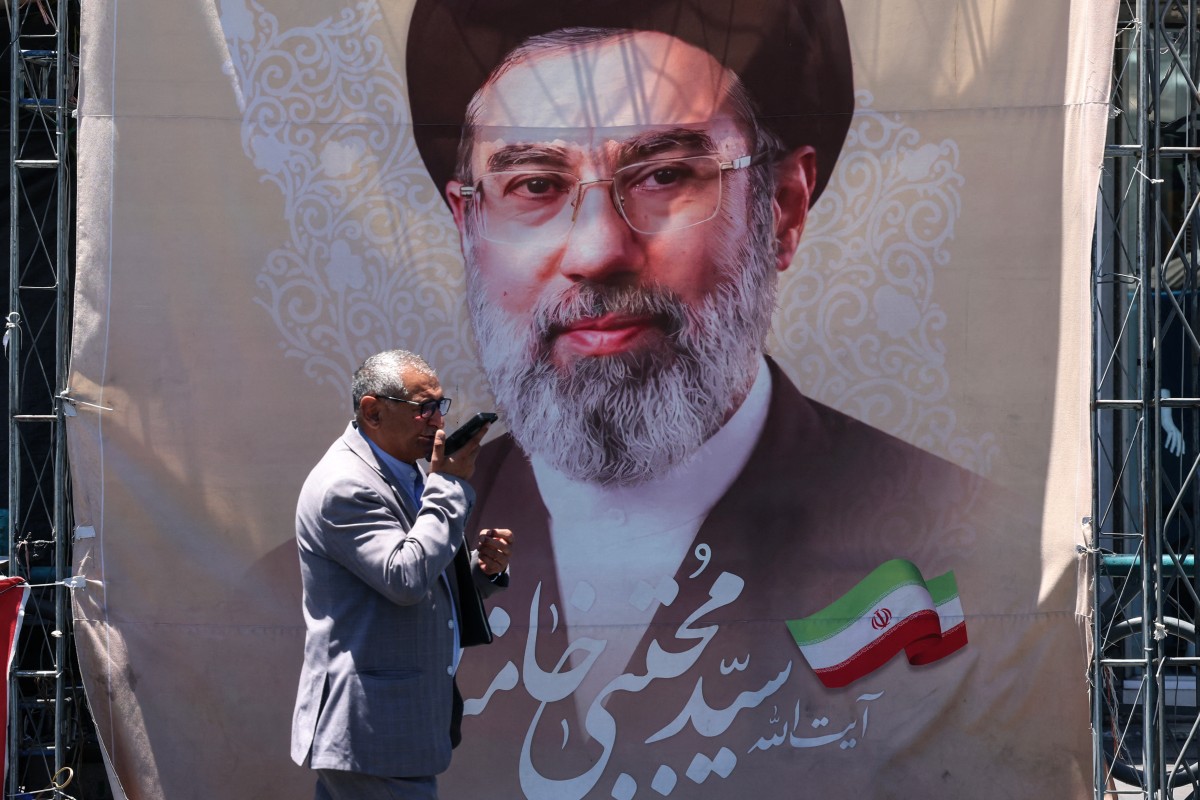


Image of Mojtaba Khamenei. (AFP)


Tariffs in Hormuz


In contrast, the Iranian Ministry of Foreign Affairs announced that it will impose “fees in exchange for maritime services” on ships passing through the Strait of Hormuz, instead of direct transit fees, as part of the preliminary agreement with the United States.


Foreign Ministry spokesperson Esmaeil Baghaei explained that Tehran is not seeking to impose transit fees, but rather service charges that include navigation support, environmental protection, insurance, and other essential services.


He stressed that the goal is to ensure safe passage for ships through the strait while respecting Iranian sovereignty, noting that the measures will be implemented in coordination with the Sultanate of Oman to guarantee maritime safety.


Financial commitments and American guarantees


The Iranian Foreign Ministry revealed that the United States has committed, under the agreement, to releasing frozen Iranian assets abroad, in addition to paying compensation for damages resulting from the war, considering these two items as key points in the agreement expected to be signed on Friday.


Lack of trust and mutual warnings


In the same context, the Iranian Foreign Ministry emphasized the continued deep lack of trust toward the United States despite reaching the agreement, stating that this situation stems from a long history of American violations, and that the road to rebuilding trust between both sides is still long.


Tehran stressed that the current agreement represents a step toward de-escalation and ending the war, not the end of disputes.


Iran also announced that it will seek approval of the final agreement from the United Nations Security Council.


Baghaei said that it is expected the final agreement will be approved through a resolution by the United Nations Security Council after a period of 60 days, adding that Tehran has learned lessons from past experiences.


Iran’s position on regional commitments


The Iranian Foreign Ministry also stressed the necessity for the United States to ensure that Israel complies with a ceasefire in the war in Lebanon within any broader understandings, emphasizing that Washington is required to honor its commitments and guarantee that other parties respect ceasefire and de escalation agreements.