

Why Oil Prices Will Remain High Despite Ceasefire
Despite diplomatic moves easing geopolitical tensions, oil prices remain supported by slow logistics, damaged energy infrastructure, seasonal demand spikes, strategic stockpiling, and a restrained OPEC+, meaning the market relief is likely to be delayed and far less dramatic than expected.



 Messenger
 Whatsapp
 Threads
 Email
Email
 Print
Print
 X
X
 Facebook
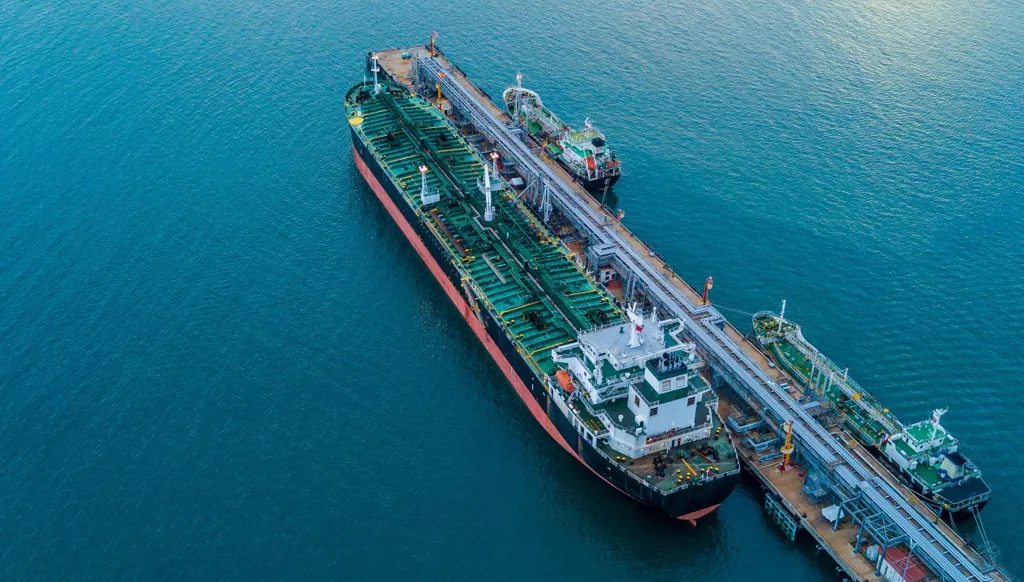


Reopening the Strait of Hormuz is not a switch that can be flipped to immediately restore the market to its previous state. Even if the Geneva memorandum of understanding were implemented immediately, Helima Croft, Head of Commodity Research at RBC Capital Markets, estimated that restoring Hormuz flows to 80% of pre-war levels would take a full four months.
In addition, the time gap between shipping crude oil from the Gulf and its arrival at refineries worldwide ranges between two and three months, meaning that any oil “released” today would not ease market pressure until late autumn at the earliest.
Damaged infrastructure cannot be restored quickly
The situation on the ground at oil fields is no less complex. Since mid-March 2026, energy facilities in Iran, Qatar, Kuwait, and Saudi Arabia have been subjected to reciprocal strikes described by Human Rights Watch as indiscriminate, and facilities belonging to QatarEnergy were hit by missiles that triggered large-scale fires.
The Center on Global Energy Policy at Columbia University also warns that prolonged shutdowns of wells may cause lasting damage to reservoirs and equipment. This is precisely what makes the crisis far more than a political decision; agreements may stop the fighting, but they cannot repair reservoirs, pumps, and supply lines overnight.
Summer demand drives up consumption
This agreement comes at a time when airlines are entering their busiest summer season, amid a supply crisis that continues to weigh on jet fuel markets, with fuel prices in some markets having doubled compared to pre-crisis levels.
Alongside seasonal demand, there is additional pressure from the need to replenish strategic reserves; 32 member economies of the International Energy Agency have released around 412 million barrels from their emergency stocks, while the US Strategic Petroleum Reserve has fallen to levels not seen since the mid-1980s. As a result, the market is not facing a simple temporary supply shortfall, but rather deferred demand preparing to return all at once.
China so far represents a constrained actor
China has been the surprise element that kept prices relatively contained since the outbreak of the crisis. It reduced its oil imports from around 11 million barrels per day before the war to an estimated 6.5 million barrels per day in recent months.
However, this contraction is temporary and largely forced; as flows resume, China is expected to refill its strategic inventories, which it has been systematically building since 2025, creating additional upward pressure on the market. The paradox is clear: the factor that helped stabilize prices during the crisis could, once conditions ease, become a new source of demand pressure.
OPEC+ will not save the situation
In theory, the OPEC+ alliance could offset part of the shortfall by increasing production on an exceptional basis. However, the bloc, still dealing with the consequences of the UAE’s exit, has limited itself to a symbolic increase of 188,000 barrels per day for June, with no indication that Riyadh and Moscow are rushing to inject large additional volumes that would sacrifice high prices and the revenues they have long sought. In other words, OPEC+ does not appear positioned to rescue consumers from high prices, but rather to treat the moment as an opportunity to rebuild revenues.
Bottom line figures
Brent at 82–83 dollars today remains about 20% higher than before the crisis, and the European Commission expects it to average around 90 dollars per barrel throughout 2026.
The Brookings Institution also sees the supply gap widening in the coming months as temporary reserves are depleted. Therefore, the agreement may be a beginning of a solution, but it is not the solution itself. The market, as often happens, mistakes a moment of relief for a true recovery path.