

A memorandum of understanding and a 60-Day countdown: Can nuclear talks transform the Middle East?
Following a ceasefire that ended weeks of regional escalation, Washington and Tehran now face sixty days of negotiations that could either reshape the Middle East or return it to the brink of war.



 Messenger
 Whatsapp
 Threads
 Email
Email
 Print
Print
 X
X
 Facebook
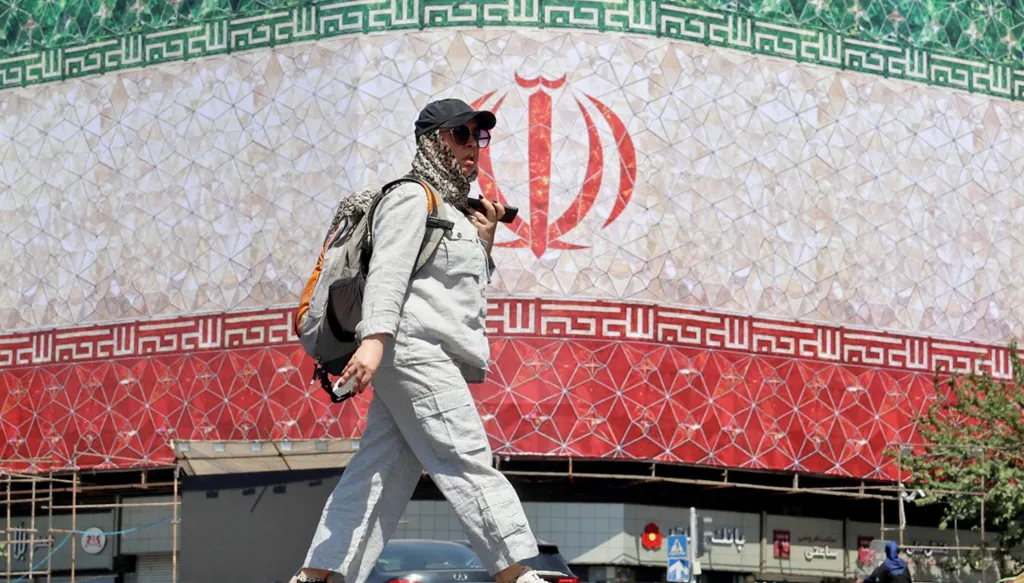
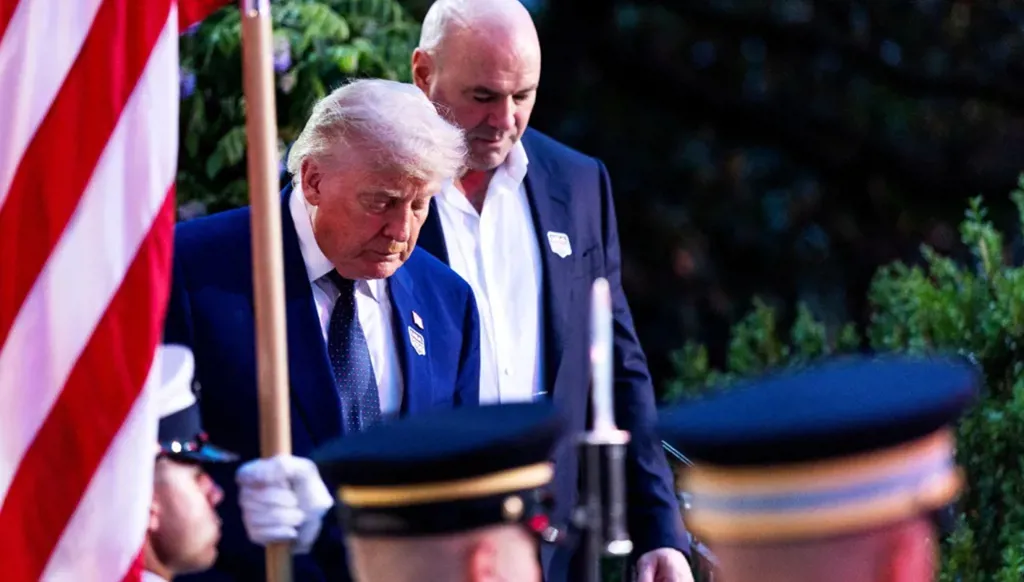
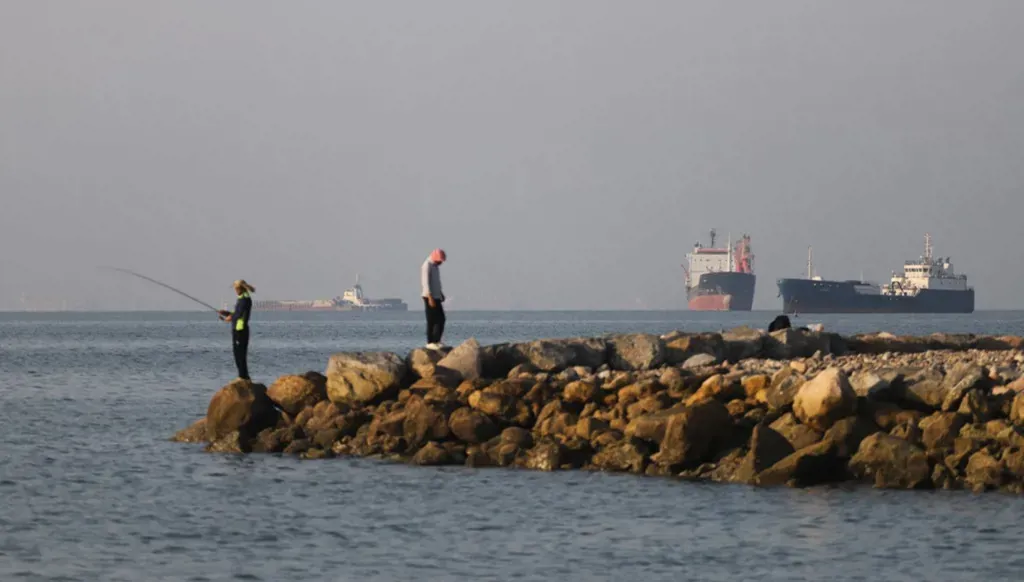


For the first time in four months, the United States and Iran agree that the memorandum of understanding between the two countries has been fully finalized and is now awaiting formal signing in Geneva on Friday.
This development follows a US Israeli war that lasted around 40 days and extended from the Gulf region to Lebanon, crippling the global economy and triggering the largest oil shock since the 1970s.
Iran's approval of the memorandum came as a belated birthday gift to US President Donald Trump on his 80th birthday. However, it was far from welcome news for Israeli Prime Minister Benjamin Netanyahu, who continued until the very last moments to undermine the diplomatic process.
He attempted to do so through the airstrike on Beirut's southern suburbs, hoping to provoke an Iranian response against Israel that would place Trump in an awkward position and push him to withdraw from the agreement.
The strike angered Trump, who considered it unnecessary, particularly since the drones launched by Hezbollah toward northern Israel had caused no damage.
Consequently, Netanyahu could have refrained from responding, especially at a time when negotiations had reached their final stages and efforts were underway to bring the memorandum of understanding across the finish line.
Ceasefire and the Path Toward an Agreement
Iranian Deputy Foreign Minister Kazem Gharibabadi stated that Iran decided against retaliating for the strike on Beirut's southern suburbs after obtaining new "concessions" from Trump.
Pakistani Prime Minister Shehbaz Sharif was explicit when announcing the memorandum of understanding, confirming that its provisions include a ceasefire on all fronts, including Lebanon. This issue is particularly sensitive for Israeli Prime Minister Benjamin Netanyahu, who requested an urgent meeting with Trump.
The specific measures outlined in the memorandum have not been disclosed in detail. However, according to Trump, Iran will reopen the Strait of Hormuz to maritime traffic without charging transit fees to passing vessels immediately after the memorandum is signed on Friday, in the presence of Vice President JD Vance and Iran's chief negotiator Mohammad Bagher Qalibaf. At the same time, the US president will issue an order lifting the naval blockade on Iran's southern ports.
Iranian officials have indicated that this will be followed by the US release of 25 billion dollars in frozen Iranian assets. American officials, however, remain cautious on this matter and insist that these funds will only be released after Tehran fulfills its obligations, particularly those related to any agreement that may be reached regarding Iran's nuclear program.
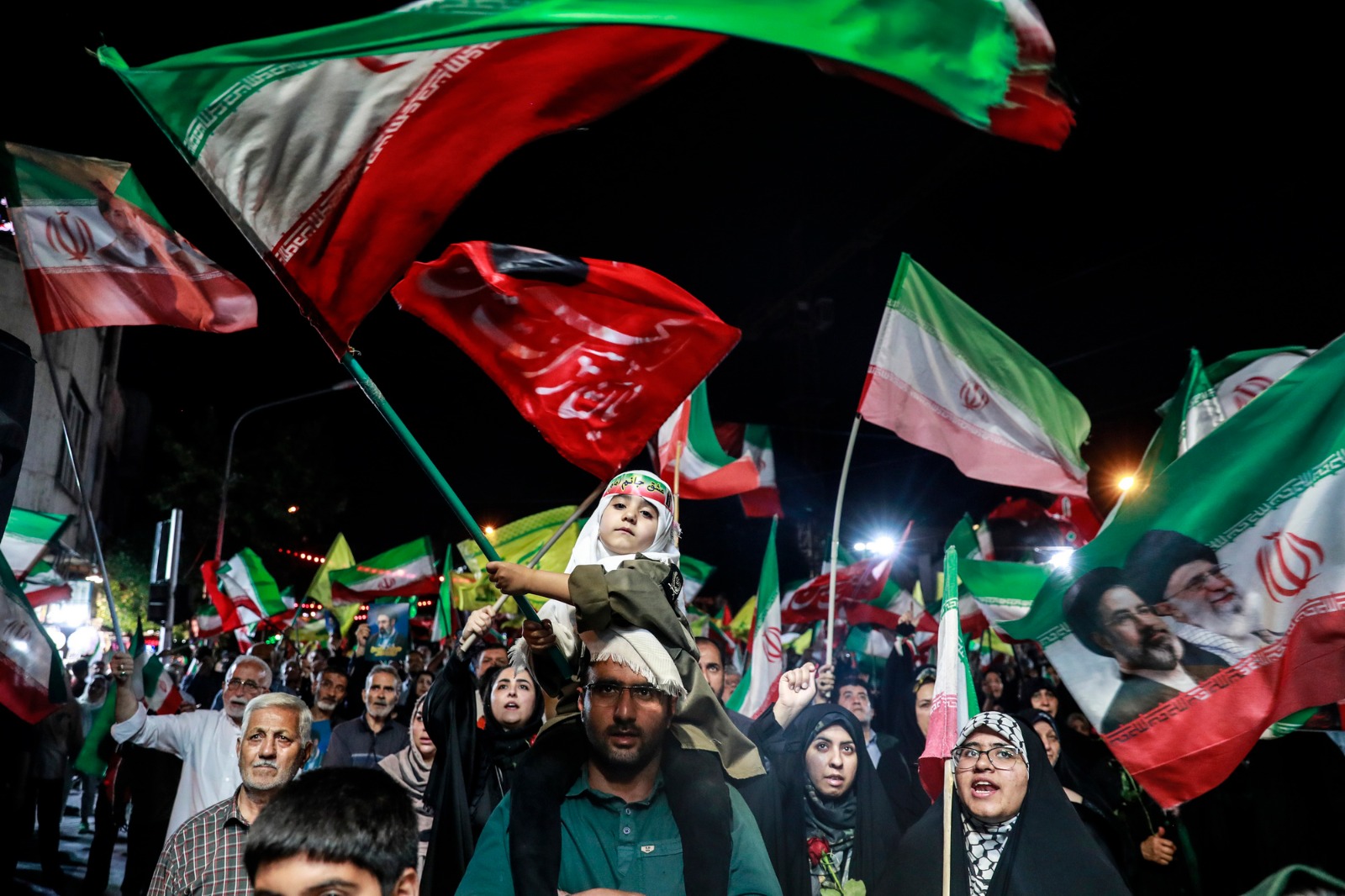
Nuclear Negotiations
Before the agreement is formally signed, American and Iranian negotiators will hold preliminary talks in Doha, according to a diplomatic source, to prepare the ground for the next phase.
One confirmed provision of the memorandum states that both sides will enter into negotiations lasting 60 days, corresponding to the official ceasefire period, to address Iran's nuclear program.
These talks will cover the fate of 440 kilograms of uranium enriched to 60 percent purity, the duration for which Tehran will suspend uranium enrichment activities, and the associated easing of US sanctions.
The prospects for reaching a final agreement between the United States and Iran will largely depend on the outcome of these negotiations. Success in securing a nuclear deal could mark a turning point in US Iranian relations. Failure to reach an agreement, however, could bring both sides back to square one and lead to the resumption of war.
Economic Relief and Political Caution
Reaching the memorandum of understanding became an urgent priority for Trump on the eve of the midterm elections, as lower gasoline and diesel prices would provide relief to his far-right support base, which had been concerned that rising inflation could cost Republicans control of both chambers of Congress. Even hardline Republican Senator Lindsey Graham welcomed the agreement, although he stated that he would continue to "closely monitor" the nuclear negotiations.
The announcement of the agreement was also reflected in energy markets, where prices fell to their lowest levels since March. In a joint statement, Britain, France, Germany, and Italy declared their readiness to lift sanctions on Iran.
French President Emmanuel Macron also spoke of a role for the joint naval force with Britain in the Strait of Hormuz following its reopening. This is one of the issues set to be discussed at the G7 summit in France, which Trump is scheduled to attend tomorrow.
Should the nuclear negotiations ultimately lead to a final agreement, this would also provide much needed relief to the Iranian economy, whose deterioration has been exacerbated by both the war and the US blockade.
Overall, both Trump and Iran view the memorandum as a victory for their respective sides. However, the true test lies in reaching a final agreement, a process that still faces many obstacles.
Disclaimer: The opinions expressed by the writers are their own and do not necessarily represent the views of Annahar.