

Oil prices slide as US and Iran reach preliminary agreement to end war
Prospects of a ceasefire and the reopening of the Strait of Hormuz ease concerns over global energy supplies.



 Messenger
 Whatsapp
 Threads
 Email
Email
 Print
Print
 X
X
 Facebook
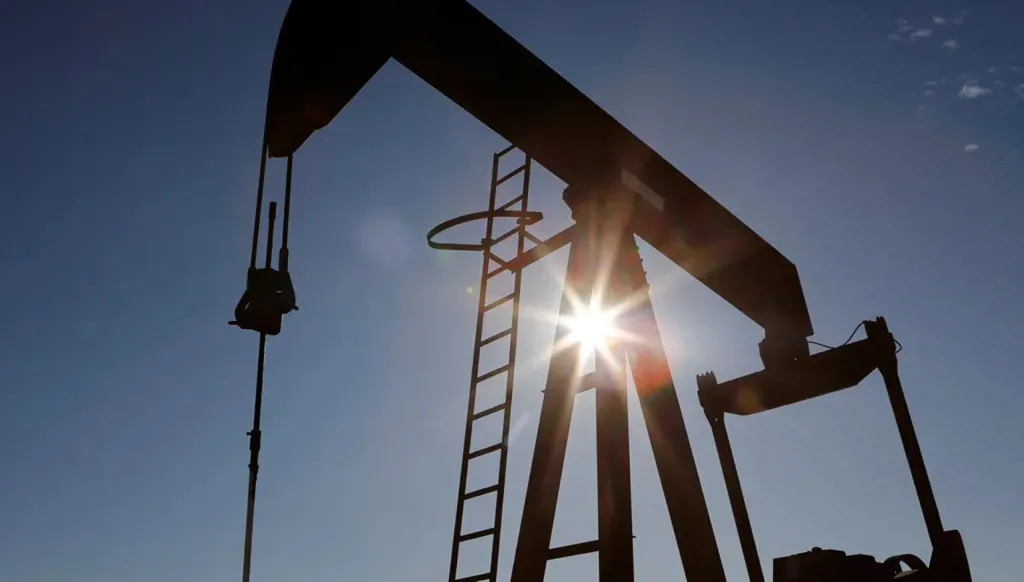


Oil prices fell to their lowest levels since March on Monday after US President Donald Trump and Iran's Deputy Foreign Minister announced that the two countries had reached a preliminary agreement to end the war and resume shipping through the Strait of Hormuz.
Brent crude futures dropped by $3.58, or 4.10 percent, to $83.75 per barrel by 00:04 GMT. US West Texas Intermediate crude also declined by $4.01, or 4.72 percent, to $80.87 per barrel. Both contracts had already fallen by more than 3 percent on Friday.
Pakistani Prime Minister Shehbaz Sharif, whose country has been acting as a mediator, said that the United States and Iran are expected to sign a memorandum of understanding in Switzerland on Friday.
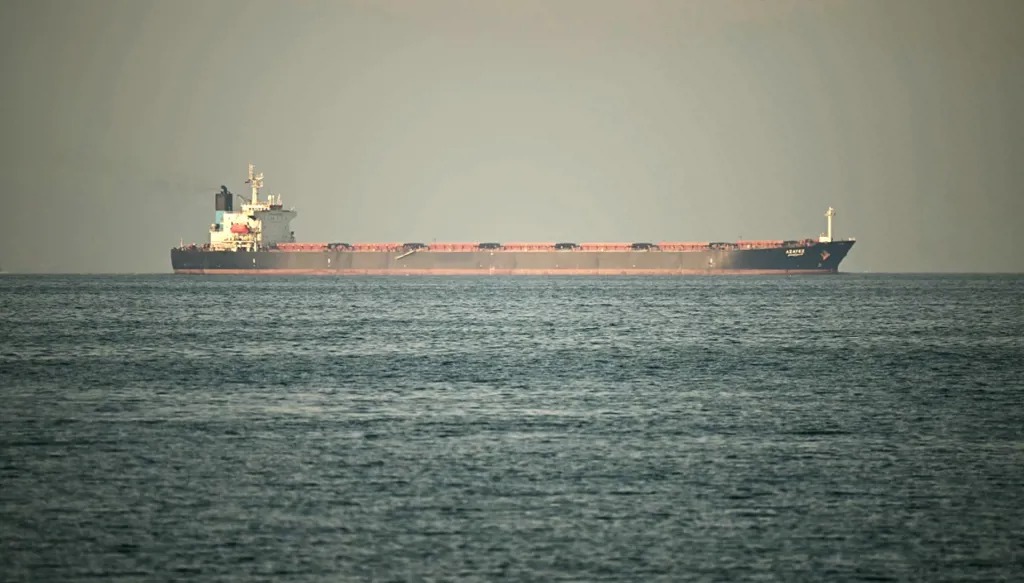
Trump said on Sunday that the Strait of Hormuz would remain open "without any fees being charged" and that the US naval blockade of Iranian ports would also come to an end.
Iran's semi official Mehr News Agency reported that the draft agreement provides for the reopening of the Strait of Hormuz within 30 days under arrangements overseen by Iran.
Tim Waterer, Chief Market Analyst at KCM Trade, said that the geopolitical risk premium previously reflected in crude oil prices is now being unwound rapidly as traders anticipate the resumption of oil flows.
The closure of the Strait of Hormuz for more than three months due to the war deprived global markets of millions of barrels of oil and gas supplies.
The strait is considered a strategic shipping route, as nearly one fifth of the world's oil and liquefied natural gas supplies passed through it before the conflict.
Investors are also monitoring how quickly oil producing countries in the Middle East will be able to restore production and exports following the damage caused by the war, as well as whether more vessels will return to the region.
Iranian Deputy Foreign Minister Kazem Gharibabadi said that a broader agreement would be negotiated during the 60-day ceasefire period.
Britain, France, Germany and Italy said on Sunday that they were prepared to lift sanctions imposed on Iran in exchange for steps taken by Tehran regarding its nuclear programme.