

US-Iran deal receives global backing as Strait of Hormuz reopens
From Qatar and Britain to the UN, world leaders hail the breakthrough as a major step toward regional stability and economic relief.



 Messenger
 Whatsapp
 Threads
 Email
Email
 Print
Print
 X
X
 Facebook
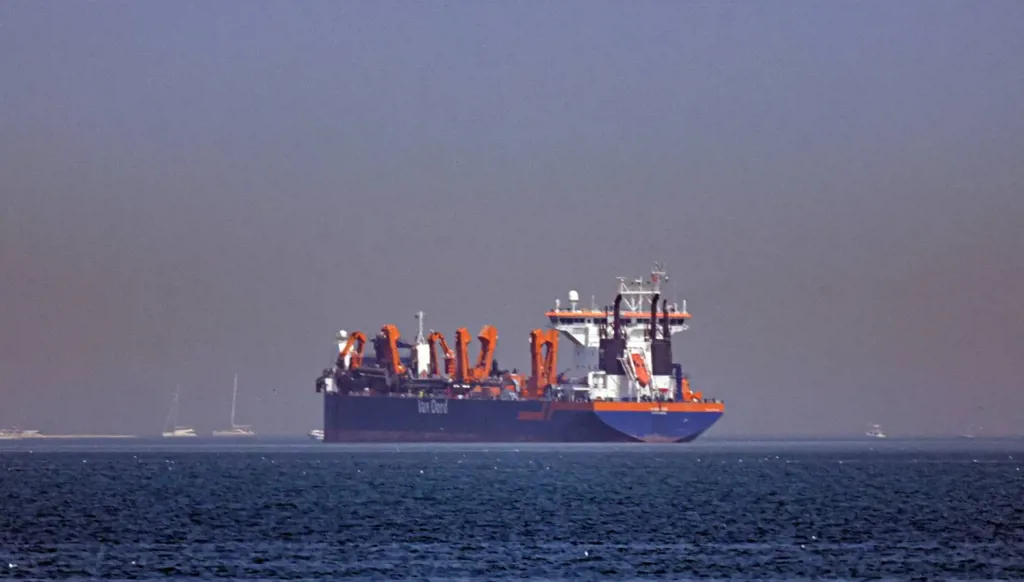


The Arab and international reactions welcomed the agreement between the United States and Iran, which includes the reopening of the Strait of Hormuz, praising regional mediation efforts and underscoring the importance of restoring stability across the region.
Qatar
Qatari Prime Minister and Foreign Minister Sheikh Mohammed bin Abdulrahman Al Thani welcomed on Monday the memorandum of understanding reached between the United States and the Islamic Republic of Iran.
He expressed his appreciation for the efforts of the Islamic Republic of Pakistan, as well as all regional and international parties that helped create the conditions leading to this understanding.
Sheikh Mohammed bin Abdulrahman Al Thani called on all parties to approach the upcoming negotiations with a positive and constructive spirit that would help consolidate this progress, build upon it, and strengthen the path of diplomatic solutions.
In a post on the platform "X," he affirmed that "the State of Qatar will remain a steadfast supporter of these efforts and of anything that enhances security and stability at both the regional and international levels through dialogue and peaceful means."
Britain
British Prime Minister Keir Starmer also welcomed the recent agreement between the United States and Iran, describing it as a "very important step towards ending the war, enhancing regional stability, and reopening the Strait of Hormuz."
Starmer said he congratulated "U.S. President Donald Trump and mediators from Pakistan, Qatar, and other countries for their contributions to achieving this diplomatic breakthrough," noting that Britain has long advocated de-escalation and views the agreement as a significant advance.
He added that "the priority now should be the full implementation of the memorandum of understanding to ensure the permanent and safe reopening of the Strait of Hormuz and the completion of the details of the nuclear agreement," affirming Britain's readiness to support the technical talks that will begin in this context.
Starmer stressed "the need to restore freedom of navigation in the Strait of Hormuz without fees to limit the economic repercussions that have affected families in Britain and around the world in recent months."
He also highlighted Britain's willingness to continue working with international partners, including supporting any multinational defense mission that may be deployed to assist in mine removal efforts.
He concluded by asserting that "any lasting peace agreement must include strict and verifiable commitments regarding Iran's nuclear program," reiterating the United Kingdom's firm position that Iran must not acquire a nuclear weapon.
Joint European Statement
In this context, the leaders of Britain, France, Germany, and Italy issued a joint statement welcoming the agreement and emphasizing that "Iran must never acquire a nuclear weapon."
They also expressed their willingness to gradually lift sanctions in exchange for clear and verifiable Iranian commitments.
German Chancellor Friedrich Merz welcomed the agreement between the United States and Iran, describing it as a "significant diplomatic achievement" that "paves the way for a more vibrant global economy and a safer Middle East."
France
French President Emmanuel Macron welcomed the agreement, describing it as the result of diplomatic efforts involving several partners and calling for its swift and comprehensive implementation by all parties.
Macron stressed that "the agreement should immediately reopen the Strait of Hormuz without conditions," adding that the international mission established in cooperation with the United Kingdom stands ready to support this effort.
He affirmed that "unrestricted freedom of navigation is a fundamental condition for regional stability and the global economy."
He noted that "the agreement also paves the way for comprehensive negotiations that serve peace and security in the Middle East by addressing issues related to Iran's nuclear and missile programs, as well as regional policies, thereby contributing to the establishment of a solid and lasting peace."
On Lebanon, Macron reaffirmed France's continued support for "the efforts of the Lebanese authorities to restore state sovereignty," considering that "a strong and permanent ceasefire is a basic condition to ensure stability, preserve territorial unity, and meet the needs of the Lebanese people."
United Nations
UN Secretary-General António Guterres welcomed the agreement between the United States and Iran, which includes a permanent ceasefire and the reopening of the Strait of Hormuz, describing it as a "crucial step" toward peace in the Middle East.
Guterres expressed hope that "the parties will seize this new momentum and intensify their efforts to reach a final settlement of the conflict."
Trump Announces Agreement with Iran is "Now Complete"
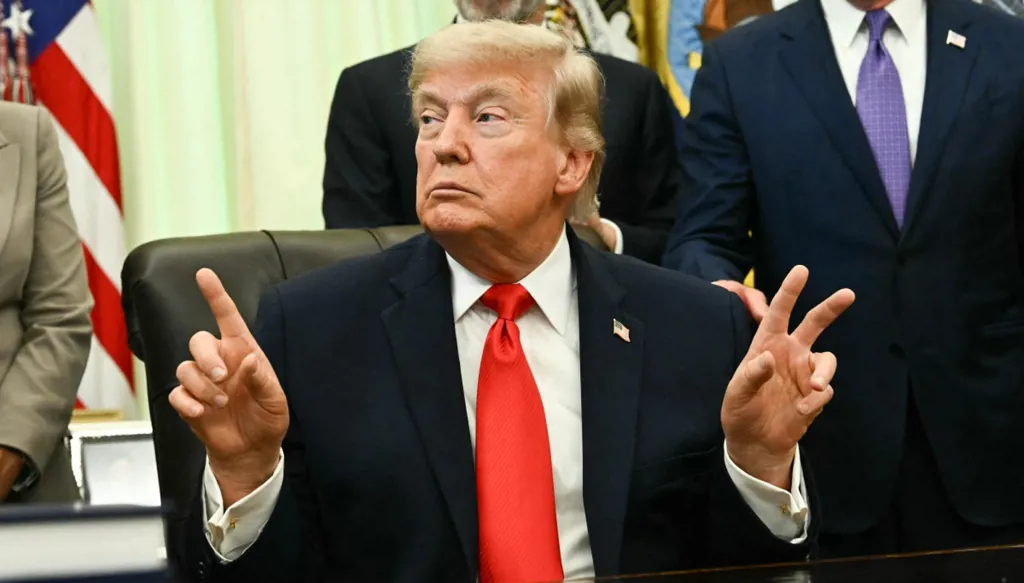
U.S. President Donald Trump announced in a post on his platform, "Truth Social," that the agreement with "the Islamic Republic of Iran" is now complete, congratulating everyone.
He said he had given full authorization to reopen the Strait of Hormuz to international navigation without fees, alongside the immediate lifting of the U.S. maritime blockade. He urged global shipping traffic to resume and emphasized the need for oil to flow once again.
Pakistani Prime Minister Shehbaz Sharif also announced that a peace agreement had been reached between the United States and Iran following intense talks.
He added: "Both sides announce an immediate and permanent cessation of military operations on all fronts, including Lebanon."