US-Iran deal faces Israeli resistance despite pledges of immediate ceasefire in Lebanon
Washington and Tehran say their agreement includes an end to the war in Lebanon, but Israeli officials insist they are not bound by the deal, exposing deep divisions as Trump pushes to finalize the accord and prevent further regional escalation.



 Messenger
 Whatsapp
 Threads
 Email
Email
 Print
Print
 X
X
 Facebook
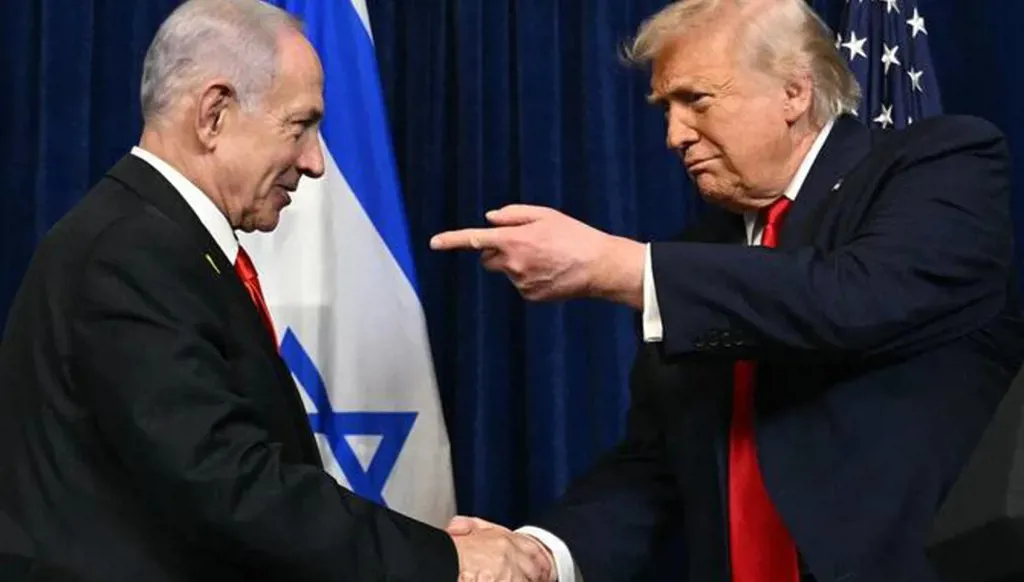


Although the American and Iranian sides, along with the Pakistani mediator, have confirmed that the agreement reached on Sunday night and into Monday includes a ceasefire in Lebanon, Israel has so far continued to reject a ceasefire in Lebanon.
According to the Israeli newspaper Yedioth Ahronoth, sources said that Israeli Prime Minister Benjamin Netanyahu informed US President Donald Trump that Israel is not bound by the terms of the agreement and will not withdraw from Lebanon.
The Israeli sources also stated that Netanyahu told Trump that the Israeli army would remain in its current positions inside Lebanon and would respond to any attacks by Hezbollah.
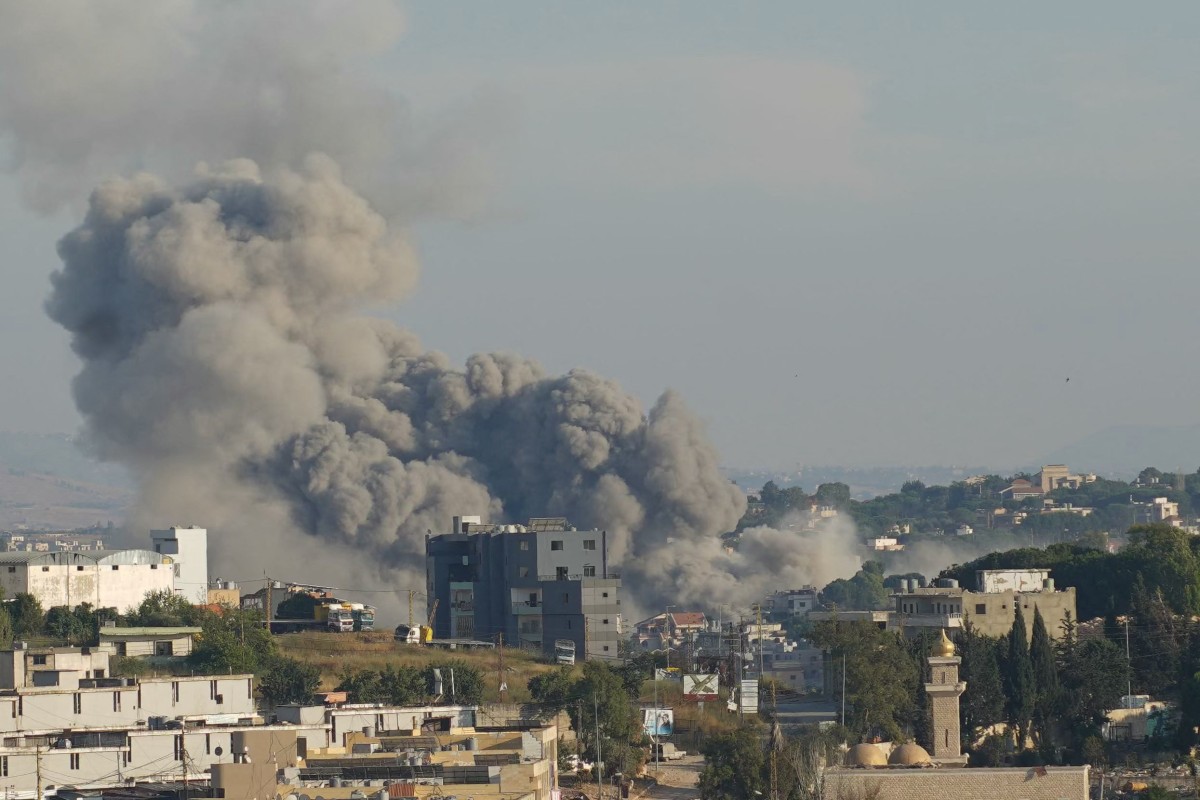
The issue of Lebanon emerged as a major point of contention during the course of the negotiations between Washington and Tehran, preventing the two sides from reaching an agreement for several weeks.
It also led to disagreements between Trump and Netanyahu over Washington's demands that Israel scale back its military operations in Lebanon in order to create an opportunity for reaching an agreement with Tehran.
On Sunday, Israeli warplanes carried out an airstrike on Beirut's southern suburbs, causing the agreement to come under strain after Iran threatened to launch attacks against Israel in response to the strike on the area.
Commenting on these developments, Trump said on Sunday, "I will ask Tehran not to retaliate against the Israeli strikes on Beirut's southern suburbs, and I have asked Israeli Prime Minister Benjamin Netanyahu not to carry out any further strikes in Lebanon."
Axios also quoted the US president as saying that "the signing of the agreement with Iran is proceeding as planned today despite the Israeli strike on Beirut and Tehran's threats to retaliate."
He added, "I do not know why Netanyahu carried out the attack on Beirut. It angered me, and I told him that it lacked wisdom. I informed Netanyahu of my anger over the attack on Beirut and told him that it demonstrated extremely poor judgment."
Trump further stated that "the Israeli attack on Beirut delayed the signing by several hours, but a new time has now been set for it within the next few hours. The agreement will be beneficial to Israel because it will prevent Iran from obtaining a nuclear weapon and will require it to dispose of its nuclear materials."
For his part, Pakistani Prime Minister Shehbaz Sharif announced late Sunday night into Monday that the United States and Iran had reached a "peace agreement" that would immediately end all military operations in the Middle East, including those in Lebanon.
The Iranian Ministry of Foreign Affairs also announced that an immediate and permanent end to the war, including in Lebanon, would be declared starting Sunday night. It added that negotiations would be held to reach a final agreement within a 60-day period.