

The Geneva gamble: U.S. and Iran strike a deal after a region-wide war
From Beirut to the Strait of Hormuz, a fragile agreement could redraw the Middle East's political landscape, even as major flashpoints remain.



 Messenger
 Whatsapp
 Threads
 Email
Email
 Print
Print
 X
X
 Facebook
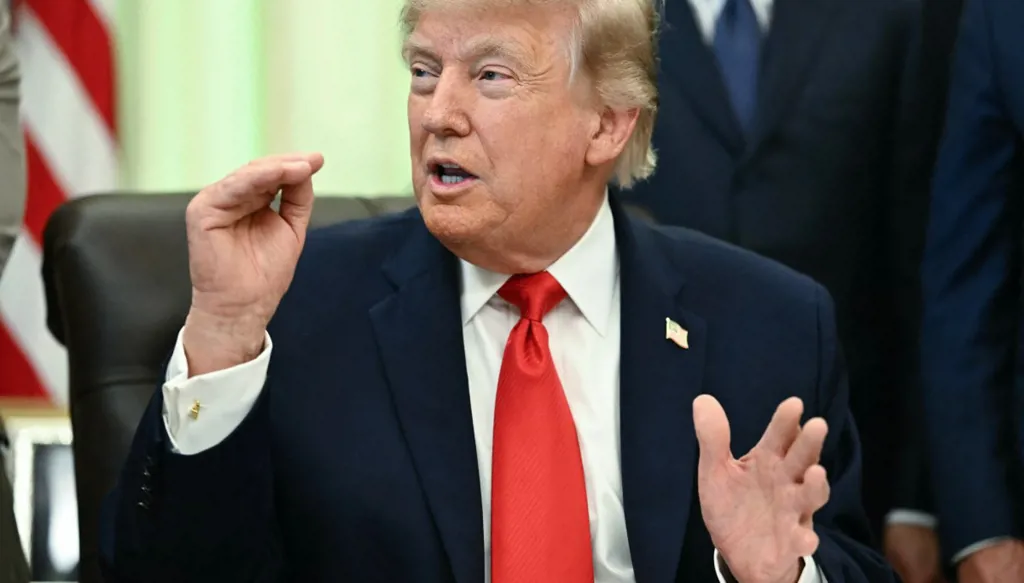


The Israeli escalation in Lebanon in recent hours marked a turning point in the regional landscape, prompting mediators led by Pakistan to officially announce on Sunday night that Iran and the United States had reached an agreement. The signing ceremony is scheduled to take place in Geneva on June 19.
Both Washington and Tehran confirmed the deal after three and a half months of American-Israeli attacks on the Islamic Republic and the outbreak of a war that spread across several Middle Eastern countries, most notably Lebanon.
Following the announcement, U.S. President Donald Trump immediately declared that the Strait of Hormuz—the vital maritime passage that Iran had closed after the war began—would reopen once the agreement is signed on Friday.
He also announced the lifting of the U.S. embargo on Iranian ports, which had been in place since April 13, saying: "Let the oil flow."
Meanwhile, Tehran, through Deputy Foreign Minister Kazem Gharibabadi, affirmed that the agreement would "immediately and permanently halt the war," adding that Iran had "achieved significant victories during this war."
Pakistan stated that the agreement also includes Lebanon, a condition Tehran had maintained throughout the arduous negotiations that have continued since the announcement of a fragile ceasefire on April 8.
Pakistani Prime Minister Shehbaz Sharif announced that the United States and Iran had reached a "peace agreement" that immediately ends all military operations in the Middle East, including Lebanon.
In a statement published on the X platform, Sharif said: "With the agreement now concluded, mediators will facilitate a series of meetings this week," adding that "these discussions preceding implementation will lay the groundwork for technical talks and the official signing ceremony."
Trump, for his part, said the agreement would bring "security and peace" to the Middle East.
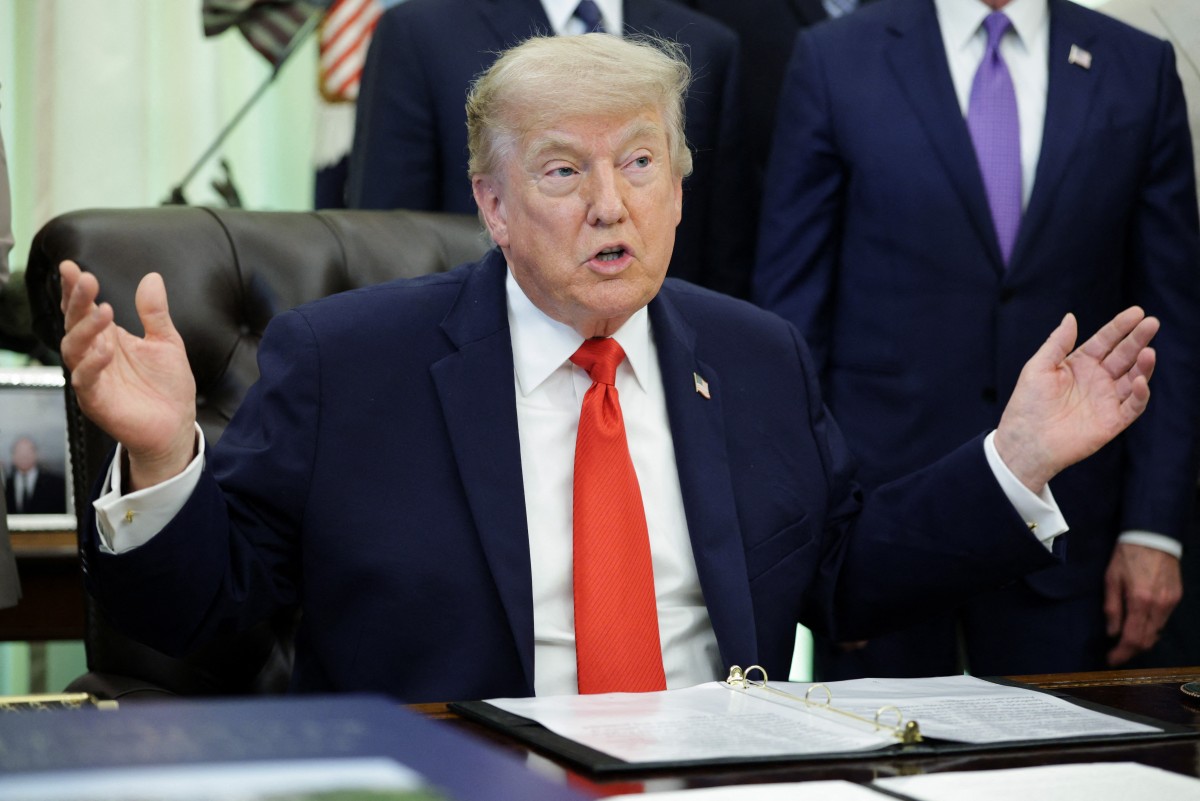
How Did the War in the Middle East Erupt?
On February 28, Iran responded to the U.S.-Israeli attacks, which killed numerous political, security, and military leaders, including Supreme Leader Ali Khamenei, by launching missiles and drones at Israel and several Gulf states.
On March 2, the Lebanese front opened between Israel and Hezbollah after the group launched rockets and drones toward Israel in solidarity with Iran. Israel responded with a destructive bombardment campaign and a ground invasion, advancing tens of kilometers into Lebanese territory.
A ceasefire between Israel and Hezbollah was announced on April 17. However, it achieved little on the ground despite negotiation sessions between the Lebanese and Israeli governments to determine the future of relations between the two countries. Lebanon demanded Israel's withdrawal from its territory, while Israel insisted on Hezbollah's disarmament—a commitment the Lebanese government had made months earlier.
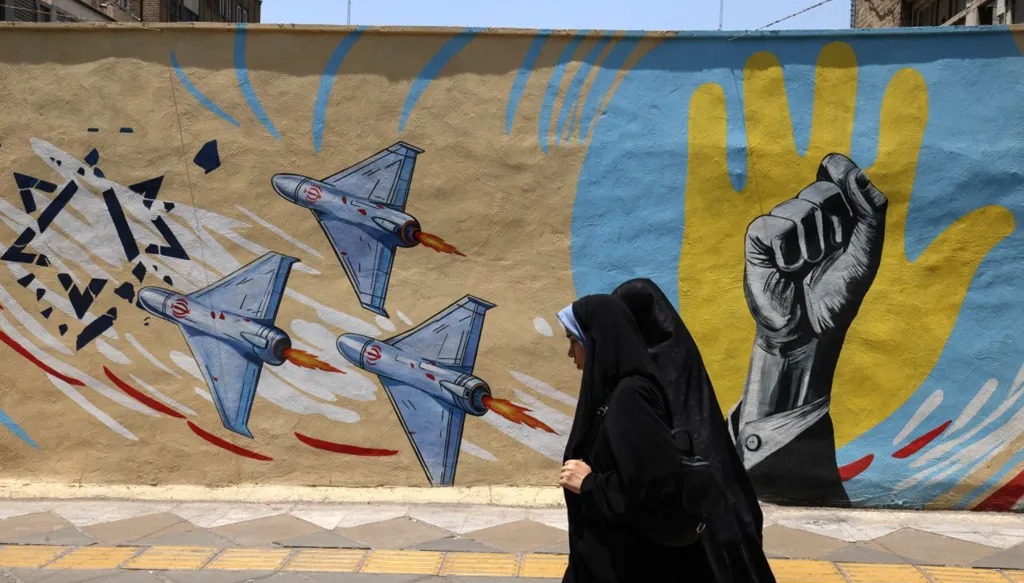
What Does the Agreement Between the U.S. and Iran Entail?
The full details of the agreement, which Tehran describes as a "memorandum of understanding," have yet to be clarified. However, it is evident that the core issues that led Israel and the United States to launch the war—particularly the Iranian nuclear file—remain unresolved.
Washington and Israel accuse Iran of seeking to acquire a nuclear bomb, an allegation Tehran denies, insisting that its nuclear program is intended for civilian purposes despite possessing a stockpile of uranium enriched to 60 percent. Civilian nuclear programs typically require enrichment levels of no more than 5 percent.
Gharibabadi stated on state television that negotiations with Washington "will begin within 60 days to reach a final agreement," while noting that "caution remains" regarding the United States.
Among the unresolved issues are Iran's missile program, which Israel and the United States demanded be halted, and Tehran's support for armed groups across the Middle East, particularly Hezbollah, the Houthis in Yemen, and Iraqi factions. All of these groups participated to varying degrees in the war by targeting Israel or American interests in the region.
Iran insists that any agreement must include the complete lifting of U.S. sanctions that have severely strained its economy.
On Monday, the Iranian news agency Mehr published what it claimed were the "Fourteen Provisions of the Memorandum of Understanding" between Iran and the United States, including a clause providing for the release of $12 billion in frozen Iranian assets.
The document, which has not been officially confirmed, also stated that a total of $24 billion in frozen Iranian funds would be released during the 60-day final negotiation period, with half of that amount made available to Iran before negotiations formally begin.
A spokesperson for the Khatam al-Anbiya headquarters, the central command of the Iranian armed forces, declared: "By God's grace, our people, with their armed forces and the resistance front, forced the enemy Americans and the ignoble Zionists to accept defeat and submission. The enemies have no choice but to acknowledge defeat and yield to the Iranian people."
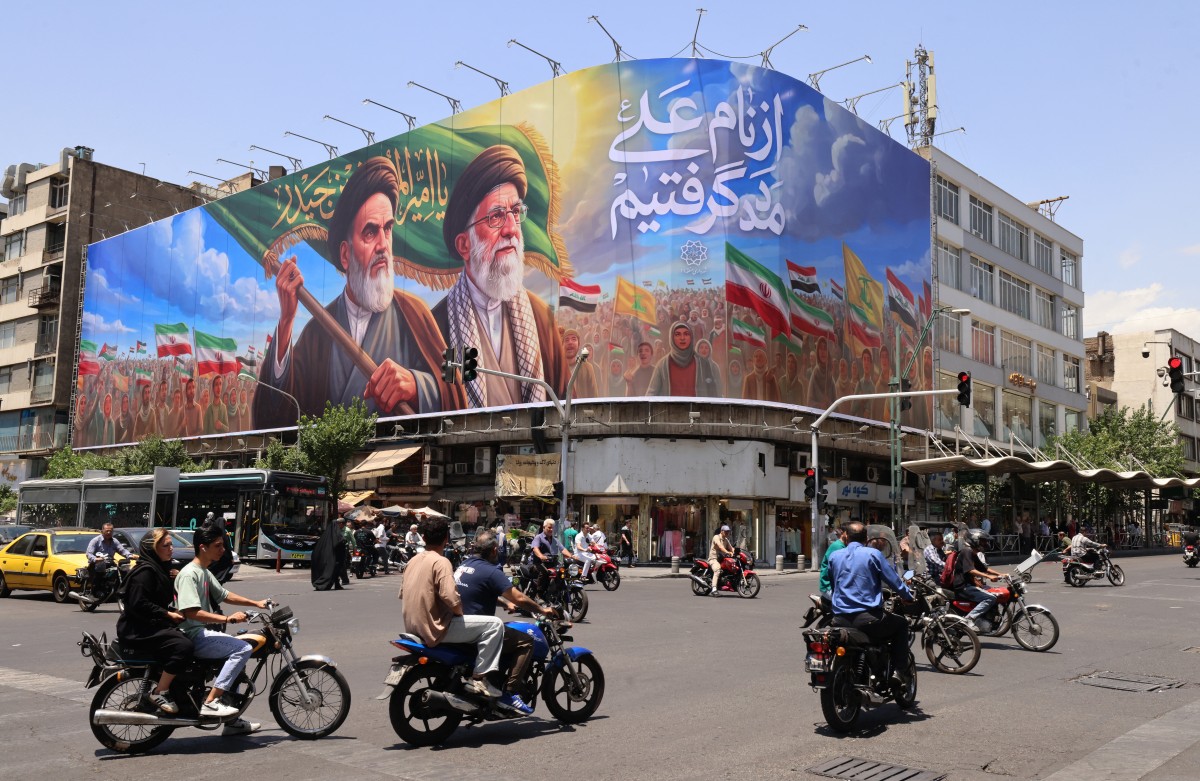
Israel
The announcement of the agreement helped ease tensions at the opening of financial markets on Monday. Oil prices fell by more than 4 percent in Asian trading, while Japan's Nikkei stock index rose by 3 percent.
U.S. Vice President J.D. Vance told Fox News: "What we will be able to do is lower energy costs, not only now but in the long term, and create a real driver for prosperity in the Middle East."
He added that he plans to attend the signing ceremony of the peace agreement in Geneva and indicated that Trump could attend as well.
Israel, which partnered with the United States in launching the war and had urged Washington not to be lenient with Tehran and Hezbollah, has yet to issue an official response to the agreement.
On Sunday, Israel carried out an airstrike on Beirut's southern suburbs, prompting an Iranian threat to respond and angering Trump, who criticized Israeli Prime Minister Benjamin Netanyahu for authorizing the strike while the agreement was nearing completion.
Trump told the American news site Axios that the strike "delayed the signing," arguing that Netanyahu "completely lacks wisdom."
UN Secretary-General António Guterres welcomed the agreement between the United States and Iran as a "decisive step" toward peace.
The Group of Four major European countries—the United Kingdom, France, Germany, and Italy—also welcomed the agreement and expressed readiness to lift some of the sanctions imposed on Iran, according to a joint statement.