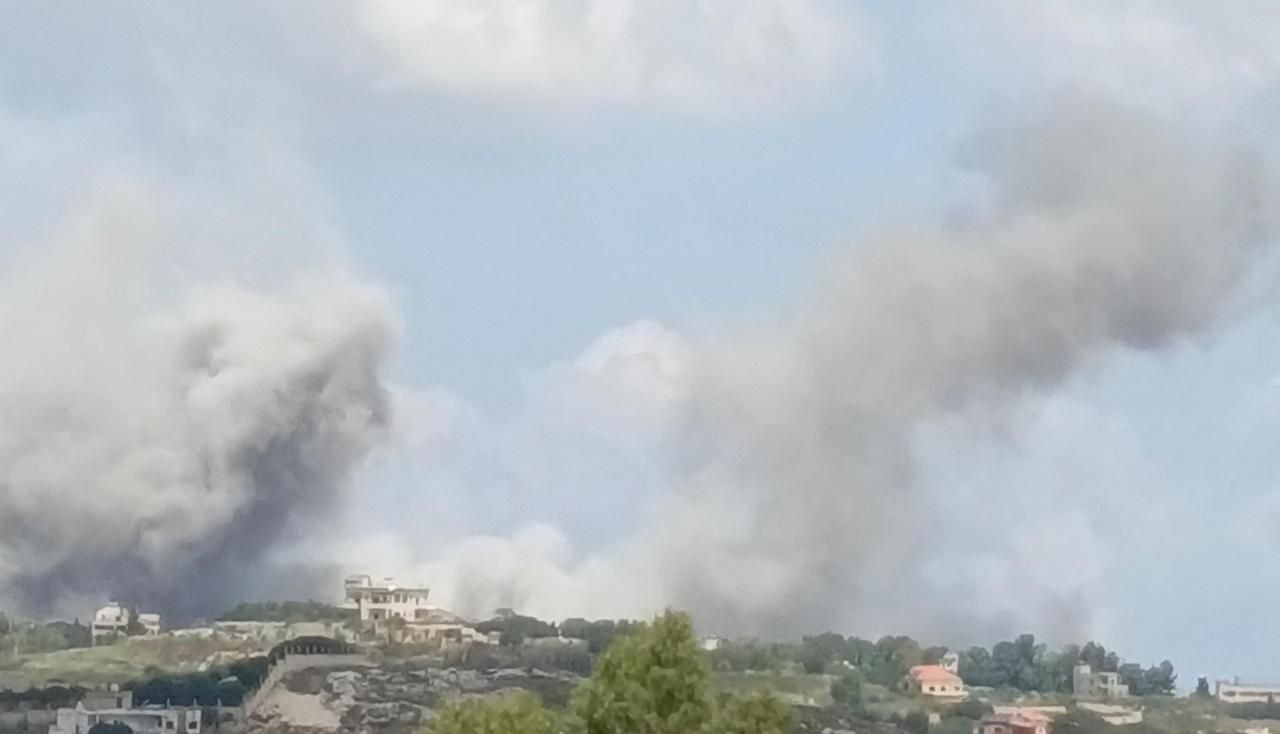
Will a US-Iran deal spare Lebanon? Israeli escalation casts doubt on regional truce
As Washington and Tehran edge toward a potential breakthrough, Lebanon remains trapped between hopes of de-escalation and the reality of renewed displacement, Israeli threats, and an uncertain ceasefire.



 Messenger
 Whatsapp
 Threads
 Email
Email
 Print
Print
 X
X
 Facebook


Attention is turning to what could become the first political breakthrough since the outbreak of regional confrontations, as anticipation grows over a preliminary understanding between the United States and Iran.
Diplomatic reports suggest that the agreement could be signed as early as today, coinciding with U.S. President Donald Trump's birthday.
Yet in Lebanon, the atmosphere remains far from one of imminent stability, defined instead by cautious waiting, mixed signals of calm, continued field escalation, and mounting Israeli threats.
According to circulating diplomatic information, the anticipated understanding would provide for the full reopening of the Strait of Hormuz without transit fees in exchange for the gradual and conditional easing of sanctions on Tehran. It would also extend the ceasefire for sixty days to allow more detailed negotiations on Iran's nuclear program and broader regional security arrangements.

Although the proposed framework reportedly includes the Lebanese front within the ceasefire, its practical implications for Lebanon remain uncertain.
So far, there are no clear indications that Israel considers the Lebanese arena a guaranteed part of any forthcoming agreement, particularly as military operations and exchanges of fire continue on both sides.
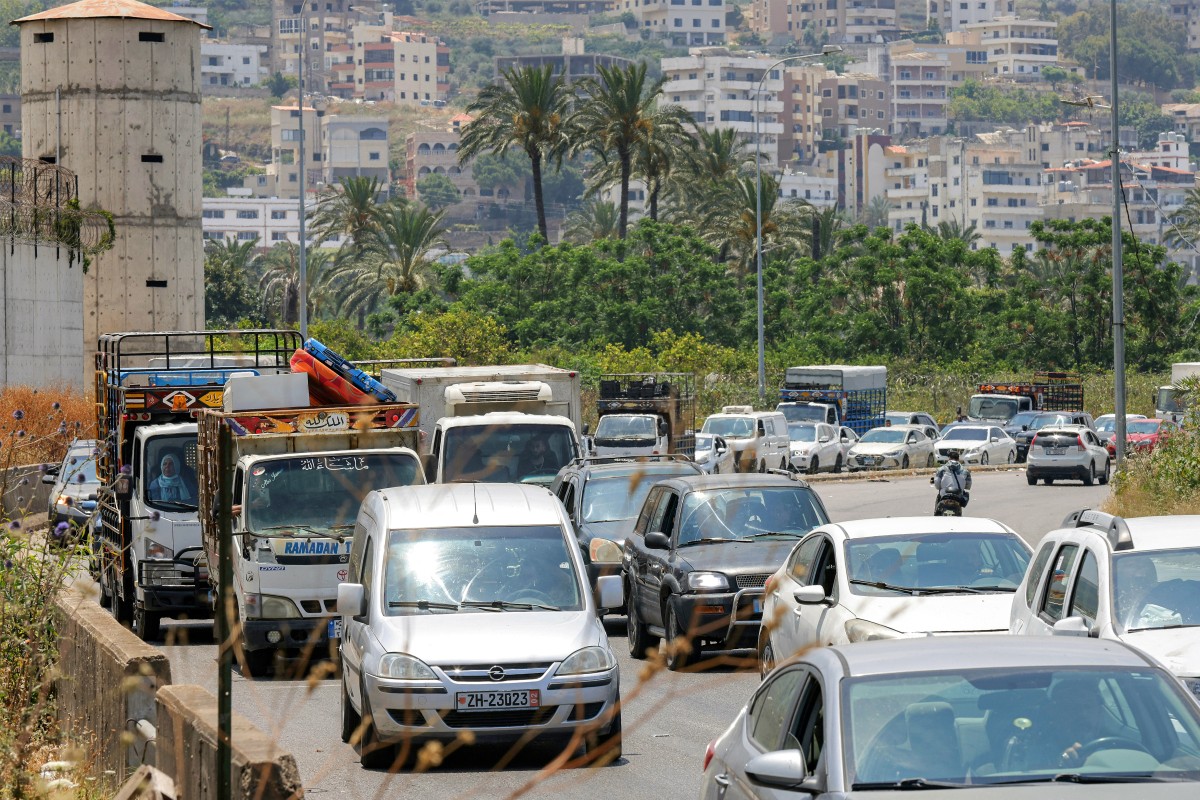
مشاهد نزوح من قرى إقليم التفاح باتجاه بلدة كفرحتى، عقب الإنذارات الإسرائيلية والتصعيد العسكري في جنوب لبنان pic.twitter.com/HfrhBOSyfG
— Annahar النهار (@Annahar) June 14, 2026
This ambiguity became evident on Sunday morning when the Israeli army issued urgent warnings to residents of 29 towns and villages in southern Lebanon, urging them to evacuate immediately and move north of the Litani River.
The warnings affected numerous communities in the Nabatiyeh, Tyre, and Sidon districts, triggering a new wave of displacement toward Sidon and Beirut.
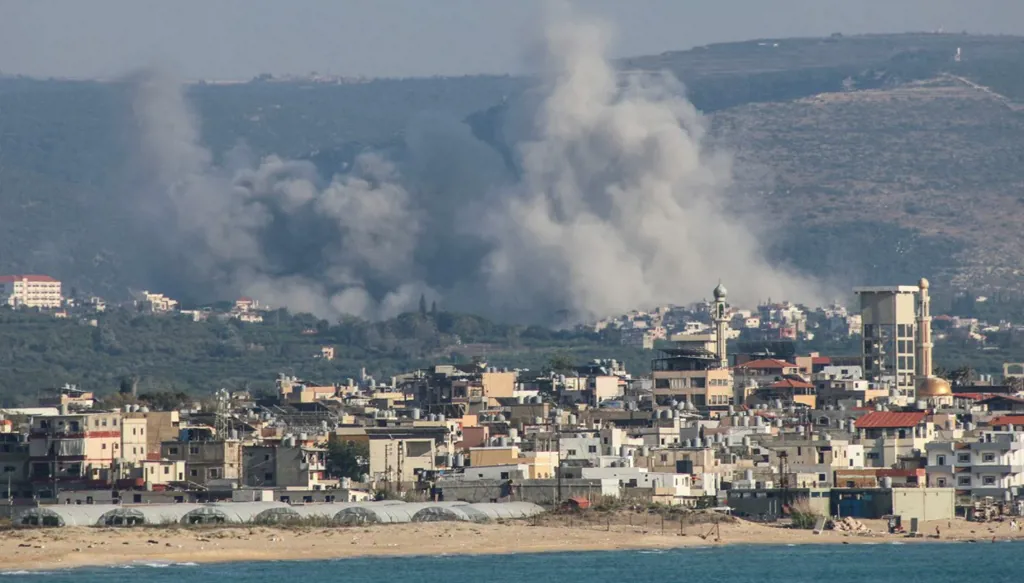
At the same time, Israeli airstrikes targeted several areas across the south, including Majdal Zoun, Al-Rihan, Al-Mansouri, Al-Abbasiyah, Haris, Faroun, Hadathah, Al-Duweir, Kfar Tibnit, Al-Qulaylah, and the outskirts of Tyre. Injuries were reported in Deir Kanoun Al-Nahr, while casualties were recorded in raids targeting the Al-Msayl highway and other locations.
For its part, Hezbollah announced operations targeting Israeli army gatherings and vehicles in Majdal Zoun and Houla using missiles and attack drones. Israel said it intercepted two drones launched from Lebanon near Ras Naqoura, while sirens sounded in several towns across the Western Galilee.
Amid the escalating violence, rhetoric within the Israeli government has intensified. Finance Minister Bezalel Smotrich called for implementing what he described as the "Southern Suburb Equation," arguing that drone launches from Lebanon represent a direct challenge to this policy and demanding strikes on buildings in Beirut's southern suburb in response to any attack.
National Security Minister Itamar Ben Gvir went even further, declaring that "the suburb must shake for every launch from Lebanon," and insisting that he would push during cabinet meetings for a harsher military response against Hezbollah.
These statements have revived fears that Beirut's southern suburb could once again become a focal point of Israeli retaliation, even if Washington and Tehran succeed in securing a preliminary regional truce.
Within Lebanon, political reactions reflected growing anxiety over the next phase. Maronite Patriarch Cardinal Mar Bechara Boutros Al-Rahi called for prayers for the success of the negotiations, saying that the Lebanese people "are tired of the language of war, threats, and long waiting."
Meanwhile, former Progressive Socialist Party leader Walid Jumblatt questioned whether the anticipated agreement genuinely includes Lebanon, calling for guarantees of Israel's withdrawal from Lebanese territory and the continued role of UNIFIL forces.