

Trump says U.S.-Iran peace deal is imminent as Strait of Hormuz set to reopen
Conflicting statements from Washington and Tehran, electronic signing plans, and negotiations over the Strait of Hormuz have fueled global anticipation over a potential agreement that could reshape the Middle East.



 Messenger
 Whatsapp
 Threads
 Email
Email
 Print
Print
 X
X
 Facebook
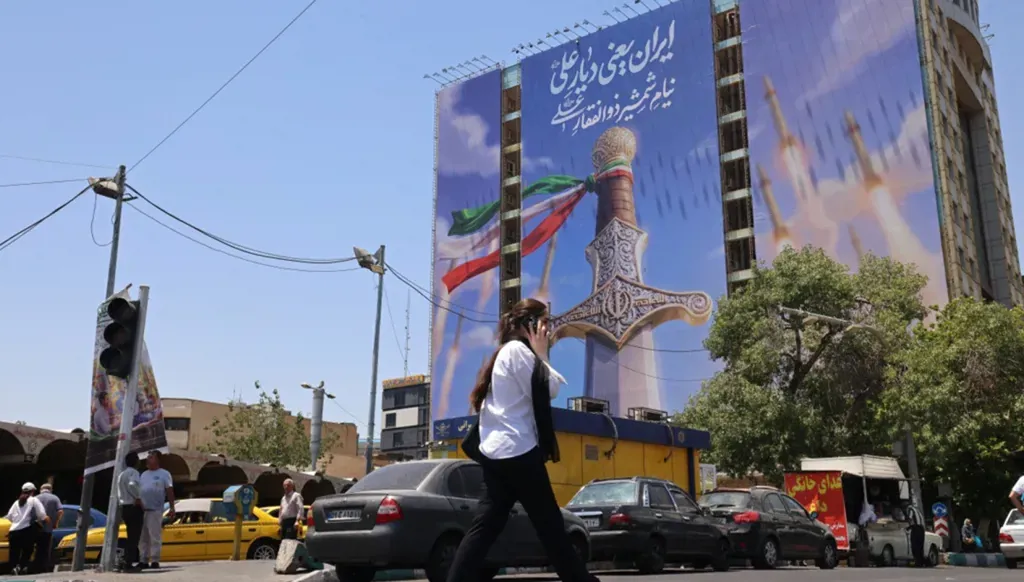


U.S. President Donald Trump announced that a peace agreement with Iran is set to be signed today, Sunday, a move that would immediately reopen the Strait of Hormuz to international navigation and is considered closely linked to ongoing negotiations.
In a post on his platform, "Truth Social," Trump said: "The agreement is set to be signed Sunday, and immediately after signing, the Strait of Hormuz will be open to everyone."
He added that the United States would later address Iran's nuclear issue through the "destruction of nuclear materials" using advanced military capabilities.
Tehran, however, denied this timeline. Iranian media reported that the Foreign Ministry stated that "the agreement will not be signed on Sunday," while its spokesperson, Esmail Baghaei, stressed the need to wait for a precise date, suggesting that it could happen within "the coming days."
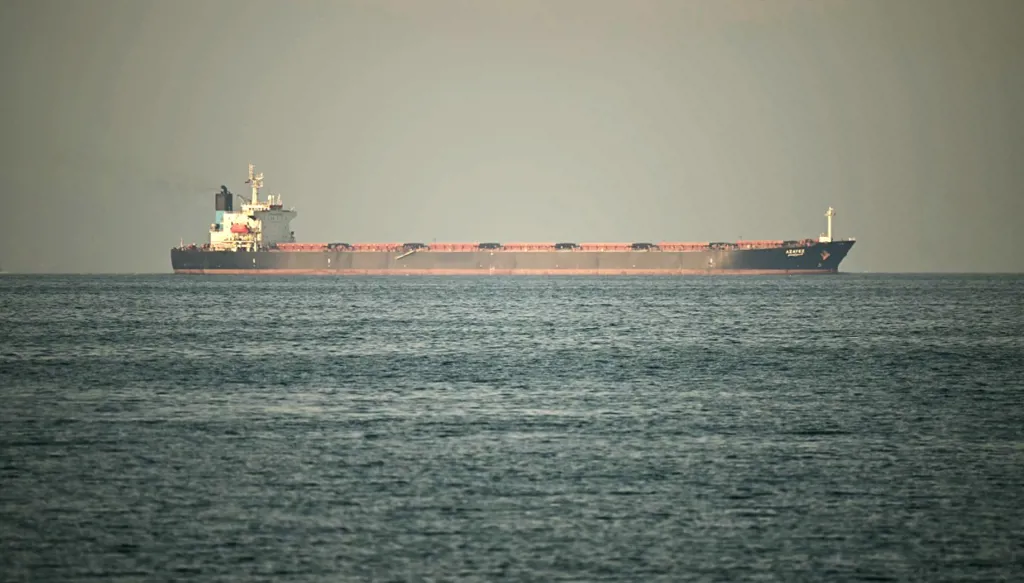
Signing of the U.S.-Iran Agreement "Electronically"
Meanwhile, the American network CNN reported details from officials regarding the meeting designated for signing the anticipated agreement aimed at ending the war in the Middle East between Washington and Tehran.
According to officials cited by CNN, plans for an in-person signing ceremony between the two sides were canceled and replaced with an electronic signing due to logistical challenges.
Pakistani Mediation and Expectations of an Agreement Within 24 Hours
These statements differ from Pakistan's position, as the country leading the mediation efforts has expressed confidence that an agreement is imminent. Prime Minister Shahbaz Sharif said he expects the deal to be finalized within 24 hours, while the Pakistani Foreign Ministry referred to anticipated "electronic signing ceremonies."
Iranian Foreign Minister Abbas Araghchi also expressed optimism, stating that the "Islamabad Memorandum of Understanding is closer than ever," with a formal announcement expected once the final stages are completed.
The Strait of Hormuz at the Heart of Negotiations
The Strait of Hormuz remains a central issue in the negotiations, with proposals for special arrangements governing its management after the war.
According to draft terms cited by Iranian sources, the agreement would end the American naval blockade on Iranian ports in exchange for reorganizing navigation through the strait.
Tehran had previously insisted on maintaining oversight of the strait in coordination with Oman, a proposal that Trump has categorically rejected.
Contradictory Terms: Funds and the Nuclear Program
According to leaks, the agreement includes an immediate and permanent cessation of combat operations, including in Lebanon, followed by a 60-day negotiation process to address the nuclear issue and lift sanctions.
Reports also suggested the possible release of around $24 billion in frozen Iranian assets. However, an American official described different conditions, including dismantling the nuclear program and withholding the release of funds until full compliance with the agreed terms.
In this context, Tehran continues to insist on retaining the option of reducing uranium enrichment within its own territory, rejecting any transfer of enriched material abroad while reiterating that it does not seek to develop nuclear weapons.
Internal Iranian Division and Warnings of "Concessions"
Inside Iran, reactions have been mixed. Some newspapers welcomed the possibility of breaking the country's economic deadlock, while others argued that control over the Strait of Hormuz represents a strategic advantage that should not be surrendered.
Limited protests also took place in the city of Mashhad against the anticipated agreement, with critics warning that the negotiations involve unacceptable "concessions" and reflecting growing distrust toward decision-makers.
Protracted War and Regional and International Repercussions
These developments come amid a regional war that erupted on February 28 and spread across several countries in the Middle East, resulting in thousands of deaths and widespread economic losses.
Although a ceasefire was declared in April, tensions have persisted, with sporadic clashes continuing. The U.S. Central Command has also announced the downing of Iranian drones targeting commercial ships in the Strait of Hormuz.
Against this complex backdrop, the fate of the agreement remains dependent on conflicting positions and rapidly evolving developments, as the international community awaits the strategic shifts it could bring to the region.