

Iran–US draft “Islamabad Memorandum” outlines framework for ending regional conflict and 60-day negotiation track
The proposed agreement describe a phased deal involving nuclear talks, sanctions relief, asset releases, compensation mechanisms, and a broader effort to end hostilities across multiple regional fronts.



 Messenger
 Whatsapp
 Threads
 Email
Email
 Print
Print
 X
X
 Facebook
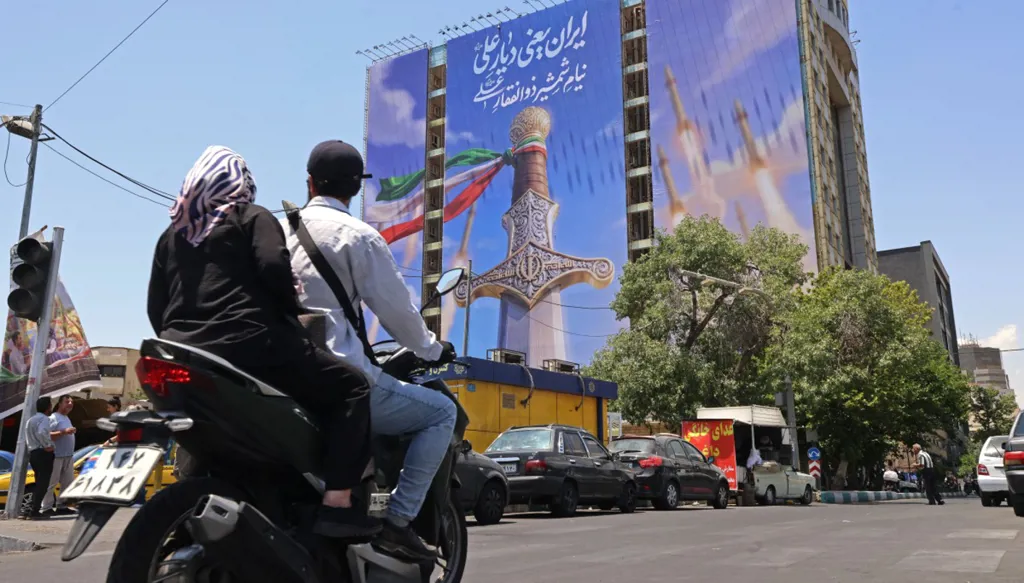


The official Iranian news agency published on Saturday the broad outlines of a peace agreement between Iran and the United States, known as the “Islamabad Memorandum.”
The report quoted the spokesperson of the Iranian Ministry of Foreign Affairs, Esmail Baghaei, as saying that “the general outlines and the overall text of the memorandum of understanding to end the war between Iran and the United States have been nearly finalized, and are now awaiting the final decision of the relevant decision-making institutions in Iran.”
Nuclear File
In the current circumstances, no agreement will be reached on the nuclear file, and Iran will not make any new commitments. The framework of its peaceful nuclear program will remain as it is after the signing of the understanding. Based on the initial Iranian proposal, any nuclear negotiations will be held within 60 days of signing the understanding.
The references in the understanding to Iran’s nuclear program do not create any new obligations on Iran. They are only references to later negotiations and to Iran’s firm commitment not to develop nuclear weapons, based on the permanent policy of the Islamic Republic of Iran.
There is no doubt that during the 60-day negotiations following the signing of the understanding, Iran will negotiate its nuclear program within the fundamental principles desired by the system. The focus will be on issues such as Iran’s right to enrich uranium and the Islamic Republic of Iran retaining enriched materials to be included in the final agreement.
Strait of Hormuz
Contrary to some unusual claims in the media, Iran is not committing in this text to hand over control of the Strait of Hormuz to the other side, or to return it to what it was before the US and Israeli military aggression.
The only issue under discussion is normalizing passage through the Strait of Hormuz if the war ends, establishing maritime security by the coastal states, ending the illegal blockade, and removing threats to the passage of commercial ships from the United States and Israel.
At Iran’s request, the United States will have no effective role in managing the Strait of Hormuz in the future. It has been clearly emphasized that the future of the strait will be based on Iran’s initiative and proposal within a regional framework involving the countries of the region.
In this context, there will be no room for discussing the future of the Strait of Hormuz even in the negotiations following the signing of the memorandum of understanding. Tehran will address this issue directly in talks with the Sultanate of Oman, as the other coastal state of the strait.
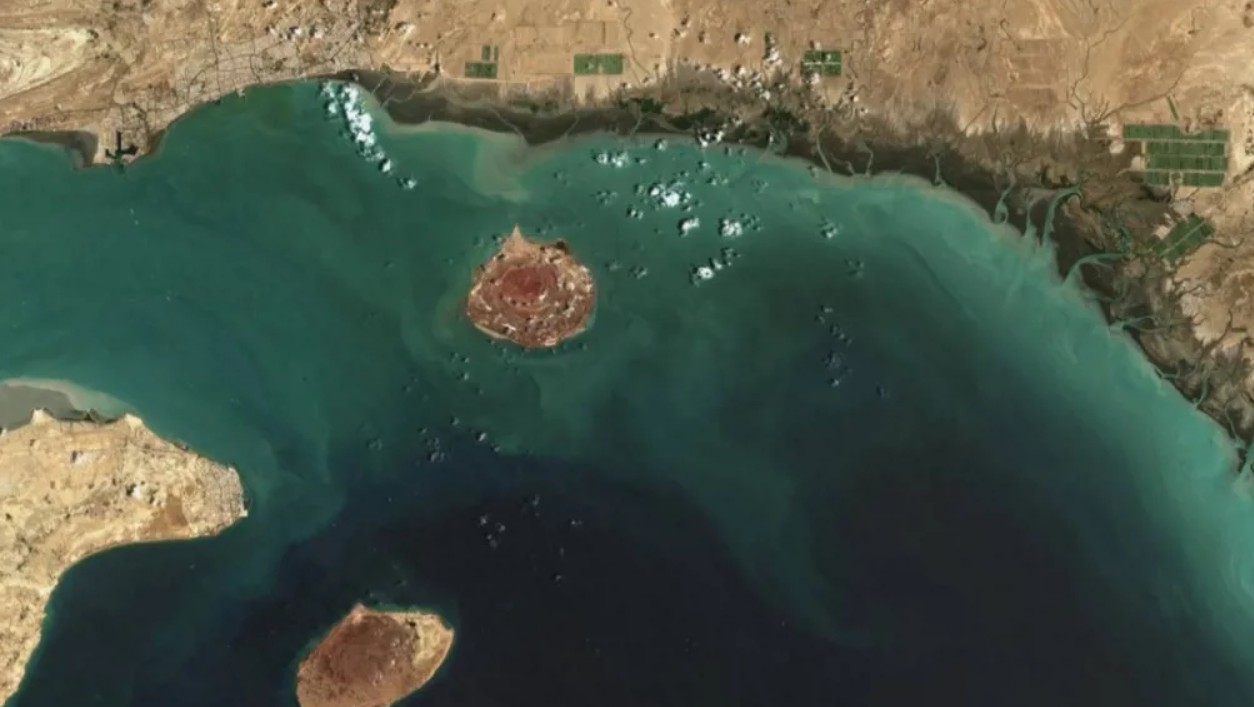
Ending the war on all fronts
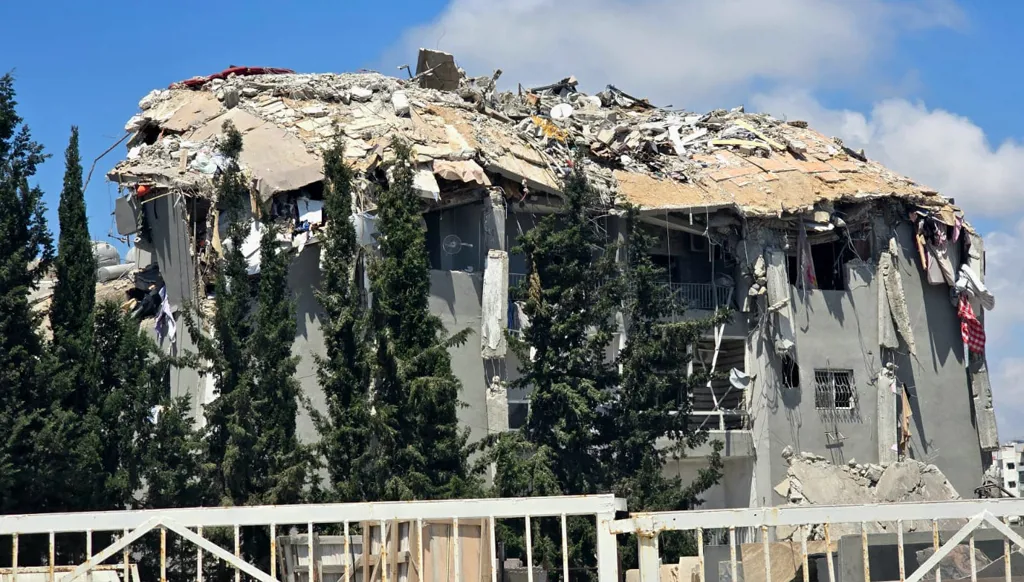
The main objective of signing the memorandum is to end the war on all fronts in the region. The memorandum stipulates ending the war against Iran, as well as all other fronts in the region, including Lebanon.
Lebanon is mentioned as part of the agreement to end the war if the current text of the memorandum is signed. The United States commits to forcing the Israeli entity to end the war in Lebanon.
The term “extension of the ceasefire” does not appear in the current text, and references to it in some media reports are incorrect. The memorandum instead calls for a decisive end to the war on all fronts.
Frozen assets
A clear mechanism was considered for the release of frozen Iranian assets in parallel with the signing of the memorandum and during the negotiations. Tehran has obtained clear guarantees for the release of these assets based on specific mechanisms that it intends to implement. If Iran decides to sign a war termination agreement, part of the frozen assets will be released immediately, while the remainder will be released gradually during the negotiations.
Compensation for the war
The issue of damages suffered by Iran as a result of the illegal aggression by the United States and Israel is included among the provisions of the agreement. Within a realistic and practical framework, Tehran has considered a mechanism that would enable it to obtain such compensation.
In this context, while emphasizing the necessity of securing compensation within the war termination agreement, an implementation mechanism will be agreed upon during the negotiations scheduled to take place 60 days after the possible signing of the agreement. As with the frozen assets, Tehran has obtained specific guarantees regarding the receipt of compensation from third parties.
Lifting of sanctions
In line with Iran’s demand to lift all sanctions imposed by the United States and international resolutions, this issue will be specifically discussed during the 60-day nuclear negotiations.
Iran has not made any new commitments regarding the nuclear file in the memorandum of understanding to end the war, and the other side has also not made any final commitments regarding lifting sanctions in the memorandum. The issue of sanctions has been postponed until after the signing of the memorandum and the 60-day negotiations.
Future negotiations
Within the framework of the memorandum of understanding, a 60-day negotiation program has been established between Iran and the United States, during which the two sides will negotiate to resolve three issues: the continuation of Iran’s peaceful nuclear program, the lifting of all unilateral and illegal US sanctions, and a mechanism to compensate Iran for damages resulting from the imposed war. No other issues will be included on the negotiation agenda.
According to the plan, if a war termination agreement is signed and the 60-day negotiations succeed, the final agreement will be implemented within a defined timeframe and in stages, based on reciprocal steps.
Iranian Foreign Minister Abbas Araghchi commented on reports circulating about the provisions of the peace agreement between Iran and the United States, or what is known as the “Islamabad Memorandum,” after Pakistan stated that a final agreed text exists between the two sides.
Araghchi said in a post on his account on the X platform (formerly Twitter) on Friday evening: “The memorandum of understanding with Islamabad has never been closer than it is now. Until it is finally approved, media outlets are requested to refrain from speculating about its content… In line with our responsible and transparent approach, all details will be published to the public at the appropriate time.”