

Nabatieh: A historic city in southern Lebanon
From ancient roots and cultural landmarks to resilience through modern history, Nabatieh stands as a living crossroads of heritage, diversity, and endurance in southern Lebanon.



 Messenger
 Whatsapp
 Threads
 Email
Email
 Print
Print
 X
X
 Facebook


Why is it called Nabatieh?
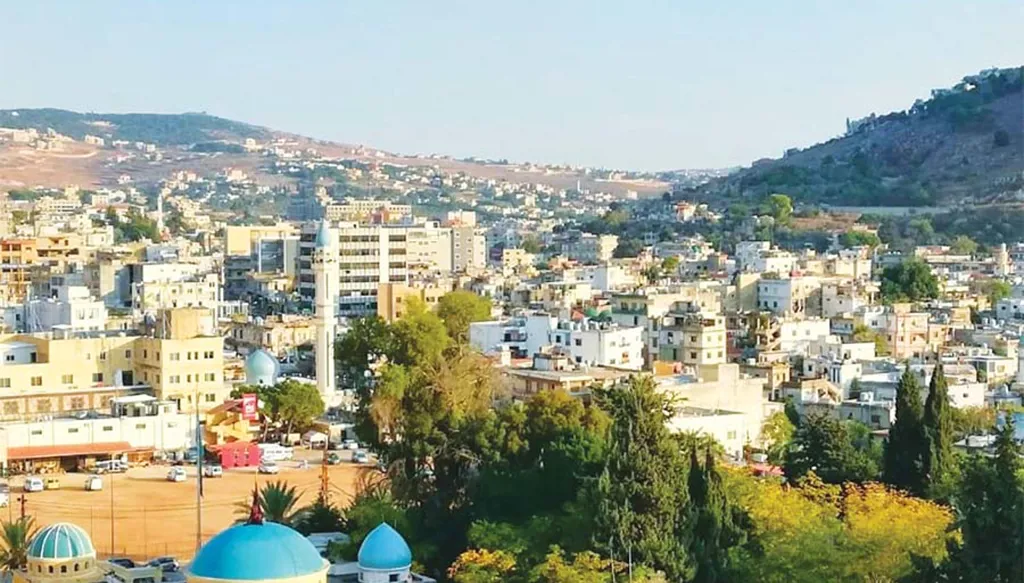
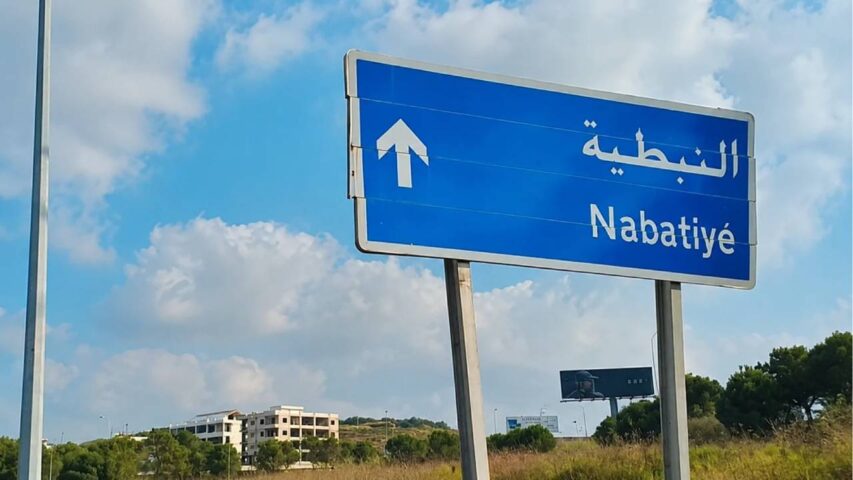
There are several narratives regarding the origin of the name of the city of Nabatieh. In one narrative, the name is traced back to the Nabataeans, who left a notable civilizational legacy in the region extending to Petra. In another narrative, the name is said to be derived from the expression “nabat al ma,” meaning the gushing and flowing of water, referring to the abundance of springs that the area has been known for since ancient times.
Population
Nabatieh is considered one of the largest cities in Lebanon, ranking fifth in terms of population. The majority of its inhabitants are Shia Muslims, alongside Sunni and Christian communities that have contributed to forming the city’s diverse social fabric.
Origins of Nabatieh
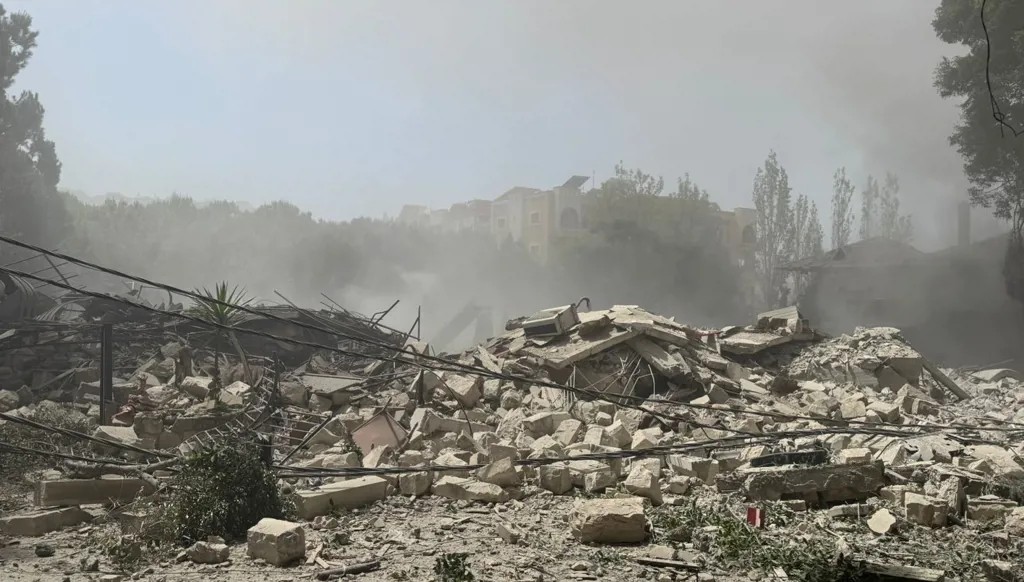
The roots of Nabatieh go back to prehistoric times, where archaeological studies have revealed remains belonging to the Qaraoun culture and the Stone Age, dating from between five thousand and twenty thousand years before Christ. Stone axes and tools made of flint were also found at different depths, some of which date back to between eight thousand and fifteen thousand years before Christ.
The city also witnessed the succession of several civilizations, from the Phoenicians to the Romans and Byzantines, as evidenced by the caves, grottoes, tombs, and paved roads scattered in its surroundings. During the Ottoman period, Nabatieh emerged as an important administrative center in southern Lebanon, before later being attached after the French Mandate to the Sidon district and then to the South Governorate, eventually leading to the establishment of the Nabatieh Governorate.
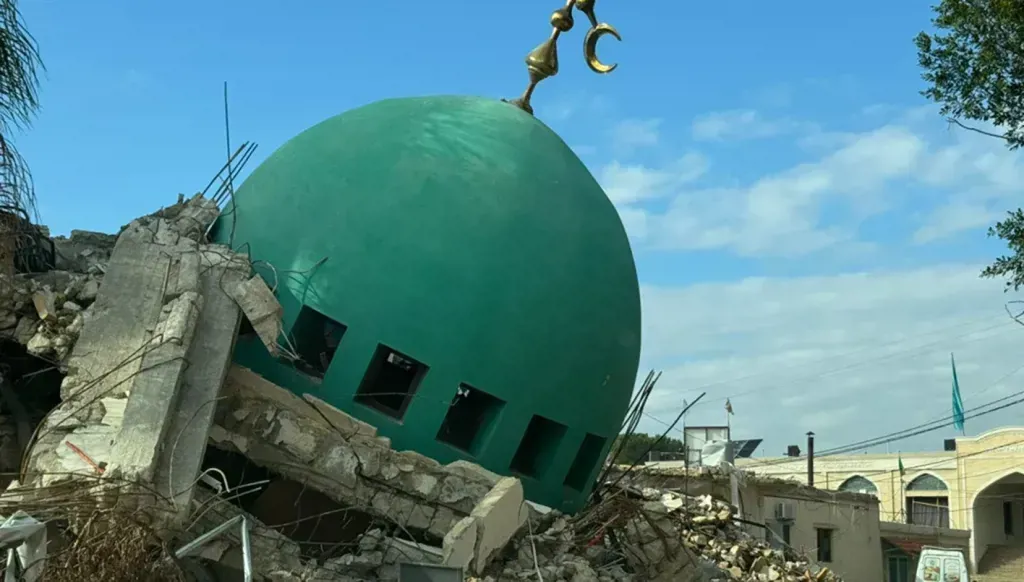
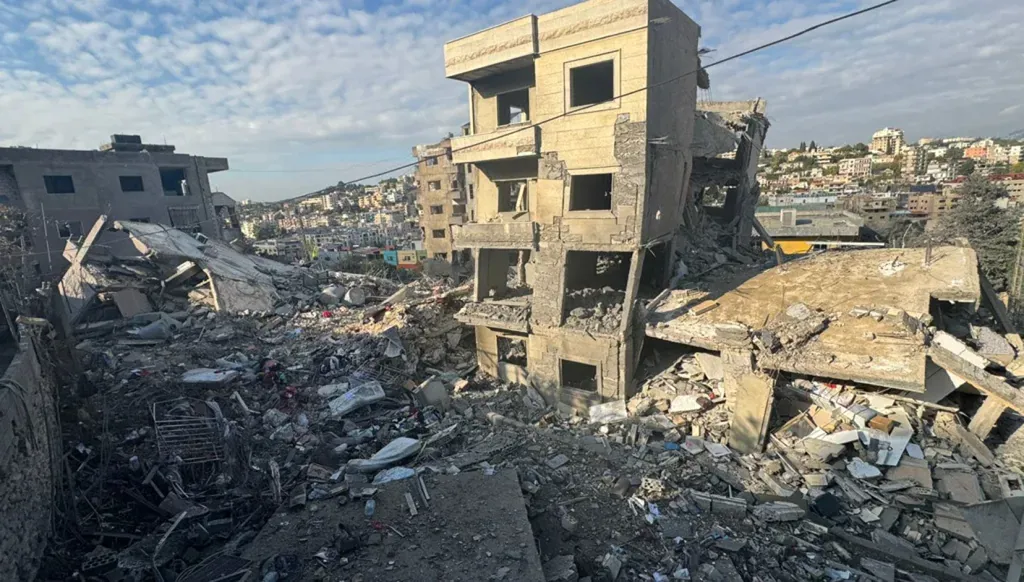
Over the past decades, Nabatieh has been at the heart of the security and military events that took place in southern Lebanon. It was affected by the Litani Operation in 1978, the Israeli invasion in 1982, the “Accountability” Operation in 1993, and the “Grapes of Wrath” Operation in 1996, in addition to the July War in 2006. During these periods, the city paid a heavy human and material price, represented by casualties, the displacement of thousands of residents, and the destruction of parts of its infrastructure.
Nabatieh has also remained vulnerable to repeated Israeli attacks with every escalation in the region, making it a symbol of resilience and steadfastness in holding onto the land despite ongoing challenges.
Nabatieh Camp
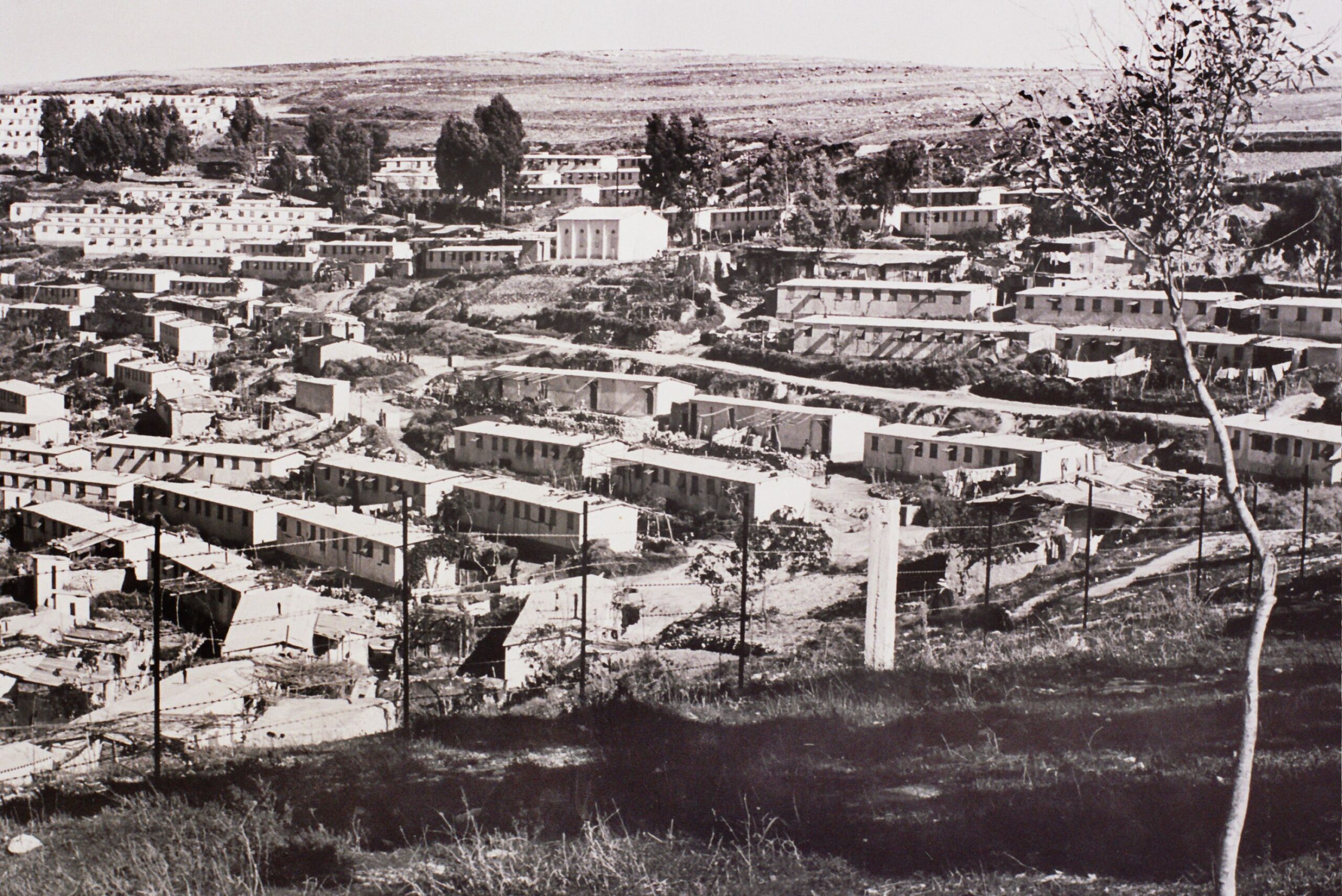
Nabatieh Camp is located on a raised hill about three kilometers west of the city, and its area is approximately 13,000 square meters. It was established in 1956 to host Palestinian refugees, most of whom came from the Hula region and Upper Galilee in Palestine.
The camp included residents from several villages, most notably al-Khalisa, al-Na‘ama, al-Qaytiyya, Ein al-Zeitoun, Salha, Hunin, and Sakhmata. It was subjected to repeated Israeli attacks, beginning with the destruction of parts of it in 1969, before being completely destroyed in 1974. This led to the displacement of its residents to several camps and areas in Lebanon, including Ein el-Hilweh, Beddawi, Tel al-Zaatar, and Shheem.
Prominent figures
Throughout its history, the city of Nabatieh has produced a number of prominent figures who left a significant mark in the fields of science, literature, and thought, contributing to strengthening the city’s status at both the Lebanese and Arab levels. The people of Nabatieh have stood out in the fields of innovation, scientific research, language, and culture, achieving accomplishments that went beyond national borders and reached international recognition. Among the most notable figures are the inventor and scientist Hassan Kamel Al-Sabbah, known for his pioneering scientific contributions, and the writer and linguist Ahmad Rida, who enriched the Arabic library with his linguistic and literary works.
Hassan Kamel Al-Sabbah
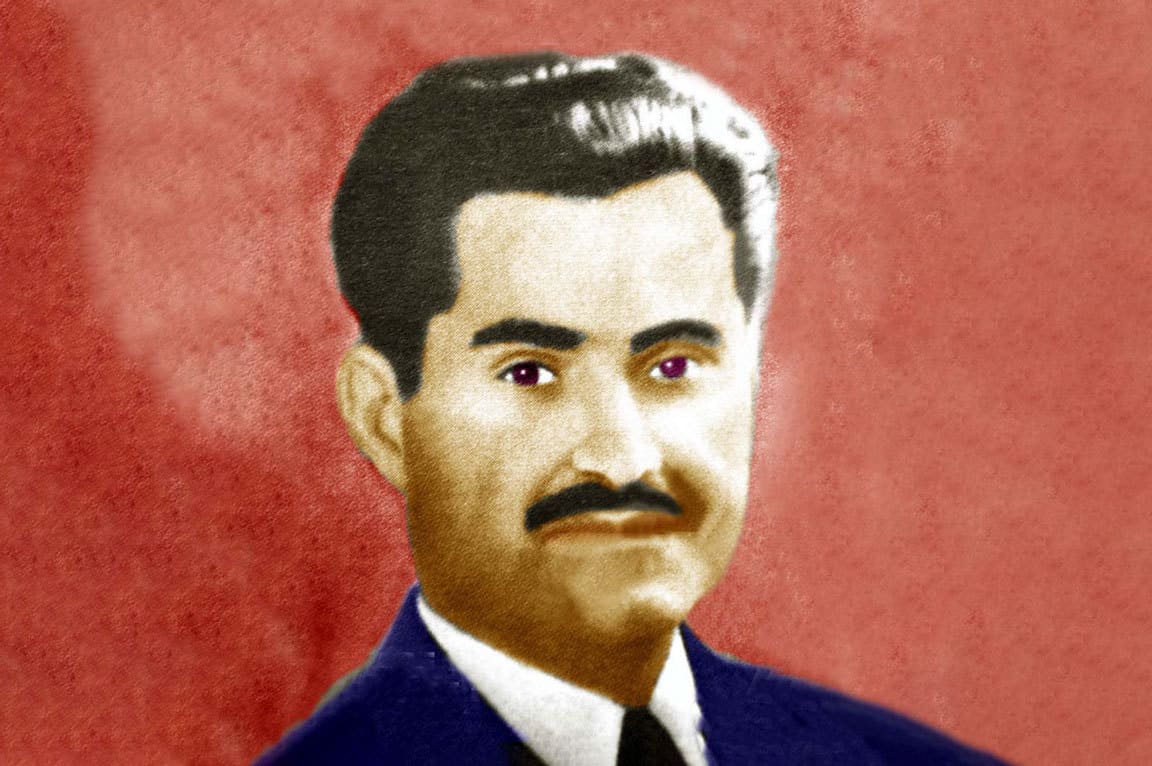
Hassan Kamel Al-Sabbah is considered one of the most prominent Lebanese inventors and scientists. He was born in Nabatieh in 1895 and studied physics at the American University of Beirut before moving to the United States to continue his studies and scientific work.
He joined General Electric, where he contributed to pioneering research and inventions, and registered dozens of patents, particularly in the fields of solar energy and electrical technologies.
His innovations formed the basis for applications that were later used in space exploration.
He died in 1935 in a car accident in the United States, leaving behind a scientific legacy that made him one of the leading Arab innovators of the 20th century.
Ahmad Rida
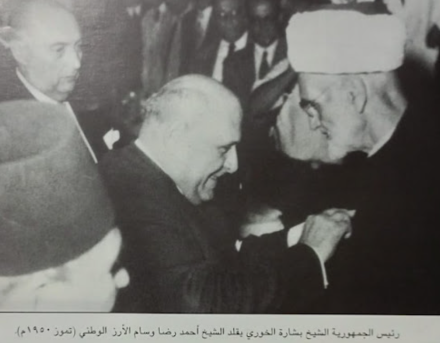
Ahmad Rida is considered one of the most prominent linguists and literary scholars in Lebanon. He was born in Nabatieh, where he received his early education, before expanding his studies in Arabic language and literature.
Rida left behind notable works, most importantly Matn al-Lugha ("Lexicon of the Arabic Language") in five volumes, in addition to the books Radd al-ʻammiyya ila al-fusha ("Tracing the Colloquial to the Classical"), Hidayat al-Muta‘allimin (“Guidance for Learners") and Rawdat al-Lata’if (“The Garden of Subtleties.”) He also published many literary and linguistic studies and articles.
He died in 1953 after being injured during an electoral demonstration in Nabatieh, after a life rich in intellectual and cultural contributions.
Main landmarks
The city of Nabatieh is rich in historical, religious, and heritage landmarks that reflect the depth of its history and cultural diversity across different eras. From archaeological castles that bear witness to successive civilizations, to traditional markets that still preserve the pulse of daily life, and to mosques and churches that embody the richness of the city’s social fabric, these landmarks form an essential part of Nabatieh’s identity and its status as one of the most prominent cities in southern Lebanon.
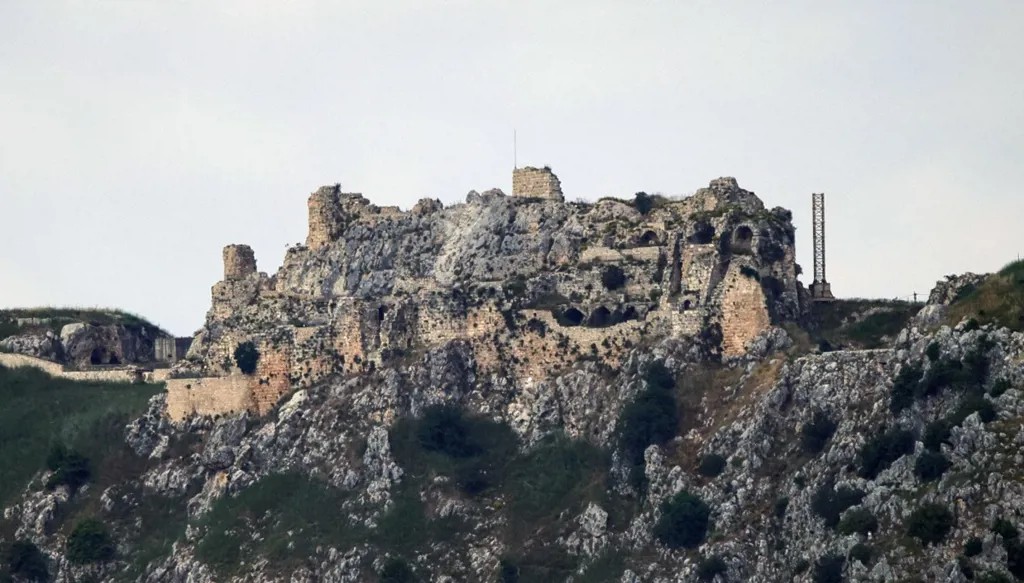
Beaufort Castle (Qal’at al-Shaqif)
Beaufort Castle is considered one of the most famous historical landmarks in southern Lebanon. It is located on a rocky hill overlooking the Litani River and the Marjayoun plain. Its origins date back to ancient times, before being developed by the Crusaders, with parts later restored by Prince Fakhr al-Din II in the 16th century.
Monday Market (Souk Al-Ithnain Al-Shaabi)
The “Monday Market,” also known as the “Unity Market,” is one of Nabatieh’s most important economic and heritage landmarks. Its origins go back to the Mamluk period, when it served as a meeting point for merchants and visitors from Lebanon, Palestine, and Syria. It remains a vibrant commercial hub today, where agricultural products and various consumer goods are sold.
The Old Mosque
The Old Mosque is located in the Saray neighborhood. It dates back to the 12th century AD and is considered one of the oldest mosques in the city and one of its most important heritage landmarks.
Church of Our Lady
Church of Our Lady was built in 1898 in the Al-Midan neighborhood and is considered one of the oldest churches in southern Lebanon. It stands as a testament to the religious and cultural diversity that has characterized the city throughout its history.
Economy
The economy of Nabatieh is based on agriculture, trade, and services. The region is known for cultivating tobacco, vegetables, and fruits, thanks to its fertile lands.