

Draft US-Iran agreement takes shape as Gulf tensions ease and global markets react
US-Iran negotiations near breakthrough amid regional escalation and oil market reaction.



 Messenger
 Whatsapp
 Threads
 Email
Email
 Print
Print
 X
X
 Facebook
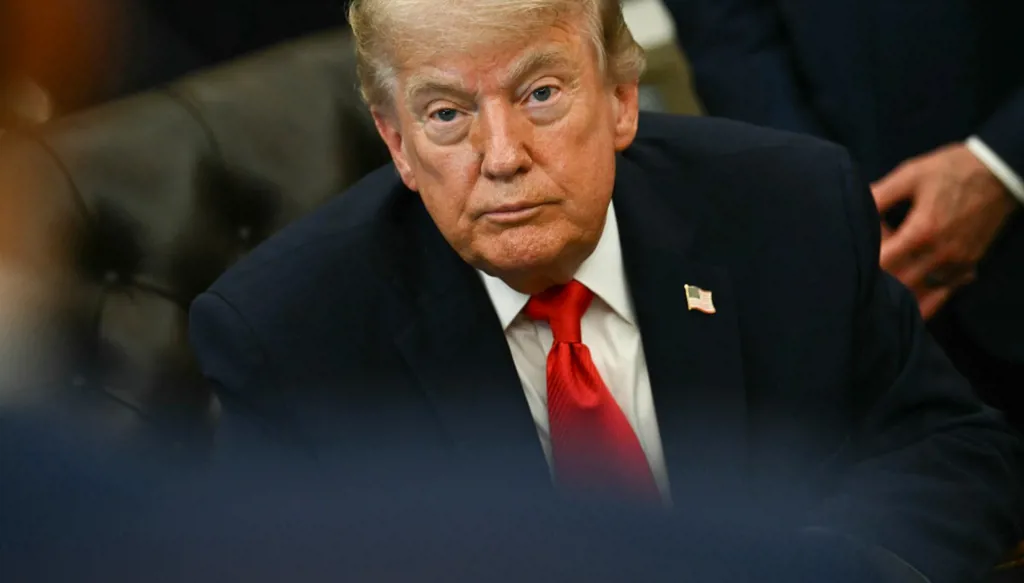


The world is closely watching the latest developments between Washington and Iran as efforts continue to reach an agreement that would bring an end to the war that has been ongoing for months.
Pakistani Prime Minister Shehbaz Sharif announced that the final version of the peace agreement between Iran and the United States has been agreed upon.
Sharif stated that his country is "working closely with both the United States and Iran to finalize the next steps of the peace agreement."
Yesterday, both the United States and Iran indicated that they were close to reaching a deal to end the conflict between them. A senior US official said that the two sides had agreed on the text and that Washington is expected to sign a preliminary agreement within the coming days.
Iranian Foreign Minister Abbas Araghchi said that amendments could still be made to the text but stressed that the preliminary agreement clearly demonstrates that his country has emerged from the conflict in a stronger position.
Araghchi: Iran has emerged victorious
He added in remarks to state television, "Iran is the victor in the war with the United States."
Hours after those statements, a source familiar with the matter told Reuters that US forces had shot down several Iranian attack drones that were heading toward the Strait of Hormuz. The source, who requested anonymity, said the drones posed a threat to commercial shipping traffic.
The US Central Command later confirmed the operation and stated that the waterway remained open to maritime transit.
Iranian news agencies reported hearing explosions along the Strait of Hormuz near the Iranian port of Sirik and Qeshm Island. Local residents and officials attributed the sounds to warning shots fired by Iranian forces at vessels attempting to pass through the waterway without authorization from the Islamic Revolutionary Guard Corps Navy.
Multiple sources stated that the proposed memorandum of understanding includes reopening the Strait of Hormuz and lifting the US naval blockade on Iranian ports. Further negotiations will later be held regarding Iran's nuclear program, which US President Donald Trump had cited as the justification for launching the war.
Speaking to reporters on condition of anonymity, the US official said that the agreement fulfills Trump's main objectives and places the negotiations "in a very good position."
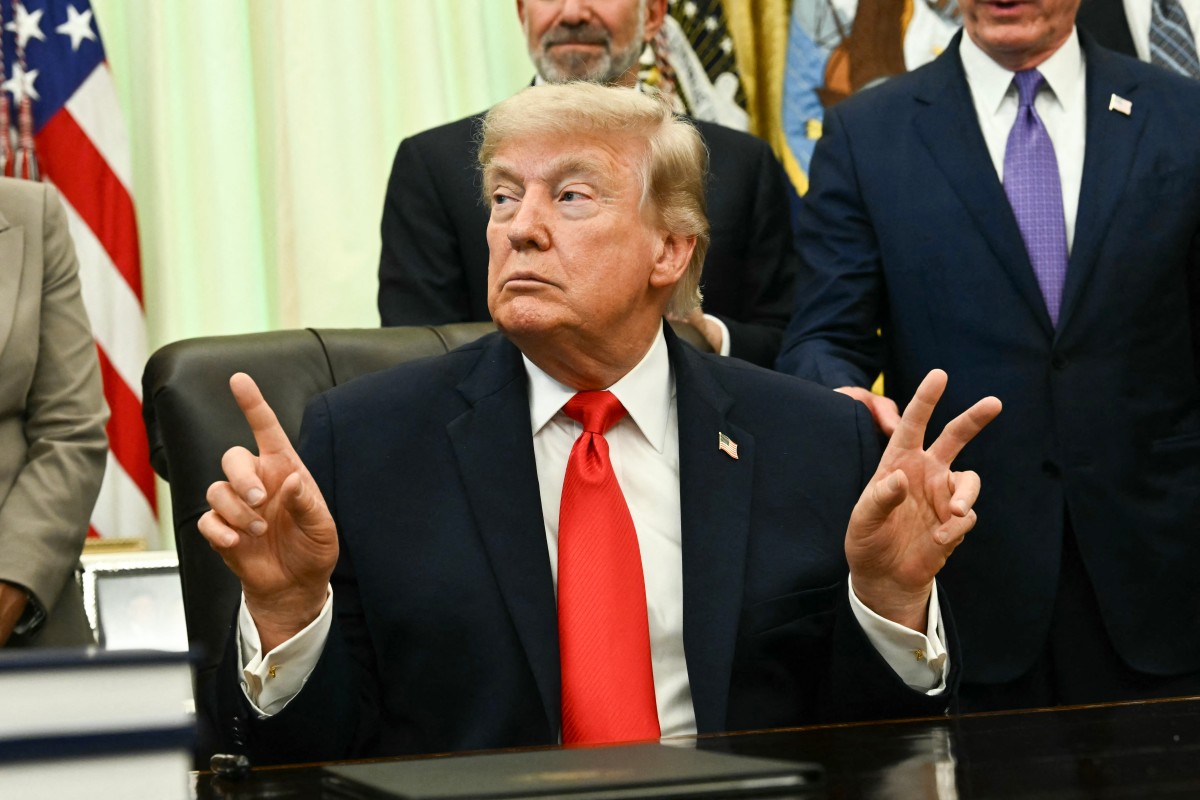
Reports from Western, Pakistani, and Iranian sources regarding the draft proposal pointed to provisions that could favor Iran, prompting criticism from Trump, who described those reports as inaccurate.
Although there were minor differences in the details of the agreement, the proposals appeared to accept most of the conditions sought by Tehran, while Trump seemed to gain little beyond the reopening of the Strait of Hormuz, which Iran had closed following the US and Israeli attacks against it in February.
Araghchi said that Iran, alongside Oman, would retain control over navigation through the Strait of Hormuz, which before the war carried one fifth of the world's oil and gas supplies.
He added, "Our sword will remain unsheathed over the Strait of Hormuz."
A Western source said that US Vice President J.D. Vance and Iranian Parliament Speaker Mohammad Bagher Qalibaf could sign the agreement by next Sunday, with Geneva currently considered the most likely venue for the signing ceremony.
The US administration official said that discussions had taken place regarding the possibility of signing the agreement in Europe, although no final decision had yet been made.
Araghchi also stated that the agreement would be signed remotely before being officially announced.
Draft Agreement Details
The draft agreement indicates that the United States will release billions of dollars in frozen Iranian assets and lift sanctions imposed on its oil exports in exchange for reopening the Strait of Hormuz.
Any discussion regarding Iran’s nuclear program would also be postponed to a later stage during talks that will continue for 60 days. The US official said the agreement would ultimately lead to the dismantling of Iran’s nuclear program, including the destruction of its stockpile of highly enriched uranium and its removal. The conditions also include an inspection system to ensure long term compliance.
However, Araghchi told state television that Iran wants to retain uranium in a diluted form. He added, “For Tehran, the only preferred solution for its stockpile of highly enriched uranium is to reduce its enrichment level.”
Sources said the proposals include discussions about possible compensation for Iran for the war waged against it, and the abandonment of US demands to impose restrictions on Iran’s missile program, which the US official denied.
The official, who requested anonymity, said, “No funds will be released until they fulfill their commitments and the Strait of Hormuz remains open. Iran will not provide any funding to terrorist groups. This is what they agreed to. It is a deal based on their level of compliance.”
Israel is not a party to the memorandum of understanding
Israel was not involved in the negotiations, and Prime Minister Benjamin Netanyahu said it is not a party to the agreement either.
Netanyahu has repeatedly clashed with Trump in recent weeks over US demands that Israel restrain its military operations in Lebanon, in order to give Washington room to reach an agreement with Tehran.
Araghchi said the agreement would end the war in Lebanon, which would imply an Israeli withdrawal from occupied areas.
The Israeli defense minister said that Israel will not withdraw from Lebanese territory. A senior Israeli official said Israel expects any agreement to preserve its freedom of action against threats.
Oil price decline
This progress toward reaching an agreement comes at the end of a week that saw a major military escalation in the Gulf, during which Israel and Iran exchanged fire, followed by US airstrikes on Iran. Iran then responded by striking US bases in the region.
The developments led to a rise in global stock markets and a decline in oil prices. Brent crude fell by more than three percent, reaching its lowest level in nearly two months.
The conflict has become a political dilemma for the White House amid declining approval ratings for Trump and rising gasoline prices.
Some Republicans fear that weakening support for the war could cost them control of Congress in the midterm elections scheduled for November. However, many Republicans may also find it difficult to support a deal that is seen as favoring Iran.