

Tyre after the strikes: Destruction, loss, and a community determined to stay
From UNESCO-listed ruins to once-bustling residential streets, Tyre is counting its dead and assessing the damage as civilians struggle to preserve a sense of normalcy amid war.



 Messenger
 Whatsapp
 Threads
 Email
Email
 Print
Print
 X
X
 Facebook
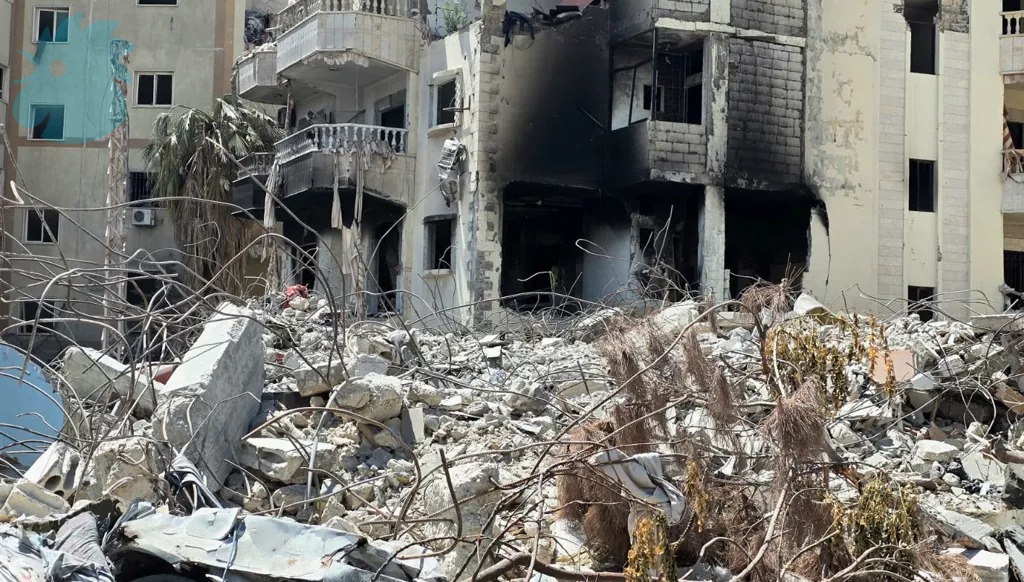
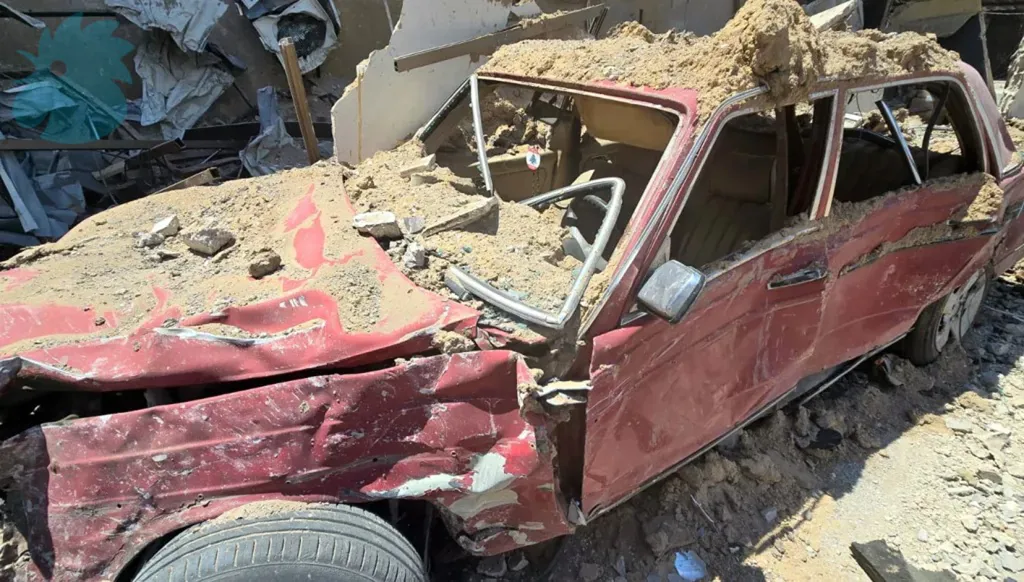
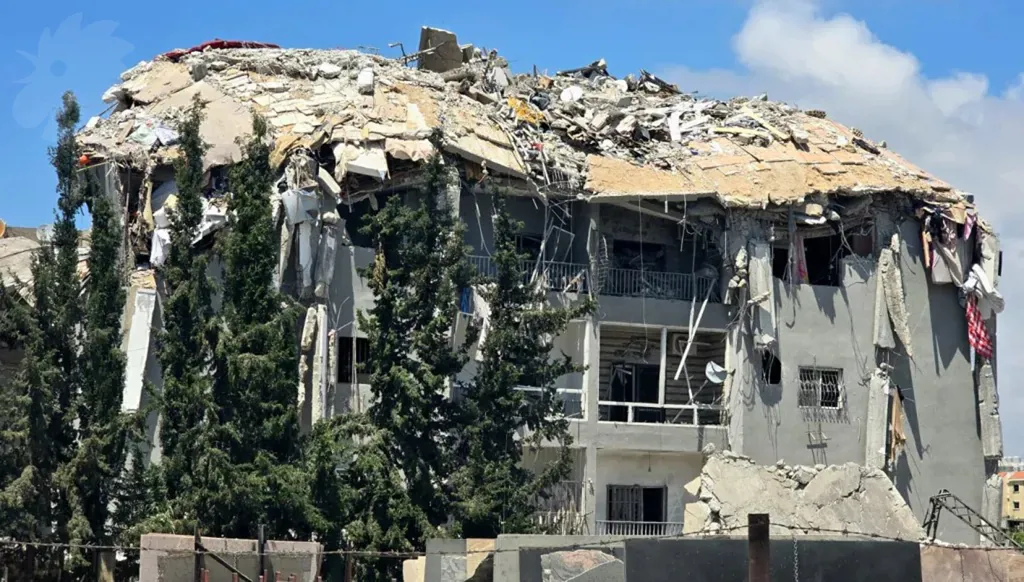
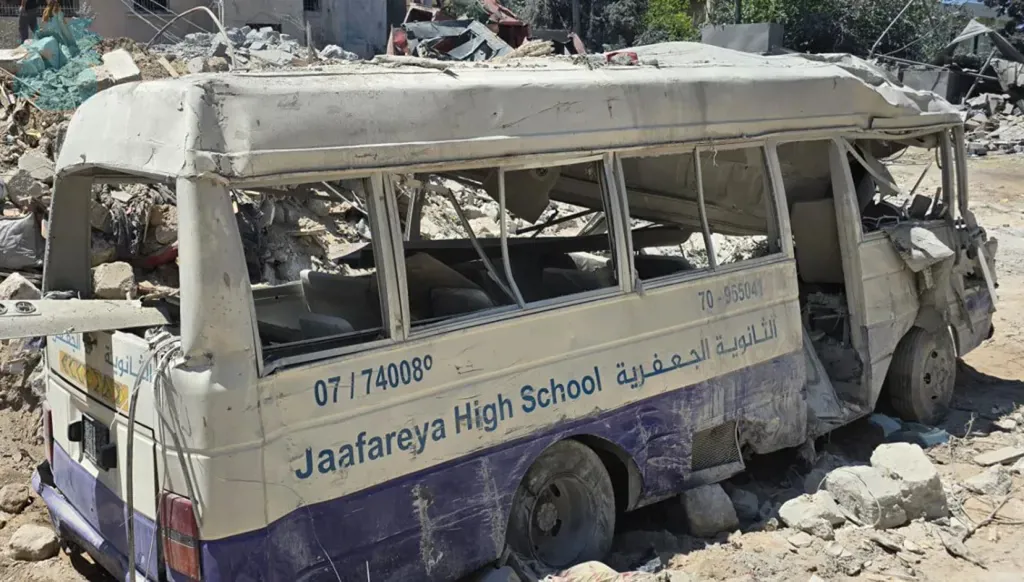


A field tour organized by Hezbollah's media office in Tyre revealed the extent of the massive destruction and damage inflicted on several neighborhoods and streets across the city, particularly Hay el-Raml,the archaeological ruins area, the public housing district, and the vicinity of Hiram Hospital, following recent Israeli military raids that targeted the region.
The tour began at Elm Roundabout, the northern entrance to Tyre. Accompanying journalists and photographers were MP Hussein Jishi and Hezbollah media official Salman Harb. The delegation first inspected the site of the strike that hit the city's entrance, destroying a café and causing significant damage to the main road, as well as to water and electricity networks.
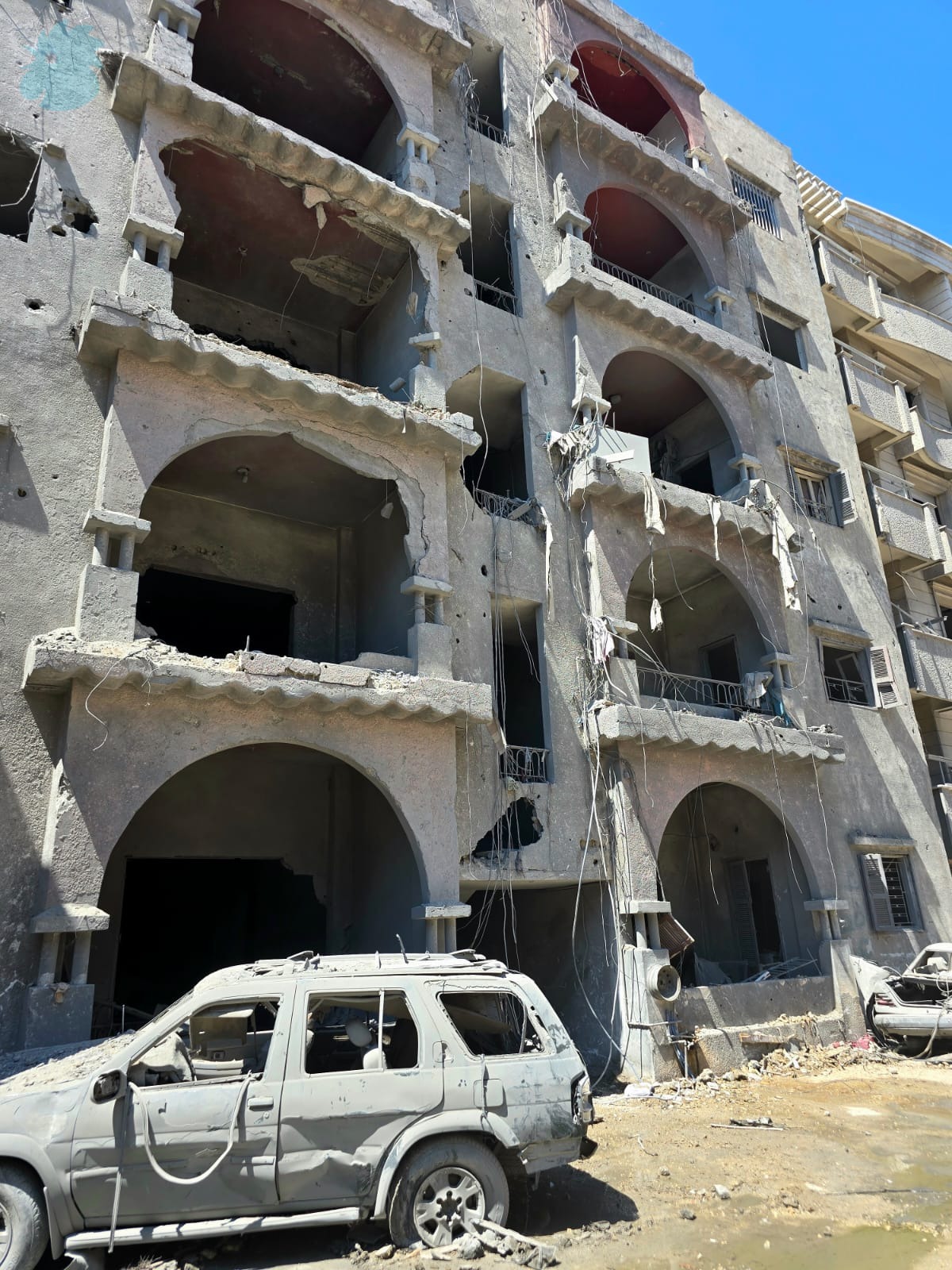
The group then proceeded to a residential and commercial street in Hay el-Raml, opposite the waterfront, where several multi-story residential buildings had been reduced to rubble, along with numerous commercial shops.
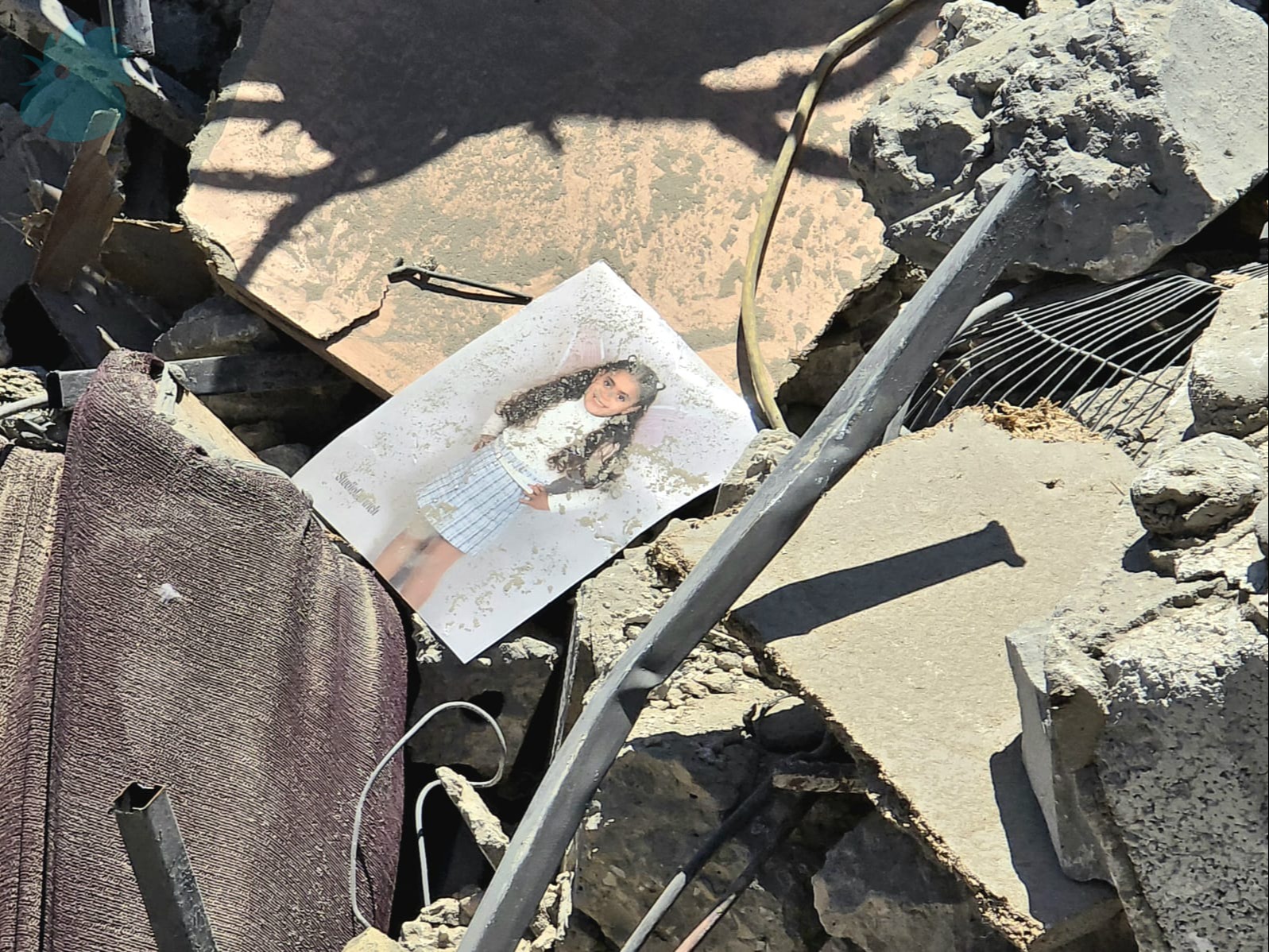
The head of Tyre said that his own home, along with several others, had been completely destroyed. He added that Israeli raids on Tyre have so far devastated three of the city's six densely populated residential and commercial neighborhoods and streets.
From Hay el-Raml, the tour continued to Al-Jaafariyah Secondary School and the entrance to Tyre's historic marine ruins, where an airstrike destroyed an archaeological building more than a century old and damaged several historical landmarks within the site listed as a World Heritage site.
From the ruins, the delegation moved to Tyre's commercial market, where a faint sense of activity had returned as some shop owners reopened their businesses, despite the absence of any noticeable number of customers.
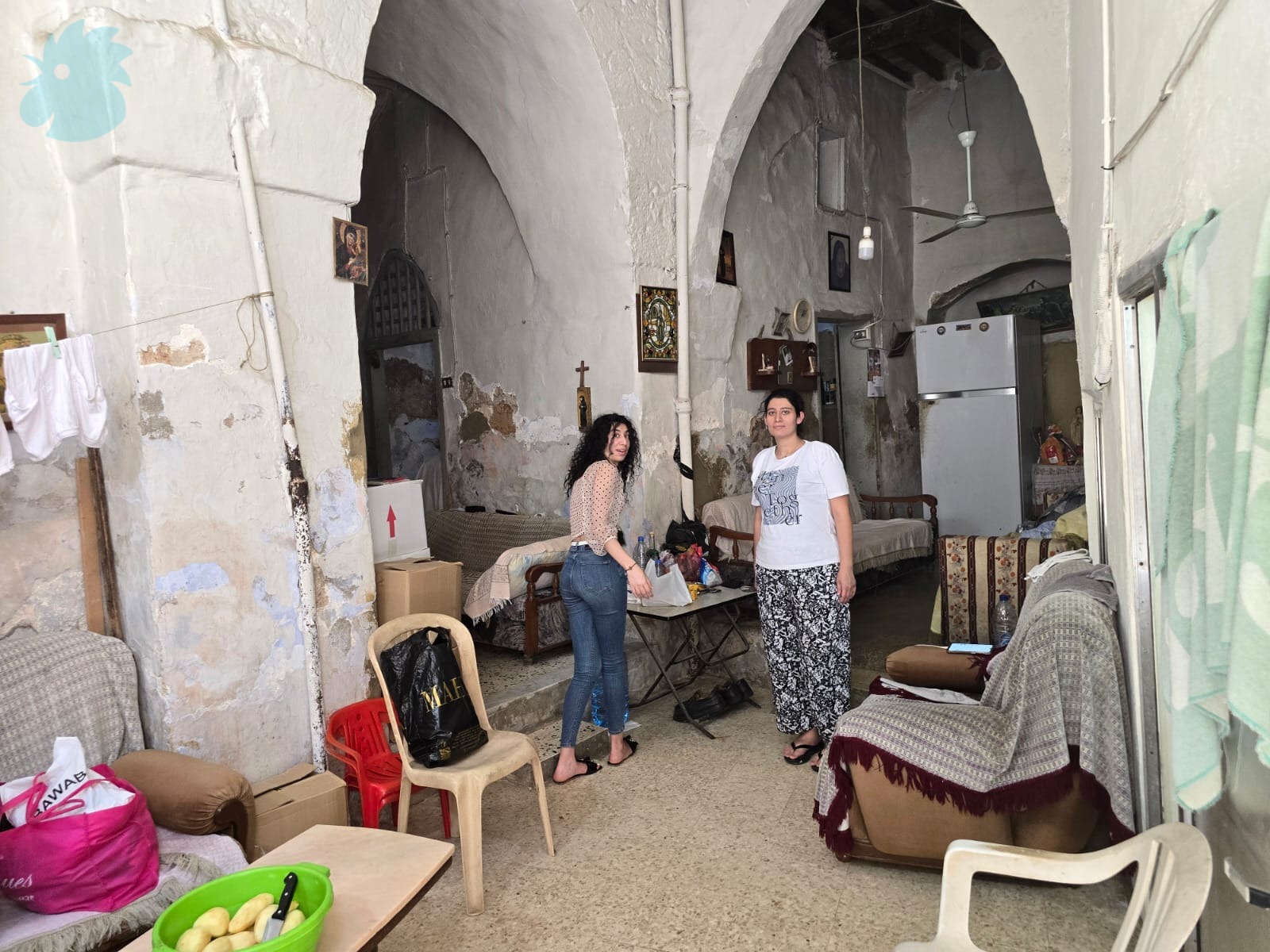
The tour also included visits to the Islamic quarter and the Christian neighborhood, where participants met with the Greek Orthodox parish priest, Father Bishara Katura.
MP Jishi, Deputy Mayor of Tyre Alwan Sharaf El-Din, and Father Katura spoke about the spirit of national coexistence for which Tyre has long been known, as well as the difficult circumstances Lebanon, and southern Lebanon in particular, have endured.
The public housing district, an area that combines industrial, commercial, and residential activity, has been subjected to repeated air raids since the aggression began.
During the latest strikes, several buildings, homes, and shops were destroyed, leaving nine people dead and several others injured.
From the first images to the entrance of the northern tower, the public housing area appeared almost entirely devastated.
The tour concluded in the vicinity of Hiram Hospital, whose building sustained damage after more than one residential and commercial structure surrounding it was targeted and destroyed.
Hospital director Dr. Hassan Andibi said, "Ninety percent of the buildings around the hospital have been destroyed."
He added, "The same pain affects all of us with every strike, from the medical and nursing staff to the employees. Yet, we remain fully determined."
According to a preliminary count, the number of casualties in Tyre has reached 33 people so far, most of them civilians, in addition to a large number of injuries.
Despite the destruction, killings, forced displacement, and the war of urban and human genocide, the people of Tyre continue to demonstrate resilience and determination to remain in the city closest to their hearts.
Tyre is also home to several shelters accommodating displaced residents from villages in southern and eastern Tyre, hosting more than 1,500 families.