

From war displacement to tourism: Lebanon’s Chouf mountains turn refuge into retreat
Displaced by conflict, welcomed by nature: How the Chouf region is quietly reshaping tourism through resilience, memory, and return visits.



 Messenger
 Whatsapp
 Threads
 Email
Email
 Print
Print
 X
X
 Facebook
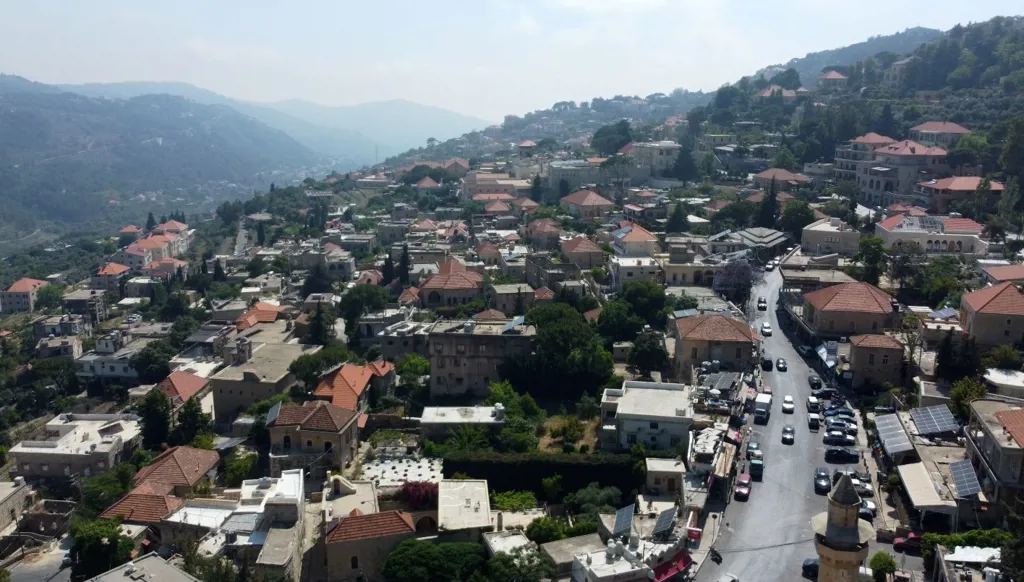


When young man Ahmad Ibrahim Ayoub from the south sought refuge in the Chouf area during the 66-day war, he could not have imagined that the place which welcomed him as a displaced person would later become a destination he willingly visits as a tourist.
Ahmad, 25, arrived with his parents at the “Farm Ville” project in Barouk, seeking a safe haven away from the shelling. He spent his displacement period there and was able to continue his remote work in the tranquility of the mountains. What began as a necessity gradually evolved into a special bond with the area and its people.
When the war broke out again in March 2026, he did not hesitate to return to the same place. Between the wars, he visited the Chouf more than six times, moving between its villages and natural landmarks.
Ahmad says: “This place, despite the fact that I first came to it in pain as a refuge, preserved memories for me. Returning to it willingly feels like a student passing by his school during vacation. I am here as a tourist now, not a displaced person, and this is a nice feeling that reminds me how much I persevered and resisted to return.”
Ahmad’s story is not an exception in the district, which was one of the areas that received the largest number of displaced people during the war. The number of shelters in Chouf reached 77, with displaced persons totaling 140,000, including 13,497 people inside shelters and 126,504 outside, according to figures from the Mount Lebanon Governorate.
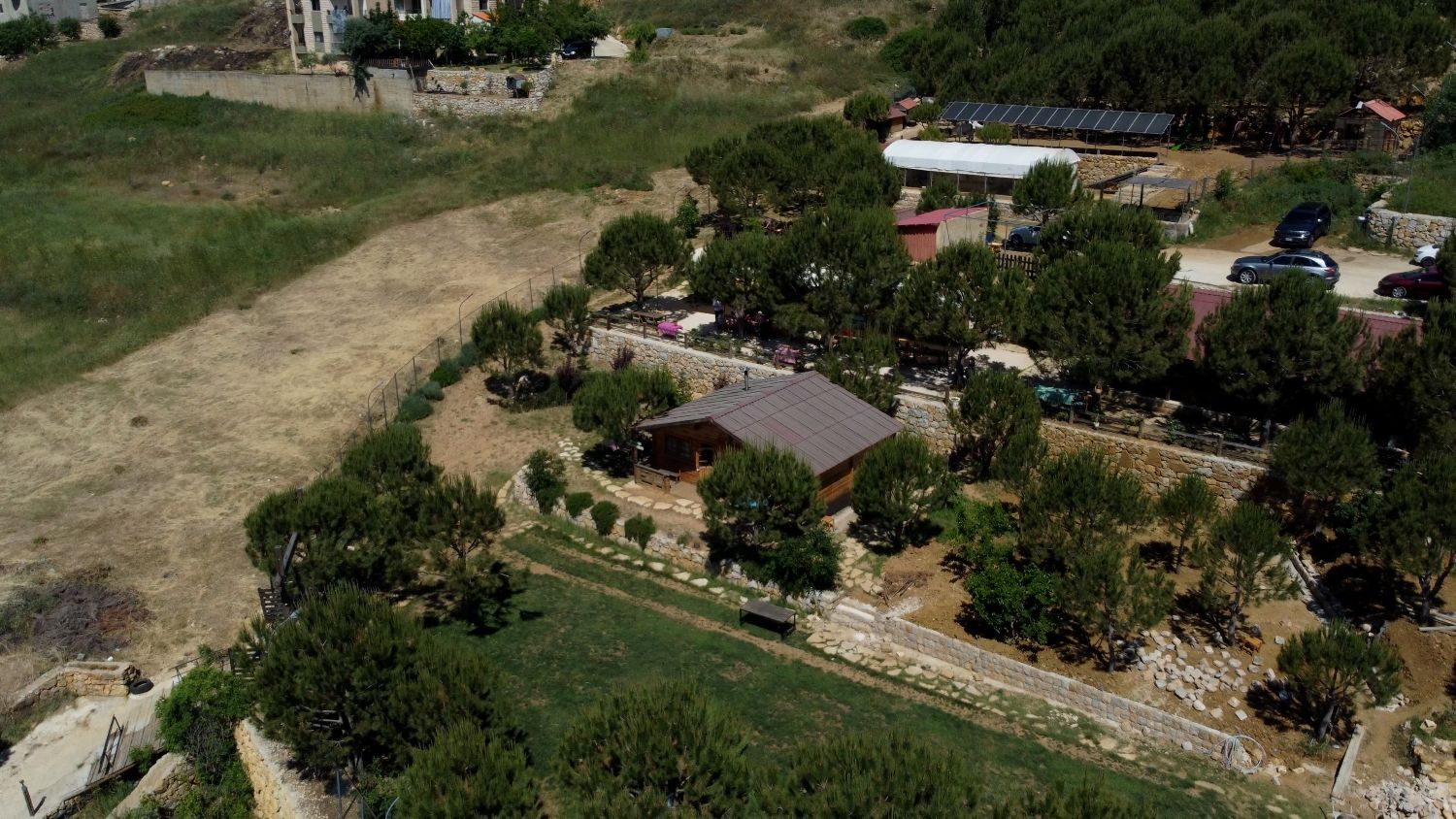
These figures did not only reflect the humanitarian dimension, but also impacted the economic and tourism activity in the region, while foreign tourism significantly declined due to the security situation.
Shift towards internal tourism
In this context, Cesar Mahmoud, founder of rural development projects in Chouf, explains that these projects used to attract visitors from various parts of the world. However, the situation began to change since 2019, and challenges increased with the war and the absence of Arab and foreign tourists.
As a result, the projects shifted toward developing environmental and educational activities in cooperation with schools, including pottery and other activities related to nature and local heritage.
Mahmoud says these challenges pushed those managing the projects to continuously innovate in order to sustain them and provide jobs for 22 employees from the region.
He confirms that recent weeks have witnessed a relative improvement in activity, with an increase in Lebanese visitors engaging in local tourism as a way to escape the pressures of war. He notes that May and June recorded encouraging activity, with hopes it will further improve during the summer.
As for the figures, he points out that despite the decline in visitor numbers, tourism, environmental, and recreational projects established around the reserve now attract between 40,000 and 50,000 visitors annually. This has helped stimulate the local economy and provide tourism experiences linked to the nature and authenticity of the mountain.
For his part, Chadi Kerbaj, an official at the Barouk Cedar Reserve – Chouf Cedar Forest, confirms that the reserve, like all of Lebanon, has been affected by the security conditions and Israeli strikes.
He notes that visitor numbers have dropped significantly compared to previous years, when the forest used to receive between 140,000 and 150,000 visitors annually.
Nevertheless, the reserve still serves as a breathing space for people and a place to escape anxiety, while displaced people and local residents have helped maintain a minimum level of tourism activity.
Generating economic growth
In Deir al-Qamar, the picture is even clearer. The displaced have made a tangible difference in economic activity, according to Mayor Naji Jermanos, who confirms that guesthouses are experiencing high occupancy rates, while restaurants, shops, and pharmacies are bustling.
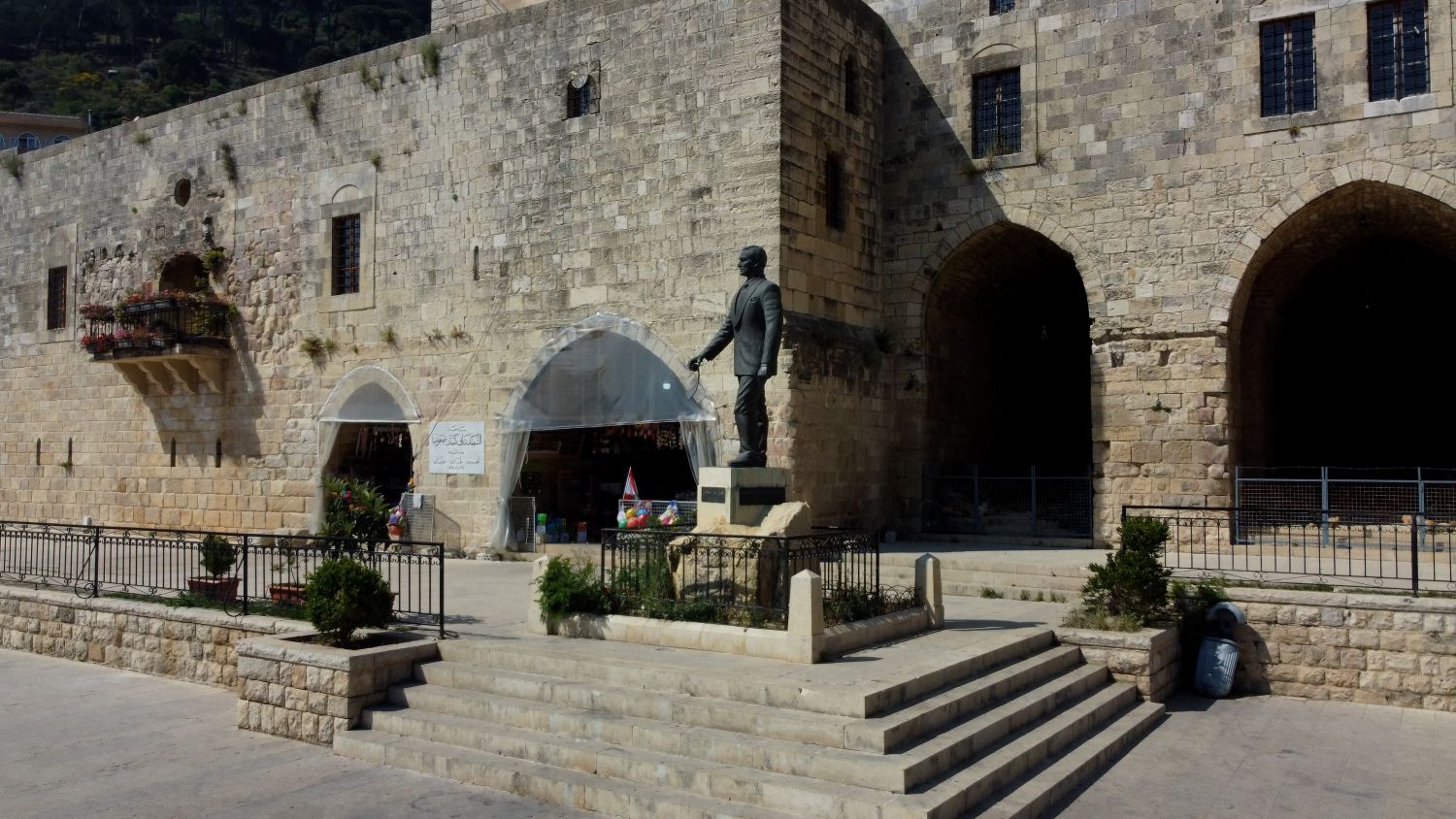
He reveals that Deir al-Qamar, considered the top tourist destination in Chouf, is witnessing significant crowding in its public square, especially during afternoon hours. He adds that revenues of restaurants, guesthouses, and shops have exceeded 50% compared to the same period last year.
Thus, between displacement imposed by war and tourism born out of the need to breathe and continue, Chouf stands as a model of the Lebanese people’s ability to adapt to crises.
In reality, the absence of foreign tourists did not prevent the emergence of a new form of tourism adopted by displaced people, some of whom, like Ahmad, have evolved from being guests into becoming true ambassadors of the places that embraced them in their most difficult moments.