

A summer on hold: Lebanon’s festivals between cancellation, delay, and fragile continuity
Lebanon’s summer festivals face cancellations, postponements, and uncertainty amid ongoing regional instability, with only a few events managing to proceed.



 Messenger
 Whatsapp
 Threads
 Email
Email
 Print
Print
 X
X
 Facebook
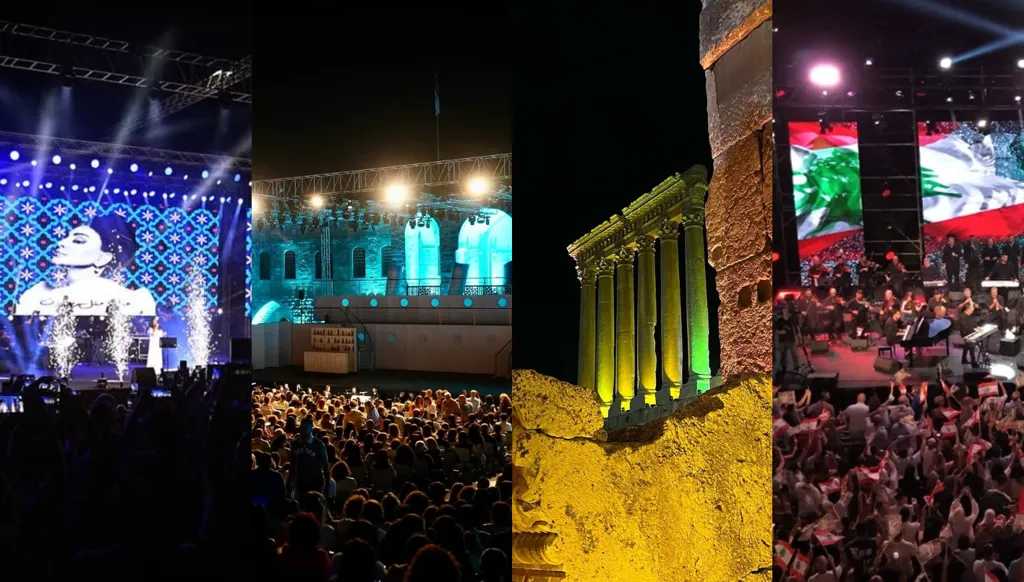


At this time every year, Lebanese festivals used to announce the launch of their golden season, and competition would intensify over booking tickets and securing the first seats to attend star-studded concerts. Today, however, the scene looks completely different.
Ongoing war and security tensions have imposed a difficult reality on the cultural and tourism sector, leading to the cancellation of most major festivals and large-scale artistic events scheduled for the summer of 2026 or their postponement.
"Beirut Holidays": Choosing Cultural Resistance
Amid this bleak landscape, the “Beirut Holidays” festival stands out as one of the few exceptions that has decided to continue.
The festival is returning this summer for its eleventh edition, but from a new location in the Antelias–Naccache area within Mount Lebanon Governorate, after it became impossible to use its usual venue on the Beirut waterfront due to its designation as a shelter center for displaced people.
The festival organizer, Amin Abi Yaghi, tells “Annahar” that the decision to continue was not easy, as the management spent weeks closely monitoring developments on the ground before making its final choice.
He explains that the changes affecting the waterfront area pushed the organizers to search for a suitable alternative, noting that the new location falls within what can be considered “Greater Beirut” and is not in fact far from the capital.
For Abi Yaghi, the decision goes beyond logistical considerations. He describes holding the festival this year as a “cultural resistance,” adding: “We wanted to say that Lebanon is here to stay, and that life must go on. There are people who will come to Lebanon during the summer and want to enjoy its atmosphere, and it is our duty to offer them something worthy of that experience.”
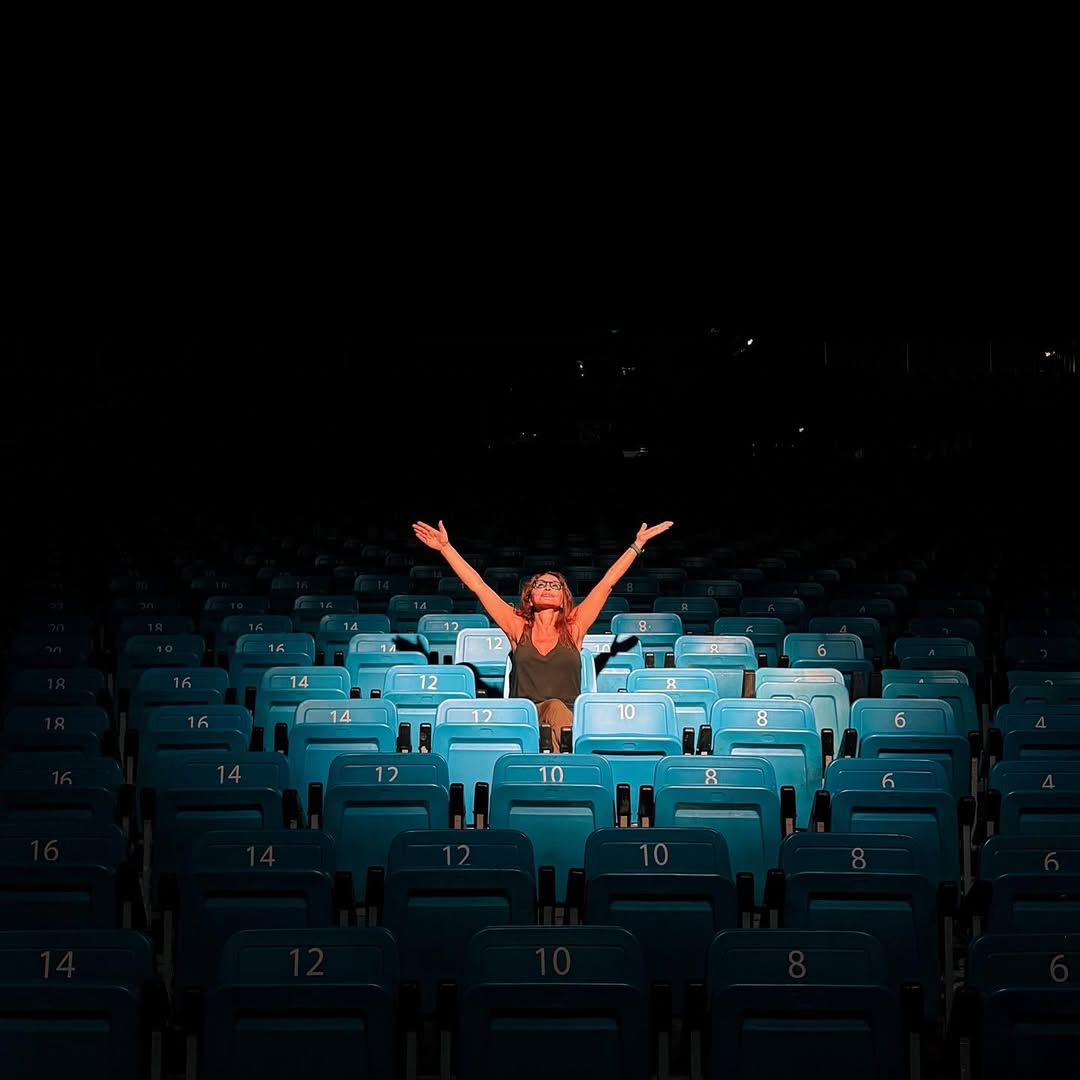
The “Beirut Holidays” program, which kicks off on July 16, includes a lineup of Lebanese and Arab artists, among them Marwan Khoury, Abir Nehme, Ibrahim Maalouf, Al Akhras, Guy Manoukian, John Achkar, and Joseph Attieh, with Elissa set to close the edition on July 28.
The Summer Season on Hold: Lebanese Festivals Between Cancellation and Suspension
In contrast, most major festivals made a completely opposite decision. The Beiteddine International Festival announced the full cancellation of its 2026 edition, while the Cedars International Festival decided to postpone its events due to the current circumstances.
Meanwhile, the Ehdeniyat International Festival announced it would skip its annual date this year, hoping to return under better conditions.
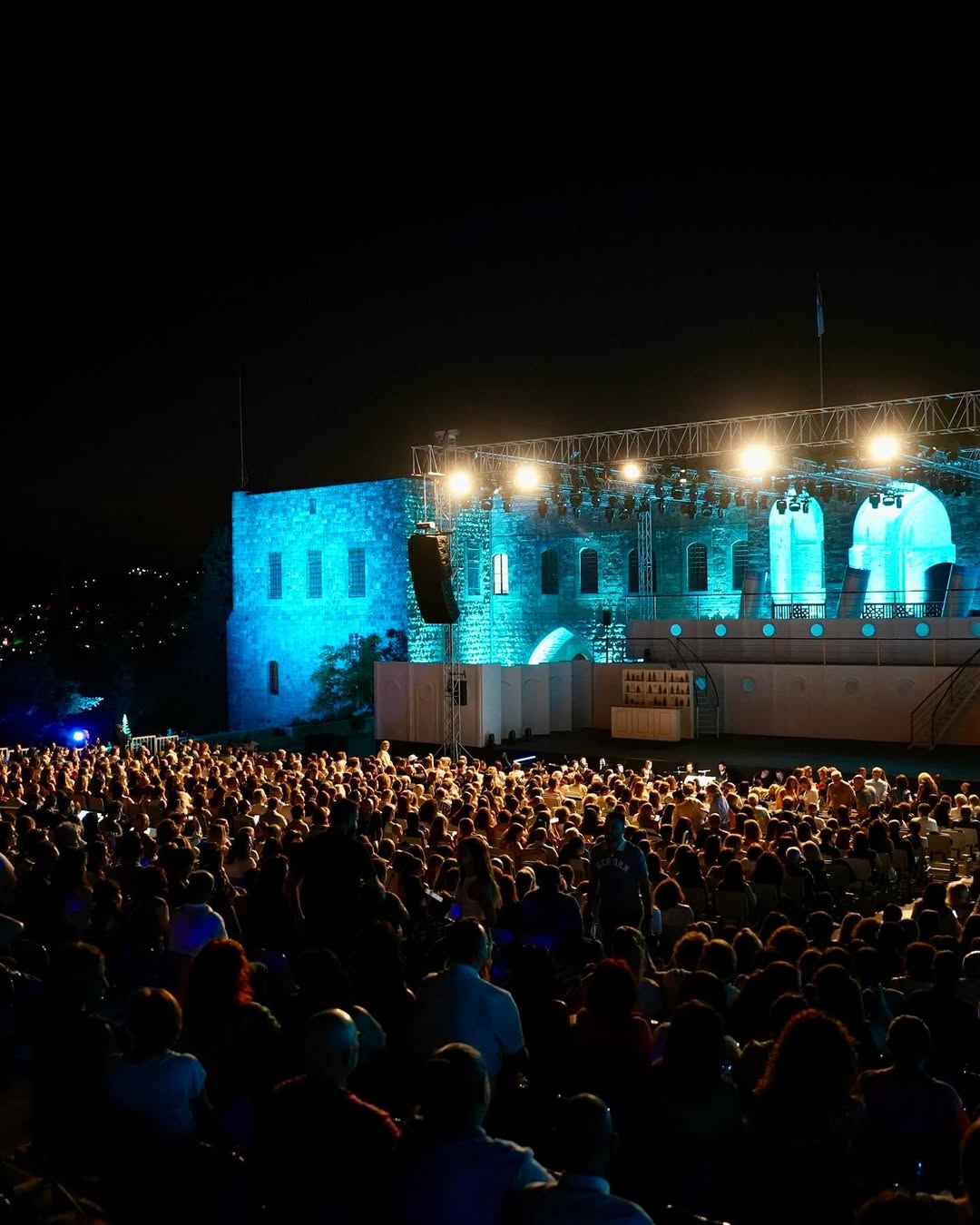
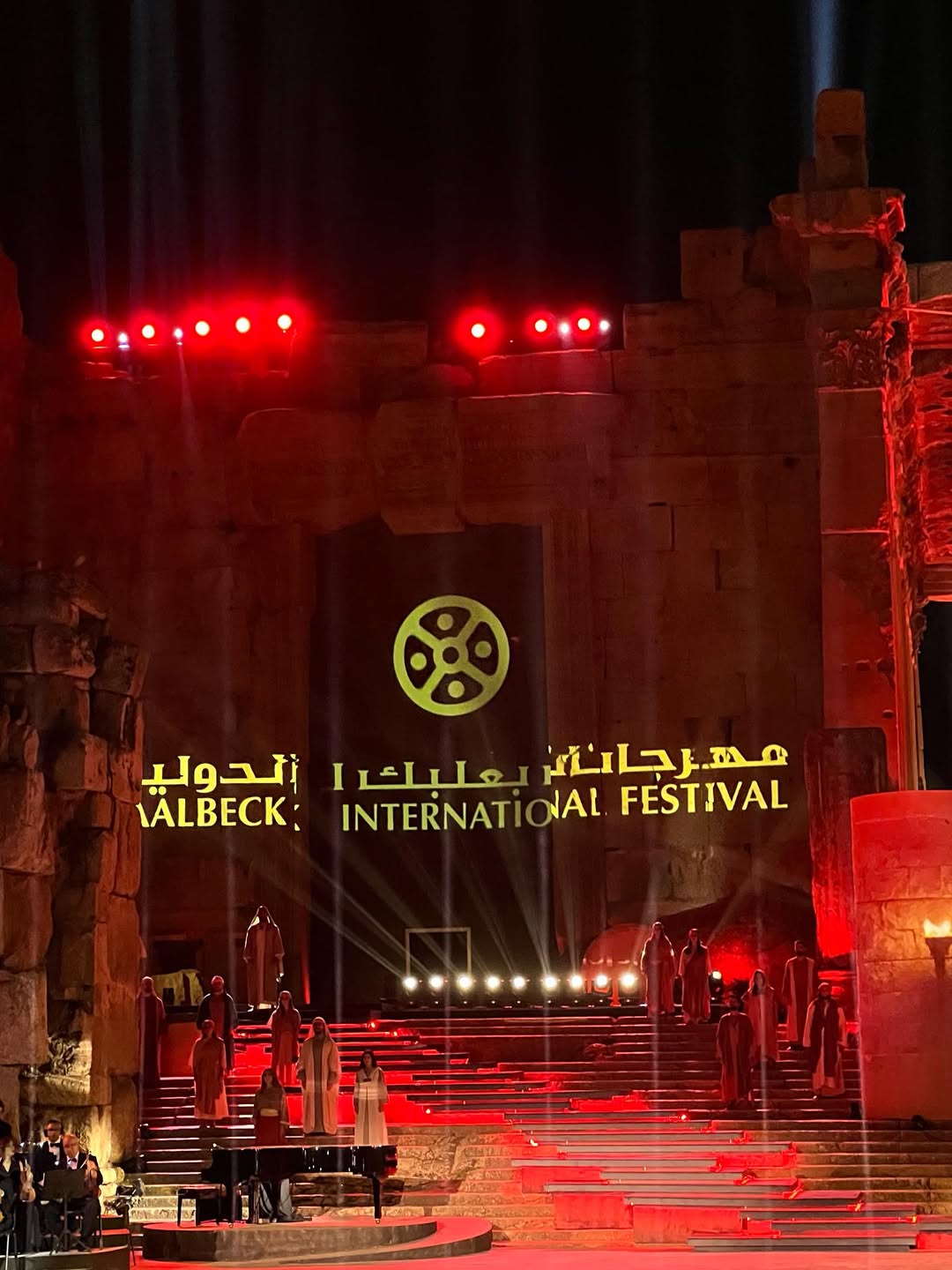
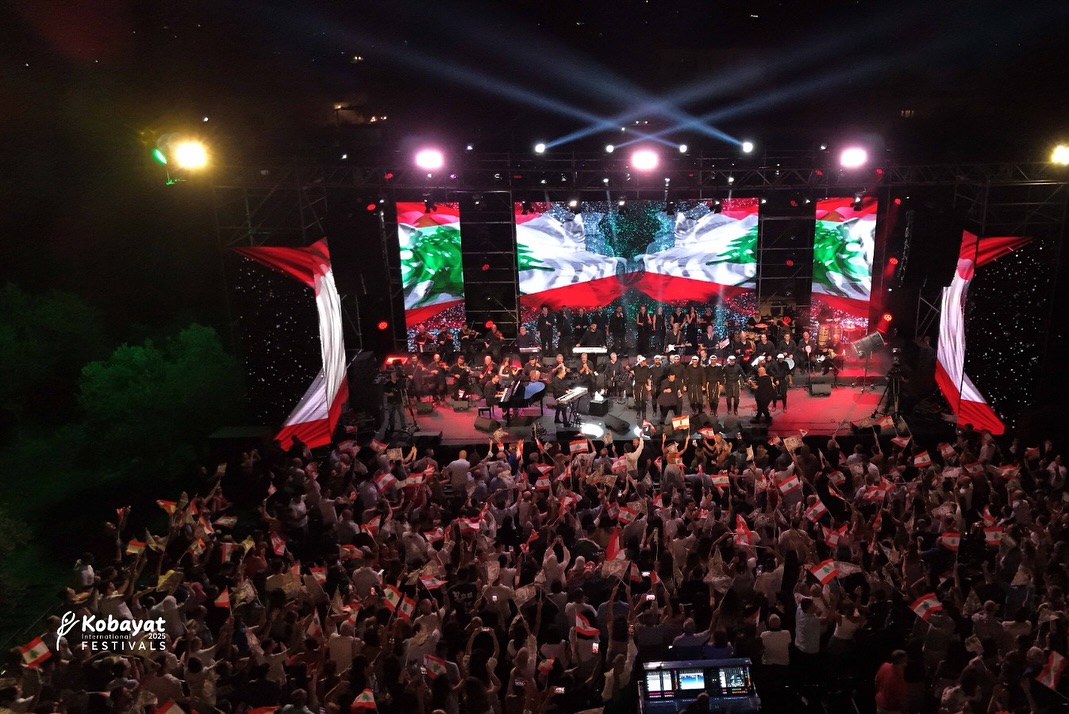
As for the Byblos International Festival, it is still awaiting security developments. The head of the festival committee, lawyer Raphael Sfeir, tells “Annahar”: “So far, the events have not been cancelled, but the international lineup is no longer available, and we are trying to prepare a local program that is acceptable and cost-effective.”
Despite the bleak picture, some concerts are still going ahead for now, including two concerts by Wael Kfoury on August 1 and 2, as well as the anticipated concert by Amr Diab in Beirut, for which no updates have been issued so far.
This is how the Lebanese cultural scene appears this summer: festivals have been cancelled, others are on standby, and some insist on continuing.
Between fear and hope, Lebanon is trying to hold on to a small space for joy, and once again prove that culture remains one of the means of resilience in the most difficult circumstances.