

Wartime photography in Lebanon: a reflection of power, violence, and fear
Beyond the ruins and battle lines, photographs from wartime Lebanon reveal a quieter form of resistance: the determination to keep living.



 Messenger
 Whatsapp
 Threads
 Email
Email
 Print
Print
 X
X
 Facebook
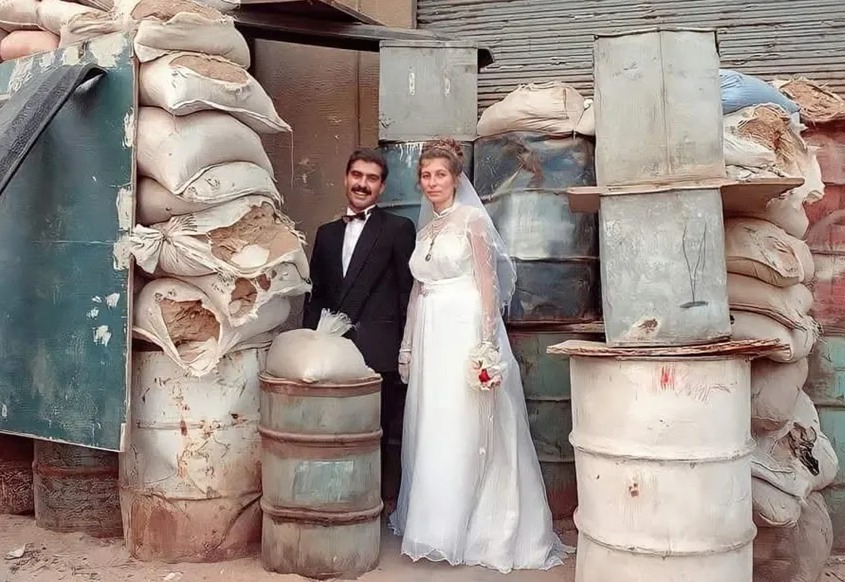
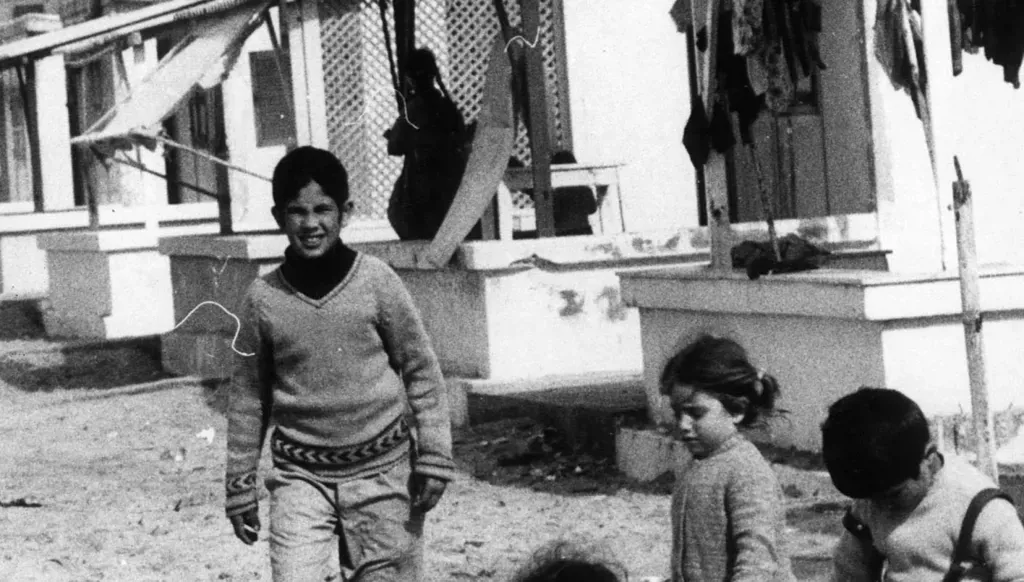
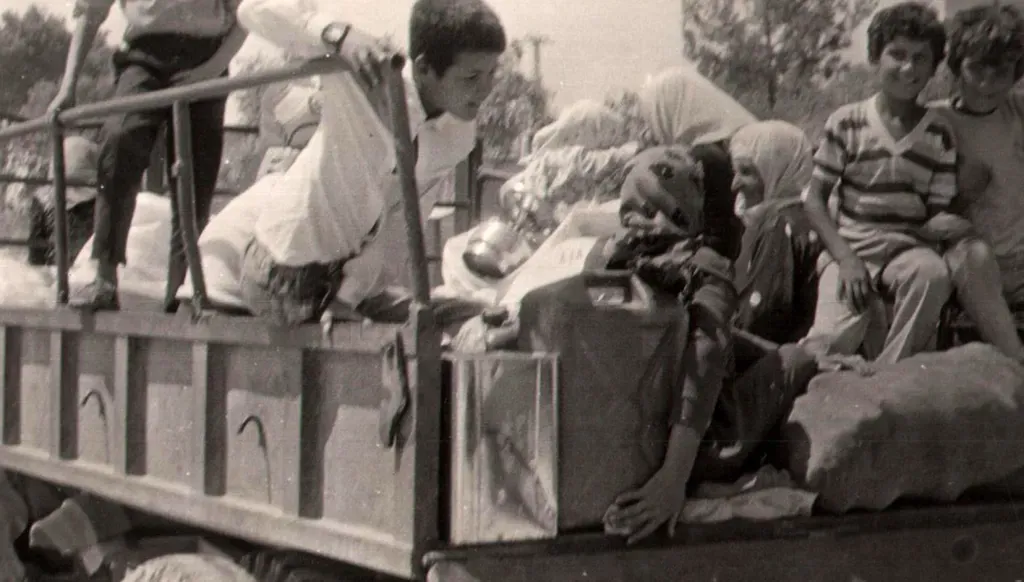
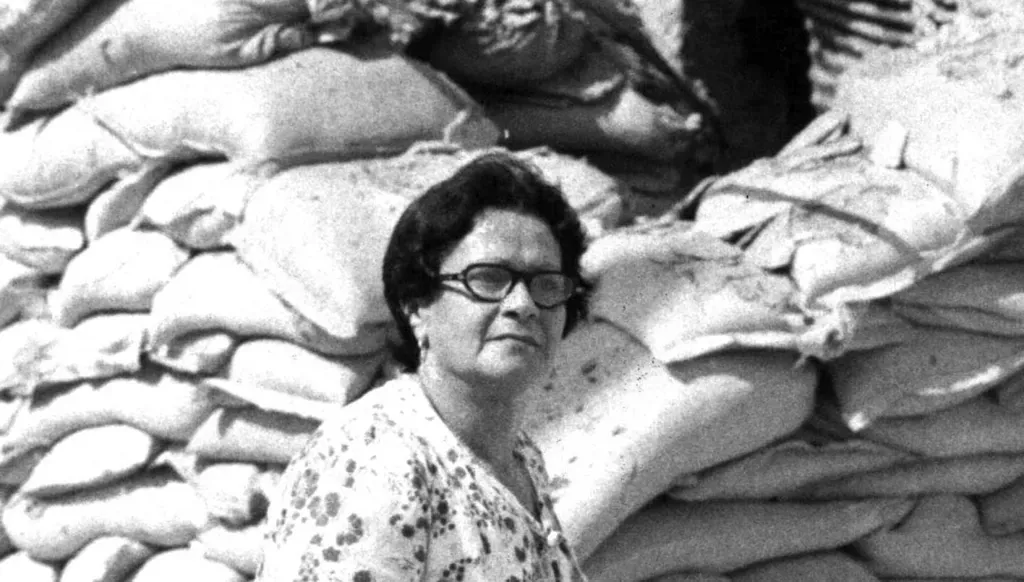


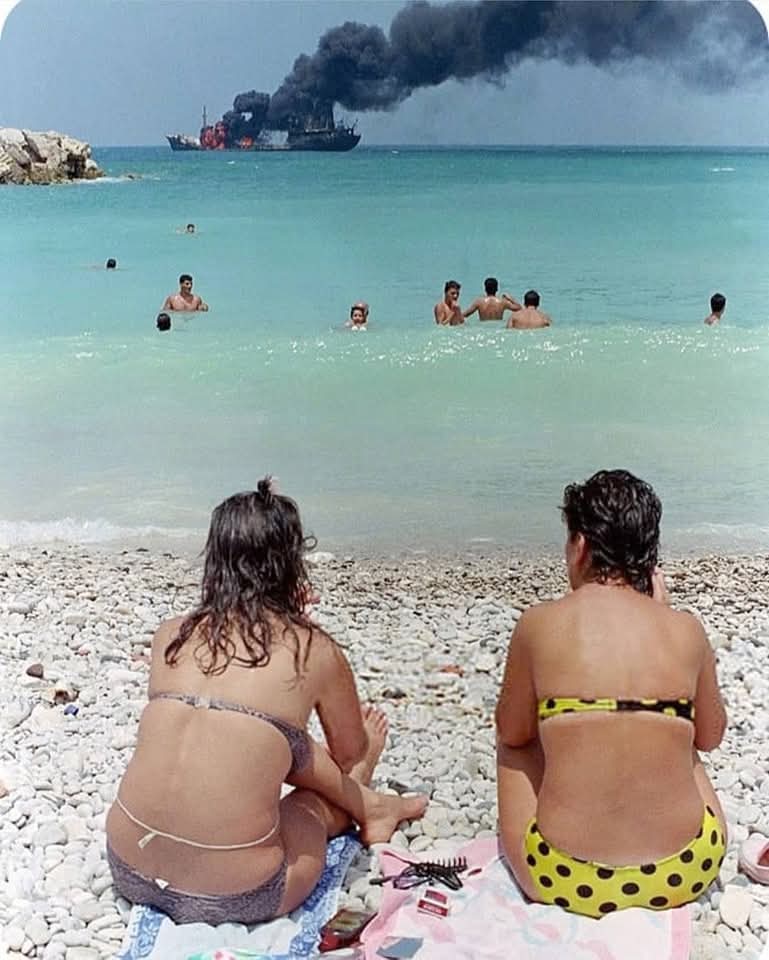
At first glance, these scenes may appear contradictory. Yet the contradiction lies not within the images themselves, but in the way we have become accustomed to imagining war.
We often perceive war as a force capable of consuming everything at once. We imagine it bringing life to a complete standstill, reducing people to fighters, victims, or numbers in news reports. Yet human experience is more complex than that. Even in the most violent of times, people do not stop searching for ways to endure.
War can kill, destroy, and displace. It can impose fear and anxiety, reshaping the fate of individuals and entire communities. But it does not always succeed in occupying the whole of the human world. There remains a realm it cannot fully control—a realm shaped by daily habits, family bonds, postponed dreams, and the desire to preserve some of life's natural rhythm.
It is from this tension that these images derive their deeper meaning. They do not depict people ignoring the war, but resisting the idea that it should become the sole reference point of their existence. The bride behind the barricade does not deny the reality surrounding her; she clings to her right to have a future. The woman preparing food amid destruction is not merely performing a routine task; she is preserving the continuity of her everyday world. Those swimming while smoke rises in the distance remind us that life does not entirely cease, even when danger hangs overhead.
Human beings do not live through major events alone. Their lives are also built from small, repetitive details: a morning cup of coffee, conversations around the family table, anticipated appointments, a dream project, or a postponed celebration. Such details may seem trivial in times of peace, but during war they become essential to protecting meaning from collapse.
Perhaps what these images reveal most clearly is that the real struggle shifts from land, power, and weapons to a battle over time itself. War seeks to turn every day into an extension of fear, while people strive to reclaim their own sense of time—a time for work, family, friendship, love, and hope. In this sense, cooking a meal, going to work, or holding a wedding become acts that transcend their immediate purpose, reaffirming that the future remains possible.
This is why these images matter today. They do not merely recount what the war did to Lebanon; they convey a deeper truth about what the war failed to achieve. They reveal the limits of power, violence, and fear. They show that even in the harshest circumstances, people seek spaces in which to preserve their humanity and the meanings that make life worth living.
Returning to these images is not an attempt to demonize war or overlook its tragedies. War has its fighters, martyrs, victims, combatants, and wounds that continue to shape Lebanese memory. Many entered the cycles of fighting out of a sense of national duty and in defense of what they believed to be the Lebanese cause at the time.
Yet these photographs also remind us that those who lived through those years—whether on the front lines or far from them—were not solely children of war, but also of a life they struggled to hold on to within the limits of what remained possible.
For this reason, decades later, these images endure as more than historical documents. They are iconic testimonies to the fact that violence, however pervasive, never exercises absolute control over the human world. There is always something that escapes: a fleeting smile, a family meal, a postponed appointment, a wedding that takes place, or a small dream stubbornly preserved.
When we look at these images today, we see not only a war that has passed, but also people who tried, amid the ruins, to preserve the rhythm of their days and the meanings that make life livable. In doing so, these images testify not to the power of war, but to its limits. They remind us that even when surrounded by fear, human beings seek ways to be more than mere survivors; they seek ways to remain human.