

Iraq’s armed power dilemma: Can the judiciary rein in weapons outside state control?
As Baghdad pushes to centralize arms under state authority, the real test lies not in political will—but in whether Iraq’s judiciary can turn sovereignty from a slogan into enforceable law amid deep factional resistance.



 Messenger
 Whatsapp
 Threads
 Email
Email
 Print
Print
 X
X
 Facebook
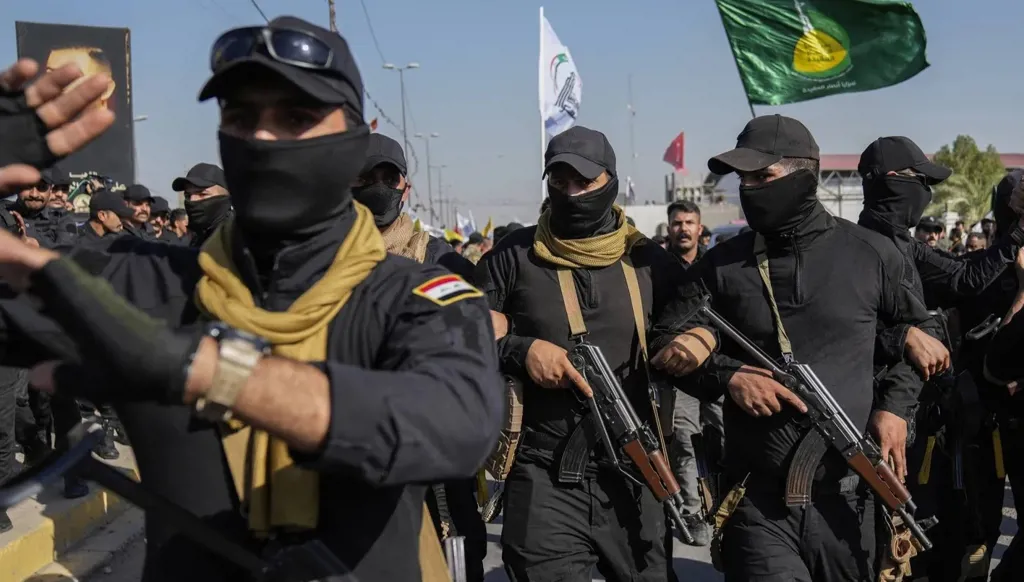


The restriction of weapons by the state is one of the key foundations for building a modern state, as true sovereignty or a stable legal system cannot exist in the presence of multiple armed power centers outside the official framework. However, despite its theoretical clarity, this objective faces political, security, and social complexities in reality, making it a process that requires tools beyond executive decisions, with the judiciary playing a central role.
The conditions of conflicts and wars in Iraq, along with the state’s previous weakness, have created a reality of multiple armed entities. Some of these emerged under national or security justifications, while others are tied to political or regional calculations.
With the relative improvement in state capabilities, the need to re-centralize power within official institutions has become more pressing. However, this approach has faced rejection from some factions that view their weapons as a guarantee of survival or influence.
Here arises a fundamental question: Is a political and executive decision sufficient to impose the restriction of weapons? Experience shows that force alone, or administrative decisions, is not enough to achieve this goal and may even lead to clashes that further complicate the situation. Therefore, the judiciary becomes a pivotal element in managing this file, not only as an enforcer of law but also as a guarantor of legitimacy and justice.
The judiciary plays a crucial role in settling disputes over weapon legitimacy by interpreting constitutional and legal texts governing weapon possession and use. The constitution often grants the state alone the right to monopolize force and criminalizes any armed activity outside this framework, providing the judiciary with a legal basis to issue clear rulings against violating entities. Through its decisions, it can decisively define the legal framework that cannot be exceeded.
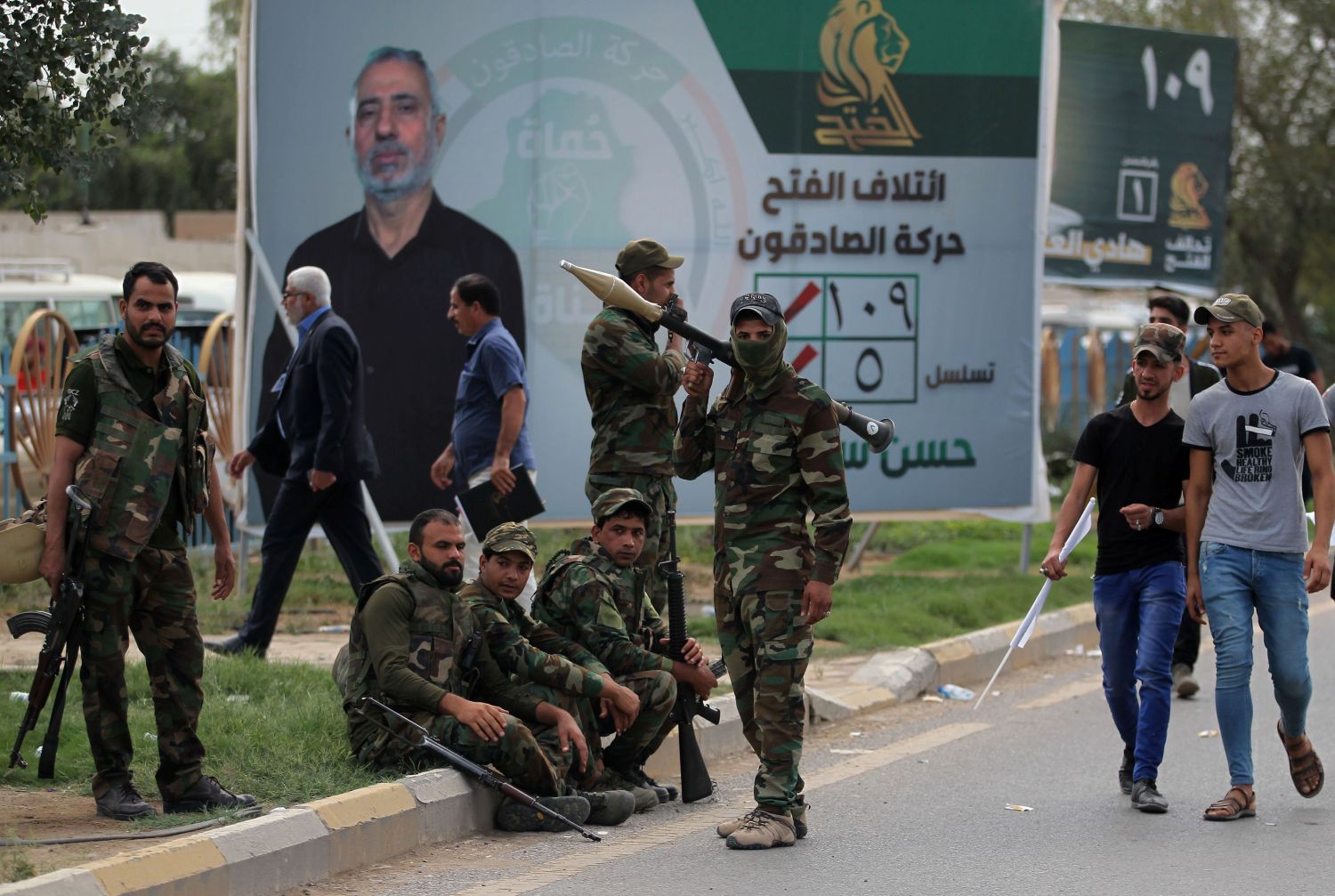
In addition, the judiciary is an important tool in pursuing violations linked to uncontrolled weapons, whether related to criminal acts or threats to public security. The serious and transparent activation of legal accountability contributes to undermining the legitimacy of weapons outside the state’s control and enhances public trust in the ability of official institutions to protect their rights.
The judiciary’s role is not limited to deterrence; it also extends to organizing the transition toward weapon restriction by overseeing procedures such as integrating faction members into official agencies or resolving the legal status of individuals. The judiciary can act as a legal mediator ensuring the rights of different parties and preventing excesses or violations during this sensitive process.
However, the judiciary’s effectiveness in this matter is tied to several conditions, foremost among them being independence from political pressures and its ability to enforce its rulings in practice.
Regardless of how decisive its decisions are, the judiciary needs executive bodies committed to their implementation and a political environment that supports the rule of law. A genuine desire by the ruling authority to respect judicial rulings is also a decisive factor in the success of this role.
On the other hand, factional refusal to accept weapons restriction often stems from fears of targeting or marginalization, placing an additional responsibility on the judiciary to provide fair legal guarantees. When these parties feel that there is a fair judicial system protecting their rights, they may be more willing to engage in the process of surrendering or organizing weapons.
In conclusion, the formula of restricting weapons to the state cannot be resolved by force alone or solely through political discourse; it requires a strong legal foundation represented by the judiciary. Between the seriousness of the decision and the refusal of factions, the judiciary serves as the arbiter of legitimacy, ensuring justice, and providing the state with the necessary legal tools to impose its sovereignty.