

Iraq’s armed groups and the state monopoly on weapons: Reform or political optics?
Despite government efforts to consolidate control, deep divisions among armed factions raise doubts over whether Iraq is witnessing real security reform or just political messaging.



 Messenger
 Whatsapp
 Threads
 Email
Email
 Print
Print
 X
X
 Facebook
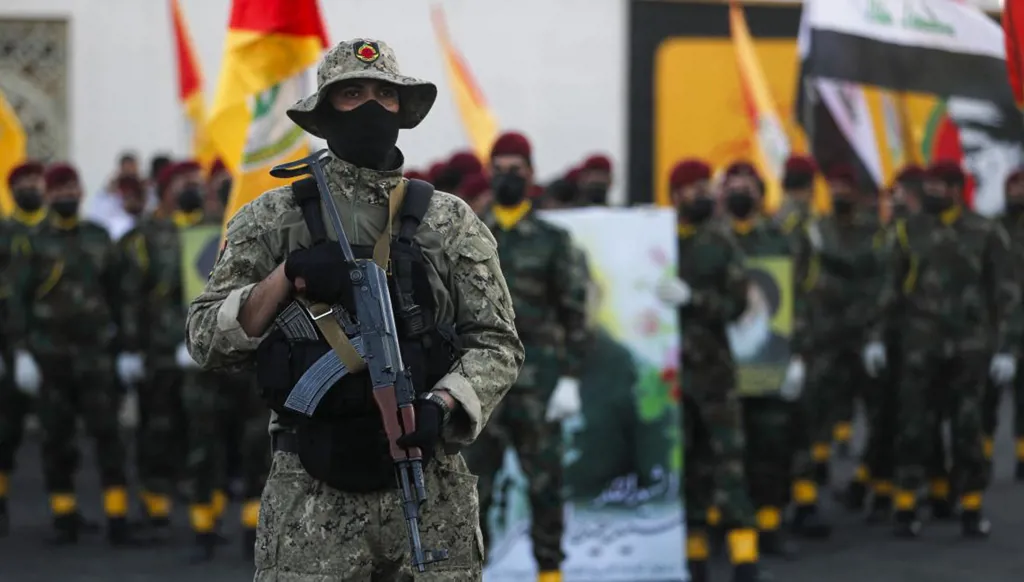


The issue of weapons being exclusively in the hands of the state has once again returned to the forefront of the Iraqi political and security scene, following a series of statements and announcements regarding the readiness of some armed factions to surrender their weapons or reorganize their security status within official frameworks. The government described this move as part of efforts to consolidate state authority and enhance internal stability.
However, these developments have raised widespread questions about the seriousness of the announced measures, and whether they represent a real transformation in the relationship between the state and armed factions, or whether they fall within the framework of political and media messaging that does not necessarily reflect reality on the ground.
Factional Disparities
These questions carry particular significance given the varying positions within the factions themselves. While prominent groups, including the Peace Brigades led by Muqtada al-Sadr, Asa'ib Ahl al-Haq led by Qais al-Khazali, and Imam Ali Brigades led by Shibl al-Zaidi, have declared their support for steps to organize or surrender weapons within state arrangements, other factions—most notably Hezbollah Brigades led by Abu Hussein al-Hamidawi, the Al-Nujaba Movement led by Akram al-Kaabi, and Sayyid al-Shuhada Brigades led by Abu Alaa al-Wala'i—maintain different positions on this issue. This reflects the continued division over the nature and future of weapons outside official institutions.
Observers believe that testing seriousness is not related to statements alone, but rather to their translation into practical, measurable actions, including restricting weapons depots, ending armed appearances outside security institutions, and subjecting all armed formations to state authority and prevailing laws.
Additionally, the success of any such project requires broad political consensus and a government willing to address the complex security and political intricacies associated with this issue, which has remained one of Iraq's most sensitive topics for years.
No Tangible Results Yet
Military affairs expert Major General Ahmad al-Dulaimi told Annahar that the discussion about making weapons exclusively state-owned is still, as of now, "revolving around political and media statements more than reflecting a tangible practical transformation on the ground; the field indicators are still insufficient to talk about significant progress in this complex file."
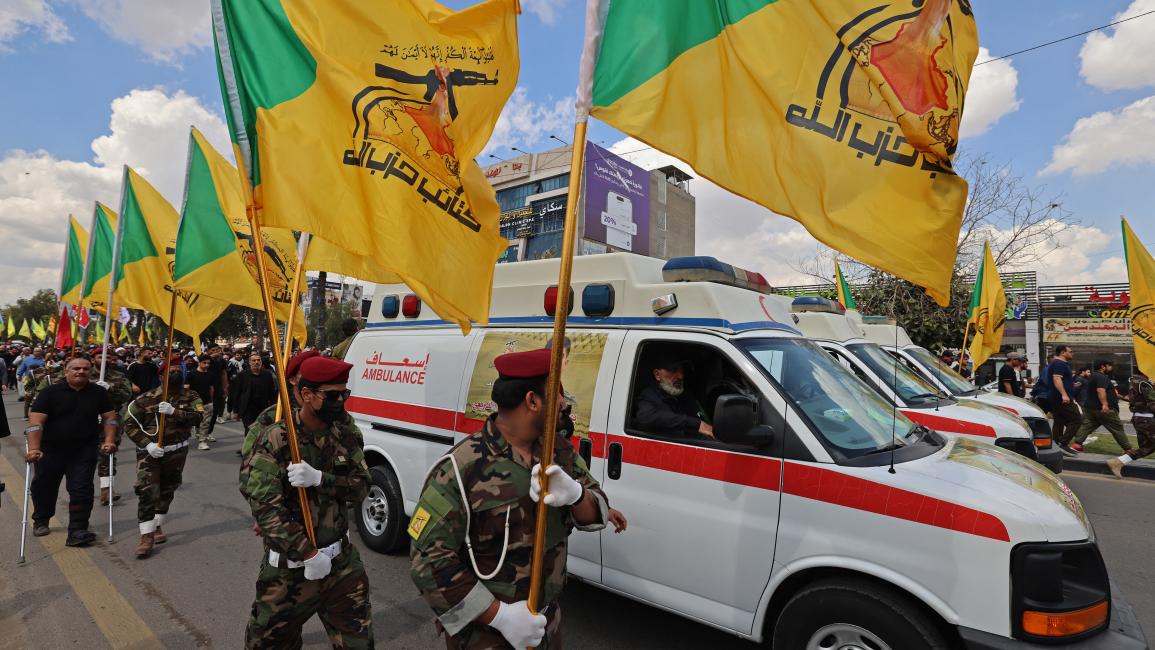
Al-Dulaimi clarifies that any serious assessment of the success of the weapons restriction project should be based on clear executive procedures, such as dismantling armed structures outside official institutions, restricting weapons depots, and subjecting all armed parties to state authority and law.
“Such steps have not yet emerged in a way that allows us to say the file has entered a definite settlement phase,” he adds. “The international community and regional powers, along with Iraqi political parties, are following this file closely and have their indicators and data on the extent of progress achieved, and judging the seriousness of any step is not done through media releases, but rather through tangible field results.”
He stresses that the continued debate over weapon surrender and the differing positions of armed factions indicate that the issue still faces significant political and security challenges, and that achieving a complete weapon restriction demands unified political will and resolute executive decisions that go beyond media-oriented approaches toward actual implementation.
The public is awaiting concrete actions proving that the state has become the sole entity retaining the monopoly on weapons and the use of force in accordance with the constitution and law.
While the government asserts its steps to restrict weapons to state ownership, experts believe it is still early to judge the success of these efforts, especially as past years’ experiences with similar declarations and initiatives have not led to conclusive results.
Therefore, the pressing question remains: Do current moves signal the beginning of a new phase where armed forces fully integrate within state institutions, or are they merely formal procedures tied to temporary political and regional circumstances that will not lead to substantial change in the equation of weapons and influence within Iraq?
Political and Media Rhetoric
From his perspective, Iraqi politician Mithal al-Alusi told Annahar that the current discourse on weapon surrender and restriction to state possession "is still more about political and media rhetoric than an actual executive project, and the Iraqi citizen has not yet perceived any substantial change on the ground that indicates the beginning of a real treatment for the weapons file outside the state's framework."
He emphasized that the measure of success is not the number of statements or issued declarations, but the state’s ability to fully impose its sovereignty and end all displays of weapons that are not under official institutions.
The continued presence of armed forces refusing to surrender their weapons or dictating their terms for addressing this issue raises serious questions about the feasibility of implementing announced plans and procedures.
Al-Alusi, a former member of the Iraqi parliament, adds: “The state faces a test today concerning its prestige and its ability to monopolize force as per the constitution, and the persisting gap between statements and reality may lead to further doubt about the institutions’ ability to fulfill their commitments.”
He continues: “If there is genuine intent to restrict weapons to state ownership, this must include everyone without exception and according to uniform standards."
"Meanwhile, discussions about the surrender of some groups' weapons while others remain will not convince internal and external parties but will reinforce the impression that what is happening still falls within the political messaging framework rather than being a strategic shift in the structure of the Iraqi state.”