

Trump's Iran Deal: A Game Changer for Middle East Dynamics
A proposed memorandum between Washington and Tehran could reopen the Strait of Hormuz, ease sanctions, and reshape regional diplomacy—if it survives the final political hurdles.



 Messenger
 Whatsapp
 Threads
 Email
Email
 Print
Print
 X
X
 Facebook
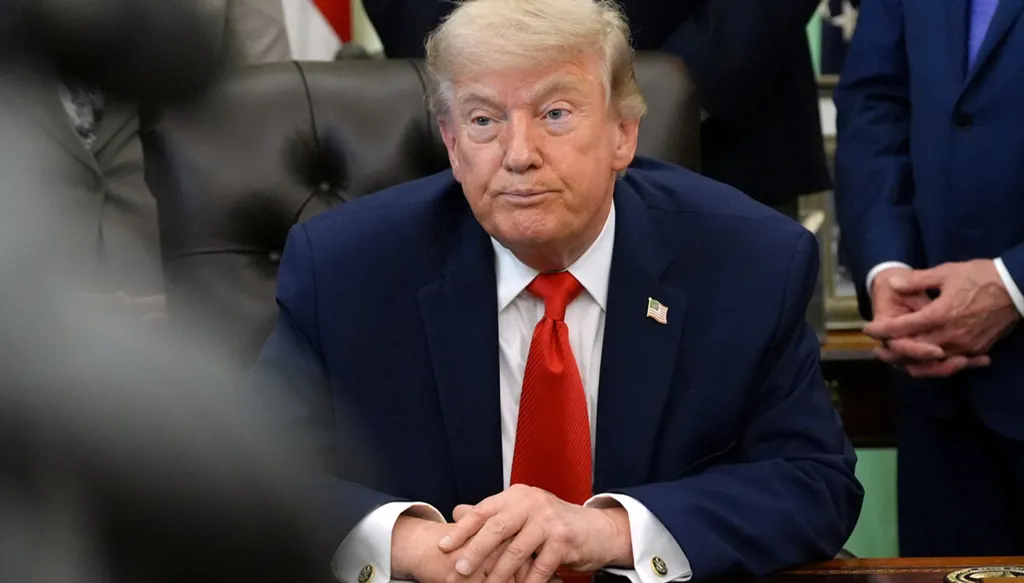


The Middle East and the world are cautiously awaiting U.S. President Donald Trump's announcement of a memorandum of understanding between the United States and Iran, just hours after he declared his intention to launch "severe and powerful" strikes on Iran on Thursday night.
Axios revealed details of the memorandum that Trump claimed would "be signed soon, possibly over the weekend in Europe."
According to a diplomat and a U.S. official, the agreement calls for the immediate reopening of the Strait of Hormuz without transit fees and offers Iran sanctions relief in exchange for compliance.
What does the memorandum between the United States and Iran entail?
The memorandum would extend the ceasefire for 60 days, including in Lebanon, during which nuclear negotiations would take place.
The Strait of Hormuz would immediately reopen without transit fees, with shipping volumes returning to pre-war levels within 30 days, while the United States would lift its blockade in return.
The text includes a framework to address Iran's enriched uranium stockpile, while noting that any action concerning Iran's nuclear program would depend on a second, more detailed agreement.
Under the memorandum, Iran would commit to several obligations regarding its nuclear program, most notably pledging never to acquire nuclear weapons and resolving the issue of enriched uranium.
Trump also agreed that one possible solution would involve reducing the enrichment level of Iran's highly enriched uranium domestically under the supervision of U.N. inspectors.
How was the memorandum of understanding reached?
A diplomat from one of the two mediating countries told Axios, "The United States and Iran agreed on the text of the agreement," while acknowledging that it still requires final approval.
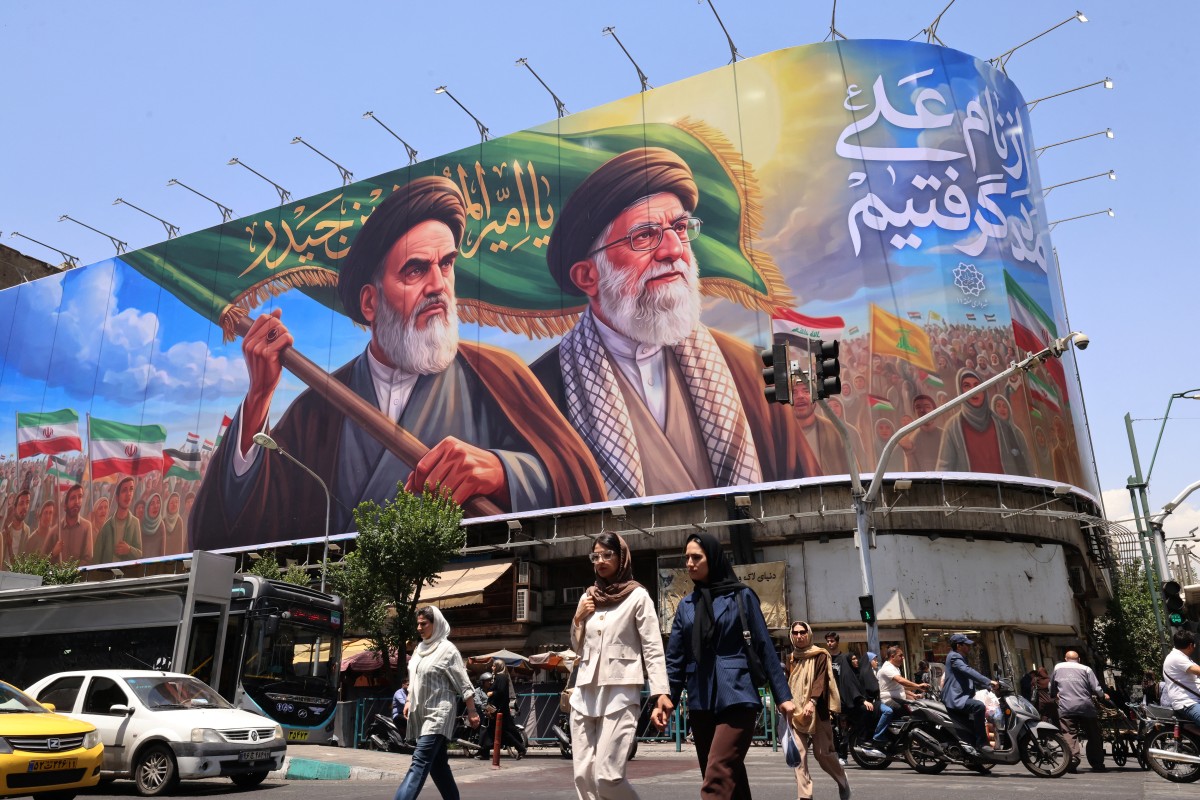
As of Thursday evening, two informed sources said the agreement had received approval at high levels in Iran, although it was unlikely to have been endorsed by Supreme Leader Mojtaba Khamenei.
For his part, Trump said he expected a signing ceremony to take place over the weekend, while a spokesperson for the Iranian Foreign Ministry stated that Tehran "has not yet reached a final decision."
Meanwhile, two diplomats from the mediating countries and two U.S. officials said that a preliminary agreement had been reached on Wednesday evening following hours of negotiations between Qatari mediator Ali Zawadi and Iranian Foreign Minister Abbas Araghchi.
Sources added that Zawadi held several phone calls from Tehran with Trump's envoys, Steve Witkoff and Jared Kushner, throughout the talks.
Axios also reported that four U.S. Air Force C-17 aircraft flew to Europe on Thursday carrying equipment for a possible trip by Vice President J.D. Vance to attend a signing ceremony in Geneva in the coming days.
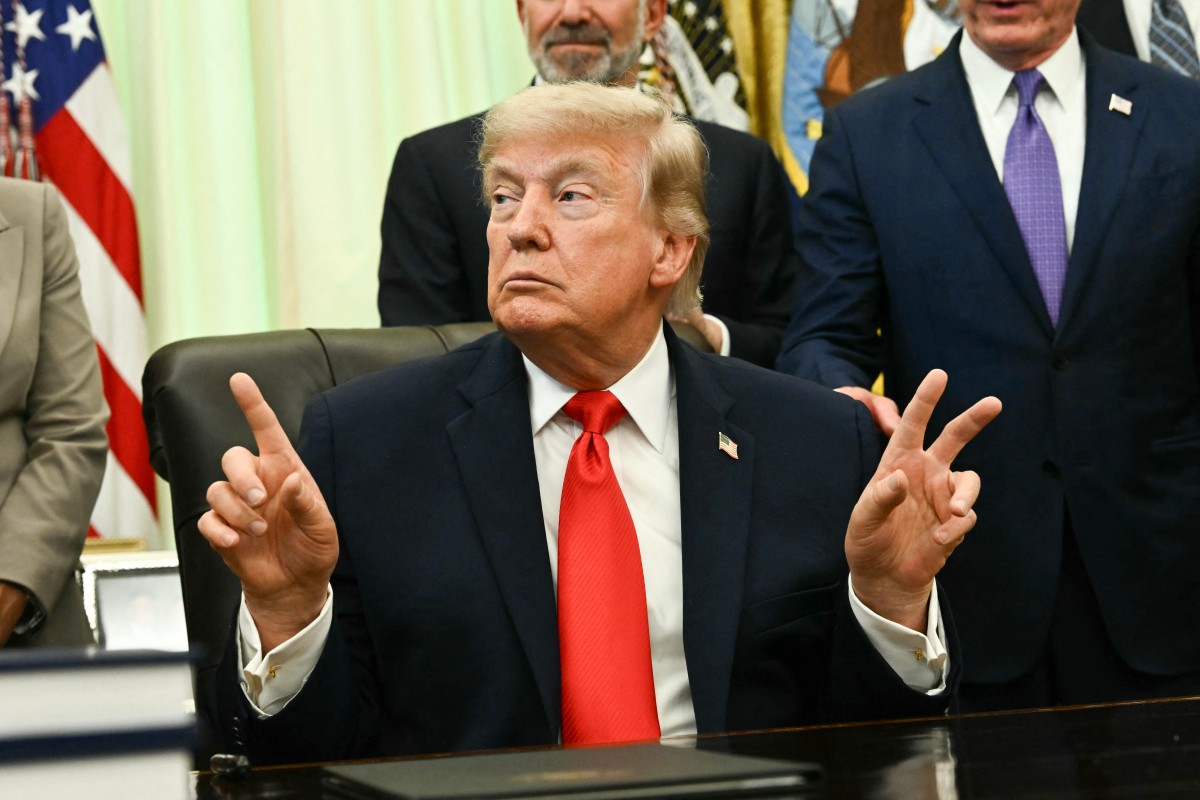
Netanyahu Surprised by Trump’s Announcement
Trump's announcement that the agreement had been finalized came as a surprise to Israeli Prime Minister Benjamin Netanyahu.
According to a U.S. source cited by Axios, Netanyahu found himself perplexed in recent days and turned to close allies within the Trump administration to gather information about the negotiations.
A senior U.S. official told the outlet that Trump agreed that one option to resolve the uranium issue would be to reduce Iran's highly enriched uranium domestically under U.N. supervision.
No measures concerning Iran's nuclear program would be implemented unless a second agreement is reached—a prospect that remains uncertain given the complexity of future negotiations, despite the memorandum itself being less complicated.
The diplomat said the memorandum of understanding "addresses all nuclear issues in detail" and "meets all U.S. requirements."
Previously, U.S. officials told Axios that once the Strait of Hormuz reopens, Iran would receive temporary sanctions exemptions allowing it to sell oil for 60 days, generating valuable revenue for Tehran.
Sanctions relief would expand if Iran complies with the preliminary agreement and demonstrates "good faith" during subsequent negotiations.
The diplomat added, "There is no specific date for sanctions relief, and it will be linked to the implementation of the agreement," noting that it remains unclear whether the text provides details on the fate of billions of dollars in Iranian assets frozen abroad.
Iran insisted that it should immediately receive a portion of those funds upon signing any preliminary agreement, while the United States maintained that the assets would be released in installments tied to Iranian compliance.
An American source outside the administration expressed concern that the issue of frozen funds could be addressed through a secret side agreement, although a U.S. official recently denied that possibility to Axios.
According to a U.S. official and a source from one of the mediating countries, the United States, Iran, and Qatar have in recent days discussed a mechanism that would allow Iran to access some of its frozen assets in Qatar to purchase humanitarian goods.
The next step would give the agreement—mediated jointly by Qatar and Pakistan—the name "Islamabad Agreement," provided both parties agree to sign it.
A diplomat from one of the mediating countries said, "We are working with the parties to finalize the agreement and set a date for the signing ceremony."