Saudi Arabia reopens its market to Lebanese imports after five-year ban

Business Tech 11-06-2026 | 14:00

Saudi Arabia reopens its market to Lebanese imports after five-year ban

The move revives a crucial export lifeline for Lebanon, offering hope for economic recovery and signaling a thaw in Beirut-Riyadh relations.


Saudi Arabia reopens its market to Lebanese imports after five-year ban
Aoun and Bin Salman (Archive).
Smaller Bigger


More than five years after the closure of one of the most important export gateways for Lebanese products, the Kingdom of Saudi Arabia has officially brought to an end the ban on Lebanese imports that had been in place since 2021.


This decision carries not only direct commercial implications but also signals an improvement in Lebanese-Saudi relations and a renewed confidence in the regulatory measures adopted by the Lebanese state in recent years.


The decision not only restores a market that annually imported tens of thousands of tons of Lebanese products but also reopens the main gateway to Gulf markets, which have historically served as the primary export lifeline for Lebanon’s agricultural and industrial sectors.


This comes at a time when Lebanon is seeking to repair its relations with the Gulf states and regain its economic presence in the region, after years of political tension and declining trade activity.


Kingdom of Saudi Arabia: The Largest Market for Lebanese Products


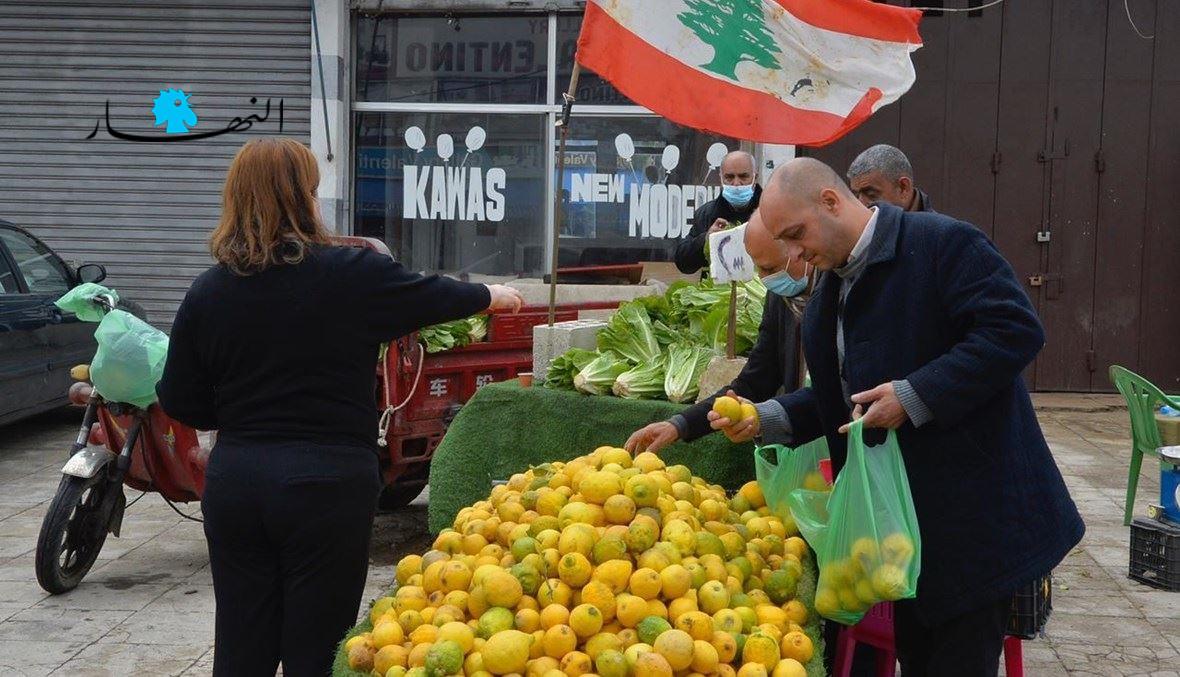
For decades, the Kingdom of Saudi Arabia has been Lebanon’s most important trading partner for agricultural and food exports, representing one of the key destinations for Lebanese industries.


Data from the Ministry of Agriculture shows that, before 2020, Gulf Cooperation Council countries accounted for approximately 45% of Lebanon’s total agricultural exports, distributed as 13% to Saudi Arabia, 12.5% to Kuwait, 7.6% to Qatar, 7.5% to the United Arab Emirates, 3% to Oman, and 1.5% to Bahrain.


Moreover, Gulf countries imported around 200,000 tons of Lebanese fruits and vegetables annually, with Saudi Arabia alone accounting for approximately 60,000 tons, making it the most important market for Lebanese farmers.


Regarding total trade, the value of Lebanese exports to Saudi Arabia stood at about $356 million in 2015, before declining to $217 million in 2020 due to the economic crisis and the repercussions of the COVID-19 pandemic, while still remaining one of the largest foreign markets for Lebanese products.


Captagon Smuggling Led to a Comprehensive Ban


However, the repercussions did not end there. In October of the same year, the ban was expanded to include a range of Lebanese imports, coinciding with a diplomatic crisis between the two countries and resulting in an almost complete halt of Lebanese exports to the Kingdom.


Saudi Arabia linked the decision at the time to increasing attempts at drug smuggling through commercial shipments, while political relations between the two countries were also strained due to the positions of “Hezbollah” and its regional role, in addition to Gulf accusations of its extensive influence within state institutions and border facilities.


Figures reveal the scale of the losses


According to the Ministry of Agriculture, Lebanese agricultural exports to Gulf countries fell from around 200,000 tons annually before the ban to approximately 77,000 tons in the following years.


With access to Gulf markets cut off, and following the suspension of imports from Saudi Arabia starting April 25, 2021, Lebanon’s agricultural sector saw a significant decline in export volumes.


Lebanese agricultural exports to Gulf countries fell to around 77,000 tons, negatively affecting agricultural production, farmers’ incomes, and the sustainability of value chains in the sector.


On a financial level, the value of Lebanese agricultural exports to Gulf countries stood at around $242 million in 2020, including $32 million to Saudi Arabia, before dropping to approximately $14 million in 2024, clearly reflecting the economic impact of losing these key markets.


Regarding trade with Saudi Arabia, the value of Lebanese exports fell from $217 million in 2020 to $124 million in 2021 due to the gradual implementation of the ban, before dropping sharply to around $273,000 in 2022 and then to approximately $154,000 in 2024, according to data from “Information International.”


The losses in the agricultural sector are estimated to have exceeded one billion dollars over the past five years, due to the loss of the Saudi market and the disruption of export flows to Gulf countries.


Lebanese exports to the Kingdom were not limited to agricultural products, but also included a wide range of industrial, food, and consumer goods.


In 2020, the last full year before the ban was imposed, Lebanese exports to Saudi Arabia amounted to approximately $182.6 million, spanning hundreds of agricultural and industrial products.


Chocolates and food preparations topped the list of Lebanese exports, with a value exceeding $10 million, accounting for about 5% of total exports, while cosmetics and personal care products also exceeded $10 million, representing a similar share of approximately 5%.


Major Lebanese exports to Saudi Arabia also included:


• Fresh and dried grapes worth $7.5 million.


• Books and publications worth approximately $7 million.


• Pharmaceuticals worth $6.8 million.


• Soap worth $5.9 million.


• Gold, jewelry, and ornaments worth approximately $5 million.


Furthermore, Lebanon exported to Saudi Arabia a range of industrial products, including power generation units, electric motors, water tanks, metal barrels, lighting devices, pipes, industrial machinery and equipment, as well as footwear, baby diapers, and personal care products.


Although the decision has been widely welcomed, exports are not expected to immediately return to pre-2021 levels, as many exporters have lost their traditional markets, institutions and companies have closed, and distribution and import networks within the Kingdom have evolved over the past five years.


However, it is clear that the lifting of the ban opens a new window of opportunity for the Lebanese economy at a time when it urgently needs any source of growth and foreign currency inflows.


If Lebanon succeeds in maintaining the required security and regulatory standards, the decision could mark the beginning of a gradual recovery of a market that absorbed hundreds of millions of dollars in Lebanese products and provided thousands of jobs across agriculture, industry, and logistics services.