

Iran–US military escalation halts fragile diplomatic efforts
Strikes, drone attacks, and ceasefire violations deepen tensions while negotiations remain stalled despite repeated claims of progress.



 Messenger
 Whatsapp
 Threads
 Email
Email
 Print
Print
 X
X
 Facebook
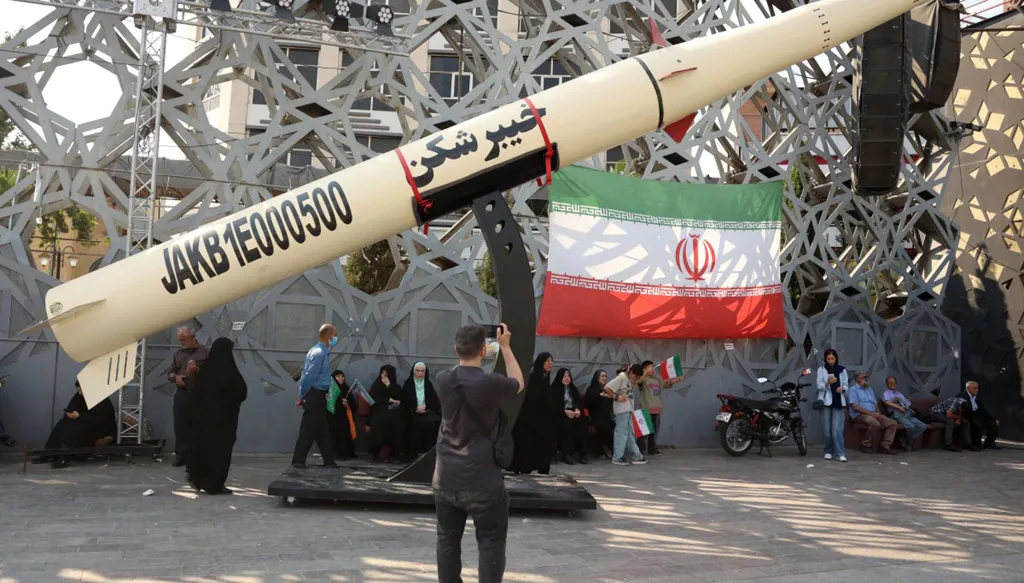


The Iranian Ministry of Foreign Affairs accused the United States on Wednesday of causing harm to ongoing diplomatic efforts aimed at ending the war, following US strikes that targeted southern Iran.
Foreign Ministry spokesperson Esmail Baghaei said in a video clip broadcast by Iranian media: “Unfortunately, the United States is damaging this diplomatic process through its contradictory messages, its repeated changes in positions and demands, and worst of all, through its repeated violations of the ceasefire.”
He added: “Any diplomatic process is harmed by the use of force and resorting to illegal actions on the ground.”
He stated that diplomatic efforts with the United States cannot move forward under ongoing violations, noting that Israel is also harming the process through repeated violations of the ceasefire in Lebanon.
He concluded: “After what happened overnight, we need to reassess the diplomatic path with Washington. Any diplomatic process requires a minimum level of stability.”
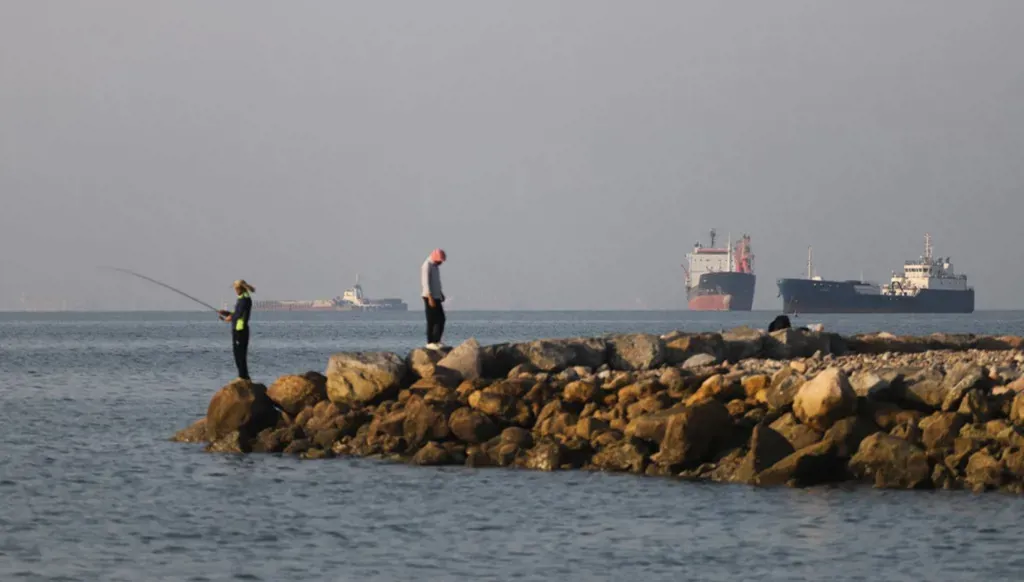
The Iranian Revolutionary Guard carried out missile and drone attacks on US military bases in Jordan, Kuwait, and Bahrain on Wednesday, in response to US airstrikes that targeted Iranian sites near the Strait of Hormuz.
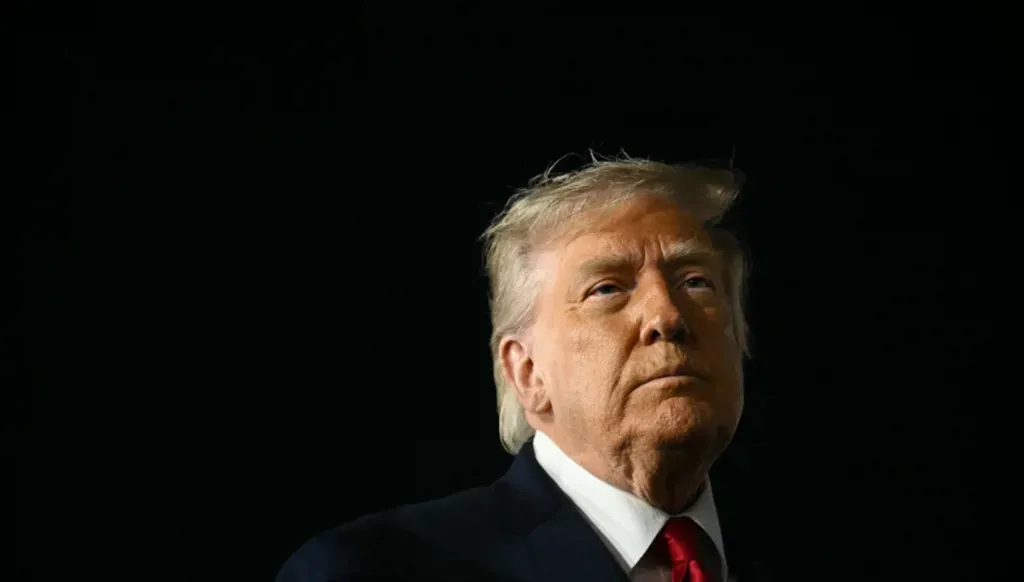
This escalation came after US President Donald Trump said that Iran had shot down a US Apache helicopter near the strait on Tuesday.
The US strikes lasted for about four hours before US Central Command announced shortly before 9 pm Eastern US time, which is 1 am GMT on Wednesday, that they had ended. A US official said that about 20 Iranian targets were struck.
For its part, Iranian state media, quoting the Revolutionary Guard, reported that Qeshm Island and the coastal city of Sirik in the Strait of Hormuz were targeted. It also quoted local sources and residents as saying that explosions were heard in Bandar Abbas, and later near Jask at the entrance to the strait.
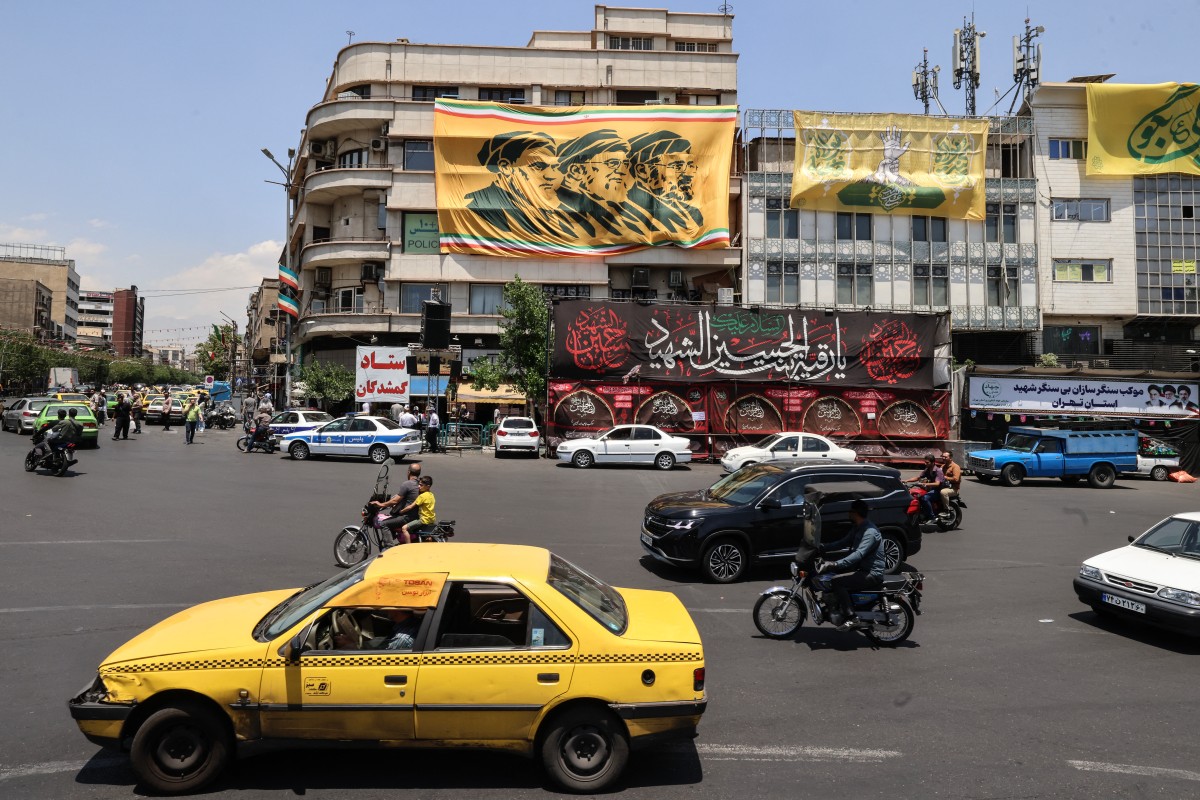
The Islamic Revolutionary Guard Corps said it carried out attacks on US military bases in Bahrain, Kuwait, and Jordan using drones and missiles, in response to what it called a “new US aggression,” warning that it is ready to deliver a “crushing and decisive” response to any further US attack.
On Tuesday, a US official who requested anonymity said that the Apache helicopter was shot down by an Iranian attack drone.
Later, Iranian state media quoted a military source saying that no offensive air operations had been carried out in the Strait of Hormuz over the past 24 hours.
The US military noted that an unmanned naval vessel found the helicopter’s two crew members and rescued them after the attack helicopter went down in waters near the coast of Oman while conducting a reconnaissance patrol at around 3 a.m. on Tuesday, which is 11 p.m. GMT on Monday.
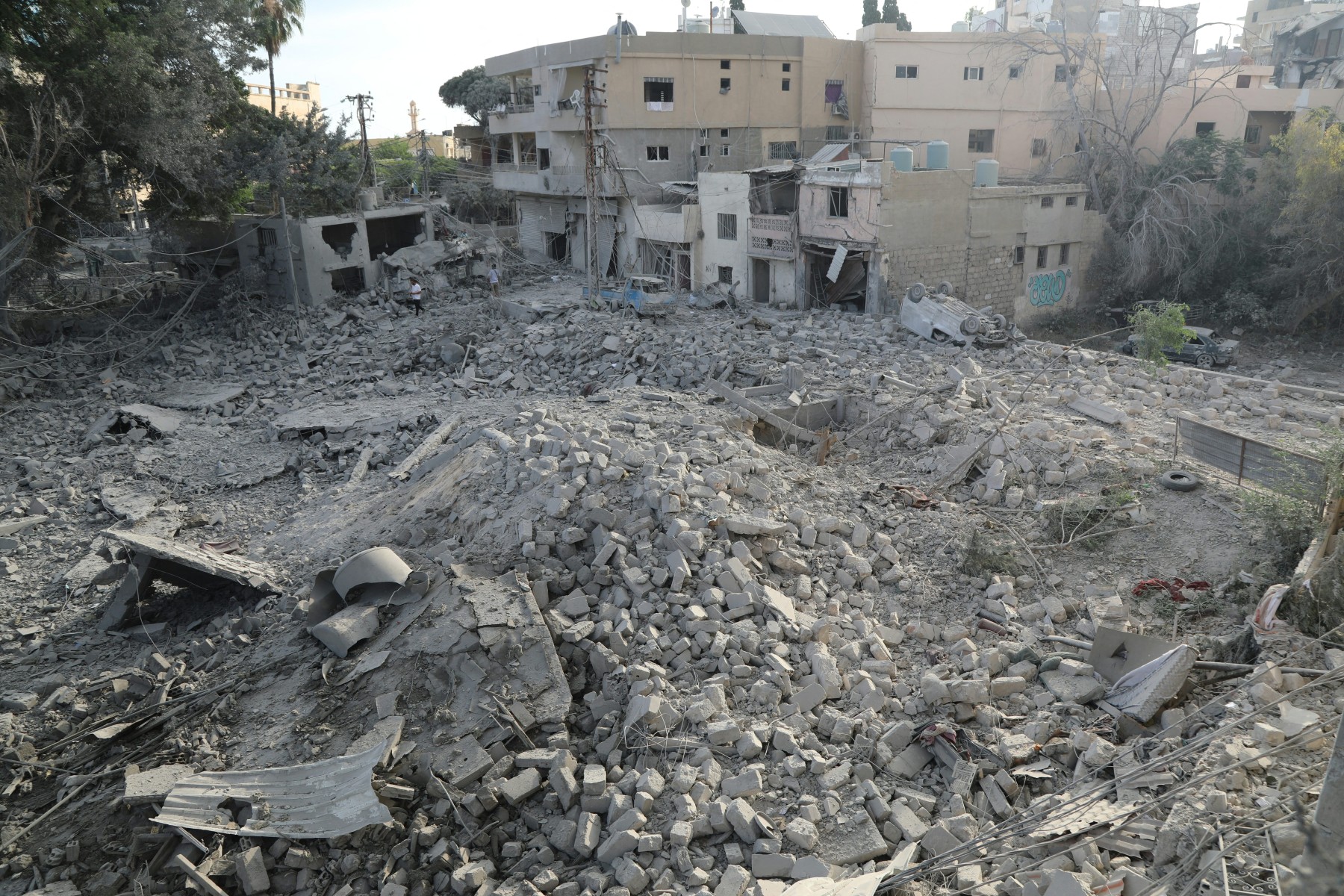
Trump repeatedly announced that Iran and the United States were on the verge of reaching an agreement, but there have been few signs of progress since the fragile ceasefire entered into force in early April.
Tehran’s demands include the lifting of US and international sanctions, the release of billions of dollars in frozen assets, and recognition of its sovereignty over the Strait.