

Iran’s regional strategy and the Gulf’s lost trust: From Iraq to Lebanon and beyond
Has anything changed between 2003 and 2026? Does the United States now have a strategy to confront the Iranian strategy, which has negative repercussions on a country like Lebanon and on the Gulf Cooperation Council states?



 Messenger
 Whatsapp
 Threads
 Email
Email
 Print
Print
 X
X
 Facebook
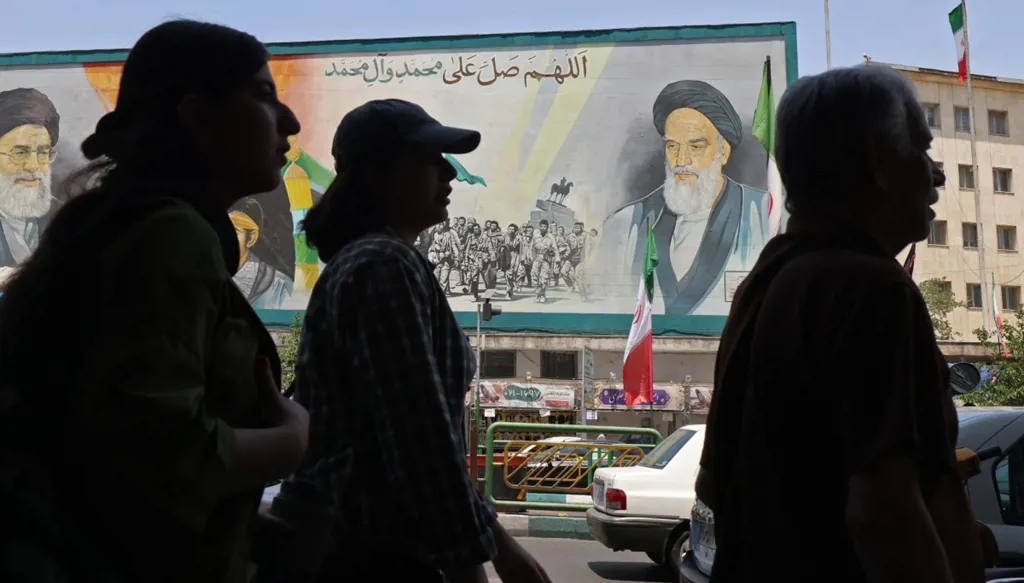


Iran considers that its presence in Lebanon secures its control over Lebanon’s national decision making, and that it is an integral part of its ability to hold leverage in negotiations with the United States.
It also appears that the attacks it carries out against Arab Gulf states fall within this same strategy, a strategy of accumulating leverage. This is a strategy that Lebanese President Joseph Aoun explicitly referred to in his recent interview with CNN. The Lebanese president was very clear when he said that it is not acceptable for Lebanon to be used as a bargaining chip between Iran and the United States.
From Lebanon to the six member states of the Gulf Cooperation Council, the Iranian strategy appears to be completely clear. However, this does not prevent us from asking what the future of the relationship between Iran and its Arab neighbors will look like, if we set aside Iraq. What will the future of Iranian Gulf relations be on the day after the current war ends?
It is certain that Iran, regardless of the circumstances of its relationship with Lebanon, has lost the trust of the six Arab Gulf states that are members of the Gulf Cooperation Council. It has become clear that all the statements issued in the past from Tehran regarding cooperation to counter external interference and to build an independent regional policy free from blocs have nothing to do with reality or truth in any way. They were merely Iranian rhetoric meant to mislead and obscure the facts.
What is certain is that the nature of any agreement sought by Donald Trump will be significant not only for the future of relations between Tehran and Washington, but also for Iran-Gulf relations.
In 2003, the Iranian expansion project began anew, with Iraq as its starting point. This expansion then spread in all directions, with a particular focus on Lebanon, where Hezbollah assassinated Rafic Hariri in order to eliminate any hope of restoring Lebanon’s recovery and its return to the Middle East map.
The assassination of Hariri paved the way for full Iranian control over Lebanon, especially after the Syrian army was forced to end its occupation of the country.
From now on, despite all the complexities surrounding ongoing contacts aimed at reaching a US Iranian deal, there are fears of an American underestimation of the importance of putting an end to the Iranian strategy based on the idea of extortion. Extortion of Lebanon and of every Arab Gulf state.
Has anything changed between 2003 and 2026? Does the United States now have a strategy to confront the Iranian strategy, which has negative repercussions on a country like Lebanon and on the Gulf Cooperation Council states?
Disclaimer: The opinions expressed by the writers are their own and do not necessarily represent the views of Annahar.